
Choosing the right heater for your home can be confusing. You want something efficient, safe, and cost-effective.
Should you go for an electric baseboard heater or an oil-filled radiator? Both have their benefits, but which one suits your needs best? In this essential guide, you’ll discover the key differences, pros, and cons of each option. By the end, you’ll feel confident making the choice that keeps your space warm and cozy without breaking the bank.
Keep reading to find out which heater is the perfect fit for you.
Electric Baseboard Heaters
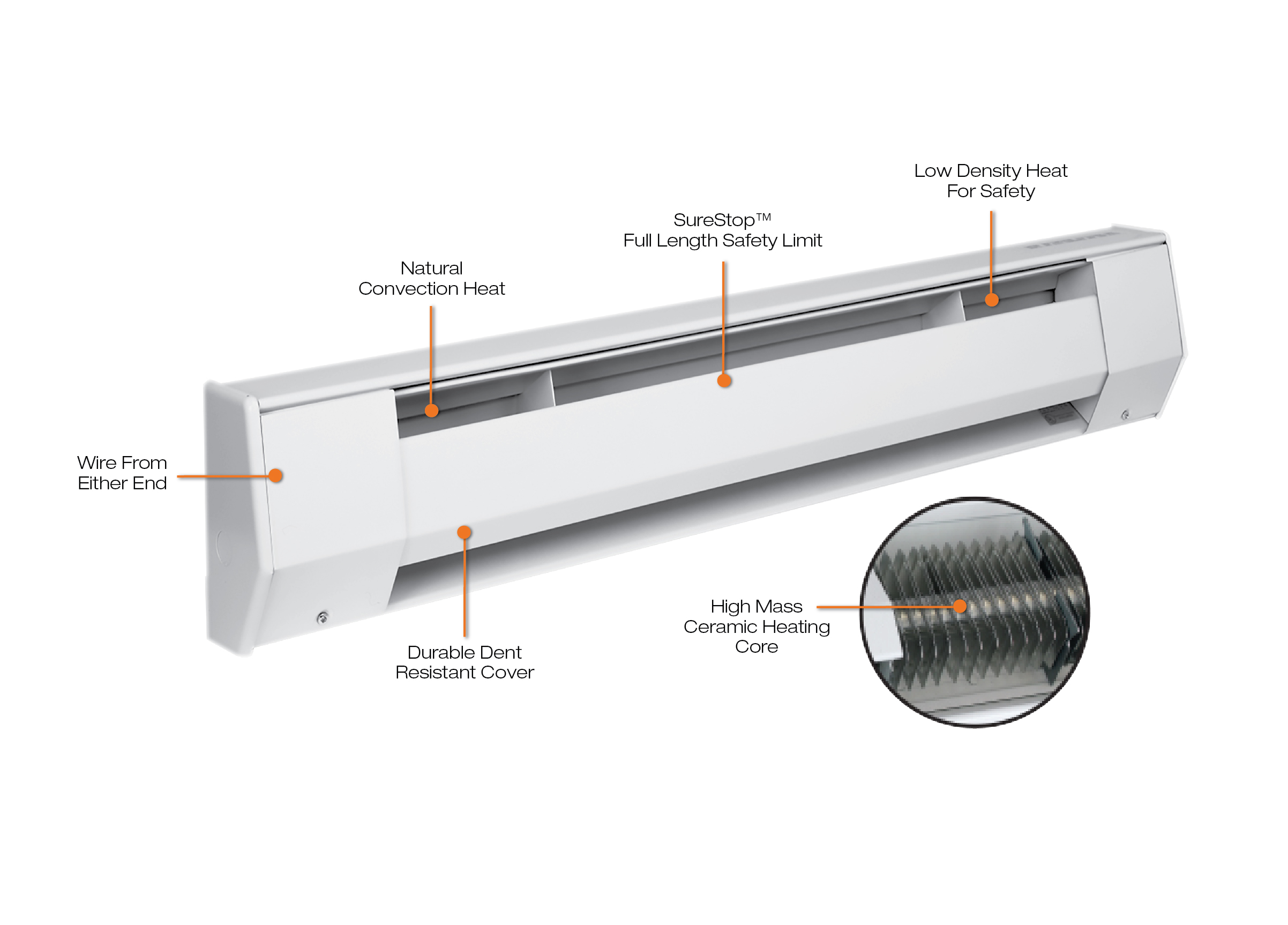
Electric baseboard heaters are a popular choice for heating rooms. They provide direct heat by warming the air near the floor. These heaters are quiet and easy to control. Many homeowners use them for supplemental heat or in rooms without central heating.
How They Work
Electric baseboard heaters use electric resistance to create heat. Inside, a metal element warms up when electricity passes through. The heat then rises and spreads throughout the room. This method heats air directly and quickly.
Installation Process
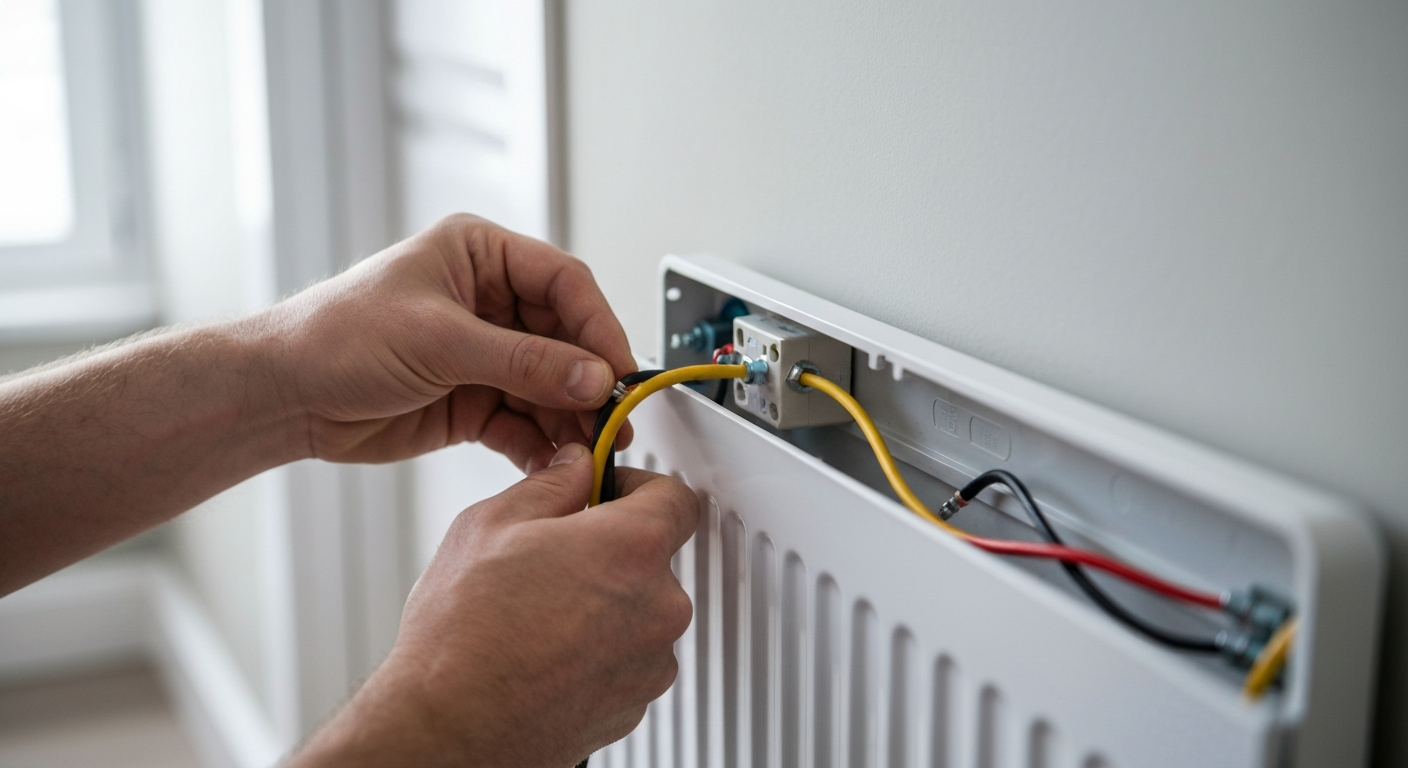
Installing electric baseboard heaters is simple. They mount along the base of a wall. An electrician usually connects them to the home’s electrical system. No ductwork or vents are needed. This makes installation fast and less disruptive.
Energy Efficiency
These heaters convert almost all electricity into heat. This means no energy is wasted. They work best in small spaces or rooms used sometimes. For larger areas, they may use more power. Using a thermostat helps save energy.
Maintenance Needs
Electric baseboard heaters need little maintenance. Dusting the fins keeps them clean and efficient. Avoid blocking the heater to ensure good airflow. No filters or fluids require changing, making upkeep easy.
Cost Factors
Electric baseboard heaters are affordable to buy and install. Operating costs depend on electricity prices and usage time. They may cost more to run than some heating types. Still, their low upfront price suits many budgets.
Credit: king-electric.com
Oil Filled Radiators
Oil filled radiators are popular heating devices for homes and offices. They use oil to store heat and release it slowly. This makes them warm and cozy for long periods. They are quiet and do not blow air, which helps keep dust away. These heaters are safe and easy to use.
Their design looks like a metal box with fins filled with oil. The oil heats up inside and spreads warmth around the room. Many people choose oil filled radiators for small to medium spaces. They work well in places where steady heat is needed.
Operating Mechanism
Oil filled radiators heat oil inside sealed columns. An electric element warms the oil. The hot oil moves through the metal fins. Heat transfers from the metal to the air. This process takes time but keeps heat longer. The heater stays warm even after power is off.
Setup And Portability
These radiators need no special installation. Just plug into a wall socket and switch on. Most models have wheels or handles. This makes moving easy from room to room. They are compact and fit well in small spaces. No need for pipes or vents.
Energy Consumption
Oil filled radiators use electricity to heat oil. They consume moderate energy compared to other heaters. They keep warmth longer, so they cycle on and off. This saves power over time. Using a thermostat can control energy use better.
Durability And Upkeep
These heaters last many years with little care. The oil inside never needs replacing. Metal fins resist rust and damage well. Clean the surface regularly to avoid dust build-up. No filters or special maintenance required.
Pricing Overview
Oil filled radiators cost more than basic electric heaters. Prices vary based on size and features. Investing in a good model pays off with long use. Consider energy savings and durability when buying. Many affordable options fit most budgets.
Heating Performance
Heating performance is the key factor when choosing between electric baseboard heaters and oil-filled radiators. It affects how comfortable your room feels and how quickly it warms up. Understanding different aspects of heating helps you pick the right heater for your needs.
Heat Distribution
Electric baseboard heaters spread heat along the wall. Warm air rises from the base, warming the room from the bottom up. Oil-filled radiators use convection and radiation. They heat the air and objects around them, creating a steady warmth.
Warm-up Time
Baseboard heaters warm up quickly. They start heating the air soon after turning on. Oil-filled radiators take longer to heat. The oil inside needs time to warm before the heater feels hot. This delay gives a slower start but steady heat later.
Room Coverage
Electric baseboards work best in smaller or medium rooms. Their heat is direct and focused. Oil-filled radiators can cover larger areas. They release heat evenly and keep the room warm longer, even after switching off.
Temperature Control
Most baseboard heaters have built-in thermostats. They keep the room at a set temperature. Oil-filled radiators also offer precise control. Some models include digital thermostats for easy adjustments. Both types maintain comfortable warmth without much effort.
Credit: expertce.com
Safety Considerations
Safety is a top priority when choosing heating devices for your home. Both electric baseboard heaters and oil filled radiators have safety factors to consider. Understanding these helps prevent accidents and keeps your family safe.
Risk Of Burns
Electric baseboard heaters get very hot on the surface. Touching them can cause burns quickly. Oil filled radiators warm up but their surface stays cooler. This lowers the chance of burns, especially for kids and adults.
Fire Hazards
Electric baseboard heaters can be a fire risk if flammable items are too close. Clothes or curtains near the heater may catch fire. Oil filled radiators have less risk because they do not have exposed heating elements. Still, keep both heaters away from anything that can burn.
Child And Pet Safety
Children and pets often touch heaters out of curiosity. Electric baseboard heaters can cause serious burns because of their hot surfaces. Oil filled radiators are safer since they do not get very hot to the touch. Always supervise children and pets around any heating device.
Automatic Shutoff Features
Many modern heaters include automatic shutoff features. These turn the heater off if it tips over or overheats. This feature helps prevent fires and accidents. Check if your heater has this safety feature before buying it.
Environmental Impact
The environmental impact of heating systems matters more than ever. Choosing between electric baseboard heaters and oil-filled radiators affects energy use and carbon emissions. Understanding these effects helps you pick a greener option. This section breaks down key points about their environmental footprint.
Energy Sources
Electric baseboard heaters use electricity directly. The source of that electricity varies. It may come from coal, natural gas, nuclear, or renewables. Oil-filled radiators also run on electricity, but they store heat in oil. The oil itself does not burn. The difference lies in how the heat is delivered. The environmental impact depends mostly on the electricity source. Cleaner grids mean lower impact for both heaters.
Carbon Footprint
Both heaters produce no emissions at home. The carbon footprint is linked to electricity production. Coal-based electricity means higher emissions. Renewable energy means almost zero emissions. Oil-filled radiators keep rooms warm longer with less power. This may lower overall electricity use. Baseboard heaters heat faster but can use more electricity over time. Efficiency affects the total carbon footprint.
Sustainability Aspects
Electric baseboard heaters have simple designs and last long. They require less maintenance and have fewer parts. Oil-filled radiators contain mineral oil, which is safe and recyclable. Their slow heat release saves energy in some cases. Both heaters rely on electricity, so grid sustainability is vital. Using renewable energy improves their green profile. Choosing energy-efficient models reduces waste and power use.

Credit: www.amazon.com
User Experience
User experience plays a big role in choosing between electric baseboard heaters and oil-filled radiators. Comfort, convenience, and satisfaction matter most to users. This section breaks down key factors that affect daily use of these heaters.
Noise Levels
Electric baseboard heaters usually operate quietly. They produce little to no sound during use. Oil-filled radiators are also known for quiet performance. Some models may make gentle clicking sounds when heating or cooling. Overall, both options are good for noise-sensitive spaces.
Ease Of Use
Electric baseboard heaters are simple to use. Most models have easy-to-control thermostats. Installation might need professional help. Oil-filled radiators offer portable heating. They often come with wheels and handles. Users can move them from room to room. Controls are usually straightforward, with knobs or digital panels.
Aesthetic Appeal
Electric baseboard heaters blend into walls, often low profile. They fit well in rooms with modern or traditional decor. Oil-filled radiators have bulkier designs. Their appearance can seem old-fashioned. Some newer models have sleeker shapes and colors. Style preference depends on individual taste and room design.
Customer Feedback
Users appreciate electric baseboard heaters for steady warmth and low noise. Some mention higher electricity costs over time. Oil-filled radiator users value portability and even heat. A few report slower warm-up times. Both types receive positive reviews for safety and reliability.
Cost Comparison
Cost plays a big role in choosing between an electric baseboard heater and an oil filled radiator. Understanding the costs helps you pick the best option for your budget. This section breaks down the costs into three parts: initial investment, operating expenses, and long-term savings.
Initial Investment
Electric baseboard heaters usually cost less upfront. They are simple to buy and install. Oil filled radiators cost more at first. They come with thicker walls and oil inside. Installation is easier for oil radiators since you just plug them in. Baseboard heaters might need wiring work, raising initial expenses.
Operating Expenses
Electric baseboard heaters use electricity directly to warm up. They work fast but can use more power. Oil filled radiators heat oil inside, which keeps warmth longer. This means they cycle on and off less. Oil radiators can save energy during use. Still, electric costs depend on local rates and heater settings.
Long-term Savings
Oil filled radiators often save money over time. Their steady heat reduces energy waste. Baseboard heaters may cost more if used for many hours daily. Maintenance costs are low for both types. Choosing energy-efficient models helps lower bills. Consider how long you plan to use the heater to judge savings.
Choosing The Right Heater
Choosing the right heater for your home is important. It affects comfort, energy use, and costs. Both electric baseboard heaters and oil-filled radiators have benefits. Knowing your needs helps pick the best one.
Consider the size of the room, how much heat you need, your budget, and your lifestyle. These factors guide you to the right choice. Let’s explore each factor in detail.
Room Size Considerations
Small rooms need less powerful heaters. Electric baseboard heaters work well in small to medium rooms. Oil-filled radiators suit larger spaces. They spread heat slowly but keep it longer. Measure your room before buying a heater.
Heating Needs
Think about how warm you want the room. Baseboard heaters heat up quickly. Good for short, fast warmth. Oil-filled radiators provide steady heat over time. Ideal for constant warmth during cold days. Choose based on how often you use the heater.
Budget Constraints
Electric baseboard heaters usually cost less upfront. They might use more electricity over time. Oil-filled radiators cost more at first. They use energy efficiently and save money later. Balance initial price and long-term costs carefully.
Lifestyle Factors
Consider how you live and use your space. Baseboard heaters are quiet and low maintenance. Oil-filled radiators are portable and safe for children. Some models have timers and thermostats. Choose a heater that fits your daily routine.
Frequently Asked Questions
What Is The Main Difference Between Baseboard Heaters And Oil Radiators?
Baseboard heaters warm the air directly using electric coils. Oil radiators heat oil inside, which then warms the room slowly.
Which Heater Is More Energy-efficient For Home Use?
Oil-filled radiators keep heat longer, using less electricity over time. Baseboard heaters heat quickly but may use more energy.
Are Oil-filled Radiators Safer Than Electric Baseboard Heaters?
Oil radiators stay warm longer but have cooler surfaces. Baseboard heaters can get very hot, posing a burn risk.
How Quickly Do Baseboard Heaters And Oil Radiators Warm A Room?
Baseboard heaters heat rooms faster by blowing warm air. Oil radiators take longer but keep heat steady after turning off.
Which Heater Is Better For Small Or Large Rooms?
Baseboard heaters work well in small rooms due to quick heat. Oil radiators are good for larger rooms with slow, steady warmth.
Can Oil-filled Radiators Operate During Power Outages?
No, both heaters need electricity to work. Neither baseboard heaters nor oil radiators function without power.
Conclusion
Choosing between electric baseboard heaters and oil-filled radiators depends on your needs. Baseboard heaters heat rooms quickly and are easy to install. Oil-filled radiators keep warmth longer and work silently. Consider room size, budget, and energy use before deciding. Both options offer safe, efficient heating for your home.
Think about what fits your lifestyle best. This guide helps you make a smart choice. Stay warm and comfortable all winter long.