
Are you trying to decide between a stunning hydronic electric baseboard heater and a standard model for your home? Choosing the right heater can make a big difference in your comfort and energy bills.
You want warmth that feels natural, works efficiently, and fits your lifestyle. You’ll discover the key differences between hydronic and standard electric baseboard heaters. By the end, you’ll know which option is best for your space—and why it matters more than you might think.
Keep reading to find the perfect heater that keeps your home cozy all winter long.
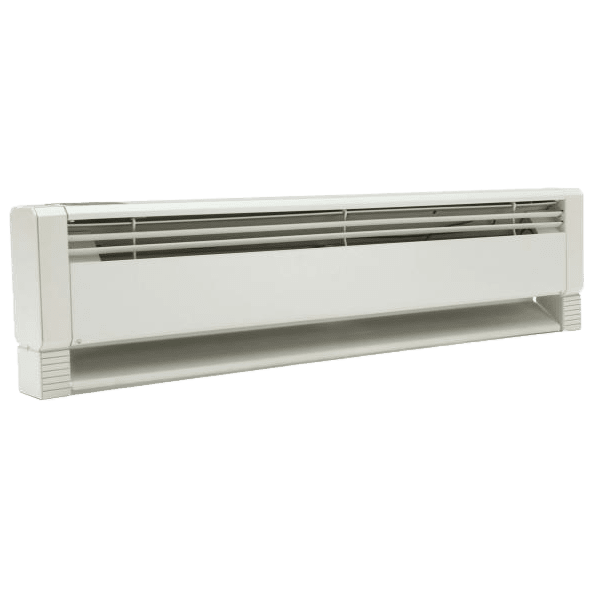
Credit: www.sylvane.com
Electric Baseboard Heaters Basics
Electric baseboard heaters are a popular choice for home heating. They provide steady warmth by using electricity. These heaters fit along the base of walls. They are easy to install and operate quietly. Many people use them for extra heat in rooms or small spaces. Understanding how they work helps in choosing the right type for your needs.
How They Work
Electric baseboard heaters use electric resistance to create heat. Inside the unit, a metal coil heats up when electricity passes through it. The heat moves to metal fins around the coil. These fins spread warmth evenly into the room. Warm air rises from the heater, creating a natural flow. No fans are needed, so these heaters run quietly. Thermostats often control the temperature automatically.
Common Uses
These heaters are common in homes, apartments, and offices. They work well in rooms without central heating. Bedrooms, living rooms, and basements often use baseboard heaters. They add warmth where needed without large systems. Some people use them as the main heat source. Others use them to supplement existing heating. They are ideal for zones that require different temperatures.
:max_bytes(150000):strip_icc()/convection-vs-hydronic-electric-baseboard-heaters-1821911_FINAL-ab6a04e928824ed597b49c0fd2f92286.jpg)
Credit: www.przewozcm.eu
Hydronic Baseboard Heaters
Hydronic baseboard heaters offer a gentle and consistent heat source. They use hot water to warm rooms quietly and evenly. These heaters create a cozy atmosphere without blowing air or dust.
Many homeowners prefer hydronic heaters for their comfort and energy use. Understanding how they work and their benefits helps make the right choice for heating.
Heating Mechanism
Hydronic baseboard heaters warm water in a boiler. The hot water travels through pipes inside the heater. Heat transfers from the water to the metal fins. These fins then warm the air in the room slowly. This method provides steady and gentle heat without hot spots.
Energy Efficiency
Hydronic heaters use less energy than standard electric models. Water retains heat longer, reducing the need for constant heating. This lowers electricity bills and saves energy. The system can also work with energy-efficient boilers for better savings.
Installation Process
Installing hydronic heaters requires connecting to a boiler system. Pipes must be run along walls to each heater. This process takes more time than plugging in electric units. Proper installation ensures even heat and system safety.
Maintenance Needs
Hydronic heaters need regular boiler checks for best performance. Pipes and valves should be inspected for leaks or damage. Flushing the system occasionally removes buildup inside pipes. Proper care keeps the heater working efficiently for years.
Standard Electric Baseboard Heaters
Standard electric baseboard heaters are a popular choice for many homes. They provide direct heat through simple and reliable technology. These heaters are easy to use and fit well in different rooms. Their design makes them a common option for supplemental heating or primary warmth in smaller spaces.
Heating Technology
Standard electric baseboard heaters use electric resistance coils. The coils heat up when electricity passes through them. A metal element then warms the air around it. Heat rises naturally, warming the room from floor to ceiling. This process creates a quiet and steady heat flow.
Energy Consumption
Electric baseboard heaters use electricity directly for heat. They convert nearly all electricity into heat energy. The energy cost depends on local electricity rates and heater size. These heaters work best in rooms where you need quick, direct heat. They can be less efficient than other heating systems for whole-house use.
Installation Steps
Installation requires mounting the heater on a wall near the floor. The unit needs a dedicated electrical circuit for safety. Wiring must meet local electrical codes and standards. A professional electrician should perform the installation. The process is usually quicker and less complex than other heating systems.
Upkeep Requirements
Standard electric baseboard heaters need minimal maintenance. Keep the unit clean by dusting regularly. Avoid blocking the heater with furniture or curtains. Check wiring and connections for any damage yearly. Proper upkeep ensures safe and efficient operation over time.
Performance Comparison
Comparing the performance of hydronic and standard electric baseboard heaters helps you choose the best option. Both types warm a room but do so differently. Understanding their heat spread, speed, and sound can guide your decision.
Heat Distribution
Hydronic heaters use hot water to warm the room. This method gives a steady and even heat flow. Standard electric heaters use metal fins that heat up quickly but can create hot spots. Hydronic systems keep the temperature balanced and comfortable for longer periods.
Response Time
Standard electric heaters warm up fast. They start heating the room within minutes. Hydronic heaters take longer because they need time to heat the water inside. This delay means hydronic heaters are slower to change room temperature but keep heat longer once warm.
Noise Levels
Hydronic heaters work quietly. The water moves silently inside the pipes. Standard electric heaters can make a soft buzzing or clicking sound. This noise comes from the metal expanding or the fan inside. For silent operation, hydronic models are a better choice.
Cost Factors
Cost plays a big role in choosing between hydronic and standard electric baseboard heaters. Understanding different cost factors helps make a smart choice. These factors include the initial price, operating costs, and savings over time. Each type has unique costs that affect the overall value.
Initial Purchase Price
Standard electric baseboard heaters usually cost less upfront. They are simple to buy and install. Hydronic baseboard heaters often have higher initial prices. They need extra parts like a boiler and pipes. Installation for hydronic systems can be more complex and costly. The upfront expense is important but not the only cost to consider.
Operating Expenses
Standard electric heaters use electricity directly. This can lead to higher monthly energy bills. Hydronic heaters use hot water for heat. They often run more efficiently, saving on energy costs. However, hydronic systems need maintenance for boilers. Energy prices and system upkeep both impact operating costs.
Long-term Savings
Hydronic systems may save money over many years. Their efficiency reduces energy waste. This lowers bills and pays back the higher initial cost. Standard electric heaters have lower start costs but can cost more to run. Think about how long you will use the heater. Long-term savings help decide the best choice for your home and budget.

Credit: www.sylvane.com
Environmental Impact
Understanding the environmental impact of electric baseboard heaters helps you choose the best option. Both hydronic and standard heaters use electricity but differ in how they consume energy and affect the planet.
These differences influence energy use, emissions, and overall carbon footprint. Let’s explore the key factors behind their environmental impact.
Energy Source Considerations
Electric baseboard heaters run on electricity from the grid. The environmental effect depends on how this electricity is made. Hydronic heaters use water to move heat, which can be more efficient. This means they may use less electricity over time.
Standard heaters warm air directly, which can use more power. If your electricity comes from renewable sources, both types have a lower impact. If it comes from fossil fuels, the impact is higher.
Carbon Footprint
Carbon footprint measures how much carbon dioxide is released. Hydronic heaters often have a smaller footprint. They keep heat longer and need less electricity. Standard heaters turn on and off more often, using more energy.
Less energy use means fewer emissions. Choosing a hydronic heater can help reduce your home’s carbon footprint. It supports a cleaner and greener environment over time.
Which One Suits Your Needs
Choosing between a hydronic and a standard electric baseboard heater depends on your specific needs. Each type offers unique benefits that suit different situations. Understanding your home and preferences helps make the right choice. Consider factors like the size of your home, climate, and budget.
Home Size And Layout
Hydronic heaters work well in larger homes with open spaces. They provide steady, even heat throughout the room. Standard electric heaters are better for smaller rooms or compact layouts. They heat quickly but may not spread warmth evenly. Think about the number of rooms and how open your spaces are before deciding.
Climate Conditions
Hydronic heaters perform better in colder climates. They maintain warmth longer and keep rooms cozy. Standard electric heaters suit milder climates or areas with brief cold spells. They offer quick heat but cool down fast. Choose based on how cold your area gets and how often you need heating.
Budget Constraints
Standard electric heaters usually cost less upfront and are easier to install. Hydronic systems have a higher initial cost but use energy more efficiently over time. Consider your budget for installation and long-term energy bills. A smart choice balances initial price with future savings.
Installation Tips
Installing an electric baseboard heater needs care and planning. Good installation helps the heater work well and last long. This section shares simple tips for installing both hydronic and standard heaters. It covers choosing between DIY or hiring a pro, and advice on where to place your heater.
Diy Vs Professional
Installing a baseboard heater yourself can save money. But it needs basic electrical knowledge and tools. Mistakes can cause safety risks or damage. A professional electrician ensures safe, correct installation. They follow local rules and codes. Pros can also help pick the right heater size. Choose what fits your skill and budget.
Placement Advice
Place the heater under windows or along cold walls. This helps block cold air and spread heat evenly. Avoid placing heaters behind furniture or curtains. Keep space clear for good airflow. Do not install near water sources or flammable materials. Measure room size to pick the right heater length. Proper placement improves comfort and energy use.
Troubleshooting Common Issues
Troubleshooting common issues with electric baseboard heaters helps keep your home warm. Both hydronic and standard models can face similar problems. Knowing how to identify and fix these issues saves time and money. Below are common problems and simple solutions.
Heating Problems
Sometimes, the heater does not warm the room properly. Check if the thermostat is set correctly. Dust or dirt on the heater can block heat. Clean the heater fins gently with a brush. Cold spots may mean air trapped in hydronic heaters. Bleed the system to remove air pockets. For standard heaters, broken heating elements cause no heat. Replace damaged elements to restore warmth.
Electrical Concerns
Electric baseboard heaters use electricity, so safety is key. If the heater does not turn on, check the circuit breaker. A tripped breaker stops power flow. Loose wiring or connections can cause flickering or no heat. Turn off power before inspecting wires. Faulty thermostats may send wrong signals. Replace the thermostat if it is not working. Regular checks keep electrical parts safe and efficient.
Frequently Asked Questions
What Is An Electric Baseboard Heater?
An electric baseboard heater uses electricity to heat a room. It warms air by passing it over hot metal fins. These heaters are often placed along the base of walls.
How Does A Hydronic Baseboard Heater Work?
Hydronic heaters use hot water to produce heat. Water is heated in a boiler and flows through pipes in the heater. This method provides gentle and steady warmth.
What Are The Benefits Of Hydronic Over Standard Heaters?
Hydronic heaters offer quieter and more even heat. They are often more energy-efficient and last longer. The warmth feels softer and more natural.
Are Standard Electric Baseboard Heaters Cheaper To Install?
Standard electric heaters usually cost less upfront. They are simple to install and need no extra plumbing. This makes them a quick heating solution.
Which Heater Type Is Better For Large Rooms?
Hydronic heaters suit larger spaces better. They provide consistent heat without hot or cold spots. Standard heaters may struggle to warm big rooms evenly.
Can Electric Baseboard Heaters Save Energy?
Electric baseboard heaters can save energy with a thermostat. Turning them off when not needed reduces power use. Hydronic models often use less energy overall.
Conclusion
Choosing between hydronic and standard electric baseboard heaters depends on your needs. Hydronic heaters warm rooms gently and keep heat longer. Standard electric heaters heat quickly but cool down fast. Both have pros and cons to consider. Think about your budget, comfort, and energy use.
This helps you pick the right heater for your home. Understanding these options makes your choice easier and smarter. The right heater can keep you warm and save money. Simple and clear decisions work best for every home.