
Have you ever wondered if heaters work the same way as your hair dryer? You might be surprised to learn how much these two everyday devices share in common—and how they differ too.
Understanding this can help you choose the right heater for your space, save energy, and stay safe. Keep reading to discover the secrets behind heaters and hair dryers, and find out if one could really be like the other when it comes to warming you up.
Credit: www.rawlinswy.gov
Hair Dryer Heat Basics
Hair dryers use heat to dry and style hair quickly. The heat helps water evaporate faster. It also shapes hair by softening it. Understanding how hair dryers generate heat is key to knowing their power and safety.
Let’s explore how they work and what makes their heat output effective and safe.
How Hair Dryers Generate Heat
Hair dryers use a small electric heating coil. This coil heats up when electricity passes through it. The coil is usually made from metal like nichrome. It gets very hot but does not burn out quickly.
A fan pushes air over the coil. The air picks up heat and blows out of the dryer. This warm air dries hair by evaporating water.
Heat Output And Airflow
Heat output depends on the coil’s temperature and fan speed. High heat dries hair faster but can cause damage. Low heat is safer but slower. Airflow affects how heat moves over hair.
Strong airflow spreads heat evenly. It avoids hot spots that can burn hair or skin. Hair dryers often have settings to control heat and air speed.
Safety Features In Hair Dryers
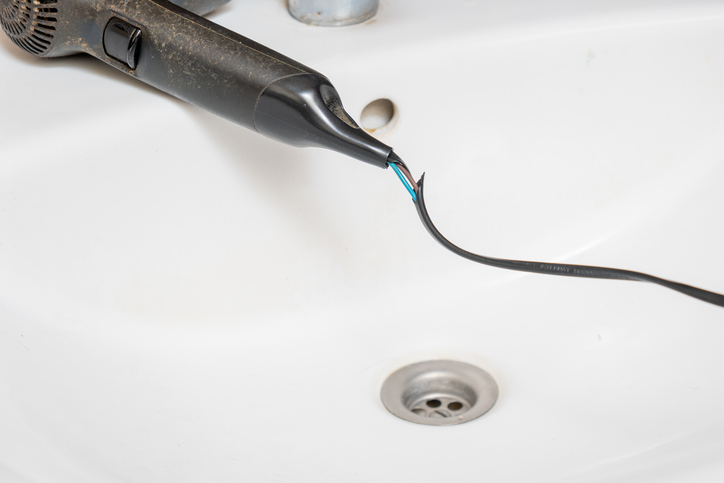
Hair dryers include safety parts to prevent accidents. A thermal cut-off stops heating if it gets too hot. This prevents fires or burns. Many have insulated handles to protect users from shock.
Some models use cool shot buttons. This gives a blast of cool air to set styles and reduce heat damage. Safety features keep hair dryers safe and easy to use every day.
Credit: www.bullocklegalgroup.com
Compact Heater Designs
Compact heater designs offer warmth without taking much space. These heaters are small, portable, and easy to move. They fit well in tight rooms, desks, or small apartments. Their size makes them perfect for quick heating needs. Many models resemble the size and shape of a hair dryer.
Small heaters bring comfort to places where large heaters cannot fit. They also use less power and heat up fast. Choosing the right compact heater depends on the type, heating method, and energy use.
Types Of Small Space Heaters
There are several types of small space heaters. Ceramic heaters use ceramic plates to create heat. They warm up quickly and cool down fast. Oil-filled heaters trap heat in oil and release it slowly. Fan heaters blow warm air into the room. Infrared heaters use light to warm objects directly. Each type suits different needs and spaces.
Heating Technology In Compact Heaters
Compact heaters use different technologies to create heat. Ceramic technology warms up metal plates with electricity. Fan heaters push warm air out quickly. Infrared heaters send heat straight to people and objects. Oil heaters keep rooms warm for longer time. The choice of technology affects heater size and warmth speed.
Energy Efficiency Considerations
Energy efficiency is key in small heaters. Efficient heaters use less electricity to produce heat. Ceramic heaters often save power by heating only when needed. Oil-filled heaters keep warmth longer, reducing power use. Choosing a heater with a thermostat helps control energy use. Energy-efficient heaters lower bills and reduce waste.
Comparing Hair Dryers And Heaters
Comparing hair dryers and heaters reveals clear differences in design and purpose. Both devices produce heat but serve unique functions. Understanding these differences helps users choose the right tool for their needs.
Heat Production Differences
Hair dryers create high heat quickly to dry hair fast. They use powerful heating elements combined with strong airflow. Heaters produce steady, lower heat to warm a room over time. Their heating elements are larger and designed for longer use. Hair dryers focus on short bursts of heat. Heaters aim for consistent warmth without overheating.
Air Circulation And Distribution
Hair dryers blow air in a focused stream. This helps direct heat exactly where needed on hair. The airflow is fast and concentrated. Heaters spread warm air more evenly throughout a space. They use fans or convection to circulate heat gently. The goal is a balanced, comfortable environment. Hair dryers move air quickly; heaters move it slowly and widely.
Durability And Usage Intent
Hair dryers are built for short, frequent use. They must withstand heat and fast motor speeds. Their design supports handheld use and portability. Heaters are made for long, continuous operation. They have safety features to prevent overheating. Their structure is stable for stationary placement. Hair dryers focus on convenience. Heaters emphasize safety and endurance.

Credit: www.amazon.com
Challenges In Combining Both
Combining a heater and a hair dryer into one device sounds useful. Both use heat and blow air, but merging them brings many challenges. These challenges affect safety, power use, and design. Each area needs careful thought to make a good, safe product.
Safety Concerns With High Heat
Heaters need very high temperatures to warm rooms. Hair dryers use heat too, but less intense and shorter bursts. Mixing these high heat levels risks burns and fires. Protecting users from hot parts is hard. Overheating can damage the device or cause accidents.
Power Consumption Limits
Heaters use a lot of electricity. Hair dryers also draw strong power quickly. Combining both can overload home circuits. It can raise energy bills fast. Designing a device that runs both without wasting power is difficult. Energy limits restrict how powerful the device can be.
Design Constraints
Heaters and hair dryers have different shapes and parts. A heater needs big heating elements and space for air flow. Hair dryers are small and handheld. Fitting both features in one device is tricky. The device must be light and easy to hold. It also needs controls for different heat levels.
Innovations In Portable Heating
Portable heating devices have come a long way. They are now smaller, smarter, and more efficient. These innovations make staying warm easy anywhere. Whether at home, office, or outdoors, portable heaters offer quick comfort.
Advances In Mini Heater Technology
Mini heaters now use new materials that heat up fast. They consume less energy, saving on power bills. Compact designs allow easy carrying in bags or pockets. Safety improvements reduce risks of burns or fires. Many models include quiet operation for peaceful use.
Smart Features And Controls
Modern heaters include smart controls for better comfort. Some connect to phones for remote operation. Temperature sensors adjust heat automatically. Timers help save energy by turning off heaters when not needed. Touch controls make settings simple and clear.
Future Trends In Compact Heat Devices
Future heaters will be even smaller and lighter. Expect better battery life for cordless use. Integration with smart home systems will grow. New heating methods may offer faster warmth with less power. Eco-friendly materials will become standard in designs.
Practical Uses For Compact Heaters
Compact heaters offer warmth in small, easy-to-handle forms. They are designed for quick heat and simple use. Many models are light, portable, and use little power. These heaters fit well in many daily situations. Their size makes them useful beyond just home heating.
Personal Space Heating
Compact heaters are perfect for personal spaces. They heat desks, small rooms, or office cubicles fast. You can move them close to stay warm. They save energy by heating only the needed area. This keeps you comfortable without heating the whole house.
Travel And Outdoor Options
Small heaters are great for travel. They fit easily in bags and suitcases. Some models run on batteries or USB power. These options work well for camping or outdoor events. They provide warmth in chilly places without heavy gear.
Emergency Heat Sources
Compact heaters serve as backup heat during power outages. Battery-powered ones keep you warm when electricity fails. They are easy to store and ready for use anytime. These heaters help in emergencies without large equipment.
Frequently Asked Questions
Do Heaters Work Like Hair Dryers To Warm A Room?
Heaters and hair dryers both create heat but serve different purposes. Heaters warm larger spaces, while hair dryers target small areas like hair.
Can A Heater Be As Portable As A Hair Dryer?
Some heaters are designed to be portable and lightweight. They can be moved easily but are usually bigger than hair dryers.
What Heating Technology Is Similar To Hair Dryers?
Both use electric heating elements to produce heat. Hair dryers often use ceramic or metal coils, similar to some space heaters.
Are Heaters Safe To Use Like Hair Dryers?
Heaters have safety features like automatic shut-off and tip-over protection. Hair dryers also have safety measures but are used for shorter times.
Can Heaters Dry Clothes Like A Hair Dryer?
Heaters can help dry clothes but take longer and need proper ventilation. Hair dryers work faster for small items.
Do Heaters Consume More Power Than Hair Dryers?
Heaters generally use more electricity because they heat larger spaces. Hair dryers use less power but run at high heat briefly.
Conclusion
Heaters and hair dryers share some design ideas but serve different needs. Hair dryers focus on quick, direct heat for hair. Heaters provide steady warmth for rooms or spaces. Both use electric power and fans to move air. Yet, heaters have safety features for long use.
Hair dryers are small and portable. Heaters tend to be larger and heavier. Choosing the right device depends on your goal. Think about how and where you want warmth. Simple tools can work well if used properly.