
Have you ever wondered if solar air heaters can keep your home warm when the sky is gray and cloudy? You might be thinking, “If they rely on the sun, do they even work on dull days?”
This question is important because you want to make sure your investment pays off no matter the weather. You’ll discover how solar air heaters perform under cloudy skies, what factors affect their efficiency, and how you can still enjoy their benefits even when the sun is hiding.
Keep reading to find out if solar air heaters are a reliable option for your heating needs—rain or shine.
How Solar Air Heaters Operate
Solar air heaters capture sunlight and turn it into warm air. They work by absorbing solar energy through special panels. This heat then warms the air that passes through the system. Understanding how these heaters operate helps explain their performance, even on cloudy days.
Basic Working Principle
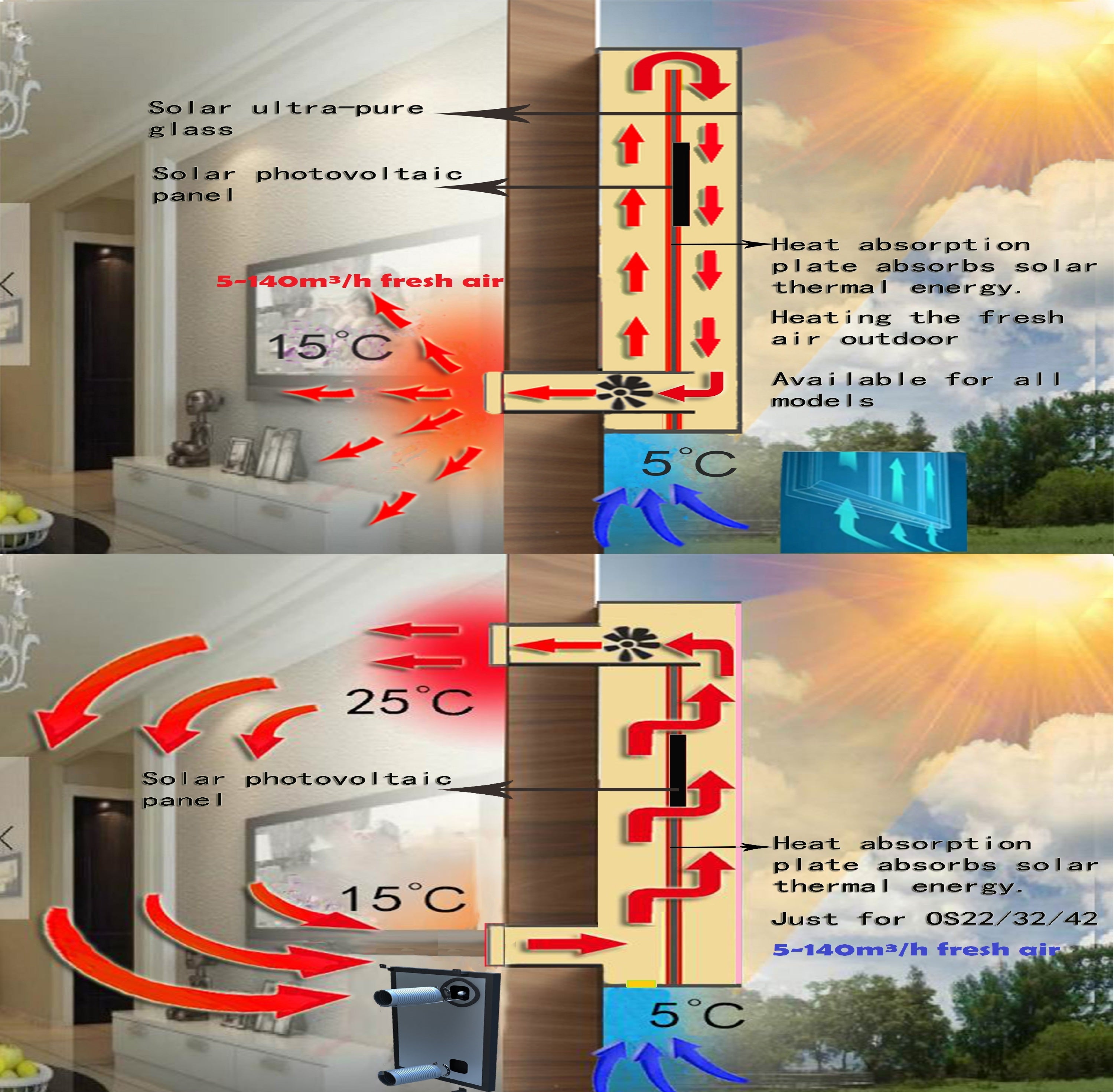
Solar air heaters have dark panels that absorb sunlight. The sun’s rays hit the panel and heat it up. Air flows over or through the panel and picks up this heat. Warm air moves into your home or space. This process uses natural heat without fuel or electricity. Simple and efficient.
Types Of Solar Air Heaters
There are two main types: active and passive. Active heaters use fans to move air. This speeds up heating and air circulation. Passive heaters rely on natural air flow. They use vents and convection to move air. Both types have panels designed to catch sunlight well. Each type fits different needs and spaces.

Credit: www.sciencedirect.com
Impact Of Weather On Performance
Weather plays a big role in how well solar air heaters perform. The amount of sunlight affects the heat these systems can produce. Clouds, rain, and fog reduce the sunlight reaching the panels. This change lowers the heater’s output. Understanding this helps in setting realistic expectations for solar air heaters.
Solar Energy On Cloudy Days
Solar panels still get energy on cloudy days. The sunlight is weaker but not gone. Clouds block some sunlight but not all. Solar air heaters capture this weaker light and convert it to heat. The heat output drops but the system does not stop working. It just works less efficiently than on sunny days.
Effect Of Diffused Light
Diffused light is sunlight scattered by clouds. It spreads evenly in the sky. Solar air heaters can use this scattered light. It reaches the panels from many angles. This helps the heater collect some energy even without direct sun. The heat produced is less strong but still useful for warming air. Diffused light keeps the heater running on cloudy days.
Efficiency During Overcast Conditions
Solar air heaters still work on cloudy days but with less efficiency. Clouds block some sunlight, reducing heat production. Yet, these heaters can capture diffuse solar radiation. This means they absorb scattered light even without direct sun. Their performance drops but does not stop completely. Understanding this helps set realistic expectations about solar air heaters in overcast weather.
Heat Output Variations
Heat output changes as sunlight weakens. On bright days, heaters reach high temperatures quickly. On cloudy days, output falls by about 30% to 50%. Some models perform better due to design and materials. Darker absorber plates capture more heat from weak light. Flow rate also affects heat delivery. Slower air flow allows more warming time inside the heater. Users should expect less warmth but still some heat on overcast days.
Temperature Retention Capabilities
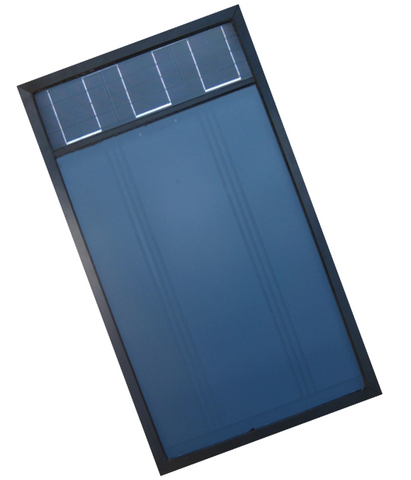
Solar air heaters store some heat in their materials. Insulation slows heat loss after sunlight drops. This helps keep air warmer for longer periods. Efficient insulation is key for cold, cloudy days. Thermal mass in the heater absorbs and holds heat. This means the heater can still release warmth even with low sunlight. Combining good insulation and thermal mass improves performance in clouds.
Credit: reductionrevolution.com.au
Design Features For Cloudy Weather
Solar air heaters need special designs to work well on cloudy days. Clouds block sunlight, so these heaters must capture heat even with less sun. Smart design helps keep air warm and saves energy during dull weather.
Enhanced Absorber Materials
Absorber materials collect sunlight and change it into heat. Some materials work better in low light. They absorb light from the sun and the sky. Dark colors and special coatings help catch more heat. These materials keep heating even when the sun is hidden.
Insulation And Airflow Improvements
Good insulation stops heat from escaping. It keeps warm air inside the heater longer. Insulation also stops cold air from coming in. Airflow design moves air slowly for better warming. It spreads heat evenly through the room. These features help solar air heaters work on cloudy days.
Real-world Performance Data
Real-world performance data gives clear insight into how solar air heaters work on cloudy days. This data comes from actual use and experiments, not just theory. It shows the heater’s ability to collect and convert sunlight into heat under less-than-ideal weather.
Such data helps us understand efficiency, temperature output, and energy savings during cloudy weather. It also highlights the limits and benefits of solar air heaters beyond sunny conditions.
Case Studies
Several case studies report solar air heaters working even with low sunlight. One study in a northern climate showed a 30% heat output on cloudy days. The heater still raised indoor temperature by several degrees.
Another case from a coastal area revealed consistent heat production despite frequent clouds. The system used special glazing to capture diffused sunlight better. This helped maintain warmth during winter months.
These real-life studies confirm that solar air heaters can provide useful heat on cloudy days. Performance varies by design and location but stays functional.
User Experiences
Users share mixed but mostly positive experiences with solar air heaters on cloudy days. Many report noticeable warmth even without direct sun.
Some users say the heaters reduce the need for other heating sources. This helps lower energy bills during overcast weather.
Others mention the system works best with good insulation and airflow. A few users note reduced heat output but still find the system valuable.
User feedback supports that solar air heaters offer real benefits beyond sunny conditions. Their performance depends on installation and weather patterns.
Tips To Maximize Efficiency
Solar air heaters can work on cloudy days, but their efficiency drops. To get the best from your system, follow some simple tips. These help keep heat flowing and save energy.
Optimal Placement
Place your solar air heater where it gets the most light. South-facing walls are usually best. Avoid shadows from trees or buildings. Even on cloudy days, light passes through clouds. A clear path helps the heater catch this light. Tilt the panel to match your roof angle or latitude. This angle catches more sunlight during the day. Proper placement means more heat and better performance.
Maintenance Practices
Keep your solar air heater clean and free from dust. Dirt blocks sunlight and lowers heat output. Clean the glass surface regularly with water and a soft cloth. Check for leaks or cracks in the system. Fix any damage quickly to avoid heat loss. Make sure fans and vents work well for good airflow. Regular maintenance keeps your heater running smoothly and efficiently.
Comparing Solar Air Heaters To Other Heating Options
Comparing solar air heaters to other heating options helps to understand their value. Many people wonder how they perform against electric or gas heaters, especially on cloudy days. It is important to look at costs, performance, and environmental impact. This comparison shows how solar air heaters fit into home heating choices.
Cost Vs. Performance
Solar air heaters cost less to run than electric heaters. They use sunlight, so they have no fuel bills. The initial setup can be higher but saves money over time. Electric and gas heaters work anytime but add to monthly bills. Solar air heaters may produce less heat on cloudy days. Still, they reduce energy costs and lower bills overall. This makes them a smart choice for long-term savings.
Environmental Benefits
Solar air heaters create no pollution or greenhouse gases. They use clean, renewable energy from the sun. Gas and electric heaters often rely on fossil fuels. These fuels release carbon dioxide and harm the environment. Solar systems help reduce your carbon footprint. They support a healthier planet and cleaner air. Even on cloudy days, solar heaters reduce reliance on polluting energy sources.
Credit: nakoair.net
Frequently Asked Questions
Do Solar Air Heaters Work On Cloudy Days?
Solar air heaters still work on cloudy days but less efficiently. They use sunlight, which is weaker when clouds block it. So, they produce some heat, but not as much as on sunny days.
How Much Heat Can Solar Air Heaters Produce Without Direct Sunlight?
They can produce about 30-50% of their normal heat on cloudy days. Diffused sunlight still reaches the panels and generates warmth. This makes them useful even when the sky is overcast.
What Affects Solar Air Heater Performance During Cloudy Weather?
Cloud thickness and daylight hours greatly affect performance. Thicker clouds block more sunlight, reducing heat output. Shorter daylight means less time to collect solar energy.
Can Solar Air Heaters Work At Night Or During Rain?
No, they do not work at night or heavy rain. They need sunlight to heat the air. At night, or in heavy rain, they produce little to no warmth.
How Can I Improve Solar Air Heater Efficiency On Cloudy Days?
Use a well-insulated system to keep heat inside longer. Adding a backup heat source helps on very cloudy days. Position the heater to get maximum sunlight during the day.
Are Solar Air Heaters Cost-effective In Cloudy Regions?
They can still save money but less than in sunny areas. Lower heat output means more reliance on other heating methods. Still, they reduce overall energy use and lower bills.
Conclusion
Solar air heaters still work on cloudy days, just less power. Clouds block some sunlight, but not all of it. These heaters capture heat from the air and sun rays. They help warm your space even when it’s gray outside.
Using them can save energy and lower bills. Keep in mind, performance varies with weather and system design. Choosing a good solar air heater is important for cloudy climates. It’s a smart option for eco-friendly heating all year round.