
Are you wondering if your propane heater needs to be vented? This is an important question that can affect your safety and comfort.
Using a propane heater without proper ventilation might seem convenient, but it can lead to serious risks like carbon monoxide buildup. Understanding when and why venting is necessary will help you keep your space warm and safe. Keep reading to discover everything you need to know about venting propane heaters and how to make the best choice for your home or workspace.
Types Of Propane Heaters
Propane heaters come in different types, each designed for specific uses. Choosing the right type depends on where you plan to use the heater and your ventilation options. Understanding these types helps you stay safe and warm. The main categories include indoor and outdoor models, vent-free heaters, and vented heaters.
Indoor Vs Outdoor Models
Indoor propane heaters are made for use inside homes or buildings. They have safety features to prevent harmful gases from building up. Outdoor models are designed to work in open spaces. They are more powerful and can handle wind and weather. Using an outdoor heater indoors can be dangerous.
Vent-free Heaters
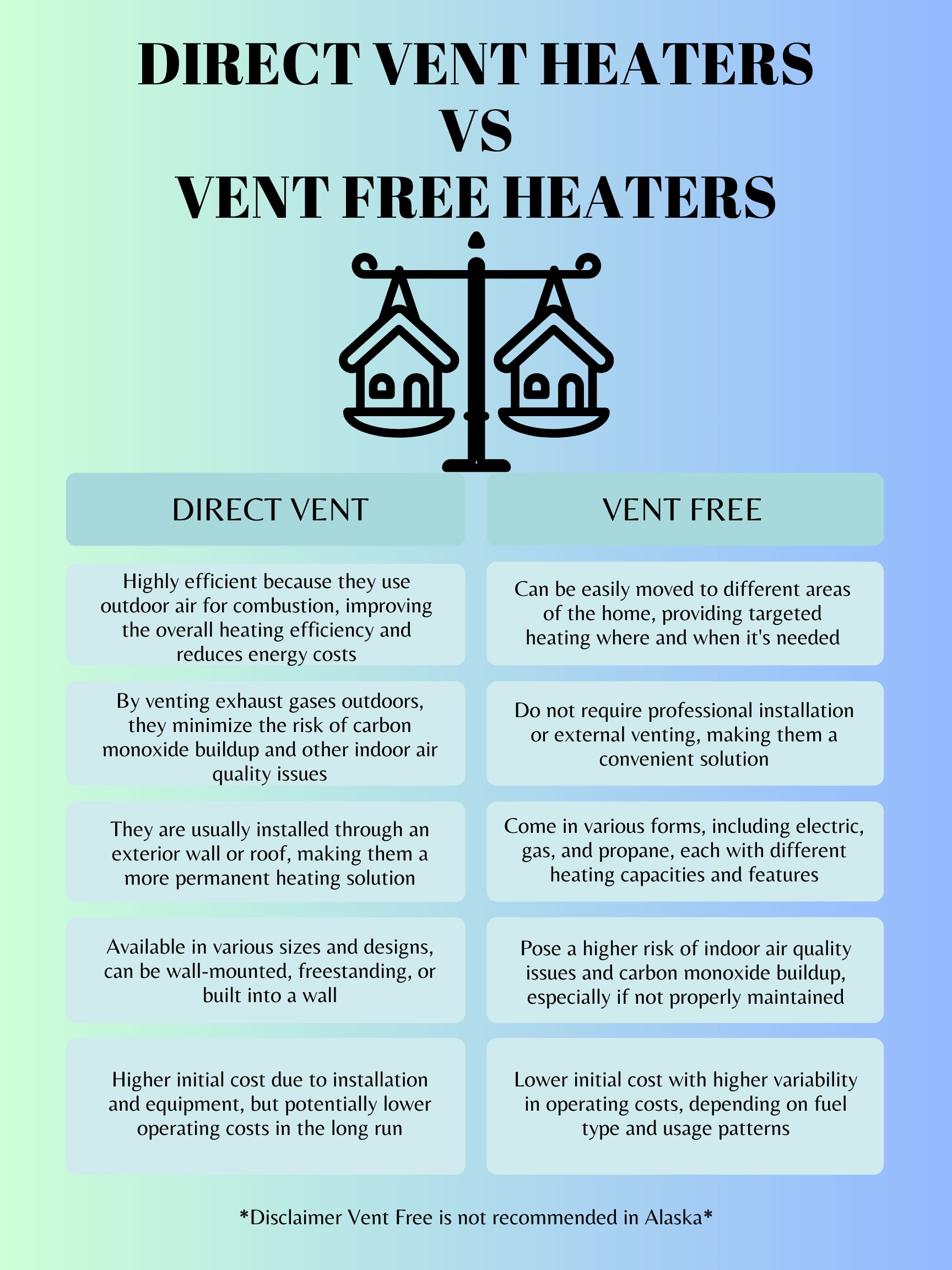
Vent-free propane heaters do not need a vent or chimney. They burn propane very cleanly, releasing only small amounts of carbon monoxide. These heaters are easy to install and cost less. They work best in well-ventilated rooms. Some areas have rules about using vent-free heaters indoors.
Vented Heaters
Vented propane heaters use a pipe or chimney to send gases outside. They are safer for indoor use because they remove harmful fumes. These heaters need professional installation. They are often used in larger spaces or where ventilation is poor. Vented heaters may cost more but provide extra safety.
How Propane Heaters Work
Understanding how propane heaters work helps explain whether they need venting. These heaters use propane gas to create heat. The process involves burning fuel safely and spreading warmth in your space. Let’s explore the key parts of how they work.
Combustion Process
Propane heaters burn propane gas to produce heat. This happens through a chemical reaction called combustion. The propane combines with oxygen in the air. This reaction creates heat and water vapor. It also produces carbon dioxide, which needs to be safely managed. Proper combustion ensures the heater works efficiently and safely.
Heat Distribution
After combustion, the heater spreads the warmth. Some propane heaters use fans to push warm air into the room. Others rely on natural convection, where hot air rises and moves around the space. The goal is to heat the area evenly and quickly. Good heat distribution keeps you comfortable without wasting fuel.
Ventilation Requirements
Proper ventilation is key for propane heaters. It keeps air fresh and safe indoors. Without good airflow, harmful gases can build up. Ventilation needs depend on the heater type and room size. Understanding these needs helps prevent health risks and ensures heater efficiency.
When Venting Is Necessary
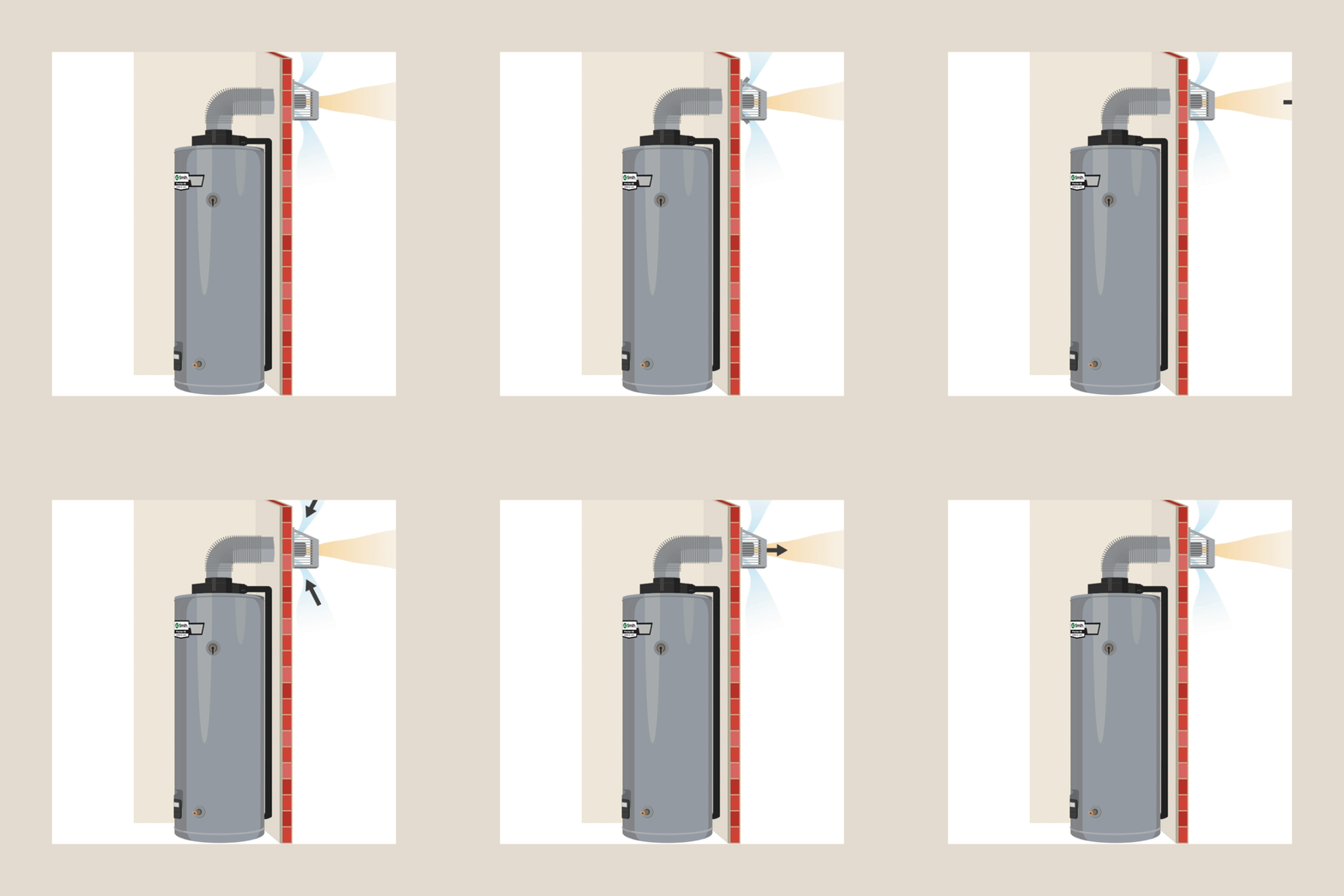
Not all propane heaters need venting. Venting is required for heaters that burn fuel indoors. These heaters release gases like carbon monoxide. Venting sends these gases outside. Portable propane heaters often do not need venting. Built-in or wall-mounted models usually require vents.
Risks Of Improper Venting
Improper venting can cause gas buildup inside. This leads to poor air quality and health problems. Headaches, dizziness, and nausea may occur. In extreme cases, it can cause carbon monoxide poisoning. Proper venting prevents these dangers and ensures fresh air.
Carbon Monoxide Concerns
Carbon monoxide is a silent, deadly gas. It has no smell or color, so it is hard to detect. Propane heaters can produce this gas if not vented properly. Installing carbon monoxide detectors is wise. They alert you to dangerous gas levels early.
Credit: www.hotwater.com
Safety Tips For Using Propane Heaters
Using propane heaters safely is important to protect your home and family. These heaters produce heat quickly but need careful handling to avoid risks. Follow simple safety tips to keep your space warm without danger. Proper use reduces the chance of accidents and health issues.
Proper Placement
Place propane heaters in well-ventilated areas only. Keep them away from curtains, furniture, and flammable materials. Do not use heaters in small, closed rooms without air flow. Keep a clear space around the heater to avoid fire hazards. Always use the heater on a flat, stable surface.
Regular Maintenance
Check your propane heater often for damage or leaks. Clean the heater according to the manufacturer’s instructions. Replace worn parts immediately to keep the heater working safely. Schedule professional inspections each year to ensure proper operation. Proper care helps prevent dangerous malfunctions.
Use Of Carbon Monoxide Detectors
Install carbon monoxide detectors near rooms with propane heaters. These devices alert you if carbon monoxide builds up. Test the detectors monthly to ensure they work well. Replace batteries as needed to keep them active. Detectors provide a vital safety layer in your home.
Common Myths About Venting
Many people have questions about venting propane heaters. Myths about venting can cause confusion. Understanding these myths helps you make safer choices. Let’s clear up some common false ideas about venting propane heaters.
Myth: All Propane Heaters Need Venting
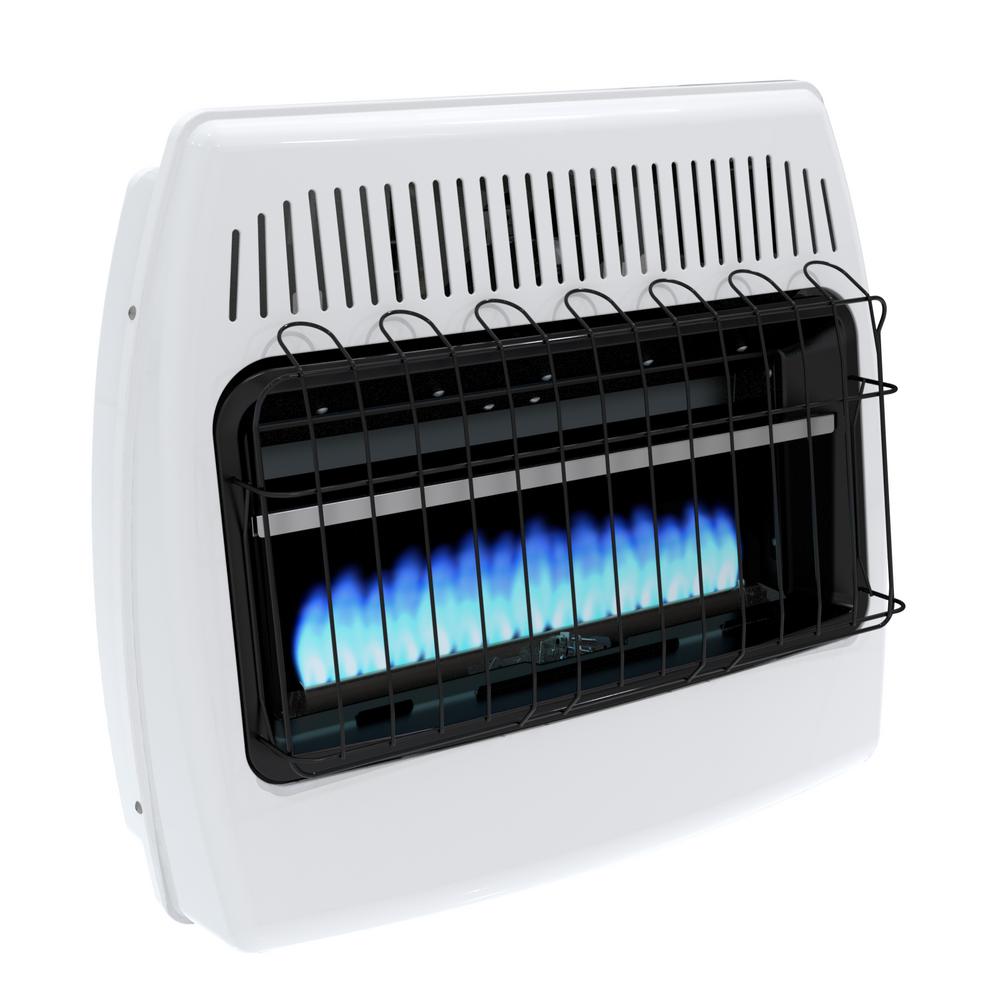
Not all propane heaters need venting. Some heaters are designed to be vent-free. They burn propane cleanly and safely inside the room. These heaters release very little carbon monoxide. They use oxygen from the room and send out water vapor. Properly installed vent-free heaters do not pollute indoor air. Venting is only required for some types of propane heaters.
Myth: Vent-free Heaters Are Unsafe
Many think vent-free heaters are unsafe. This is not true with proper use. Vent-free heaters have safety features. They shut off if oxygen levels drop too low. They produce very low emissions. These heaters must be installed and used according to instructions. This keeps indoor air safe and clean. Vent-free heaters are a safe option in many homes.
Credit: forquerheating.com
Legal And Regulatory Guidelines
Understanding the legal and regulatory guidelines for propane heaters is important. These rules help keep homes safe and prevent accidents. Propane heaters can produce harmful gases, so rules guide proper use and installation. Following these guidelines protects your family and property.
Building Codes
Building codes set rules for installing propane heaters. These codes vary by location but share safety goals. They often require proper ventilation to remove dangerous gases. Some codes demand specific clearances around the heater. Inspectors check these rules during home evaluations. Following building codes helps avoid fines and hazards.
Manufacturer Instructions
Manufacturers provide clear rules for their propane heaters. These instructions include venting requirements and safe distances. They also explain how to install and maintain the heater. Ignoring these guidelines can void warranties or cause unsafe conditions. Always read and follow the manual carefully. This ensures safe and efficient heater operation.
Choosing The Right Propane Heater
Choosing the right propane heater is important for safety and comfort. The heater must fit your space and meet your heating needs. Different heaters work best in different places. Some need venting, others do not. Understanding the options helps you pick the best one.
Assessing Your Space
Measure the area you want to heat. Large spaces need more powerful heaters. Small rooms require smaller units. Check if the space has good ventilation. Some heaters need fresh air to work safely. If your room is closed, pick a heater designed for indoor use without venting.
Safety Features To Look For
Choose heaters with automatic shut-off in case of accidents. Look for oxygen depletion sensors. These stop the heater if oxygen runs low. Tip-over switches turn off the heater if it falls. These features reduce risks and protect your family. Safety matters most with propane heaters.
Credit: www.ruralenergy.com
Frequently Asked Questions
Do Propane Heaters Always Require Ventilation?
Not all propane heaters need venting. Indoor vent-free heaters use special technology to burn cleanly. Still, proper room size and air flow are essential for safety.
What Risks Come From Unvented Propane Heaters?
Unvented heaters can release carbon monoxide and moisture. Poor ventilation may cause headaches or breathing problems. Always ensure good air circulation when using these heaters.
How Does Venting Improve Propane Heater Safety?
Venting removes harmful gases like carbon monoxide outside. It also prevents moisture buildup that can damage walls. Venting creates a safer and healthier indoor environment.
Can I Use A Propane Heater In A Small Room?
Some propane heaters are designed for small spaces. Vent-free models work well if the room is well-ventilated. Check the heater’s guidelines to match room size properly.
Are Vented Propane Heaters More Expensive To Install?
Yes, vented heaters usually cost more due to ductwork needs. Installation requires professional help to ensure safe venting. The higher cost comes with increased safety benefits.
Conclusion
Propane heaters need proper ventilation to stay safe indoors. Venting helps remove harmful gases like carbon monoxide. Without venting, these gases can build up quickly. Always check the heater type before use. Some heaters are designed for outdoor use only.
Others have built-in safety features for indoor use. Proper venting keeps air fresh and breathing safe. Remember, safety comes first with any heating device. Stay warm, but keep your space well-ventilated. This simple step protects you and your family.