
Have you ever noticed a strange smell when you turn on your kerosene heater? You’re not alone.
Many people wonder, “Do kerosene heaters smell? ” And what that smell really means for their home and health. If you want to keep your space warm without any unpleasant odors or worries, this article is made just for you.
Keep reading to discover why kerosene heaters might smell, how to manage it, and what you can do to enjoy cozy warmth safely and comfortably.
How Kerosene Heaters Work
Kerosene heaters provide warmth by burning kerosene fuel. Understanding how they work helps explain why some may produce a smell. The process involves simple parts and a basic chemical reaction.
Basic Operation
A kerosene heater has a fuel tank, wick, and burner. The wick draws kerosene from the tank. When lit, the wick burns the kerosene slowly. This produces heat to warm up the room. Air flows around the heater to spread warmth evenly. The heater needs fresh air for safe use.
Fuel Combustion Process
Kerosene burns through a process called combustion. The fuel combines with oxygen in the air. This creates heat, light, water vapor, and carbon dioxide. If combustion is complete, there is little odor. Poor combustion causes a strong smell. This happens if the wick is dirty or the fuel is low quality. Proper maintenance ensures clean burning and less smell.
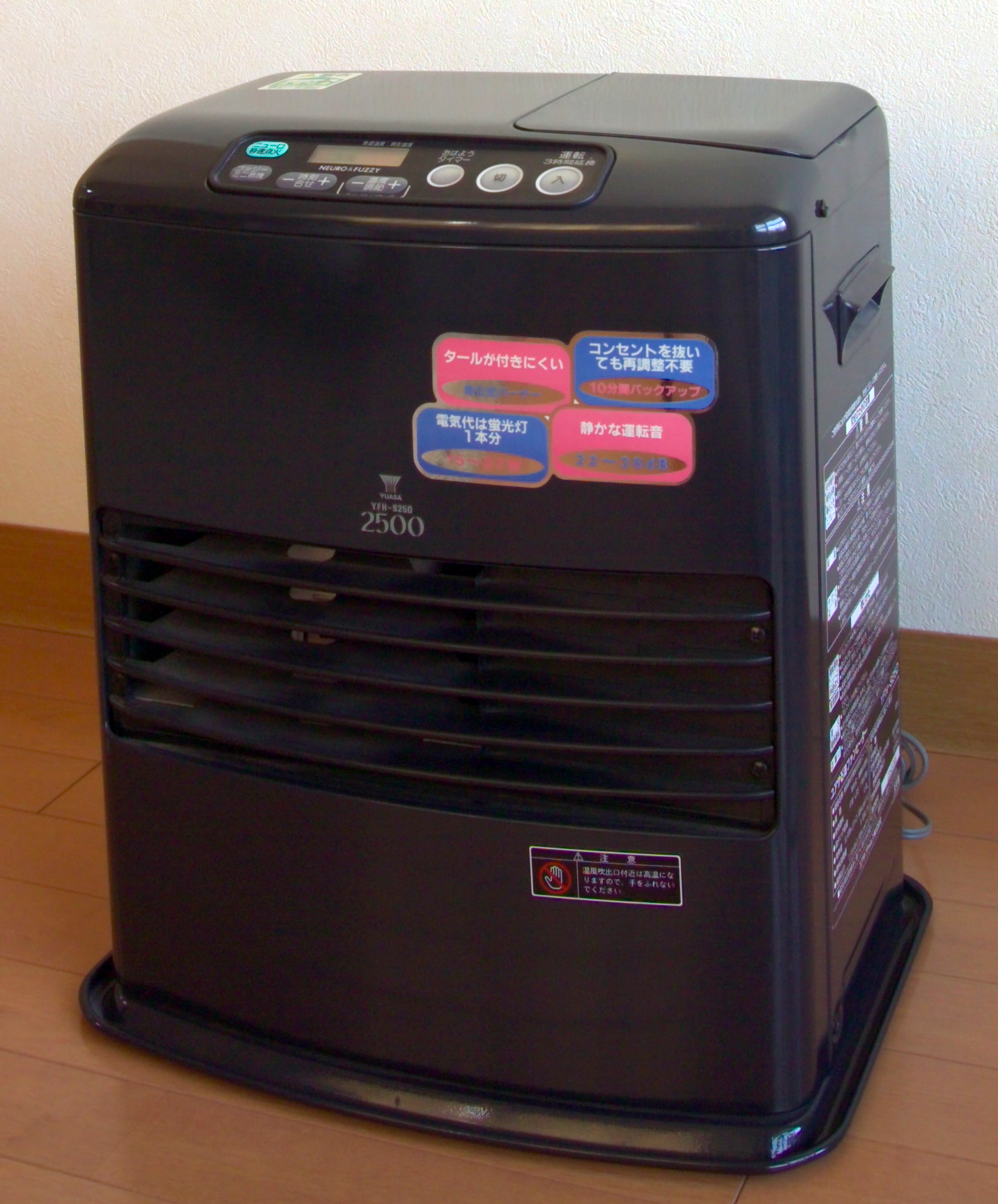
Credit: en.wikipedia.org
Sources Of Odor In Kerosene Heaters
Kerosene heaters can sometimes produce odors. These smells come from different sources. Knowing these sources helps you manage and reduce the smell. It also keeps your heater working well and your space comfortable.
Fresh Fuel Smell
New kerosene has a distinct smell. This scent is stronger when you first fill the tank. It fades after a short time. The smell is normal and does not mean a problem.
Incomplete Combustion
Incomplete combustion happens when fuel does not burn fully. This can cause a strong, unpleasant odor. It also produces soot and smoke. Poor ventilation or low-quality fuel may cause incomplete burning.
Dirty Wick Issues
A dirty wick can cause bad smells. It blocks the flame and causes poor burning. Over time, residue builds up on the wick. Regular cleaning or replacing the wick helps stop the odor.
Factors Affecting Heater Smell
Kerosene heaters can sometimes produce a smell. This smell depends on several factors. Understanding these can help reduce or avoid the odor. Some main factors include the quality of the fuel, room ventilation, and how often the heater is maintained.
Fuel Quality
Fuel quality plays a big role in heater smell. Poor-quality kerosene often contains impurities. These impurities burn unevenly and create a strong odor. Using fresh, clean kerosene reduces the chance of bad smells. Always buy kerosene from a trusted source.
Ventilation
Good ventilation helps control heater smell. When a room is closed, smells can build up quickly. Fresh air dilutes the odor and removes harmful gases. Open windows or use fans to improve airflow. This keeps the air fresh and safe.
Maintenance Frequency
Regular maintenance affects how a heater smells. Dirt and soot can build up inside the heater. This buildup causes a stronger, unpleasant odor. Cleaning the wick and burner often keeps the heater running clean. Check and replace parts as needed to avoid bad smells.
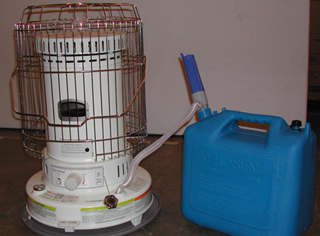
Credit: www.nachi.org
Health Impacts Of Kerosene Heater Odors
Kerosene heaters produce odors that affect indoor air quality. These smells come from burning kerosene and can impact health. Understanding these effects helps keep your home safe and comfortable.
Some people notice irritation or discomfort from the smell. It is important to know the risks of short-term and long-term exposure to these odors.
Short-term Effects
Exposure to kerosene heater odors can cause headaches. Some people feel dizziness or nausea. The smell may irritate the eyes and throat. Breathing in the fumes can lead to coughing and wheezing. Children and pets often react more strongly. Poor ventilation increases these effects. Avoid staying too close to the heater for long periods.
Long-term Exposure Risks
Continuous exposure to kerosene fumes can harm the lungs. It may increase the risk of respiratory problems. Long-term breathing of these odors can cause chronic bronchitis. The fumes may also affect the nervous system. Some studies link kerosene exposure to cancer risks. Proper use and ventilation reduce these dangers. Regularly servicing the heater helps limit harmful emissions.
Tips To Minimize Odor
Using a kerosene heater can sometimes bring an unwanted smell into your room. This odor can be unpleasant and may make the space less comfortable. Taking simple steps can help reduce or remove this smell. These tips keep your heater working well and your air fresh.
Choosing The Right Fuel
Fuel quality affects the smell from your heater. Use only clean, pure kerosene made for heaters. Avoid old or contaminated fuel. Cheap fuel often creates more odor. Fresh fuel burns cleaner and reduces smell. Store fuel in a sealed container to keep it pure.
Proper Ventilation
Good airflow helps clear out any smell from the heater. Open a window or door slightly while the heater runs. This lets fresh air in and pushes odors out. Avoid using the heater in a closed room. Ventilation keeps the air fresh and safe.
Regular Cleaning And Wick Replacement
Dirt and soot build-up cause bad smells. Clean the heater regularly, especially the wick area. Replace the wick as the manufacturer suggests. A clean wick burns fuel better and produces less odor. Check the heater for any leaks or damage often.

Credit: www.smithsrepair.com
Alternatives To Kerosene Heaters
Kerosene heaters can produce a strong smell that some find unpleasant. Choosing an alternative heater can avoid this issue. Several options provide warmth without the odor. These heaters offer different benefits depending on your needs and space.
Electric Heaters
Electric heaters are clean and odor-free. They plug into any standard outlet and heat quickly. Many models are portable and easy to move around. They work well in small to medium rooms. Electric heaters need no fuel or venting.
Propane Heaters
Propane heaters use gas to produce heat. They do not create a strong smell like kerosene. These heaters are efficient and heat large spaces fast. Some models are portable, perfect for outdoor use. Proper ventilation is important for safety.
Infrared Heaters
Infrared heaters warm objects directly, not the air. This method feels natural and cozy. They operate quietly and without odor. Infrared heaters use less energy than traditional heaters. Ideal for spot heating or small rooms.
Frequently Asked Questions
Why Does My Kerosene Heater Smell Sometimes?
A kerosene heater can smell if the fuel is old or low quality. Poor ventilation or incomplete burning also causes odors.
Is It Normal For Kerosene Heaters To Produce A Smell?
A slight smell is normal when starting or stopping the heater. Strong or persistent odors mean something is wrong.
How Can I Reduce The Smell From My Kerosene Heater?
Use fresh, high-quality kerosene and keep the heater clean. Ensure the room is well-ventilated during use.
Does A Smelly Kerosene Heater Mean It Is Unsafe?
Strong smells may signal poor combustion or fuel leaks, which can be unsafe. Turn off the heater and check it carefully.
Can Kerosene Heaters Cause Indoor Air Pollution Or Health Issues?
Yes, they can release fumes that irritate eyes and lungs if not vented well. Use them in open or ventilated spaces only.
Conclusion
Kerosene heaters can sometimes produce a smell. This usually happens during use or when first turned on. Proper ventilation helps reduce odors. Using high-quality fuel also limits the smell. Regular cleaning keeps the heater working well. Remember, small odors are normal but strong smells need attention.
Always follow safety steps when using kerosene heaters. They provide warmth but require care. Stay safe and enjoy cozy heat without discomfort.