
Are you wondering if your kerosene heater needs to be vented? It’s a common question that can affect your safety and comfort.
Using a kerosene heater without proper ventilation can lead to harmful fumes and poor air quality in your home. But how do you know when and how to vent it correctly? You’ll discover clear answers and easy tips to keep your space warm and safe.
Keep reading to make sure you’re using your kerosene heater the right way.
How Kerosene Heaters Work
Kerosene heaters provide warmth by burning kerosene fuel. They are popular for heating small spaces and emergency use. Understanding how these heaters work helps in using them safely and effectively.
Basic Operation
Kerosene heaters burn liquid kerosene to create heat. The fuel flows into a wick, which absorbs it like a sponge. When lit, the wick burns the kerosene slowly. This process produces heat and light. Air mixes with the burning kerosene to keep the flame steady. The heat warms the surrounding air and objects. Some models have fans to spread heat faster. Proper ventilation is important to remove fumes.
Types Of Kerosene Heaters
There are two main types of kerosene heaters: convective and radiant. Convective heaters warm the air around them. Hot air rises and circulates in the room. Radiant heaters warm objects and people directly. They produce focused heat in one direction. Portable kerosene heaters often use wick-burning systems. Some models use forced-air to blow heated air out. Each type has specific uses and benefits.
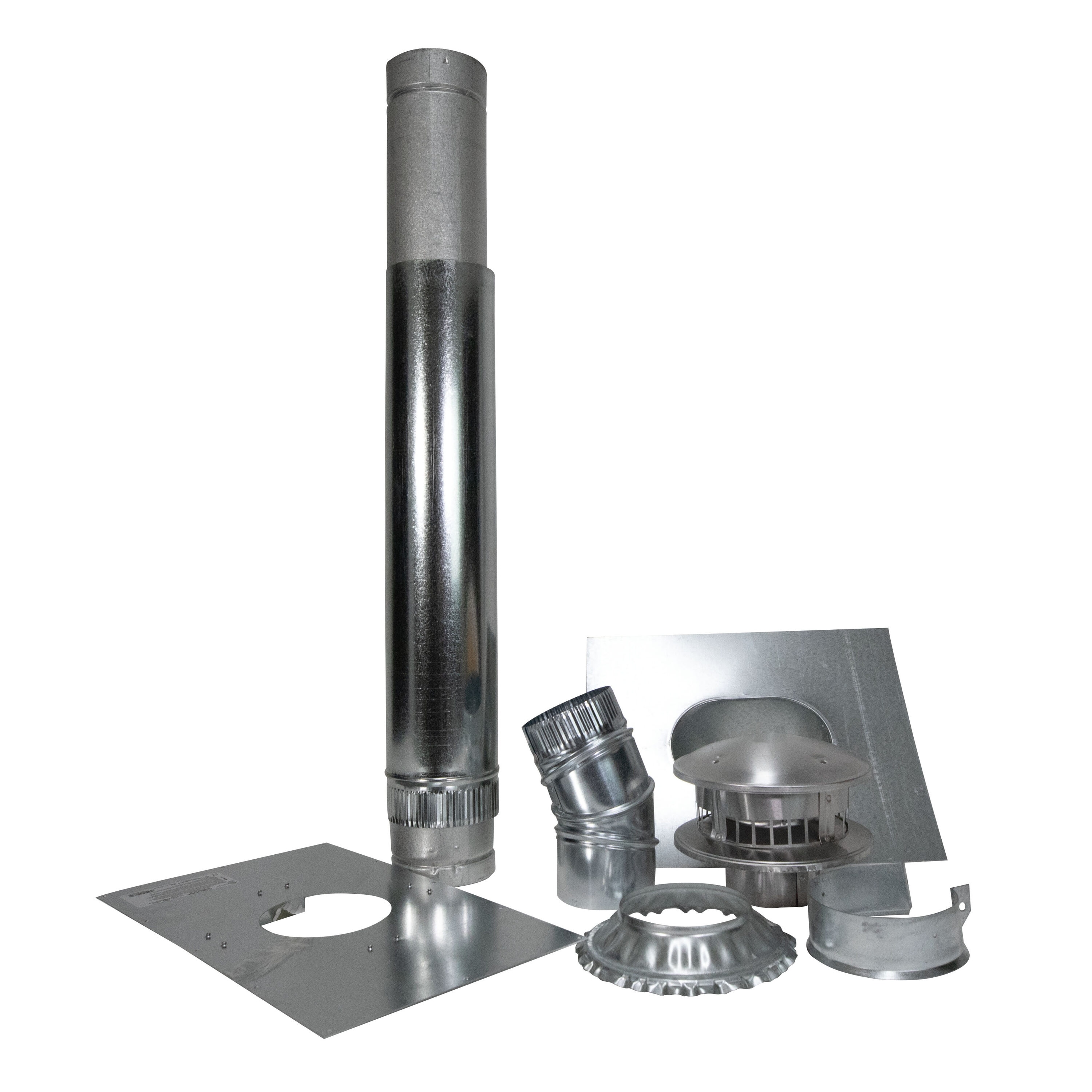
Credit: www.lowes.com
Ventilation Requirements
Kerosene heaters produce heat by burning fuel. This process uses oxygen and creates gases. Proper ventilation is essential to keep the air safe and fresh. Without good airflow, harmful gases can build up inside. This can cause health problems and damage to your home.
Many kerosene heaters do not need a special vent pipe. Still, they must be used in rooms with open windows or vents. This allows fresh air to enter and lets gases escape. Understanding ventilation needs helps you stay safe and warm.
Why Venting Matters
Venting helps remove dangerous gases like carbon monoxide. This gas is odorless and can cause serious illness. Good ventilation keeps oxygen levels stable. It also reduces moisture that can cause mold. Without venting, you risk breathing harmful air.
Signs Of Poor Ventilation
Look for strong kerosene smells inside your room. This means gases are not escaping properly. Windows or walls may feel damp from excess moisture. You might notice headaches, dizziness, or nausea. These symptoms show unsafe air quality. Act quickly to improve airflow and avoid risks.
Risks Of Unvented Use
Using kerosene heaters without proper ventilation can cause serious health and safety risks. These heaters burn fuel indoors, releasing harmful gases. Without vents, dangerous substances build up inside your home. Understanding these risks helps keep your family safe and healthy.
Carbon Monoxide Poisoning
Kerosene heaters produce carbon monoxide, a colorless and odorless gas. This gas can quickly fill a room if not vented properly. Breathing carbon monoxide can cause headaches, dizziness, and nausea. High levels can lead to unconsciousness or even death. Proper ventilation is vital to prevent these dangers.
Fire Hazards
Unvented kerosene heaters increase the risk of fire. Fuel spills or leaks can ignite easily. Nearby flammable materials catch fire quickly. Poor air circulation raises the heater’s surface temperature. This can cause burns or start fires in your home. Careful placement and ventilation reduce these hazards.
Oxygen Depletion
Burning kerosene uses oxygen from the air. Without vents, oxygen levels drop inside closed rooms. Low oxygen causes shortness of breath and fatigue. In extreme cases, it can lead to unconsciousness. Ventilation ensures fresh air enters and harmful gases leave.
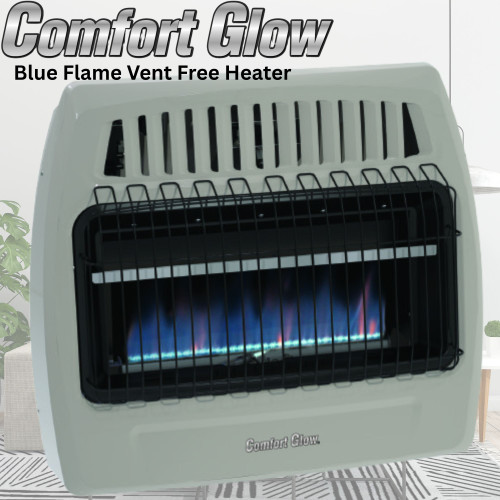
Credit: worldmkting.com
Safe Usage Practices
Using a kerosene heater safely is very important. These heaters provide warmth but can also pose risks. Following safe usage practices helps prevent accidents and keeps the air fresh. Simple steps make your home safer and comfortable.
Proper Placement
Place the heater on a flat, stable surface. Keep it away from curtains, furniture, and paper. Avoid small or enclosed spaces to stop overheating. Leave space around the heater for air to flow freely. Do not use the heater near water or damp areas.
Fuel Handling
Use only clean kerosene made for heaters. Store fuel in a cool, dry place away from children. Fill the heater outside or in a well-ventilated area. Avoid spilling fuel on the heater or floor. Never use gasoline or other fuels in a kerosene heater.
Regular Maintenance
Check the heater before each use. Clean the wick and tank regularly to avoid buildup. Replace the wick if it burns unevenly or smells bad. Inspect the heater for leaks or damage. Follow the manufacturer’s instructions for all maintenance tasks.
Choosing Between Venting And Unvented Models
Choosing between vented and unvented kerosene heaters depends on your space and safety needs. Each type offers benefits and drawbacks. Understanding these can help you pick the right heater for your home or workspace.
Advantages Of Venting
Vented heaters remove harmful gases outside your home. This keeps indoor air cleaner and safer. These heaters reduce moisture buildup, preventing mold and dampness. They work well in larger or well-ventilated rooms. Using a vented model lowers the risk of carbon monoxide poisoning. Many people feel more secure with venting in place.
When Unvented Heaters Are Suitable
Unvented heaters are easy to install and move around. They provide quick heat in small or sealed spaces. These models do not need a chimney or pipe. Ideal for short-term heating or emergency use. Ventilation is important, so open a window slightly. Use unvented heaters only in well-monitored areas. Always follow safety rules and carbon monoxide detector use.
Emergency Preparedness
Emergency preparedness is crucial when using kerosene heaters. They provide warmth during power outages or cold weather. Safety must come first to avoid dangers like carbon monoxide poisoning. Knowing how to use these heaters safely can protect you and your family.
Carbon Monoxide Detectors
Kerosene heaters produce carbon monoxide, a colorless gas that is deadly. Installing carbon monoxide detectors is essential for safety. Place detectors near sleeping areas and the heater. Test them regularly to ensure they work. These devices alert you if dangerous gas builds up.
Ventilation During Power Outages
Proper ventilation is vital when using kerosene heaters indoors. Open a window or door slightly to allow fresh air in. This helps reduce the risk of carbon monoxide buildup. Ventilation keeps the air clean and reduces health risks. Never seal a room completely when the heater runs.
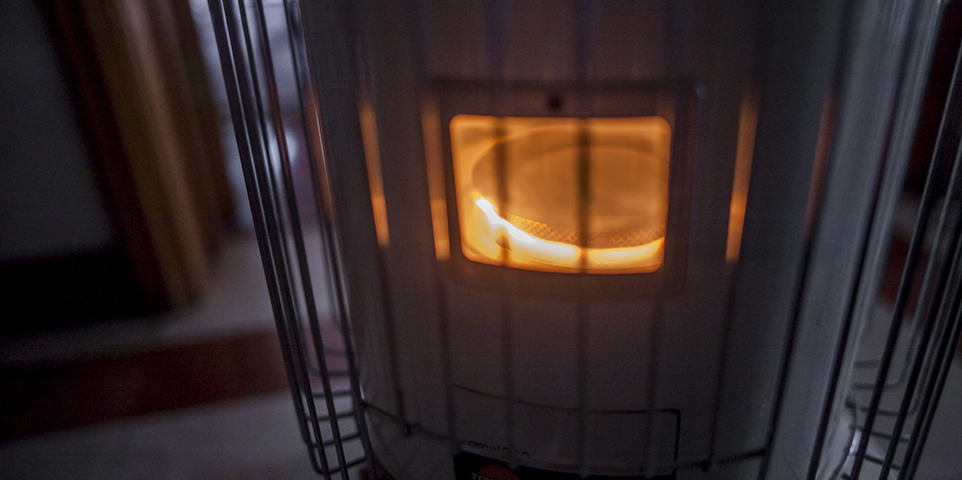
Credit: www.iii.org
Frequently Asked Questions
Do Kerosene Heaters Produce Harmful Fumes Indoors?
Kerosene heaters release carbon monoxide and other gases during burning. Proper ventilation is needed to keep indoor air safe and fresh.
Can Kerosene Heaters Be Used In Unvented Spaces?
Using kerosene heaters in unvented rooms increases risk of poor air quality. Always allow fresh air to enter the room when using these heaters.
How Often Should I Ventilate A Room With A Kerosene Heater?
Ventilate the room regularly, ideally every hour, to avoid buildup of fumes. Open windows or doors slightly to allow fresh air in.
What Are The Dangers Of Not Venting Kerosene Heaters?
Lack of ventilation can cause carbon monoxide poisoning and low oxygen levels. Symptoms include headaches, dizziness, and nausea, which can be serious.
Are There Vent-free Kerosene Heaters Available?
Most kerosene heaters require ventilation to operate safely. Some models have better combustion but still need fresh air to prevent fumes.
Conclusion
Kerosene heaters need proper ventilation for safety and air quality. Burning kerosene produces fumes that can harm health. Always use heaters in well-ventilated spaces. Keep windows or doors slightly open for fresh air. Never use these heaters in closed rooms.
Venting helps reduce carbon monoxide and moisture buildup. Stay safe by following the heater’s instructions carefully. Proper ventilation keeps your home warm and healthy. Remember, safety comes first with kerosene heaters.