
Have you ever wondered where the warm air from your heater actually comes from? Does your heater pull air from inside your house, or does it bring in fresh air from outside?
Knowing the answer can help you understand how your home stays cozy and how your heater affects your indoor air quality. If you want to get the most comfort from your heating system while keeping your air fresh and healthy, keep reading.
This simple insight could change the way you think about heating your home.
Credit: www.przewozcm.eu
How Heaters Operate
Heaters work by creating warm air to raise the temperature inside your home. They use different methods to move heat and air. Understanding how heaters operate helps you choose the right one for your needs. It also explains if they pull air from inside your house.
Types Of Home Heaters
There are several types of heaters used in homes. Some common types include electric heaters, gas heaters, and oil heaters. Electric heaters use electricity to produce heat. Gas heaters burn natural gas or propane to create warmth. Oil heaters use heated oil inside the unit to radiate heat. Each type works differently but aims to warm your space efficiently.
Airflow Mechanisms In Heaters
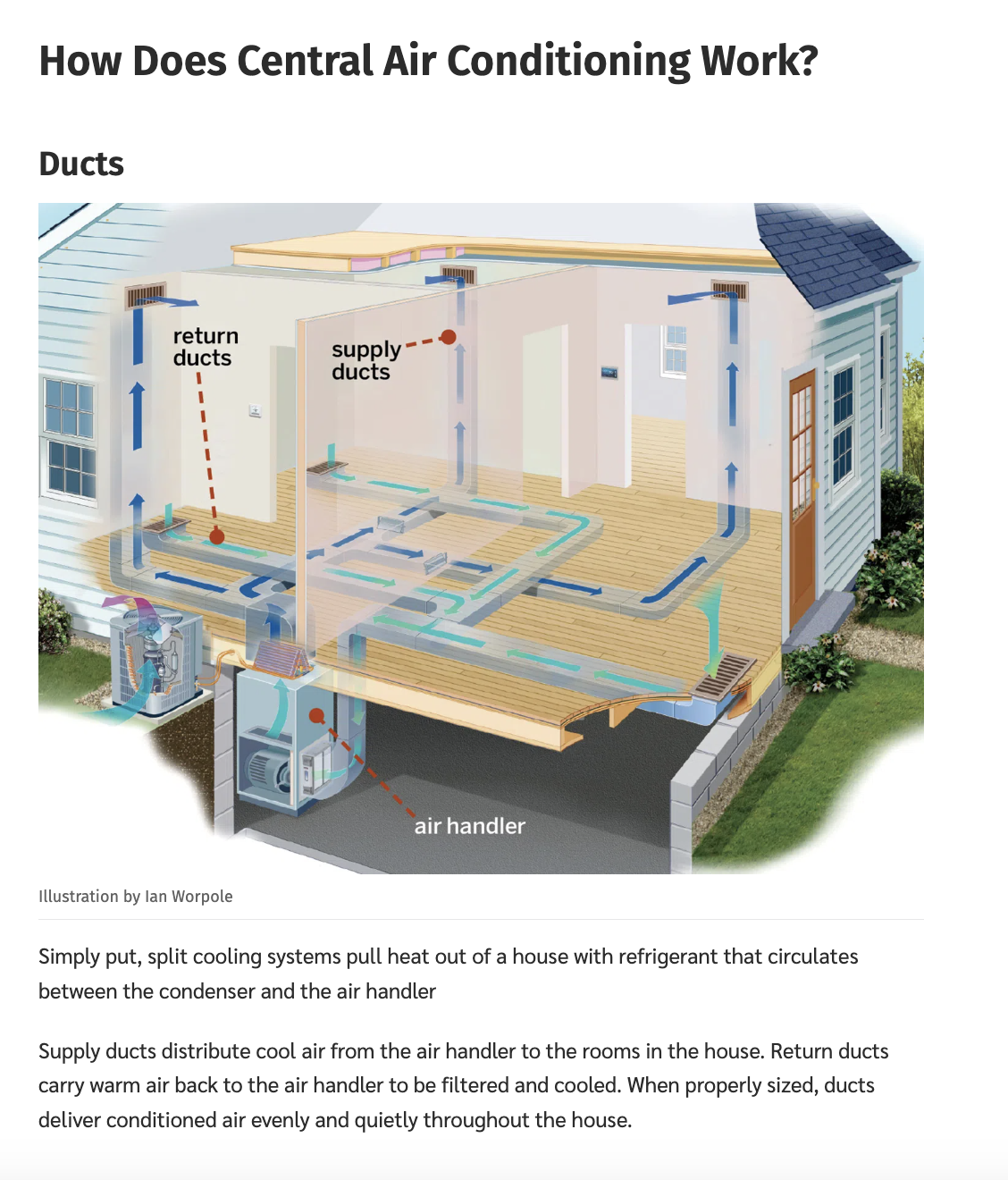
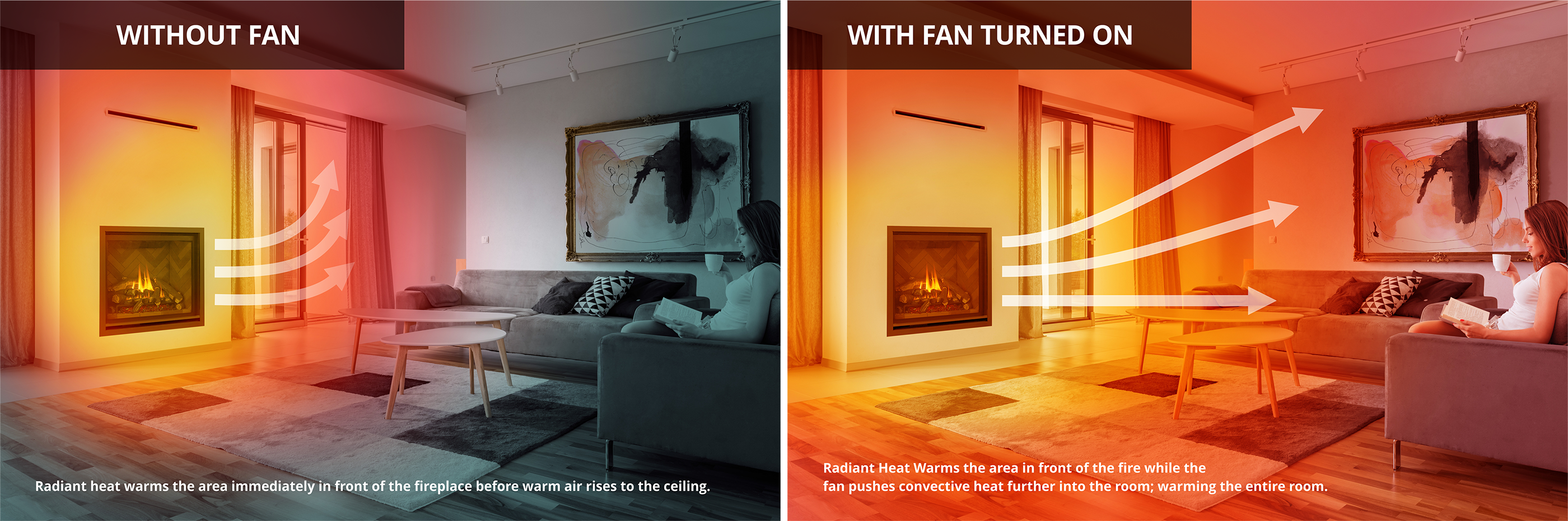
Heaters pull air to spread warmth inside the room. Some heaters use fans to move air faster. These are called forced-air heaters. They pull cool air from the room, heat it, then blow warm air back out. Other heaters, like radiators, do not use fans. They heat the air around them naturally, without pulling air actively. Knowing the airflow method helps understand if a heater affects indoor air quality.

Credit: www.bryant.com
Sources Of Air For Heaters
Heaters need air to work properly. This air can come from different places. Understanding where heaters pull air helps you know how they affect your home’s air quality and energy use. Let’s explore the main sources of air for heaters.
Knowing the source of air also helps with safety. Some heaters need fresh air to burn fuel safely. Others recycle indoor air for warmth. This difference matters for your comfort and health.
Indoor Air Intake
Many heaters take air from inside your home. This air is already warm but may carry dust or moisture. Using indoor air keeps heat inside and saves energy. Some heaters use fans to pull this air through filters before heating it. This process can help clean the air slightly while warming your room.
Outdoor Air Intake
Some heaters pull air from outside the house. This air is fresh but cold. Heaters warm it up before sending it indoors. Bringing in outdoor air helps prevent stale air and reduces indoor pollution. However, it can use more energy to heat the colder air. Proper ventilation is key to balance fresh air and energy use.
Closed Vs Open Systems
Closed systems keep air separate from the room. They use sealed pipes to bring air in and send exhaust out. This keeps indoor air clean and safe. Open systems pull air directly from the room. They mix indoor air with heated air and exhaust gases. Closed systems are safer but may cost more. Open systems are simpler but need good ventilation.
Impact On Indoor Air Quality
Heaters affect the air inside your home in several ways. Understanding their impact on indoor air quality helps you keep your space healthy and comfortable. This section explores how heaters influence air circulation and the spread of contaminants.
Air Circulation And Freshness
Heaters pull air from inside the house to warm it up. This movement helps circulate air throughout rooms. Circulation can prevent stuffy air and improve overall freshness. Yet, if the heater uses the same air repeatedly, freshness might decrease. Proper ventilation is key to maintaining good indoor air quality.
Potential For Contaminant Spread
Heaters can also spread dust, allergens, and other particles. If filters are dirty or missing, contaminants move freely with the air. This spread can worsen allergies and breathing problems. Regular cleaning and filter changes reduce this risk. Clean heaters help keep the air safer to breathe.
Energy Efficiency Considerations
Heaters use air from inside the house to warm the space. This process affects energy use and comfort. Understanding how heaters pull air helps reduce wasted energy. It also improves heating performance. Focusing on energy efficiency saves money and keeps your home cozy.
Different types of heaters handle air differently. Some pull air directly from the room. Others use outside air or sealed systems. The way air moves influences heat loss and energy costs. Proper management of air flow is key.
Air Leakage And Heat Loss
Air leakage means warm air escapes through cracks or gaps. Heaters that pull air inside may increase this leakage. Cold air can enter, making the heater work harder. This causes higher energy bills and less comfort.
Sealing windows, doors, and vents reduces air leakage. It keeps warm air inside and cold air out. This helps your heater run efficiently without wasting energy. Even small leaks can cause big heat loss over time.
Sealing And Ventilation Effects
Proper sealing and ventilation balance indoor air quality and energy use. Tight sealing stops drafts but can reduce fresh air. This affects comfort and safety, especially with gas heaters.
Ventilation systems provide fresh air without losing heat. Heat recovery ventilators (HRVs) exchange stale indoor air with fresh outdoor air. They keep heat inside while ensuring good air quality. This improves both efficiency and health.
Common Myths About Heater Air Intake
Many people have questions about how heaters work inside a house. Some ideas about heaters pulling air or oxygen are not true. These myths can cause worry or confusion. Understanding the facts helps you use heaters safely and efficiently.
This section clears up common myths about heater air intake. It explains what heaters really do with indoor air and how they affect your home environment.
Heaters Consuming Oxygen
Some believe heaters use up oxygen inside the house. This is mostly a myth. Most modern heaters do not consume indoor oxygen directly. They burn fuel or use electricity to create heat. Proper ventilation keeps oxygen levels safe. If a heater uses fuel, it vents gases outside. This stops oxygen depletion indoors. Electric heaters do not affect oxygen at all.
Heaters Creating Drafts
Many think heaters cause drafts by pulling air from rooms. This is not true for most heaters. Heaters warm the air, which can move slightly. But they do not suck air out or create strong drafts. Some heating systems circulate air gently for even warmth. Drafts usually come from poor insulation or open windows. Good seals and vents prevent cold air from entering your home.
Credit: www.regency-fire.com
Tips For Optimal Heater Use
Using your heater well helps keep your home warm and your energy bills low. Simple steps can improve heater performance. These tips also help your heater last longer and work safely.
Follow these easy ways to get the best from your heater. Your home will feel cozy, and your air will stay fresh.
Maintaining Proper Airflow
Heaters need good airflow to work well. Keep vents clear of furniture and curtains. Clean air filters often to stop dust build-up. This helps warm air move freely around the room. Blocked airflow makes heaters work harder and wastes energy.
Open doors between rooms to let heat spread. Check that windows and doors close tightly to keep cold air out. Good airflow means your heater warms your home evenly and quickly.
Regular Heater Maintenance
Check your heater regularly for any problems. Look for dust, dirt, or signs of damage. Clean the heater’s surface and parts as needed. This keeps the heater running safely and smoothly.
Schedule professional service each year. Experts can find issues you might miss. They will clean and tune your heater to keep it efficient. Regular care prevents breakdowns and saves money on repairs.
Frequently Asked Questions
Do Heaters Use Indoor Air For Heating?
Most heaters pull air from inside the house to warm it. They heat the air and then blow it back into the room.
How Does A Heater Affect Indoor Air Quality?
Heaters can reduce air quality if filters are dirty. Clean filters help keep the air fresh and healthy.
Can Heaters Cause Indoor Air To Become Dry?
Yes, heaters often make indoor air dry. Using a humidifier can help add moisture back to the air.
Do All Types Of Heaters Pull Air From Inside?
Not all heaters pull indoor air; some use outside air or radiant heat. It depends on the heater type and design.
Does Heater Airflow Impact Energy Efficiency?
Heaters that recycle indoor air usually use less energy. They warm existing air instead of bringing cold air inside.
How Can I Improve Air Circulation With A Heater?
Use fans to spread warm air evenly in rooms. Keep doors open to help air move freely throughout the house.
Conclusion
Heaters do pull air from inside your house to warm it. This helps spread heat evenly throughout rooms. Knowing this can help you keep your home comfortable. Proper ventilation is important to keep air fresh and clean. Regular maintenance of heaters ensures they work safely and well.
Understanding how heaters use indoor air helps save energy too. Keep your space warm without worrying about stale air. Simple steps can improve your heater’s efficiency and your comfort.