
Have you ever noticed that the air in your home feels dry and uncomfortable when your heater is on? You might be wondering, do heaters actually make the air dry?
Understanding this can help you keep your space cozy without dealing with itchy skin, dry eyes, or a scratchy throat. You’ll discover why heaters affect the air around you and simple ways to keep your environment comfortable all winter long.
Keep reading—you’ll be surprised by what you learn and how easy it is to fix.
:max_bytes(150000):strip_icc()/anatomy-of-the-home-furnace-humidifier-1824773color-d41575bdba834fd59ac29178949a1e2a.png)
Credit: www.thespruce.com
How Heaters Affect Indoor Air
Heaters change the air inside homes in many ways. They make the room warm and cozy. But they also affect the moisture in the air. Understanding this effect helps keep the air comfortable and healthy. Dry air can cause problems like dry skin and sore throat. Knowing how heaters work helps prevent these issues.
Heat And Moisture Relationship
Warm air holds more moisture than cold air. When heaters warm the air, moisture can evaporate faster. This process can dry out the air inside your room. The more heat, the faster moisture leaves the air. This makes the air feel dry and sometimes uncomfortable. Without enough moisture, skin and eyes may feel irritated. Proper ventilation or adding humidifiers can help balance this.
Types Of Heaters And Their Impact
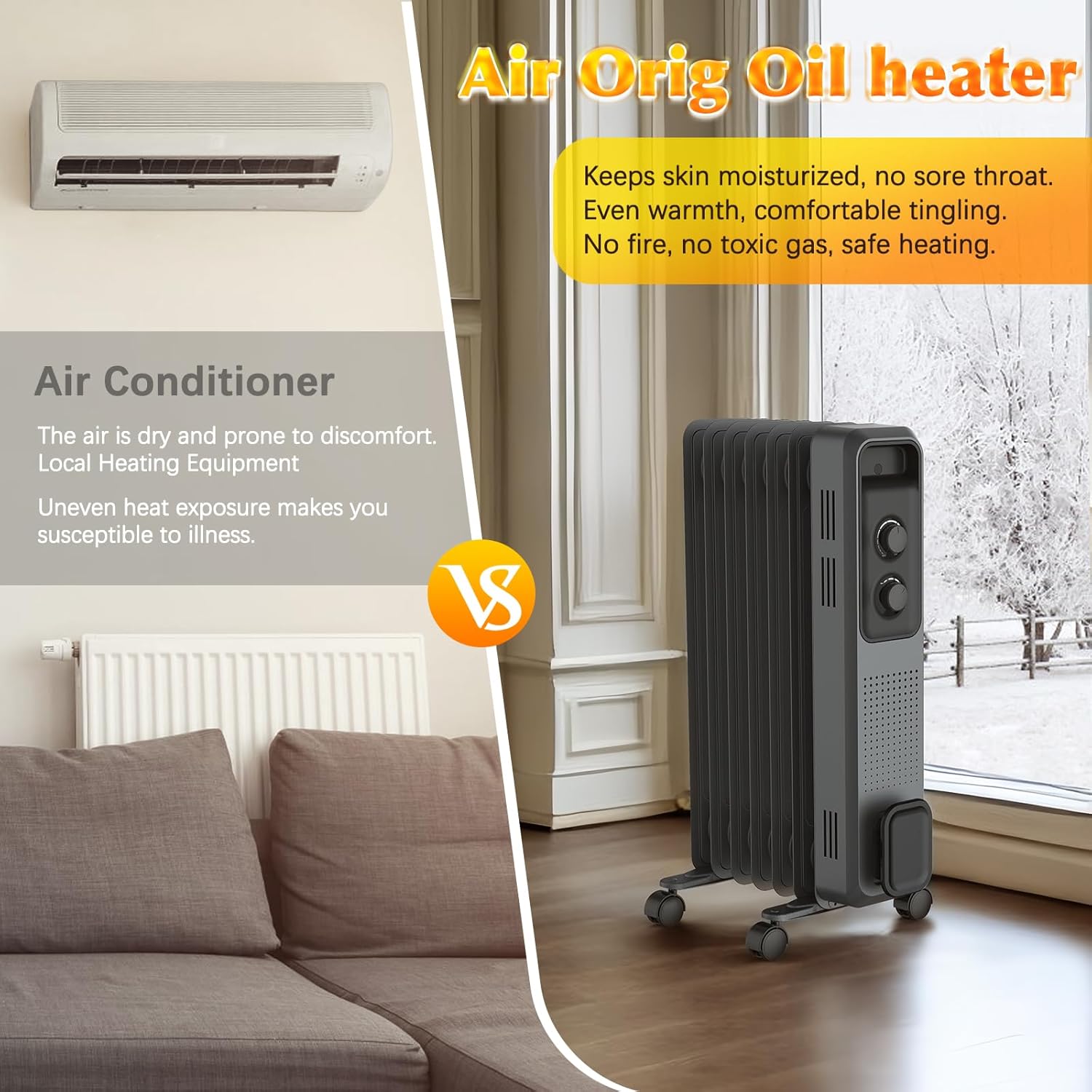
Different heaters affect indoor air moisture differently. Forced air heaters blow warm air through vents. This movement dries the air quickly. Radiant heaters warm objects and people directly. They do not blow air, so they keep moisture better. Oil-filled heaters warm the air slowly and gently. They usually keep more moisture in the room. Electric baseboard heaters also dry the air but less than forced air.
Credit: climatecontrolcompany.com
Common Myths About Heaters And Dry Air
Many people believe heaters dry the air by removing moisture directly. This idea is common but not always true. Understanding the facts helps clear confusion. It also helps you keep your home comfortable during cold months.
Do Heaters Remove Moisture?
Heaters do not remove moisture from the air. They warm the air, but the water vapor stays the same. The air may feel dry because warm air holds more moisture than cold air. But the heater itself does not suck out water.
Why Air Feels Dry Near Heaters
Warm air near heaters feels dry because heat causes moisture to evaporate faster from your skin. This makes you feel thirsty or your skin may itch. Also, cold outdoor air is usually dry, and when heated inside, it feels even drier. Ventilation and heating can reduce indoor humidity, adding to the dry feeling.
Factors Contributing To Dry Indoor Air
Indoor air can feel dry for many reasons. Dry air affects comfort and health. Understanding what causes dry indoor air helps manage it better.
Several factors reduce moisture inside homes. These factors include heating methods, outdoor weather, and how air moves inside. Each plays a role in indoor humidity levels.
Ventilation And Air Exchange
Ventilation means bringing fresh air into a room. Good ventilation helps keep air fresh and moist. Without enough air exchange, dry air can build up. Sealed homes often have less fresh air coming inside. This lowers indoor humidity and makes air feel dry.
Using fans or opening windows helps increase air exchange. It balances indoor humidity by letting moist air in and dry air out. Poor ventilation traps dry air and increases discomfort.
Seasonal Effects On Humidity
Humidity changes with seasons. Winter air is usually dry. Cold air holds less moisture than warm air. When heaters warm cold air, it becomes even drier inside. This causes indoor dryness during cold months.
Summer often brings more moisture in the air. But air conditioning can reduce indoor humidity. This creates dry air in summer too. Knowing seasonal effects helps prepare for dry air problems.
Health Effects Of Dry Indoor Air
Dry indoor air can cause several health problems. It often happens in heated rooms during winter. Dry air takes moisture from the skin and airways. This loss of moisture can lead to discomfort and illness. Understanding these effects helps protect your health.
Impact On Skin And Respiratory System
Dry air makes skin feel tight and itchy. It can cause cracks and redness. These cracks may let germs enter the body. The respiratory system also suffers. Dry air dries out the nose and throat. This dryness can cause soreness and coughing. Breathing in dry air may worsen asthma or bronchitis symptoms.
Allergies And Irritation Risks
Dry air increases the risk of allergies. Dust and pollen particles stay in the air longer. They irritate the eyes, nose, and throat. This irritation causes sneezing and watery eyes. Dry air can also worsen eczema and other skin conditions. Keeping air moist helps reduce these problems.
Ways To Maintain Comfortable Humidity Levels
Maintaining comfortable humidity levels is key when using heaters. Heaters can dry the air, causing discomfort like dry skin and sore throats. Balancing moisture in the air helps you feel better and keeps your home healthy. Simple steps can keep indoor air fresh and cozy during cold months.
Using Humidifiers With Heaters
Humidifiers add moisture to dry air quickly. Place a humidifier near your heater to balance dryness. Choose a model that fits your room size for best results. Running a humidifier helps prevent dry skin and irritated eyes. It also protects wooden furniture from cracking.
Natural Methods To Add Moisture
Boiling water on the stove releases steam into the air. Houseplants also increase indoor humidity naturally. Place bowls of water near heating vents to evaporate moisture slowly. Wet towels hung inside can add humidity as they dry. These simple tricks improve air quality without machines.
Monitoring Indoor Humidity
Use a hygrometer to check humidity levels regularly. Ideal indoor humidity is between 30% and 50%. Too much moisture can cause mold growth and dust mites. Too little causes dryness and discomfort. Keeping an eye on humidity helps you adjust your methods easily.
Choosing The Right Heating System
Choosing the right heating system affects more than just warmth. It impacts comfort, air quality, and moisture levels in your home. Some heaters can dry out the air, making the room feel uncomfortable. Others keep the air moist and healthy. Understanding different types helps you pick the best option.
Consider your needs for humidity, energy use, and air quality. This guide covers key points to help you decide on the best heating system for your home.
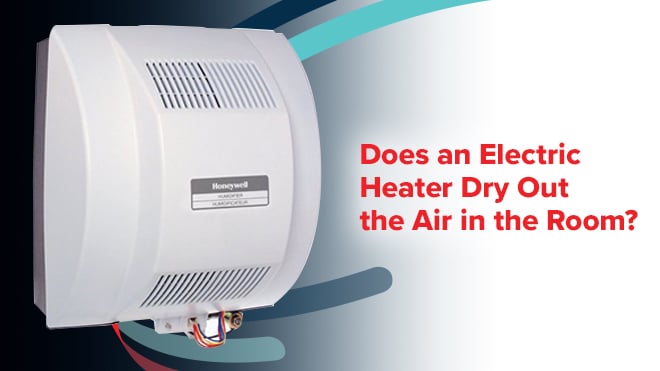
Humidifying Heaters
Humidifying heaters add moisture to the air while heating. They prevent dry skin and irritation. These systems are ideal for dry climates or winter months. They keep air from feeling harsh and dry. Some models include built-in humidifiers for easy use. This helps maintain a healthy balance of moisture inside.
Energy Efficiency And Air Quality
Energy efficiency saves money on heating bills. Choose systems that use less power but heat well. Efficient heaters reduce environmental impact. Clean air is vital for health. Avoid heaters that blow dust or allergens around. Look for models with filters or clean heating methods. Good air quality supports better breathing and comfort all day.
Credit: breezeresidency.com
Frequently Asked Questions
Do Heaters Reduce Indoor Air Moisture?
Heaters warm the air, causing moisture to evaporate faster. This often leads to drier indoor air during heating.
Why Does Heated Air Feel Dry?
Warm air holds more moisture but often lacks enough water vapor indoors. This makes the air feel dry and uncomfortable.
Can Heaters Cause Dry Skin And Throat?
Yes, dry indoor air from heaters can cause skin and throat to dry out. Drinking water helps ease these symptoms.
How To Prevent Dry Air From Heaters?
Using a humidifier or placing water bowls near heaters adds moisture. Regular ventilation also helps keep air balanced.
Do All Types Of Heaters Dry The Air Equally?
No, electric and gas heaters dry air differently. Some heaters release moisture, while others remove it more quickly.
Is Dry Air Harmful During Winter Heating?
Dry air can irritate eyes, skin, and respiratory passages. Keeping humidity levels balanced improves comfort and health indoors.
Conclusion
Heaters often reduce indoor humidity, making air feel dry. Dry air can cause discomfort like dry skin and sore throat. Using a humidifier can help keep the air moist. Ventilating rooms regularly also improves air quality. Understanding how heaters affect air helps you stay comfortable.
Simple steps make a big difference in your home’s air. Keep your space cozy without losing moisture. Balance warmth and humidity for better indoor comfort.