
Have you ever wondered how your heater actually warms up your room? You might ask, do heaters blow air out, or do they work in some other way?
Understanding this can help you use your heater more efficiently and stay cozy all winter long. You’ll discover exactly how heaters move warm air, why you feel that comforting breeze, and simple tips to make the most of your heating system.
Keep reading to unlock the secrets behind the warm air you enjoy every day.
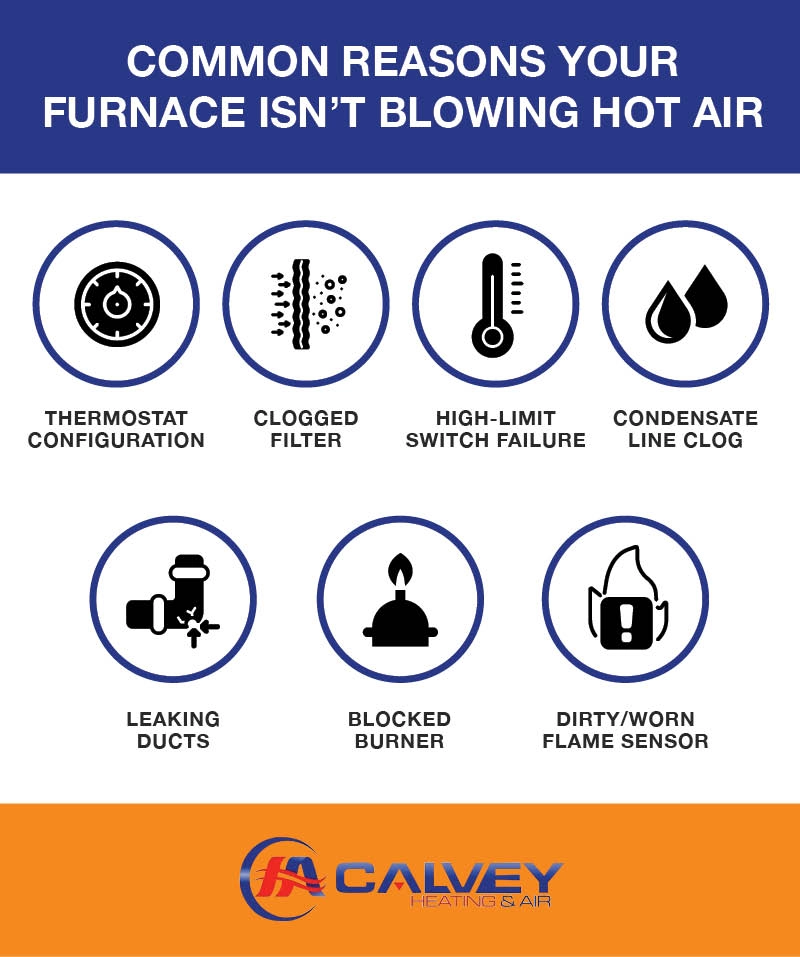
Credit: www.calveyheatingandair.com
How Heaters Move Warm Air
Heaters keep rooms warm by moving heat into the air around us. Understanding how they move warm air helps us choose the right heater. Some heaters use natural air flow, while others push air with fans. Each method works differently to spread warmth.
Convection Vs. Forced Air
Convection heaters warm air without blowing it out. Warm air rises naturally and cool air moves in to replace it. This cycle spreads heat slowly but evenly. Forced air heaters use fans to push warm air out quickly. This method heats rooms faster but can be less even.
Role Of Fans In Heaters
Fans help heaters move warm air around the room. They pull cool air in and push warm air out. This makes the room feel warm faster. Fans also help spread heat to all corners. Some heaters have adjustable fan speeds for control.
Types Of Heaters That Use Fans
Heaters that use fans help spread warm air quickly. They blow heated air out into the room. This makes the space warm faster than heaters without fans. Different types of fan heaters exist for various needs.
These heaters work by drawing in cool air, heating it, and then pushing it out with a fan. This process warms the area evenly and efficiently. Fans also help keep the heater’s parts cool.
Fan-forced Heaters
Fan-forced heaters use electric elements to create heat. A fan blows air over these hot elements. Warm air moves out and heats the room fast. These heaters are popular for small to medium rooms.
They are easy to use and often portable. Safety features like tip-over switches are common. This type of heater is effective for quick warmth.
Infrared Heaters With Fans
Infrared heaters warm objects directly using infrared light. Adding a fan helps spread this heat faster. The fan pushes the warm air around the room.
This combination heats both objects and the air. It is useful for larger spaces. Infrared heaters with fans provide a balanced, comfortable heat.
Do All Heaters Blow Air?
Not all heaters blow air. Some heaters warm the room quietly without moving air. Different heater types work in unique ways. Knowing how they operate helps choose the right one for your space.
Radiant Heaters And Air Movement
Radiant heaters do not blow air. They send heat directly to objects and people. This type of heat feels like sunlight on your skin. Radiant heaters work well in small areas. They heat quickly without drying the air.
Oil-filled Heaters And Airflow
Oil-filled heaters also do not blow air. They warm oil inside the heater. The hot oil then heats the metal surface. Warm metal releases heat slowly into the room. This type of heater provides steady and silent warmth.
Benefits Of Air-blowing Heaters
Air-blowing heaters offer clear benefits that make them popular in many homes. These heaters push warm air into the room, creating comfort quickly and effectively.
The design helps move warm air around, making the space cozy faster. This system suits rooms that need heat fast or where warmth must spread evenly.
Faster Room Heating
Air-blowing heaters warm up rooms much quicker than other types. They blow hot air directly into the space, raising the temperature fast.
This quick heating helps people feel comfortable sooner. No long wait times for the room to warm up.
Even Heat Distribution
These heaters spread warm air evenly across the room. This avoids cold spots and keeps the whole area cozy.
The fan moves air gently, mixing warm and cool air for balance. Every corner gets warmth without big temperature changes.
Potential Drawbacks Of Fans In Heaters
Fans in heaters help spread warm air quickly. They make rooms warm faster. Still, fans have some drawbacks. These can affect comfort and air quality. Knowing these issues helps you choose the right heater.
Noise Levels
Fans can make noise when running. This noise varies by heater model. Some fans are quiet, others are loud. Loud fans can disturb sleep or work. Noise can be annoying in small rooms. It may distract from reading or watching TV.
Dust Circulation
Fans blow air and dust around the room. Dust can cause allergies or breathing problems. Fans may spread dust from floors or furniture. This can reduce indoor air quality. Dust buildup inside the heater also affects performance. Regular cleaning is important to reduce dust issues.

Credit: www.esseg.eu
How To Choose The Right Heater For Your Space
Choosing the right heater for your space makes a big difference in comfort and energy use. Different heaters suit different rooms and needs. Think about the size of your room, noise levels, and air quality. These factors help you pick a heater that works well and feels good.
Consider Room Size
Room size affects heater power. Small rooms need less heat. Large rooms need stronger heaters or multiple units. Using a heater too small wastes energy and leaves you cold. A heater too big can overheat and use too much power. Measure your room and check heater ratings before buying.
Assess Noise Sensitivity
Some heaters make noise. Fans and blowers create sound. Quiet heaters use ceramic or oil without fans. Choose quiet heaters for bedrooms or study rooms. Noisy heaters may disturb sleep or work. Think about where you will use the heater most. Pick a model that fits your noise needs.
Evaluate Air Quality Concerns
Heaters that blow air can spread dust and allergens. This may cause problems for allergy sufferers. Radiant and oil heaters do not blow air. They warm objects and people directly. Check if your heater has filters or air purifiers. Choose a heater that keeps your air clean and healthy.

Credit: cornelsplumbing.com
Frequently Asked Questions
Do Heaters Blow Air Out To Warm A Room?
Yes, many heaters blow warm air out to heat a space quickly. This helps spread heat evenly across the room.
How Does A Heater Blow Air Out?
Heaters use fans to push warm air from inside the unit into the room. This moves heat around effectively.
Can A Heater Blow Cold Air Instead Of Hot?
Some heaters may blow cooler air if not working correctly or during startup. Normally, they blow warm air when operating.
Why Does My Heater Blow Air But Not Heat?
This could mean a problem with the heating element or thermostat. The fan may still work but no warm air comes out.
Do All Types Of Heaters Blow Air Out?
No, some heaters like radiators heat the room without blowing air. Fan heaters and forced air systems blow warm air.
Is It Safe For Heaters To Blow Air Out Continuously?
Yes, most heaters are designed to run safely while blowing air. Make sure to keep them clean and clear of obstructions.
Conclusion
Heaters do blow air, but it depends on the type. Some heaters use fans to push warm air into the room. Others heat the air quietly without blowing. Knowing how your heater works helps you use it better. Warm air circulation can make your space feel cozy fast.
Always check the heater’s instructions for safe use. Now, you understand how heaters move air and keep you warm. Stay comfortable this winter by choosing the right heater type.