
Have you ever wondered if using forced air heaters could change the air pressure in your tires? It might sound surprising, but many people ask this question when they’re trying to keep their vehicles in top shape during cold weather.
Understanding how forced air heaters work and whether they affect your tire pressure can save you from unexpected problems on the road. Keep reading, and you’ll discover the facts that could protect your tires and keep your drive smooth and safe.
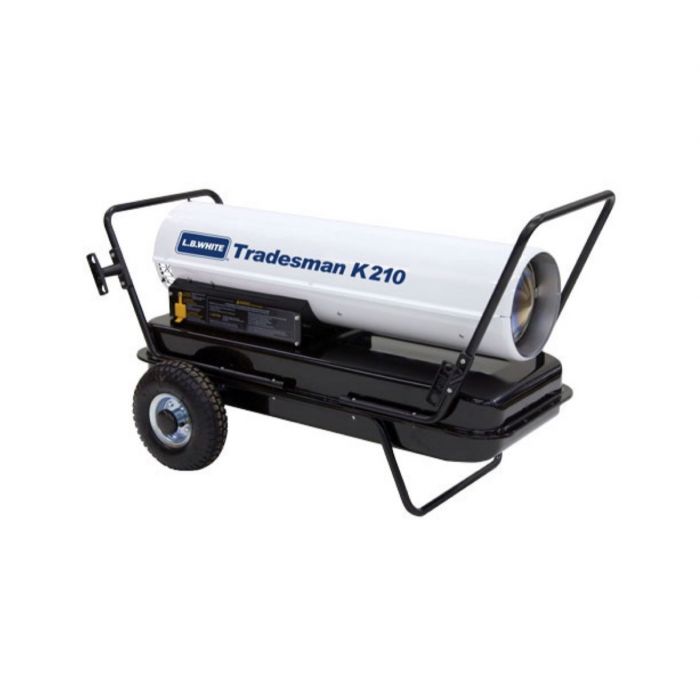
Credit: www.equipsupply.com
How Forced Air Heaters Work
Forced air heaters warm spaces by moving hot air quickly and evenly. They use a fan to push heated air into the room. This method makes the space warm faster than other heaters.
The process is simple but effective. It depends on good airflow and controlled heat. Understanding this helps explain their impact on air pressure, like in tires.
Basic Operation
Forced air heaters have a heating element inside. This element warms up when the heater turns on. A fan then blows air over the hot element. The air heats up and moves out into the room.
The heater keeps working until the room reaches the set temperature. Then, it cycles on and off to maintain warmth. This cycle saves energy and keeps the air comfortable.
Airflow Mechanism
The fan inside the heater creates airflow. It pulls air from the room and pushes it over the heating element. This action raises the air temperature quickly.
The airflow spreads warm air evenly across the space. It also helps reduce cold spots. Good airflow means the heater works more efficiently.
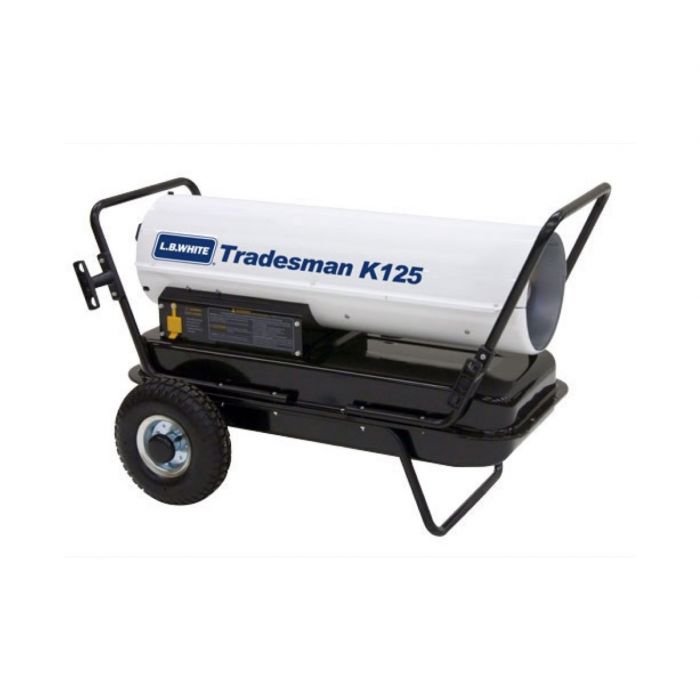
Credit: www.equipsupply.com
Tire Air Pressure Basics
Tire air pressure is a key factor for safe and efficient driving. Maintaining the right pressure helps tires last longer. It also improves fuel efficiency and vehicle handling. Understanding the basics of tire air pressure is essential for every driver.
Pressure inside a tire depends on many things. It changes with temperature and driving conditions. Knowing these basics helps keep tires in good shape.
What Influences Tire Pressure
Tire pressure changes with temperature shifts. Warm air inside tires expands, raising pressure. Cold weather causes air to contract, lowering pressure. Driving on rough roads or heavy loads can also affect pressure. Overinflated or underinflated tires wear unevenly. Checking pressure regularly ensures safety and performance.
Measurement Standards
Tire pressure is measured in pounds per square inch (PSI). Some countries use kilopascals (kPa) instead. Most vehicles have a sticker showing the recommended PSI. This info is often found on the driver’s door frame. Using the right standard prevents incorrect inflation. Always measure pressure when tires are cold for accuracy.
Impact Of Forced Air Heaters On Tire Pressure
Forced air heaters are common in many garages and workshops. These heaters blow warm air to raise the temperature quickly. This warm air can affect tire pressure in different ways. Understanding these effects helps keep your tires safe and properly inflated.
Direct Effects
Forced air heaters increase the air temperature around tires. Warm air causes the air inside tires to expand. This expansion raises the tire pressure slightly. Tires may show higher pressure readings after using a forced air heater. The change is usually small but worth noting. Overinflated tires can wear unevenly and reduce grip. Checking tire pressure after heating is a good habit.
Indirect Effects
Heat from forced air heaters can dry out tire rubber over time. Dry rubber may crack or become brittle. This damage reduces tire lifespan and safety. Warm air can also affect the garage environment. It may lower humidity, causing tires to lose moisture slowly. Low moisture levels make tires less flexible. Keeping tires in a stable environment helps maintain pressure and condition.
Common Myths And Misconceptions
Many people have wrong ideas about forced air heaters and tire pressure. These myths cause confusion and wrong actions. Knowing the facts helps you handle your heater and tires better.
Below are some common myths and the truth behind them. Understanding these will clear up any doubts.
Myth: Forced Air Heaters Change Tire Pressure
Some think forced air heaters change tire pressure. The truth is heaters warm the air but do not add or remove air from tires. Tire pressure changes only when air moves in or out.
Myth: Heat From Forced Air Heaters Inflates Tires
Heat alone cannot inflate tires. Tires inflate by adding air with a pump or compressor. Forced air heaters only warm the air around, not inside the tires.
Myth: Using Forced Air Heaters Can Damage Tires
Forced air heaters do not harm tires if used carefully. Too much heat might affect rubber, but normal heater use does not reach harmful levels.
Myth: Tire Pressure Must Be Adjusted After Using Forced Air Heaters
Tire pressure depends on air volume and temperature inside the tire. Using a forced air heater outside the tire does not directly change tire pressure. Check tire pressure with a gauge regularly.
Safe Practices When Using Forced Air Heaters Near Tires
Using forced air heaters near tires requires caution to prevent damage. These heaters blow hot air that can affect tire pressure and tire material. Following safe practices protects tires and ensures safety during heating tasks.
Monitoring Tire Pressure
Check tire pressure before and after using forced air heaters. Hot air can increase tire pressure temporarily. Overinflation may cause tire damage or blowouts. Use a reliable pressure gauge for accurate readings. Monitor pressure regularly to avoid surprises.
Recommended Distance
Keep forced air heaters at a safe distance from tires. Direct hot air can weaken tire rubber and cause cracks. Maintain at least three feet between the heater and the tire surface. This distance reduces heat impact and protects tire integrity.
Alternative Heating Methods For Tires
Tires need warmth to perform well in cold weather. Cold tires lose pressure and grip. Forced air heaters can warm air but may not heat tires evenly. Alternative heating methods offer better control and safety. These methods focus heat directly on the tire.
Electric Tire Warmers
Electric tire warmers wrap around the tire. They use electric heat to raise tire temperature. These warmers keep tires ready for better traction. Easy to use and portable for various vehicles. They prevent cold spots by warming evenly. Ideal for motorcycles and race cars. Using them helps maintain tire pressure in cold conditions.
Infrared Heaters
Infrared heaters send heat directly to the tire surface. This method heats tires faster than air heating. Infrared waves warm the rubber without touching it. Useful for quick warming before use. Infrared heaters reduce the risk of uneven heating. They also help maintain consistent tire pressure. These heaters are common in tire shops and garages.

Credit: worldmkting.com
Frequently Asked Questions
Do Forced Air Heaters Affect Tire Air Pressure?
Forced air heaters do not change tire air pressure directly. Tire pressure depends on temperature and altitude, not heater use.
Can Heater Heat Change Tire Pressure Inside A Garage?
Heat from a forced air heater can raise air temperature inside a garage. This may cause tire pressure to increase slightly.
Is Tire Pressure Different Near A Forced Air Heater?
Tire pressure can be a bit higher near a forced air heater due to warmer air. The difference is usually small and temporary.
Should I Check Tire Pressure After Using A Forced Air Heater?
Yes, check tire pressure after using a forced air heater. Warm air can increase pressure, so adjustments may be needed.
Does Forced Air Heater Type Matter For Tire Pressure Changes?
The type of forced air heater does not significantly impact tire pressure. Heat output and room size affect air temperature more.
How To Keep Tire Pressure Stable Near Forced Air Heaters?
Keep tires away from direct heat sources to maintain stable pressure. Check pressure regularly, especially after using forced air heaters.
Conclusion
Forced air heaters do not change tire air pressure directly. Tire pressure depends on the air inside the tire, not outside devices. Using a forced air heater near tires does not affect their inflation. Always check tire pressure with a proper gauge to stay safe.
Keep tires at the recommended pressure for better driving and fuel savings. Remember, heat from the heater might warm tires slightly but will not increase or decrease air pressure. Stay aware and keep your tires properly inflated for the best performance.