
Are you tired of chilly rooms and high electric bills? Imagine having a reliable heater that works perfectly without needing any electricity.
A direct vent propane heater no electricity can be the solution you’re looking for. It keeps your space warm and cozy, even during power outages or in places without electrical access. You’ll discover how this heater can change the way you stay warm, save money, and enjoy comfort wherever you are.
Keep reading to find out why this could be the perfect heating option for your home or cabin.
How Direct Vent Propane Heaters Work
Understanding how direct vent propane heaters work helps you see their benefits clearly. These heaters do not need electricity to operate, making them ideal for places without power. They use propane gas and a smart venting system to heat spaces efficiently and safely.
Basic Components
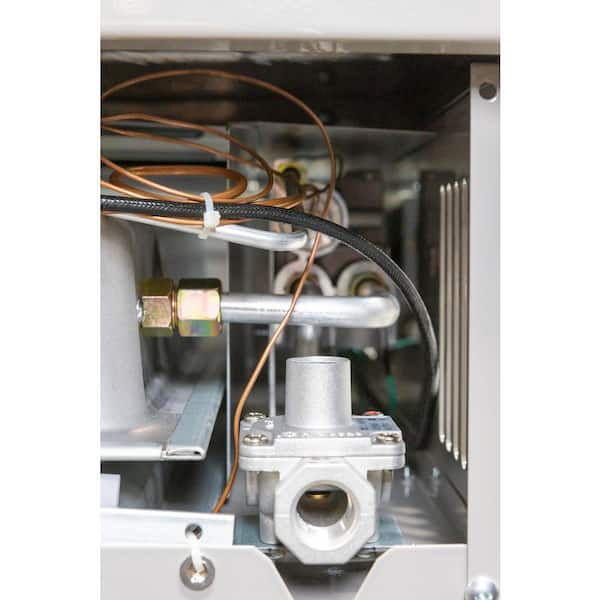
A direct vent propane heater has a burner, a heat exchanger, and two vents. The burner burns propane to create heat. The heat exchanger moves this heat inside the room. One vent brings fresh air from outside for combustion. The other vent pushes exhaust gases outside.
Ventilation Process
The heater pulls fresh air from outside through one vent. This air mixes with propane and burns in the burner. The exhaust gases from burning go out through the second vent. This process keeps indoor air clean and safe to breathe.
Heat Distribution
Heat from the burner passes through the heat exchanger. The heat exchanger warms the air inside the room. Warm air moves naturally or with a fan to spread heat. This method heats rooms quickly without using electricity.
Benefits Of No Electricity Operation
Direct vent propane heaters that operate without electricity offer many benefits. They provide warmth without relying on power from the grid. This makes them ideal for places where electricity is not available or unreliable.
These heaters work by burning propane and venting gases outside. They do not need fans or electric ignition systems. This simple design makes them efficient and easy to use in many situations.
Off-grid Advantages
No electricity operation allows heating in remote areas. Cabins, campsites, and rural homes benefit greatly. You can stay warm without connecting to power lines. This freedom adds comfort where electricity is scarce or too costly.
Energy Savings
Heaters without electric parts save energy and reduce bills. They use only propane, which burns clean and efficiently. No extra electricity means less overall energy use. This helps keep heating costs lower over time.
Reliability In Power Outages
These heaters keep working during blackouts or storms. Power outages do not affect their heating ability. This makes them a reliable heat source in emergencies. You can count on warmth even when electricity fails.
Choosing The Right Heater Size
Choosing the right size for a direct vent propane heater is key. A heater that fits your space well works better and uses less fuel. Too small means not enough warmth. Too large wastes propane and can be unsafe.
Understanding your room and heater options helps you pick the perfect size. Follow simple steps to find the right heater size for your needs.
Calculating Space Requirements
Measure the room’s length, width, and height in feet. Multiply these numbers to get the total cubic feet. This shows how much air the heater must warm. Larger rooms need heaters with higher heat output. Small rooms need less powerful heaters.
Btu Ratings Explained
BTU means British Thermal Unit. It measures heat energy. Higher BTU means more heat. Heaters list their BTU rating on the label. Choose a heater with enough BTUs to warm your room size. Too few BTUs mean cold spots. Too many waste energy.
Matching Heater To Room Size
Compare your room size to the heater’s BTU rating. Use charts or calculators for exact matches. For example, a 1,000 square foot room usually needs 30,000 to 40,000 BTUs. Adjust for room height and insulation. Proper matching ensures comfort and safety.
Credit: www.deltatechnology.it
Installation Essentials
Installing a direct vent propane heater with no electricity needs care and planning. Proper setup ensures the heater works well and stays safe.
This section covers key points for installation. Follow these tips to place and vent the heater correctly. Keep safety clearances in mind too.
Placement Tips
Choose a spot near an outside wall for easy venting. Avoid areas with heavy foot traffic. Keep the heater away from curtains and furniture. Make sure the floor is level and stable. Good air flow helps the heater run efficiently.
Vent Pipe Setup
Use vent pipes designed for direct vent propane heaters. Pipes must go straight outside without sharp bends. Seal all pipe joints tightly to stop leaks. Check the vent cap is clear of snow and debris. Proper venting removes harmful gases safely.
Safety Clearances
Keep at least 12 inches of space around the heater. Do not store flammable items nearby. Follow manufacturer instructions for minimum distances. Install smoke and carbon monoxide detectors close by. Regularly check clearances to avoid fire risks.
Fuel Supply And Efficiency
Direct vent propane heaters that work without electricity offer reliable warmth. Their fuel supply and efficiency are key to their performance. Understanding how propane tanks work and managing fuel use helps you get the best heat. Efficient use saves money and keeps your heater running longer.
Propane Tank Options
Propane tanks come in many sizes. Small portable tanks suit outdoor use. Larger tanks fit homes or cabins. Tanks connect easily to direct vent heaters. Choose the tank size based on how long you need heat. Tanks refill at many gas stations and suppliers. Proper tank storage keeps fuel safe and ready.
Fuel Consumption Rates
Heaters use propane at different speeds. Consumption depends on the heater’s size and heat setting. Smaller heaters use less fuel but heat less space. Larger heaters use more fuel but warm bigger rooms. Check your heater’s fuel use in its manual. Tracking usage helps plan refills and control costs.
Maximizing Heater Efficiency
Place the heater in a well-insulated room. Close doors and windows to keep heat inside. Regularly clean the heater for better airflow. Use the lowest heat setting that feels comfortable. Turn off the heater when not needed. These steps reduce fuel waste and save money.
Credit: www.deltatechnology.it
Maintenance And Troubleshooting
Maintaining a direct vent propane heater without electricity keeps it safe and working well. Routine checks prevent problems and help the heater last longer. Knowing how to fix small issues saves time and money.
Regular Cleaning
Clean the heater often to remove dust and dirt. Wipe the outside with a soft cloth. Vacuum around vents and air intakes to stop blockages. Clean burner parts gently to keep flames steady. Avoid water or harsh chemicals that can damage parts.
Common Issues
The heater may fail to light or produce weak heat. Check if the propane tank is empty or the valve is closed. Look for clogged vents or dirty burners. Strange smells can mean a gas leak—turn off the heater immediately. Noisy operation may indicate loose parts or dirt buildup.
When To Call A Professional
Call a technician if the heater won’t start after simple fixes. Gas leaks or strong odors need urgent expert help. Strange noises or flickering flames require professional inspection. Annual servicing ensures safe and efficient heater operation. Trust trained experts for repairs and safety checks.
Safety Considerations
Direct vent propane heaters that work without electricity offer reliable warmth. Safety is very important when using these heaters. Understanding key safety points protects you and your family. Follow clear guidelines to use the heater safely and avoid risks.
Carbon Monoxide Risks
Propane heaters produce carbon monoxide, a dangerous gas. It is colorless and odorless, making it hard to detect. This gas can cause headaches, dizziness, or worse health problems. Proper use of the heater reduces carbon monoxide build-up. Never use the heater in closed or poorly ventilated spaces.
Proper Venting
Direct vent heaters must have correct venting to the outside air. This vent removes harmful gases safely from your home. Check vents for blockages or damage regularly. Improper venting can cause gas to enter your living space. Ensure vents are installed according to the manufacturer’s instructions.
Emergency Procedures
Know what to do in an emergency involving your heater. If you smell gas or feel dizzy, leave the area immediately. Call emergency services from a safe location. Never try to fix gas leaks yourself. Keep a fire extinguisher nearby and know how to use it.
Popular Models And Brands
Direct vent propane heaters that work without electricity are popular for many reasons. They provide heat safely and efficiently, even during power outages. Choosing the right model and brand makes a big difference in comfort and cost.
There are many options available, from high-end to budget-friendly models. Each brand offers unique features. Understanding these can help find the perfect heater for your needs.
Top Rated Heaters
Some brands stand out for their quality and reliability. Rinnai and Mr. Heater often receive high ratings. They deliver consistent heat and have good safety features. These heaters last long and work well in various spaces.
Another top-rated option is the Empire Comfort Systems. It balances price and performance. These heaters suit homes and small businesses. They are easy to install and maintain.
Budget-friendly Options
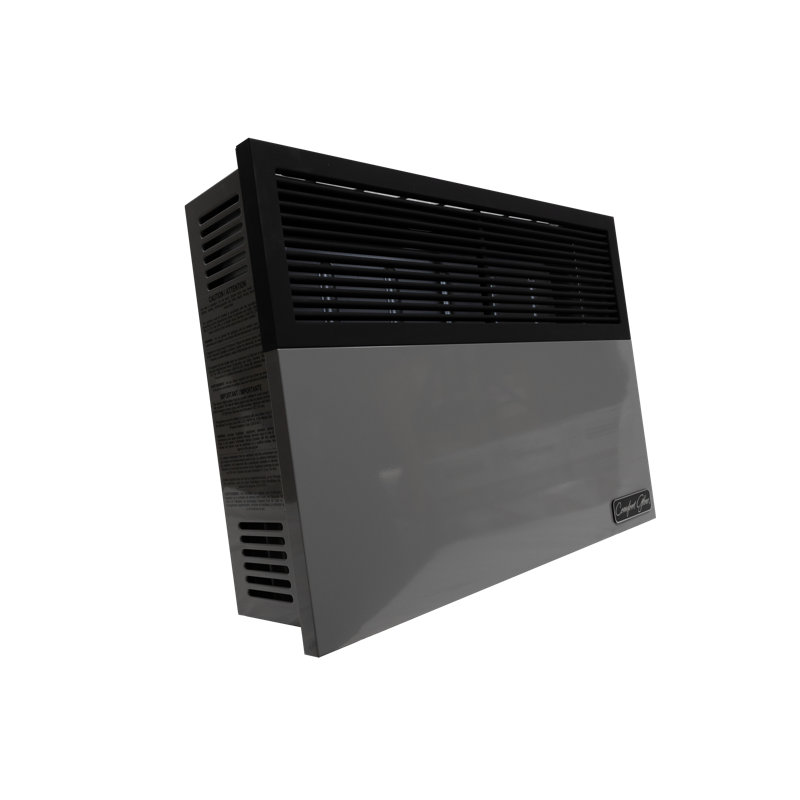
Affordable models do not always mean low quality. Comfort Glow and Dyna-Glo offer budget heaters with solid performance. These brands focus on simple design and easy use.
Many budget heaters have direct vent systems for safe indoor air. They may lack extra features but provide reliable warmth. Ideal for small rooms or occasional use.
Features To Look For
Check for safety features like oxygen depletion sensors. These sensors turn off the heater if oxygen runs low. A thermostat helps control room temperature automatically.
Look for easy installation options. Some models include wall-mount kits or floor stands. Remote controls add convenience. Also, consider heater size to match your room.
Tips For Maximizing Warmth Off-grid
Maximizing warmth off-grid takes more than just a direct vent propane heater. It needs smart planning and simple tricks. These tips help keep your space cozy without electricity. They save propane and make your heater work better. Warmth lasts longer, and comfort stays high.
Insulation Ideas
Seal windows and doors to stop cold air leaks. Use weather stripping or plastic film for easy fixes. Add heavy curtains to keep heat inside. Cover floors with rugs or mats to block cold from below. Insulate walls with foam boards or blankets for extra warmth. These steps lower heat loss and keep your room warm.
Supplemental Heating Methods
Use a wood stove or small fireplace to add heat. Place heat packs near your seating area for quick warmth. Use solar air heaters during sunny days to warm the air. Layer blankets and wear warm clothing indoors. These methods support your propane heater and reduce fuel use.
Energy Conservation Practices
Close doors to unused rooms to keep heat focused. Turn off lights and devices that produce no heat. Cook meals that warm your kitchen naturally. Use body heat by sharing space with others. Lower your heater’s thermostat slightly at night. These habits save energy and keep your space warm longer.
Credit: www.startup-o.com
Frequently Asked Questions
What Is A Direct Vent Propane Heater Without Electricity?
A direct vent propane heater uses outside air for combustion. It does not need electricity to operate. This makes it good for places without power.
How Does A Direct Vent Propane Heater Work Without Power?
It pulls fresh air from outside through a vent. The propane burns inside a sealed chamber. The heat then warms the room without electric fans.
Are Direct Vent Propane Heaters Safe To Use Indoors?
Yes, they are safe because they vent gases outside. The sealed system prevents harmful fumes from entering your home. Proper installation is important for safety.
Can A Direct Vent Propane Heater Heat Large Spaces Efficiently?
These heaters work best in small to medium rooms. Large spaces may need multiple units or extra heating sources. They provide steady, even warmth without electricity.
What Are The Benefits Of Using No-electricity Propane Heaters?
They work during power outages or remote locations. These heaters are energy efficient and cost-effective. Plus, they require little maintenance and provide reliable heat.
Conclusion
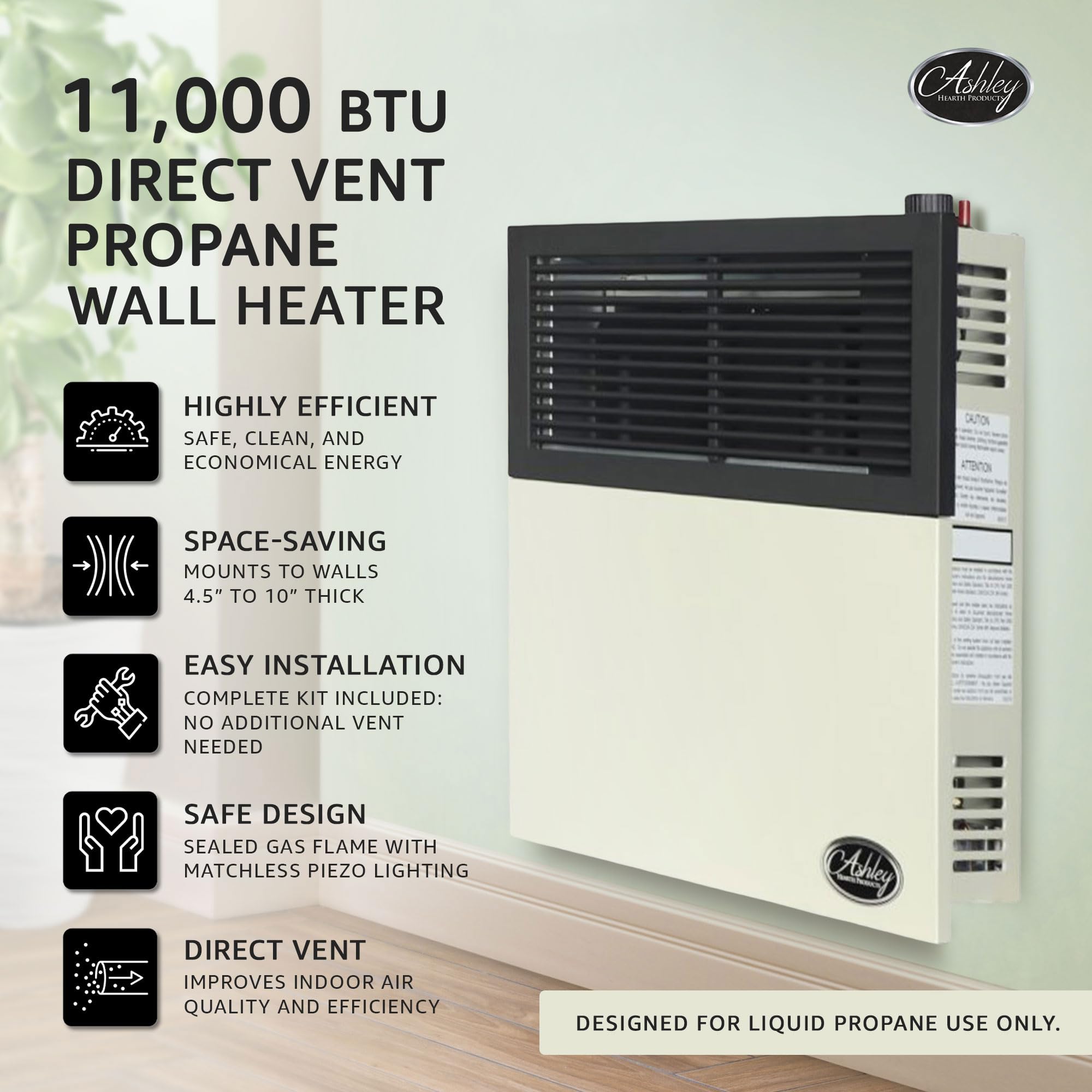
Direct vent propane heaters work well without electricity. They offer reliable heat even during power outages. These heaters use fresh air from outside, keeping your room safe. They are easy to install and save energy. No need to worry about noisy fans or electricity bills.
Choose a direct vent propane heater for simple, efficient warmth. Stay comfortable and warm when you need it most.