
Are you using an oil heater to keep your home warm? Before you turn it on, it’s important to know the hidden dangers that come with it.
Oil heaters might seem safe and convenient, but they can pose serious risks to you and your family. From fire hazards to health concerns, these risks are often overlooked until it’s too late. Keep reading to discover what you need to watch out for and how to protect your loved ones from the dangers of oil heaters.
Your safety could depend on it.
Fire Hazards
Oil heaters are popular for keeping rooms warm during cold months. Yet, they can cause serious fire hazards if not used correctly. Understanding these risks helps keep your home safe and warm.
Overheating Risks
Oil heaters can overheat if left on too long. Overheating may cause the heater’s parts to melt or catch fire. Always turn off the heater when you leave the room. Use heaters with built-in safety features to prevent overheating.
Flammable Materials Nearby
Keep flammable items away from oil heaters. Curtains, papers, and clothes can catch fire easily. Place the heater at least three feet from any flammable object. Avoid drying clothes on or near the heater.
Faulty Wiring Issues
Faulty wiring in oil heaters can spark fires. Old or damaged cords increase fire risk. Regularly check the heater’s wiring for damage. Use a certified electrician to repair or replace faulty parts.
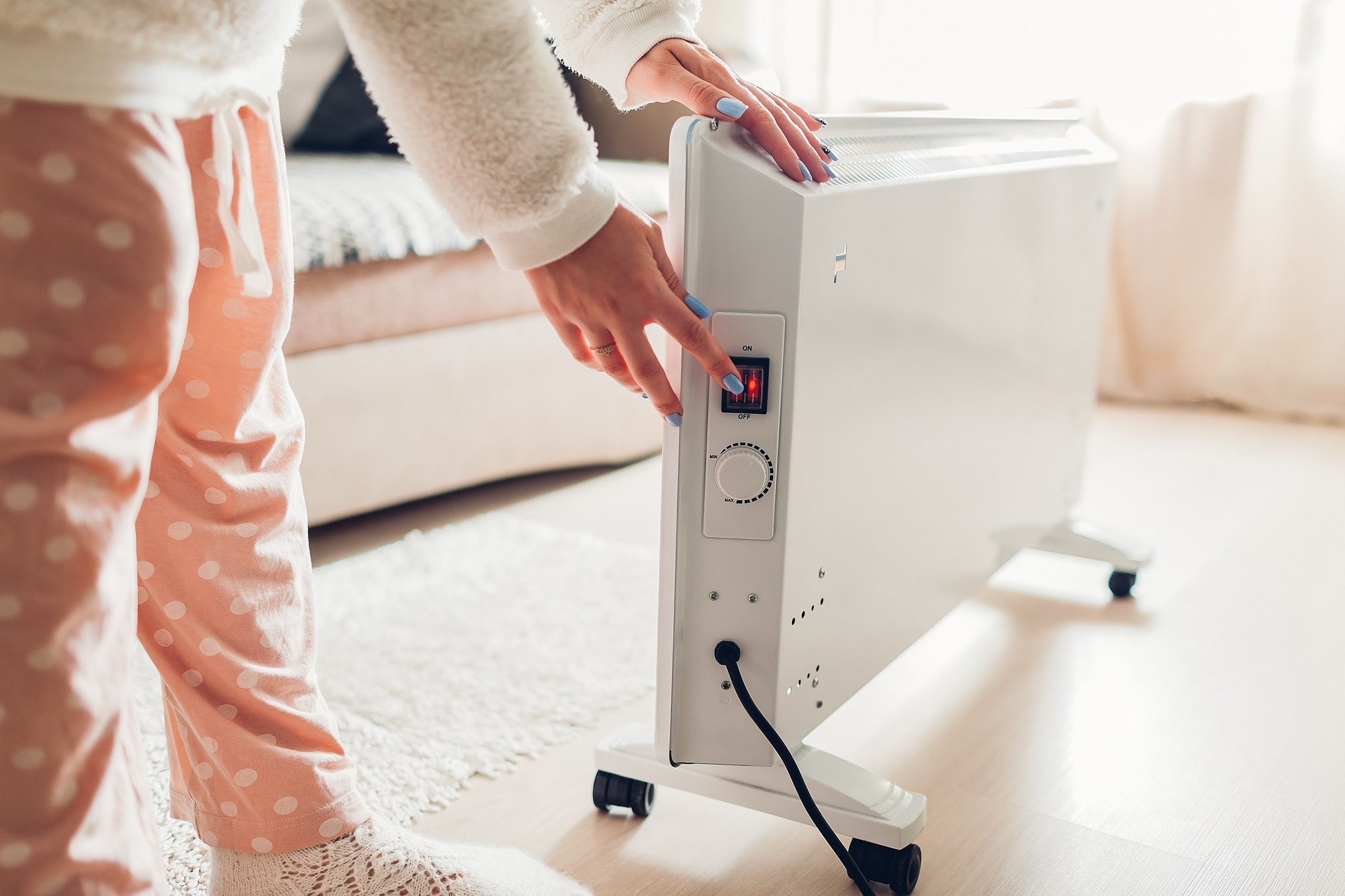
Credit: www.dsfire.gov.uk
Health Concerns
Oil heaters provide warmth but pose some health risks. These risks affect the air you breathe and your overall well-being. Understanding these concerns helps you stay safe and healthy during colder months.
Indoor Air Quality Impact
Oil heaters can reduce indoor air quality. They may release small particles into the air. These particles irritate the lungs and cause coughing or discomfort. Poor ventilation worsens this effect. Keeping windows slightly open can help freshen the air.
Carbon Monoxide Exposure
Oil heaters that are not well maintained can produce carbon monoxide. This gas is colorless and odorless but very dangerous. High levels cause headaches, dizziness, or even loss of consciousness. Installing a carbon monoxide detector in the room is essential.
Allergy And Asthma Triggers
Dust and oil residues from heaters can trigger allergies. People with asthma may experience more frequent attacks. The heat dries the air, making breathing harder for some. Using a humidifier and cleaning the heater regularly reduces these problems.
Electrical Safety
Electrical safety is a key concern when using oil heaters. These devices draw significant power and must be handled carefully. Faulty wiring or misuse can lead to serious hazards. Understanding the electrical risks helps keep your home safe.
Short Circuits
Short circuits happen when electricity flows through an unintended path. This can cause sparks or fires. Oil heaters with damaged cords or internal faults increase this risk. Regularly check cables for wear and tear. Avoid placing heaters where cords can get pinched or bent.
Power Surges
Power surges occur when electricity spikes suddenly. These surges can damage the heater’s electrical parts. Using a surge protector can help prevent damage. Avoid plugging the heater into overloaded outlets. This reduces the risk of electrical failure and hazards.
Proper Usage Guidelines
Always follow the manufacturer’s instructions for safe use. Use the heater on a flat, stable surface away from water. Never cover the heater or block its vents. Turn off and unplug the heater when not in use. Keeping these habits protects against electrical accidents.
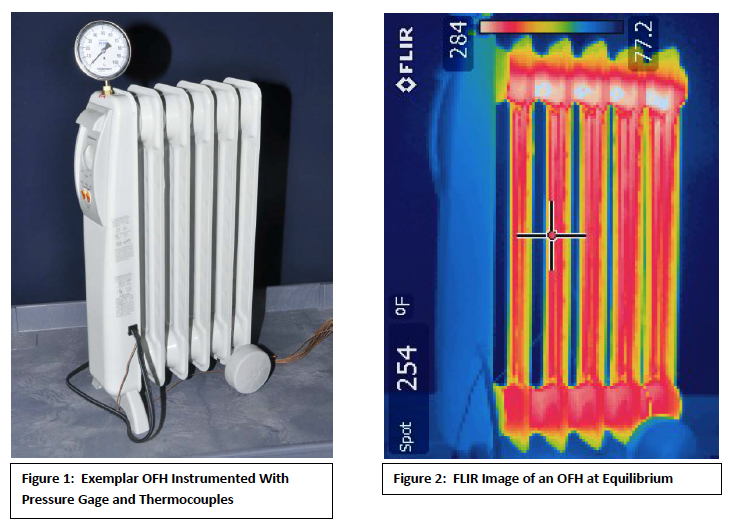
Credit: www.nafi.org
Maintenance Challenges
Oil heaters need regular care to work safely and efficiently. Maintenance is a common challenge that many users face. Without proper attention, these heaters can become unsafe and less effective.
Cleaning, checking for damage, and professional help are all important parts of upkeep. Ignoring these tasks can cause problems and increase risks.
Regular Cleaning Needs
Dust and dirt gather on oil heaters over time. This buildup can block vents and reduce heat output. Cleaning the heater regularly keeps it running smoothly and safely. Use a soft cloth and avoid harsh chemicals. A clean heater also uses less energy.
Wear And Tear Signs
Oil heaters show wear through cracks, leaks, or strange noises. These signs mean the heater may be unsafe. Look for oil spots or strange smells too. Early detection of damage helps prevent accidents. Replace worn parts quickly to keep the heater safe.
Professional Servicing Importance
Experts know how to check oil heaters properly. They find hidden problems that users might miss. Regular service keeps the heater in good condition. Professionals also clean internal parts and refill oil if needed. Scheduling service every year can extend the heater’s life and improve safety.
Energy Consumption
Oil heaters consume a lot of energy to produce heat. This high energy use affects your electricity bill and overall cost of heating. Understanding energy consumption helps you make better choices for home warmth.
High Electricity Bills
Oil heaters use electricity to warm the oil inside. This process takes more power than many other heaters. Running an oil heater for hours raises your electricity bill quickly. Many users notice a big jump in monthly costs during cold months.
Efficiency Comparisons
Oil heaters are less efficient than some modern heating devices. Infrared and ceramic heaters convert electricity directly into heat. They waste less energy and warm rooms faster. Oil heaters take longer to heat and lose heat when off.
Cost-effective Alternatives
Choosing energy-efficient heaters can save money in the long run. Electric blankets, heat pumps, and pellet stoves use less power. These options deliver warmth without high electricity costs. They keep your home comfortable and your bills lower.

Credit: www.vonhaus.com
Child And Pet Safety
Oil heaters provide warmth during cold days. Yet, they pose risks for children and pets. These risks need attention to keep homes safe. Understanding these dangers helps prevent accidents and injuries.
Burn Risks
Oil heaters get very hot on the surface. Children and pets may touch them by mistake. Such contact can cause serious burns. Burns can be painful and take time to heal. Always watch young ones around heaters to avoid burns.
Tipping Hazards
Oil heaters can tip over easily. Kids playing or pets moving near them cause this. A falling heater may cause burns or start fires. Some heaters have safety features to stop tipping. Still, placing heaters where they cannot fall is best.
Safe Placement Tips
Keep heaters away from toys, beds, and curtains. Place them on flat, stable surfaces. Use barriers or gates to block child and pet access. Turn off heaters when no one is near. These steps reduce risks and keep everyone safe.
Frequently Asked Questions
What Are The Common Risks Of Using Oil Heaters?
Oil heaters can cause burns, fires, and electric shocks if used wrongly. They may overheat or tip over, leading to accidents. Proper use reduces these risks significantly.
Can Oil Heaters Cause Indoor Air Pollution?
Yes, oil heaters can release fumes and odors that lower indoor air quality. Poor ventilation increases health risks like headaches or breathing issues. Always ensure good airflow when using them.
How Can Oil Heaters Start A Fire At Home?
Oil heaters can ignite nearby flammable items like curtains or papers. Overheating or electrical faults also increase fire risk. Keep heaters away from anything that can catch fire.
Are Oil Heaters Safe For Children And Pets?
Oil heaters can cause serious burns if touched by kids or pets. They should be placed where children and animals cannot reach them. Supervision is important to avoid accidents.
What Maintenance Is Needed For Oil Heaters To Stay Safe?
Regular cleaning and checking for leaks keep oil heaters safe. Inspect cords and plugs for damage before each use. Proper care helps prevent malfunctions and hazards.
Conclusion
Oil heaters can cause serious safety risks in homes. Fires may start if they overheat or tip over. Breathing problems can happen from poor air quality near heaters. Always keep heaters away from curtains and furniture. Use them carefully and follow all safety instructions.
Staying alert helps protect your family and property. Choose safer heating options when possible. Safety should always come first during cold seasons.