
Are you trying to decide between convector heaters and baseboard heaters for your home? Choosing the right heating system can make a big difference in your comfort and energy bills.
But with so many options, it’s easy to feel overwhelmed. This essential guide breaks down everything you need to know in simple terms. By the end, you’ll have a clear understanding of how each heater works, their benefits, and which one fits your needs best.
Keep reading to find the perfect heating solution for your space.

Credit: cart2india.com
How Convector Heaters Work
Convector heaters warm a room by moving air over a hot surface. This process raises the air temperature quickly and spreads heat evenly. These heaters work quietly and efficiently. Understanding how convector heaters operate helps in choosing the right heating option for your space.
Heat Distribution Mechanism
Convector heaters use convection to spread warmth. Cool air enters the heater from the bottom or sides. It passes over a heated metal element inside. This heats the air, which then rises naturally. The warm air moves into the room, while cooler air replaces it. This cycle repeats, creating steady heat flow. This method heats the room without blowing hot air directly.
Typical Designs And Features
Most convector heaters have a slim, rectangular shape. They often mount on walls or sit on floors. The heating element is usually hidden behind metal panels. Some models include a fan to boost airflow. Others rely solely on natural convection. Controls like thermostats and timers help manage temperature. Many units come with safety features such as overheat protection. Their simple design fits many home styles.

Credit: www.baseboardheatercovers.com
How Baseboard Heaters Work
Baseboard heaters are a popular choice for home heating. They use electricity or hot water to warm rooms. Understanding how these heaters work helps you choose the right one for your space. Below, we explore their heat distribution and design features.
Heat Distribution Mechanism
Baseboard heaters warm the air near the floor. Heat rises naturally, moving warmth throughout the room. The heater’s metal fins increase surface area. This design helps spread heat evenly. Warm air pushes cooler air upward. This cycle creates a steady, gentle heat flow.
Typical Designs And Features
Most baseboard heaters have a long, narrow shape. They fit along the wall near the floor. Electric versions use metal heating elements inside. Hydronic types circulate hot water through pipes. Both types include fins to spread heat. Some models have built-in thermostats for control. They operate quietly, making them good for bedrooms.
Energy Efficiency Comparison
Energy efficiency plays a key role in choosing the right heater for your home. It affects your electricity bills and comfort. Both convector and baseboard heaters have different ways of using energy. Understanding their energy use helps you pick the best option.
This section compares their power consumption and heat retention abilities. These factors show how well each heater saves energy while keeping you warm.
Power Consumption
Convector heaters often use more power at startup to warm the air quickly. They cycle on and off to keep the room temperature steady. Baseboard heaters run at a steady power level. They use electricity slowly but continuously. Baseboard heaters usually consume less power over time. They avoid the spikes seen in convector heaters.
Heat Retention
Baseboard heaters hold heat longer because of their metal fins. They release warmth slowly, even after turning off. This saves energy by reducing the heater’s running time. Convector heaters cool down quickly when off. They lose heat fast since they rely on air circulation. This makes baseboard heaters better at keeping a room warm efficiently.
Installation And Space Requirements
Understanding the installation and space needs is key for choosing the right heater. Convector and baseboard heaters differ in how they fit and where they go. This section explains these differences clearly.
Setup Process
Convector heaters usually need wall mounting or placement near an electrical outlet. Installing them may require an electrician if hardwired. They often come with clear instructions for easy setup.
Baseboard heaters get mounted along the base of a wall. Installation requires securing the unit firmly and connecting to power. Professional help is often recommended for safety and proper wiring.
Space Utilization
Convector heaters take up less floor space. They fit well in smaller rooms or tight corners. Their slim design allows for flexible placement without blocking pathways.
Baseboard heaters cover more wall length but stay low to the floor. They do not block windows or furniture. These heaters blend with baseboards and use space efficiently along walls.
Cost Analysis
Understanding the cost of convector and baseboard heaters helps you choose the best option. Costs include upfront price and ongoing expenses. Both affect your budget differently. Let’s explore these key cost areas.
Initial Investment
Convector heaters usually cost more to buy. Their design and technology raise the price. Baseboard heaters have a lower price tag. They are simple and easy to install. Installation costs for convectors can be higher. They might need special wiring or placement. Baseboard heaters often need less work to install. This can save money upfront.
Long-term Expenses
Convector heaters run efficiently. They heat rooms faster and use less power. This can lower monthly energy bills. Baseboard heaters use more energy over time. They provide steady heat but take longer to warm a room. Maintenance costs for both are low. Baseboard heaters have fewer parts that can break. Convector heaters may require occasional checks to keep working well.
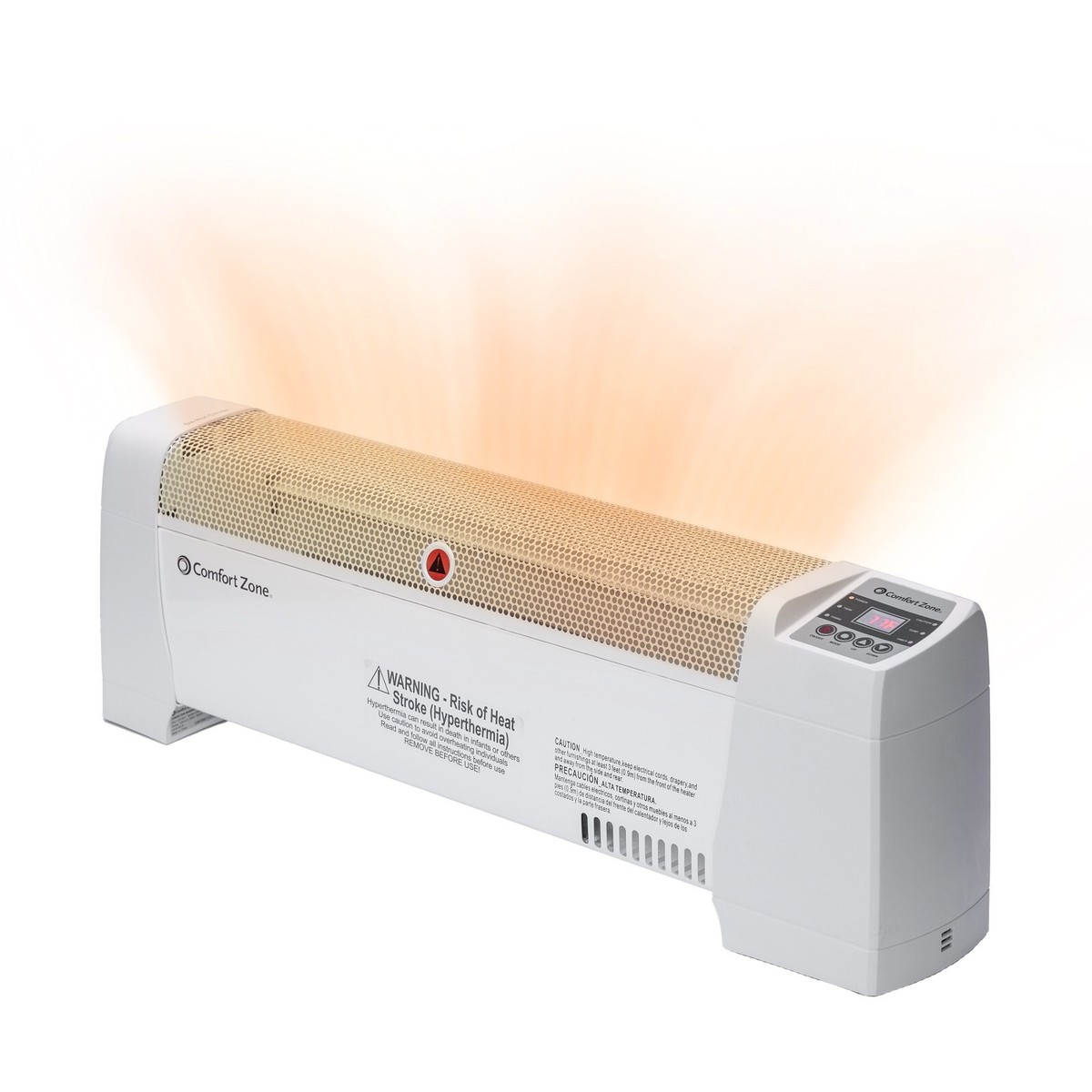
Credit: www.ebay.com
Maintenance And Durability
Maintenance and durability are key factors when choosing between convector and baseboard heaters. Proper care keeps heaters working well and safe. Durability ensures they last long without frequent repairs or replacements. Understanding these aspects helps you make a smart choice for your home heating.
Routine Care
Convector heaters need regular dusting to avoid blockages. Dust can reduce heat output and cause overheating. Use a soft cloth or vacuum to clean vents often.
Baseboard heaters require clearing of dust and debris too. Keep objects and curtains away to prevent fire risks. Check for any loose wires or damage regularly.
Both types benefit from an annual professional inspection. This check helps spot problems early and keeps heaters efficient.
Lifespan Expectations
Convector heaters usually last about 10 to 15 years with good care. Over time, parts may wear out and need replacement.
Baseboard heaters can last 20 years or more. Their simple design makes them durable and less prone to breakdowns.
Choosing a heater with quality materials extends its lifespan. Regular maintenance also plays a big role in how long it lasts.
Safety Features
Safety is a key factor when choosing between convector and baseboard heaters. Both types have features designed to reduce risks and protect users. Understanding these safety features helps you make a smart choice for your home.
Common Risks
Heaters can cause burns if touched while hot. This risk is higher with baseboard heaters because their surface gets very warm. Convector heaters usually have cooler surfaces, lowering burn chances.
Fire hazards occur if heaters are placed near flammable items. Dust buildup inside heaters can also start fires. Electric shocks are rare but possible if heaters are damaged or wet.
Built-in Protections
Most modern heaters include automatic shut-off features. This activates if the unit overheats or tips over. Thermal cutoffs stop heating if temperatures get too high.
Baseboard heaters often have protective grills to prevent direct contact. Convector heaters have enclosed heating elements, reducing burn risks. Some models also include timers and temperature controls for safer use.
Best Use Cases
Choosing between convector and baseboard heaters depends on how and where you plan to use them. Each type has strengths suited for specific situations. Knowing the best use cases helps make the right choice.
Ideal Room Types
Convector heaters work best in rooms where quick heat is needed. They warm the air fast and spread it evenly. These heaters suit living rooms, kitchens, and offices.
Baseboard heaters fit well in bedrooms and small spaces. They provide gentle, steady warmth. They are good for rooms where quiet heating is important.
Climate Suitability
Convector heaters handle colder climates well. They raise room temperature quickly on cold days. This makes them suitable for places with harsh winters.
Baseboard heaters are better for mild climates. They keep rooms warm without using too much power. Ideal for areas with mild or variable weather.
User Experience And Noise Levels
User experience and noise levels play a big role in choosing between convector and baseboard heaters. Comfort and quietness affect daily life in your home. This section explains how these heaters feel and sound during use. It helps you pick the right option for your needs.
Comfort Impact
Convector heaters warm the air quickly and spread heat evenly. This creates a cozy room with steady warmth. The heat feels soft and natural. Baseboard heaters heat the air near the floor. Warm air rises slowly, so the room warms up more gently. Both types keep the space comfortable but in different ways.
Convector heaters can cool down faster when turned off. Baseboard heaters keep warmth longer because of their metal fins. This affects how the heat feels over time. Your choice depends on how you want heat to flow in your room.
Sound Emission
Convector heaters often have fans. Fans can make a low humming or buzzing sound. Some models are quieter, but noise is still possible. Baseboard heaters use natural air flow. They have almost no noise while running. This is better for quiet rooms like bedrooms.
Sound levels matter if you work or sleep near the heater. Baseboard heaters provide a silent warmth experience. Convector heaters may distract some people because of the fan noise. Consider your noise sensitivity before choosing.
Frequently Asked Questions
What Is The Main Difference Between Convector And Baseboard Heaters?
Convector heaters warm air by circulating it through fins, while baseboard heaters use radiant heat. This makes convectors faster at heating a room. Baseboards provide steady, gentle warmth over time.
Which Heater Is More Energy Efficient: Convector Or Baseboard?
Baseboard heaters tend to be more energy efficient because they operate quietly and steadily. Convector heaters can use more energy due to faster air circulation. Efficiency depends on room size and insulation quality.
Can Convector Heaters Heat Large Rooms Effectively?
Convector heaters work best in small to medium rooms where air can circulate easily. Large rooms may need multiple units or a different heating method. Baseboard heaters can also struggle with big spaces.
Are Baseboard Heaters Safer For Homes With Children?
Baseboard heaters have lower surface temperatures, reducing burn risks for kids. Convector heaters can get hotter on the surface, which may cause burns. Both types require careful placement and supervision.
How Noisy Are Convector Heaters Compared To Baseboard Heaters?
Convector heaters usually produce a mild fan noise while running. Baseboard heaters operate silently since they rely on radiant heat. Noise levels can affect comfort in bedrooms or quiet spaces.
Which Heater Type Is Easier To Install And Maintain?
Baseboard heaters are simpler to install along walls and need little upkeep. Convector heaters may require more complex setup and occasional cleaning of air vents. Maintenance depends on model and usage frequency.
Conclusion
Choosing between convector and baseboard heaters depends on your needs. Convector heaters warm the air quickly and spread heat evenly. Baseboard heaters work quietly and heat objects around them. Both have pros and cons to consider. Think about room size, budget, and installation ease.
Your comfort matters most in cold weather. Take time to decide what fits your home best. This guide helps you make a smart choice. Stay warm and cozy this winter!