
Choosing the right heater for your home can feel confusing, especially when you come across terms like convector and baseboard heaters. You want a heating solution that keeps your space warm, saves energy, and fits your lifestyle.
But how do you know which one is best for you? This article breaks down the key differences between convector and baseboard heaters in a simple way. By the end, you’ll feel confident about making the right choice to keep your home cozy and comfortable all winter long.
Keep reading to discover which heater suits your needs perfectly.
How Convector Heaters Work
Convector heaters provide warmth by moving air through the heater. They use a simple process to heat rooms quickly and evenly. Understanding how convector heaters work helps in choosing the right heating system for your home.
Heat Transfer Process
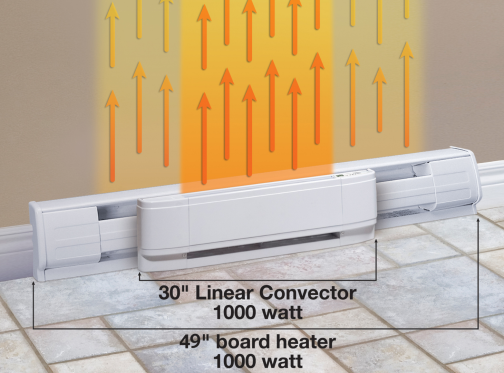
Convector heaters warm the air around them. Cold air enters from the bottom of the heater. It passes over a hot element inside. The element heats the air, which then rises naturally. This warm air spreads throughout the room. As the warm air moves up, cooler air takes its place. This cycle continues, creating a steady flow of heat.
Typical Designs
Most convector heaters have a metal heating element. The element is surrounded by fins or panels. These parts increase the surface area for better heat transfer. Some models include a fan to speed up airflow. Others rely on natural air movement. Designs vary but all focus on efficient, even heat distribution.
Credit: www.advancedresources.com
How Baseboard Heaters Work
Baseboard heaters are common in many homes. They use simple technology to warm rooms efficiently. Understanding how baseboard heaters work helps in choosing the right heating system.
These heaters rely on electric resistance or hot water to produce heat. The heat rises naturally, warming the air around the room. This process creates a steady and comfortable temperature.
Heat Distribution
Baseboard heaters spread heat evenly along the wall. Warm air rises from the heater’s fins or tubes. Cooler air moves in to replace the warm air, creating a cycle. This cycle circulates heat without noisy fans. The result is a calm and consistent warmth in the room.
Installation Types
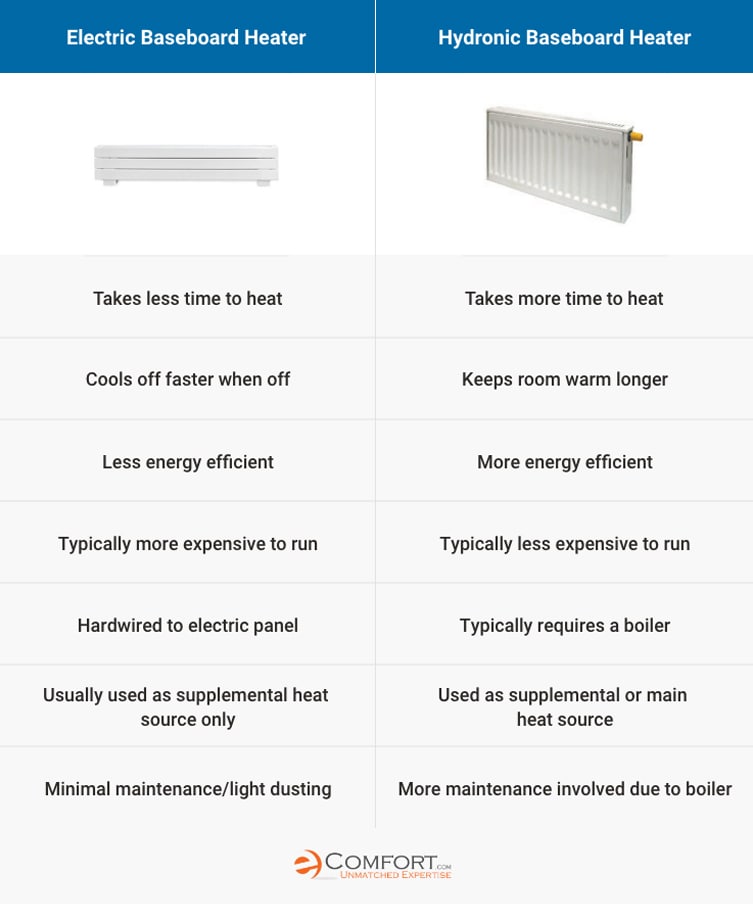
Electric baseboard heaters are the easiest to install. They connect directly to the home’s electrical system. Hydronic baseboard heaters use hot water from a boiler. Pipes run behind the baseboard unit to carry hot water. Both types fit under windows or along walls. Placement helps reduce cold air drafts near windows.
Energy Efficiency Comparison
Energy efficiency is a key factor when choosing between convector and baseboard heaters. It affects your electricity bills and how comfortable your home feels. Understanding how each heater uses power and holds heat helps you make a smart choice.
Power Consumption
Convector heaters use electricity to heat air quickly. They often have fans to spread warm air faster. This can mean they use more power in short bursts. Baseboard heaters run quietly and heat slowly by warming the air near the floor. They usually use less power at once but stay on longer. Both types can be efficient if used properly. Your choice depends on how you want to balance speed and steady heating.
Heat Retention
Baseboard heaters keep warmth longer after turning off. Their design allows heat to stay near the floor, spreading slowly upwards. This helps maintain a steady temperature with less energy. Convector heaters cool down faster once off. Warm air rises and leaves the room quickly. This means they may need to turn on again sooner. Heat retention affects comfort and how often the heater runs.
Credit: hognerdobrasil.com.br
Cost Considerations
Cost plays a big role in choosing between convector and baseboard heaters. Understanding the expenses helps in making the right choice for your home and budget. Both types have different costs to consider before buying and using them.
Initial Investment
Baseboard heaters usually cost less to buy. They are simple in design and easy to install. Convector heaters tend to be pricier because of their parts and technology. Installation might also cost more for convector heaters. Think about the price of the heater and the cost to set it up.
Operational Expenses
Baseboard heaters often use more electricity. This can lead to higher monthly bills. Convector heaters are more energy-efficient, saving money over time. The size of the room and how often you heat it affect the cost. Choose a heater that fits your needs to keep costs low.
Installation And Maintenance
Installation and maintenance are key factors in choosing between convector and baseboard heaters. Both affect your time, effort, and future costs. Understanding these aspects helps you pick the right heater for your home.
Setup Requirements
Convector heaters need wall mounting or floor placement. They require a power source nearby. Some models need professional electrical work.
Baseboard heaters install along the base of walls. Installation involves wiring inside the wall. A professional electrician is often necessary. This ensures safety and proper function.
Both heaters need clearance around them. Avoid blocking airflow to maintain efficiency. Setup time varies but usually takes a few hours.
Longevity And Repairs
Convector heaters last around 10-15 years with care. Their parts can be easy to replace. Repairs are usually simple and quick.
Baseboard heaters often last longer, up to 20 years. They have fewer moving parts, reducing breakdowns. Repairs might require more time and expertise.
Regular cleaning is important for both types. Dust and debris can reduce heater performance. Checking wiring and connections prevents hazards and extends life.
Best Use Cases
Choosing between convector and baseboard heaters depends on how and where you plan to use them. Each type has strengths that fit specific rooms and climates. Understanding these differences helps make the right choice for your home comfort.
Room Size And Layout
Convector heaters work well in medium to large rooms. They warm the air quickly and spread heat evenly. Open spaces benefit most from convector heaters because the heat moves freely.
Baseboard heaters suit small to medium rooms. They heat the area near walls gently and quietly. Rooms with limited space or complex shapes may find baseboard heaters easier to place.
Climate Suitability
Convector heaters perform best in colder climates. They raise room temperature fast, making cold days more comfortable. These heaters keep the air moving, which helps to avoid cold spots.
Baseboard heaters fit mild to moderate climates. They provide steady warmth without overheating the room. In places where winters are not very harsh, baseboard heaters offer a cost-effective solution.
Safety And Noise Levels
Safety and noise levels matter a lot when choosing heaters for your home. Both convector and baseboard heaters have unique features. Knowing their risks and sounds helps you pick the best option for comfort and peace.
Hazard Risks
Baseboard heaters get very hot to touch. This can cause burns, especially for children or pets. They also need space around them to avoid fire risks. Dust buildup on baseboards can lead to smoke or fire hazards.
Convector heaters stay cooler on the surface. They use air circulation to spread heat. This lowers the chance of burns and fire. Still, dust can affect their efficiency and safety if not cleaned often.
Sound Emissions
Baseboard heaters run silently. They have no moving parts that make noise. This makes them great for bedrooms and quiet areas. You won’t hear any humming or buzzing sounds.
Convector heaters sometimes produce a low fan noise. This helps move warm air faster. The sound is usually soft but may bother very sensitive people. Choosing a model with quiet fans can reduce noise distractions.
User Experience And Comfort
User comfort is a key factor in choosing between convector and baseboard heaters. The way heat spreads and affects the room changes how cozy you feel. This section looks at heat consistency and air quality impact. Both affect daily comfort and overall experience.
Heat Consistency
Convector heaters warm the air quickly. They use fans or natural air movement to spread heat. The heat moves up and circulates around the room. This can cause uneven warmth, with hot air near the heater and cooler spots far away.
Baseboard heaters provide steady, gentle heat. They warm the objects and air near the floor. The heat rises slowly, creating a more even temperature in the room. This steady warmth feels comfortable for long periods.
Air Quality Impact
Convector heaters can stir up dust and allergens. The air movement moves particles around the room. This can bother people with allergies or breathing problems.
Baseboard heaters do not blow air. They heat quietly without moving dust. This helps keep the air cleaner and fresher. Many find this better for health and comfort.
Environmental Impact
The environmental impact of heating systems matters a lot today. Choosing between convector and baseboard heaters affects energy use and emissions. Understanding these effects helps in picking a greener option for your home.
Carbon Footprint
Convector heaters often warm air faster but may use more electricity. This can lead to higher carbon emissions if the power comes from fossil fuels. Baseboard heaters run quietly and use steady energy, sometimes lowering overall emissions. The source of electricity greatly changes the carbon footprint of both types.
Sustainability Factors
Materials and lifespan play a role in sustainability. Baseboard heaters usually contain simple parts that last long and need less replacement. Convector heaters may use more complex components, which can affect waste and recycling. Energy efficiency also matters; heaters that save power reduce environmental strain. Choosing energy-efficient models supports a sustainable future.
:max_bytes(150000):strip_icc()/convection-vs-hydronic-electric-baseboard-heaters-1821911_FINAL-ab6a04e928824ed597b49c0fd2f92286.jpg)
Credit: www.thespruce.com
Frequently Asked Questions
What Is The Main Difference Between Convector And Baseboard Heaters?
Convector heaters warm the air quickly using convection currents. Baseboard heaters provide steady heat by warming objects near them.
Which Heater Is More Energy Efficient, Convector Or Baseboard?
Baseboard heaters often use less energy for steady, gentle heat. Convector heaters may use more power to heat air fast.
Are Convector Heaters Better For Large Rooms Or Small Rooms?
Convector heaters work well in small to medium rooms due to fast air circulation. They may struggle to heat very large spaces evenly.
Can Baseboard Heaters Cause Safety Issues?
Baseboard heaters are generally safe but can get hot to touch. Keep flammable items away to prevent fire risks.
How Fast Do Convector Heaters Warm A Room?
Convector heaters warm a room quickly by moving warm air around. You can feel heat within minutes after turning them on.
Do Baseboard Heaters Require Much Maintenance?
Baseboard heaters need little maintenance, just occasional cleaning to remove dust. This keeps them working efficiently and safely.
Conclusion
Choosing between convector and baseboard heaters depends on your needs. Convector heaters warm up a room quickly and spread heat evenly. Baseboard heaters work quietly and fit well under windows. Both types use electricity but differ in design and efficiency.
Think about room size, budget, and noise levels. Each option offers comfort in different ways. Consider what suits your home best. This helps you stay warm and save energy during cold months.