
When it comes to heating your home, you want a system that keeps you comfortable without draining your wallet. But how do you choose between convection and hydronic heating?
Understanding the difference can save you money, boost your comfort, and make your home more energy-efficient. You’ll discover what sets these two heating methods apart and which one might be the perfect fit for your space. Keep reading—you’re about to make a smart choice that will transform the way you feel at home.
Credit: www.esseg.eu
How Convection Heating Works
Convection heating warms a room by moving warm air around. It uses the natural flow of air to spread heat evenly. Warm air rises and cooler air sinks, creating a cycle that heats the space.
This method is common in many homes and buildings. It is simple but effective for keeping areas comfortable.
Basic Principles
Convection heating works by heating air near a heat source. The warm air rises and pushes cooler air down. This movement creates a flow called a convection current. The cycle repeats until the room reaches the desired temperature. It uses the natural rise and fall of air to spread heat.
Common Types
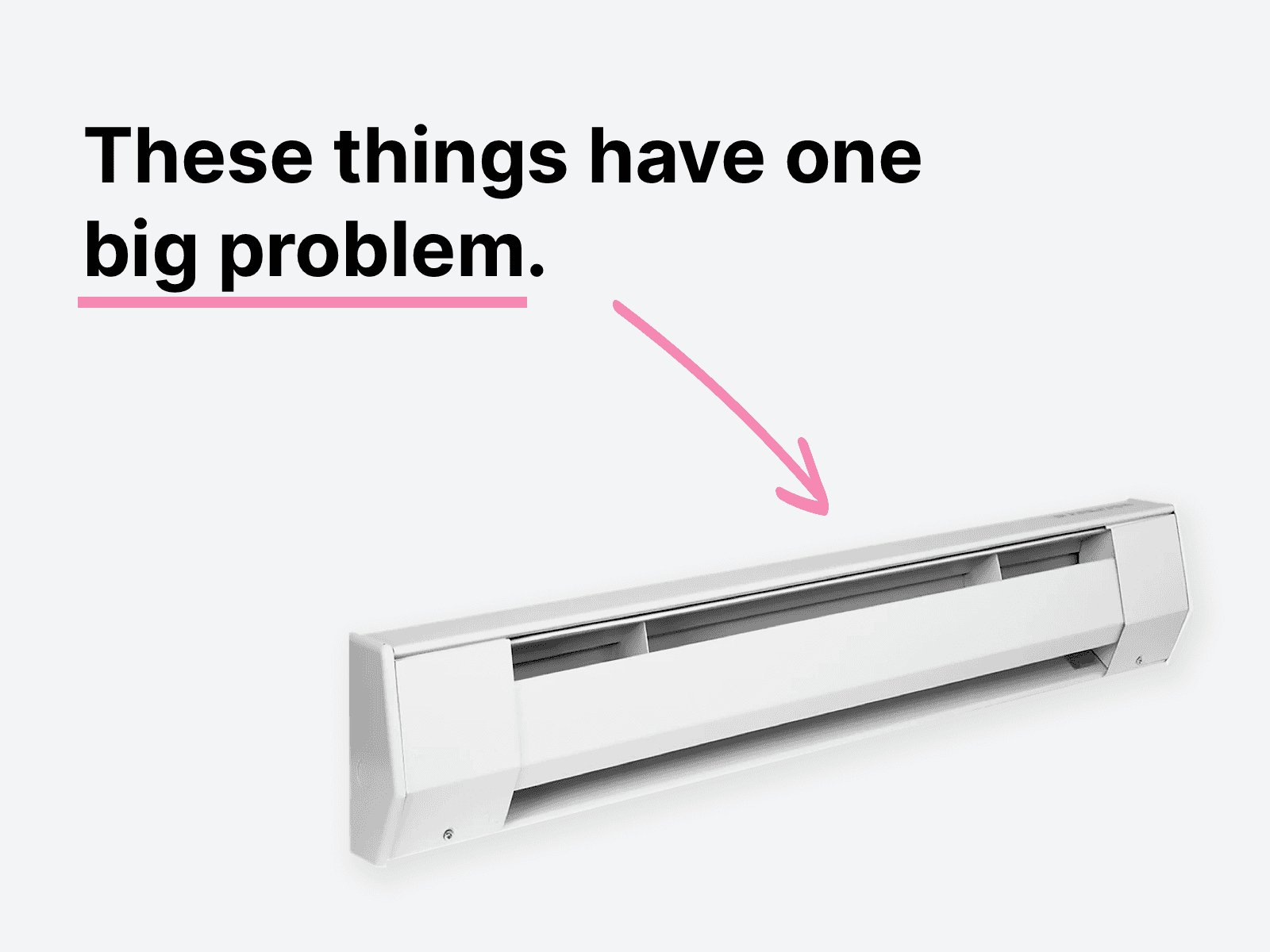
Common convection heaters include baseboard heaters, fan heaters, and wall units. Baseboard heaters warm air near the floor. Fan heaters blow warm air into the room quickly. Wall units combine heating elements with fans for fast heat. Each type uses air movement to spread warmth effectively.
Advantages And Drawbacks
Convection heating provides steady and even warmth. It heats large spaces without hot spots. These systems are usually easy to install and maintain. They work quietly and use less energy than some other methods.
Drawbacks include slower heating compared to forced air systems. Dust and allergens can spread with air movement. It may not heat very large or open spaces well. Some models can dry out the air inside a room.
How Hydronic Heating Works
Hydronic heating warms your home using hot water. A boiler heats water to a set temperature. This hot water moves through pipes hidden in floors or walls. The heat then spreads evenly to the rooms.
This system uses water as a heat carrier. Water holds heat well. It moves heat quietly and efficiently. This makes hydronic heating very comfortable.
System Components
The main parts include a boiler, pipes, and heat emitters. Boilers burn gas, oil, or electricity to heat water. Pipes carry the hot water to each room. Heat emitters release heat into the air. These can be radiators, baseboards, or floor panels. A pump keeps the water flowing. A thermostat controls the temperature automatically.
Heat Distribution Methods
Heat moves through the water in pipes. Radiators warm the air around them. Baseboard heaters send heat out at floor level. Underfloor heating warms the entire floor surface. This helps heat rise evenly into the room. The warmth feels natural and steady. It avoids cold spots and drafts.
Pros And Cons
Hydronic heating is energy efficient and quiet. It provides steady, even heat. The system lasts many years with care. It works well with wood, tile, or carpet floors.
The setup cost can be higher than other systems. Installation needs skilled professionals. Repairs might be costly if pipes leak. The system takes time to heat up.
Energy Efficiency Comparison
Energy efficiency plays a big role in choosing between convection and hydronic heating. Both systems use energy differently to warm your home. Understanding how they retain heat, consume power, and impact the environment helps you pick the best option.
Heat Retention
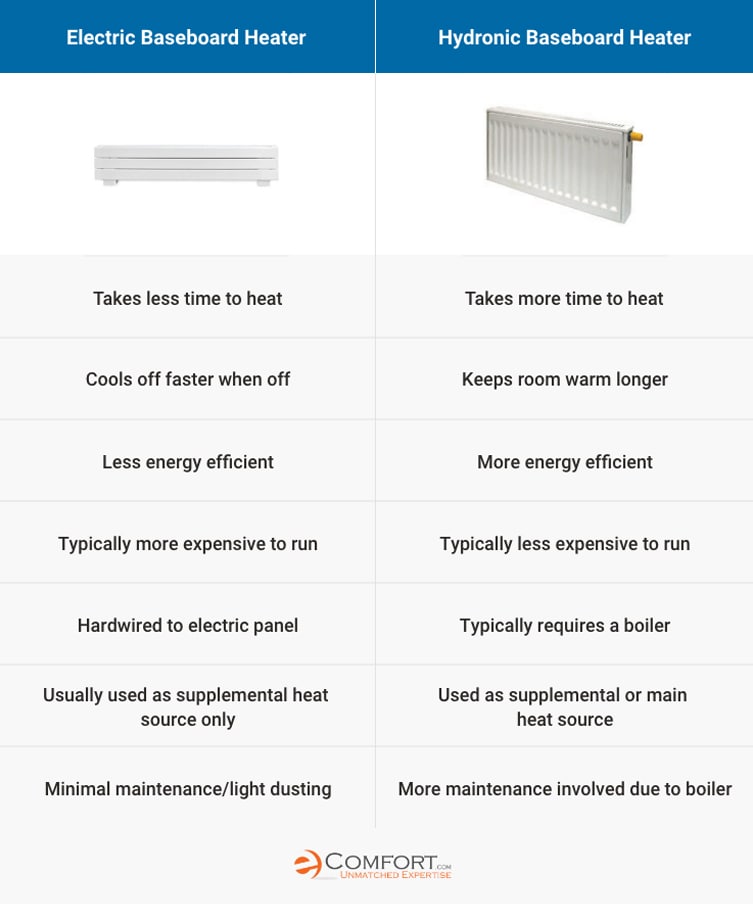
Hydronic heating holds heat longer than convection systems. Water moves heat slowly and evenly through pipes. This keeps rooms warm even after the heater turns off. Convection heaters warm air quickly but lose heat fast. Warm air escapes through windows and doors. Hydronic heat feels more steady and lasting.
Power Consumption
Convection heaters often use more power to keep air warm. They cycle on and off to maintain temperature. Hydronic systems use less power by storing heat in water. They run longer but at lower energy levels. This steady use saves electricity over time. Lower power use means lower bills.
Environmental Impact
Hydronic heating tends to be greener than convection heating. It uses less electricity and often works with renewable energy. Convection heaters rely more on electrical power, which may come from fossil fuels. Using less power means fewer carbon emissions. Hydronic systems reduce your home’s carbon footprint.
Credit: www.advancedresources.com
Installation And Maintenance
Installation and maintenance are key factors in choosing between convection and hydronic heating systems. These aspects affect the overall experience and cost of owning the system. Understanding the differences helps make a better decision for your home or business.
Setup Complexity
Convection heaters are usually easier to install. They often require only a power source and minimal setup. Hydronic systems need pipes, pumps, and a boiler. Installation takes more time and skilled labor. Planning for space and plumbing is necessary for hydronic systems. Convection setups are often plug-and-play or wall-mounted units.
Upkeep Requirements
Convection heaters need little maintenance. Cleaning dust and checking electrical parts is usually enough. Hydronic systems require regular checks of pipes, valves, and the boiler. Flushing the system to remove sediment is important. Professional inspections help prevent leaks and corrosion. Hydronic systems demand more attention to keep them running well.
Cost Considerations
Convection systems generally cost less to install. Their simple design lowers initial expenses. Hydronic systems have higher upfront costs due to parts and labor. Maintenance costs for hydronic systems are higher too. Over time, hydronic systems can save energy, which may reduce bills. Weighing installation and upkeep costs is essential before deciding.
Comfort And Heat Distribution
Comfort and heat distribution are key factors in choosing the right heating system. Both convection and hydronic systems warm your space differently. This affects how cozy you feel and how evenly heat spreads throughout your home. Understanding these differences helps you pick a system that matches your comfort needs.
Temperature Consistency
Hydronic systems provide steady and even heat. Warm water flows through pipes, gently warming floors and walls. This avoids hot or cold spots in rooms. Convection heaters heat air quickly but may cause uneven temperatures. Warm air rises fast, leaving lower areas cooler. Hydronic heat feels more natural and constant.
Air Quality Effects
Convection systems move air to spread heat. This can stir up dust and allergens, affecting air quality. Hydronic systems use radiant heat without air movement. This keeps dust settled and air cleaner. Homes with allergies benefit from hydronic heating.
Noise Levels
Hydronic heating runs quietly. Water circulates through pipes with little sound. Convection heaters often rely on fans or blowers. These can create noticeable noise. Quiet heating makes it easier to relax or focus.
:max_bytes(150000):strip_icc()/Baseboardheater-GettyImages-182924153-839b39e85fdf4783b2af9850059da492.jpg)
Credit: www.thespruce.com
Ideal Use Cases
Choosing between convection and hydronic heating depends on the space and needs. Each system works best in certain settings. Understanding these ideal use cases helps pick the right option for comfort and efficiency.
Here, we explore where convection and hydronic heating perform best. This guides you to the best choice for your home or building.
Best Settings For Convection
Convection heating suits rooms that need quick warmth. Spaces with good air flow benefit from this system. It heats the air directly, so warmth spreads fast. Small to medium rooms work well with convection. It fits well in places like offices and bedrooms. Areas where people move often find convection helpful. It is also good for spaces with radiators or baseboard heaters.
Best Settings For Hydronic
Hydronic heating excels in places needing steady, even warmth. It heats floors or walls using hot water pipes. Large rooms and open floor plans benefit most. This system works well in homes with tile or wood floors. It creates a cozy environment without drafts. Hydronic is quiet and does not blow dust or allergens. It fits well in living rooms and bathrooms.
Climate And Building Types
Cold climates often require hydronic heating for better comfort. It keeps heat longer and uses energy efficiently. Mild climates may find convection heating sufficient and cost-effective. Older buildings with thick walls might work better with hydronic. Newer buildings with good insulation can use either system. The choice depends on how the building holds heat and airflow. Consider these factors to match heating with your climate and structure.
Cost Analysis
Cost analysis is important when choosing between convection and hydronic heating. It helps understand which system fits your budget better. Both systems have different expenses at the start and over time. Knowing these costs can save money and avoid surprises.
Let’s break down the costs into three parts: initial investment, long-term savings, and repair expenses. This way, you can see the clear differences.
Initial Investment
Convection heaters usually cost less to buy and install. They need simple parts and less labor. Hydronic systems require pipes, boilers, and more work. This raises the upfront price. Expect to pay more at the start for hydronic systems.
Long-term Savings
Hydronic heating often saves money over time. It uses energy more efficiently and heats spaces evenly. This lowers monthly bills. Convection systems may cost more in energy. They cycle on and off more often, using more power.
Repair Expenses
Convection systems have fewer parts, so repairs can be cheaper. Hydronic systems have boilers and pipes that might leak or break. Fixing these parts can cost more. Regular maintenance for hydronic systems is also needed to avoid big repairs.
Future Trends In Heating
The future of heating is shifting fast. Both convection and hydronic systems are evolving with new ideas. These changes aim to make homes warmer, safer, and cheaper to heat. The focus is on technology, the environment, and smart living. Understanding these trends helps homeowners choose better systems.
Technological Innovations
Heating systems now use better materials and design. New sensors help keep temperatures just right. Some systems learn your schedule and adjust automatically. Faster heat delivery means less energy waste. These innovations improve comfort and reduce bills.
Sustainability Focus
Many new heating options use less energy and fewer fossil fuels. Hydronic systems often use renewable energy like solar or heat pumps. Convection systems are also improving with energy-efficient parts. Reducing emissions is a top priority. This helps protect the planet for future generations.
Smart Home Integration
Heating systems connect to home networks and smartphones. You can control heat from anywhere with an app. Smart thermostats adjust settings based on weather or your habits. Some systems even talk to other devices in your home. This makes heating easier and more efficient.
Frequently Asked Questions
What Is The Main Difference Between Convection And Hydronic Heating?
Convection heating warms air that moves around the room. Hydronic heating uses hot water flowing through pipes to heat spaces.
Which Heating System Is More Energy Efficient, Convection Or Hydronic?
Hydronic heating is often more energy efficient because water holds heat longer. Convection systems can lose heat quickly through air movement.
Are Convection Or Hydronic Systems Better For Allergy Sufferers?
Hydronic systems are better for allergies since they don’t blow dust or allergens. Convection systems circulate air, which can spread dust and pollen.
How Does Installation Cost Compare For Convection Vs. Hydronic Heating?
Convection systems usually cost less to install because they are simpler. Hydronic systems need pipes and boilers, which can increase installation expenses.
Which Heating Method Provides More Even Room Temperature?
Hydronic heating offers more even and consistent warmth across a room. Convection heating can create hot and cold spots due to air movement.
Can Convection And Hydronic Heating Be Combined In One Home?
Yes, some homes use both systems for flexibility and comfort. Combining allows using the strengths of each type where they fit best.
Conclusion
Choosing between convection and hydronic heating depends on your needs. Convection heats air quickly and spreads warmth fast. Hydronic uses water to keep rooms warm longer and more evenly. Each system has pros and cons. Consider your space size, budget, and comfort preference.
Both offer effective ways to stay warm. Think about what suits your home best. Either choice can improve your heating experience. Simple, clear decisions lead to cozy, warm rooms all winter.