
Is your Comfort Zone heater making strange noises? That sudden rattling or buzzing can be more than just annoying—it might mean your heater needs attention.
You rely on your heater to keep you warm and cozy, so when it starts acting up, it’s hard to ignore. You’ll discover why your heater is making those sounds and what you can do to fix it quickly. Don’t let the noise steal your comfort—read on to get your heater back to its quiet, warm self.
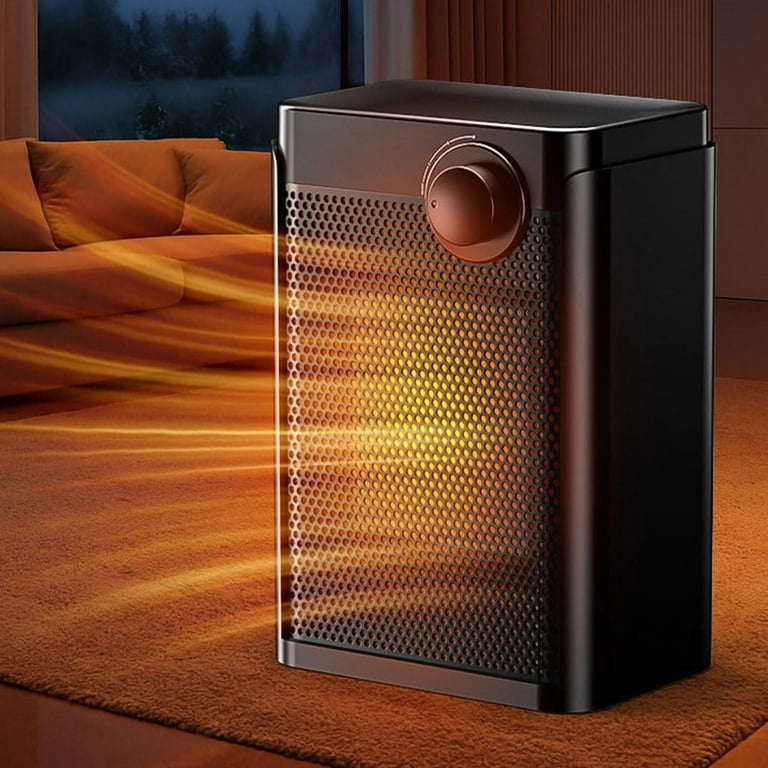
Credit: www.walmart.com
Common Causes Of Heater Noise
Heater noise can be annoying and may signal a problem. Understanding common causes helps you fix the issue quickly. Many noises come from simple mechanical or maintenance issues. Identifying the source is the first step to a quieter heater.
Loose Components
Parts inside the heater can loosen over time. Screws, panels, or brackets may vibrate and create rattling sounds. Tightening these parts often stops the noise. Regular checks keep your heater running smoothly and quietly.
Dust And Debris
Dust buildup inside the heater can cause sounds. Dust may block vents or settle on the fan blades. This makes the fan work harder and create noise. Cleaning the heater regularly reduces dust and keeps it quiet.
Worn Out Fan Motor
The fan motor moves air through the heater. Over time, it can wear out or lose lubrication. This causes grinding or buzzing noises. Replacing or fixing the motor can solve the problem and improve heater performance.
Expansion And Contraction Sounds
Heaters heat up and cool down during use. This causes metal parts to expand and contract. These movements create clicking or popping noises. These sounds are normal but loud noises may need inspection.
Tools Needed For Fixing Noise
Fixing a Comfort Zone heater that makes noise requires some basic tools. Having the right tools makes the job easier and safer. This section lists the common tools needed to stop annoying sounds from your heater.
Basic Hand Tools
Start with simple hand tools. A screwdriver set helps remove heater covers and panels. Pliers can grip small parts or wires. A wrench may be needed to tighten bolts. These tools help you open and inspect the heater safely.
Cleaning Supplies
Dust and dirt cause many heater noises. Use a soft brush or cloth to clean parts gently. Compressed air cans blow dust from hard-to-reach areas. A vacuum cleaner with a brush attachment also removes debris. Clean parts run smoother and quieter.
Lubricants
Friction between moving parts often causes noise. Lubricants reduce this friction. Use light machine oil or silicone spray. Apply sparingly to fan motors, bearings, and other moving components. Proper lubrication helps the heater run quietly and lasts longer.
Step-by-step Noise Fixes
Noise from a Comfort Zone heater can be annoying and distracting. Fixing these sounds often takes simple steps. Following clear instructions helps you solve the problem fast. This guide shows easy fixes anyone can try.
Each step targets common causes of noise. You do not need special tools or skills. Just take your time and work carefully. Your heater will run quietly again.
Tightening Loose Parts
Loose screws or panels often cause rattling sounds. Start by unplugging the heater for safety. Check all visible screws and bolts. Use a screwdriver to tighten any loose parts gently. Do not force them too hard. Tight parts reduce vibration noise effectively.
Cleaning The Heater Interior
Dust and dirt build-up inside can cause buzzing or whirring. Unplug the heater and open the access panel. Use a soft brush or cloth to clean dust from vents and fan blades. Avoid wet cleaning inside the unit. Clean parts help the heater run smoothly and quietly.
Lubricating Moving Parts
Fans and motors need lubrication to prevent squeaks. Use a few drops of light machine oil on the fan shaft. Do not over-lubricate, as excess oil attracts dust. Spin the fan gently to spread the oil evenly. Lubricated parts move quietly without friction noise.
Replacing Faulty Components
Sometimes worn or broken parts cause persistent noise. Inspect the fan, motor, and other moving parts carefully. Look for cracks or damage. Purchase exact replacement parts from the manufacturer. Follow instructions to remove old parts and install new ones. Faulty parts replaced mean a quiet heater.

Credit: www.ifixit.com
Preventing Future Noise
Preventing future noise from your Comfort Zone heater helps keep your home quiet and warm. Regular care and smart use stop many common causes of noise. Simple steps extend the heater’s life and improve its performance.
Regular Maintenance Tips
Clean your heater often. Dust and dirt build up on parts and cause noise. Check the fan blades and motor for dirt. Replace or clean filters regularly. Tighten any loose screws or bolts. These small tasks reduce rattling and humming sounds.
Proper Placement And Usage
Place the heater on a flat, stable surface. Uneven floors cause shaking and noise. Keep the heater away from walls and objects. Blocked airflow makes the fan work harder and louder. Use the heater only as directed. Avoid overworking it for long periods.
When To Call A Professional
Persistent noise may mean a mechanical issue. Strange sounds like grinding or buzzing need expert help. Call a technician if cleaning and placement do not stop noise. Professionals can fix internal problems and keep your heater safe.

Credit: comfortzone.cool
Frequently Asked Questions
Why Is My Comfort Zone Heater Making A Loud Noise?
A loud noise often means loose parts or dust inside the heater need cleaning.
Can A Noisy Heater Cause Safety Problems?
Yes, strange noises can signal overheating or electrical issues needing quick checks.
How Do I Fix Rattling Sounds From My Heater?
Tighten screws and clean dust from the fan and internal parts carefully.
Is It Normal For A Heater To Make Clicking Sounds?
Clicking is common during heating cycles but loud or constant clicking needs inspection.
What Causes Buzzing Noises In Comfort Zone Heaters?
Buzzing usually comes from electrical parts or a faulty fan motor inside the heater.
When Should I Call A Professional For Heater Noise?
Call a technician if noises persist after cleaning or if you smell burning.
Conclusion
A noisy Comfort Zone heater can be frustrating and distracting. Regular cleaning and checking parts can help fix common noises. Tightening screws or replacing worn components often stops the sounds. Remember, simple care keeps your heater running quietly and safely.
Quiet warmth makes your space comfortable and peaceful. Take small steps to maintain your heater’s performance. This way, you enjoy warmth without the noise.