
Are you struggling to choose the right heater for your home or office? When it comes to staying warm, both ceramic and quartz heaters are popular choices—but which one suits your needs best?
Understanding the key differences can save you money, improve your comfort, and even boost your energy efficiency. Keep reading to discover how these two heater types work, what makes each unique, and which one is the perfect fit for your space.
This simple guide will help you make a smart, confident decision without any confusion.

Credit: www.cassosolartechnologies.com
How Ceramic Heaters Work
Ceramic heaters are popular for their fast and efficient warmth. They use a special method to heat air quickly and safely. Understanding how they work helps you choose the right heater for your space.
These heaters warm rooms differently than other types, making them energy-friendly and effective. Let’s explore their heating process and key parts.
Heating Mechanism
Ceramic heaters use electric power to heat ceramic plates inside. When electricity flows, the ceramic plates get hot fast. A fan pushes air over these plates. The air heats up and moves into the room.
This method heats air quickly without making the plates too hot. It keeps the heater safe to touch and avoids burning dust or smells.
Materials Used
The main part is the ceramic plate, made from special clay and minerals. This material holds heat well and heats evenly. Metal coils or wires run inside or behind the ceramic plates. These coils create heat when electricity passes through.
The fan and outer casing are usually made of plastic or metal. These materials help spread heat and protect users from burns.
Heat Distribution
The fan blows air across the hot ceramic plates. Warm air spreads quickly around the room. This process warms spaces faster than traditional heaters.
Heat moves evenly, avoiding cold spots. Ceramic heaters also keep warmth longer after turning off. This makes the room feel cozy and comfortable.
How Quartz Heaters Work
Quartz heaters are popular for their quick and efficient heating. They use a special method to create warmth fast. Understanding how quartz heaters work helps you choose the right heater for your space. This section explains their heating mechanism, the materials used, and how they spread heat.
Heating Mechanism
Quartz heaters use electric quartz tubes. These tubes heat up when electricity flows through them. The quartz element gets very hot quickly. It then sends out infrared heat rays. These rays warm objects and people directly. The heat feels natural and comfortable.
Materials Used
The main part is the quartz tube. Quartz is a strong, clear mineral. It can handle high temperatures without breaking. Inside the tube is a metal filament. This filament heats up when powered. The heater’s body usually has metal and plastic parts. These keep the heater safe and stable.
Heat Distribution
Quartz heaters spread heat using infrared rays. These rays move in straight lines. They warm objects instead of just the air. This creates a cozy feeling quickly. The heat stays longer on surfaces. It helps save energy and keeps rooms warm.
Energy Efficiency Comparison
Energy efficiency is key when choosing between ceramic and quartz heaters. It affects your electricity bill and comfort. Understanding their energy use helps pick the best option for your space. This section compares their power consumption, heat output, and cost savings.
Power Consumption
Ceramic heaters use electricity to warm ceramic plates. They consume moderate power but keep heat longer. Quartz heaters use quartz tubes to produce heat quickly. They often use less power for short bursts. Quartz heaters may save energy in small rooms or quick heating.
Heat Output
Ceramic heaters give steady, gentle heat. They warm air slowly but hold heat well. Quartz heaters produce intense heat fast. They heat the room quickly but cool down fast too. For constant warmth, ceramic works well. For fast heat, quartz is better.
Cost Savings
Ceramic heaters cost less to run over time. Their steady heat lowers electricity use. Quartz heaters can save money if used for short periods. They heat quickly, so less energy is wasted. Choose based on your heating habits to save money.

Credit: www.superbheater.com
Safety Features
Safety is a key factor when choosing between ceramic and quartz heaters. Both types have features to protect users and homes. Understanding these features helps you pick a safer heater.
Overheat Protection
Overheat protection stops heaters from getting too hot. This feature turns the heater off if it reaches unsafe temperatures. It reduces fire risks and prevents damage. Both ceramic and quartz heaters often include this safety switch.
Cool-touch Design
Cool-touch design keeps the heater’s surface safe to touch. It prevents burns, especially important for homes with kids or pets. Ceramic heaters usually have a cooler surface than quartz models. This design adds peace of mind during use.
Stability And Durability
Stable heaters reduce the chance of tipping over. Many models include a wide base or anti-slip feet. Durability ensures the heater lasts long without breaking. Both features help avoid accidents and keep the heater working well.
Heating Speed And Performance
Heating speed and performance are key factors in choosing between ceramic and quartz heaters. These features affect how quickly a room warms and how well the heater maintains the temperature. Understanding these points helps pick the right heater for comfort and energy use.
Warm-up Time
Ceramic heaters warm up quickly because they use ceramic plates that heat fast. This lets them start blowing warm air within minutes. Quartz heaters heat even faster. They use quartz tubes that glow and produce heat instantly. Quartz heaters often feel warmer right away, making them ideal for quick heat.
Temperature Control
Ceramic heaters usually come with adjustable thermostats. These allow precise temperature settings and help keep a steady heat level. Quartz heaters often have simple controls. They may switch between low and high heat but lack fine temperature adjustment. Ceramic heaters offer better control for maintaining comfort.
Room Coverage
Ceramic heaters spread heat evenly across medium to large rooms. Their fan helps push warm air farther. Quartz heaters focus heat in a smaller area. They work well for spot heating or small rooms. Choosing the right heater depends on the space size and how heat needs to be distributed.
Noise Levels
Noise levels matter a lot when choosing a heater for your home or office. A noisy heater can disturb sleep, work, or relaxation. Both ceramic and quartz heaters have different sound outputs. Understanding their noise can help you pick the best option.
Operational Sound
Ceramic heaters usually produce a soft hum. This sound comes from the fan that spreads the heat. The noise is steady but low. Most people find it easy to ignore.
Quartz heaters do not have a fan. They use glowing quartz tubes to produce heat. This makes them almost silent. You might only hear a slight crackle when they start.
Impact On Environment
In quiet places, like bedrooms or offices, noise matters a lot. Ceramic heaters might add a gentle background noise. Some find this comforting, like white noise.
Quartz heaters keep the space very quiet. They suit places where silence is important. Libraries, study rooms, or meditation spaces benefit from this.
Maintenance And Longevity
Maintenance and longevity are key factors in choosing the right heater for your home. A heater that needs less care and lasts longer saves money and effort. Both ceramic and quartz heaters have different needs and lifespans. Understanding these can help you pick the best option.
Cleaning Requirements
Ceramic heaters need regular dusting. Dust can block airflow and reduce heat output. Wipe the surface and vents with a dry cloth. Avoid water or wet cloths to protect electrical parts.
Quartz heaters have fewer parts that collect dust. Use a soft brush or cloth to clean the quartz tubes gently. Cleaning quartz heaters is simple and quick.
Durability
Ceramic heaters are sturdy but can crack if dropped. Their heating elements are shielded inside ceramic plates. This design protects the heater from damage during normal use.
Quartz heaters use glass tubes that can be fragile. They need careful handling to avoid breaks. Quartz elements heat up fast but need protection from shocks.
Lifespan
Ceramic heaters usually last 5 to 10 years with proper care. They maintain performance over time with minimal issues. Regular cleaning helps extend their life.
Quartz heaters have a lifespan of about 3 to 7 years. Their quartz tubes may wear out faster. Replacing parts can keep them working longer but might cost more.
Price And Value
Choosing between a ceramic heater and a quartz heater often depends on price and value. Understanding the costs helps in making a smart buy. Both types have different expenses upfront and over time. This section breaks down these costs clearly.
Initial Cost
Ceramic heaters usually cost less at the start. They are affordable for many budgets. Quartz heaters tend to have a higher price tag. This is due to their design and heating elements. The price difference can be noticeable in some stores.
Running Expenses
Quartz heaters use energy more efficiently. They heat up quickly, using less power overall. Ceramic heaters may take longer to warm a room. This can increase electricity bills. Energy use depends on the heater’s size and settings too.
Long-term Investment
Quartz heaters often last longer with proper care. Their parts are durable and resist wear. Ceramic heaters might need replacement sooner. Think about how long you plan to use the heater. Spending more now could save money later.
Best Use Cases
Choosing the right heater depends on the space and how you plan to use it. Each heater type works better in certain places. Understanding the best use cases helps you pick the right one. This saves energy and keeps you comfortable.
Ideal Environments For Ceramic Heaters
Ceramic heaters work well in small to medium rooms. They heat the air evenly and stay warm longer. Perfect for bedrooms or offices where steady heat is needed. They are safe to touch, so good for homes with kids. These heaters also handle dry air well in winter months.
Ideal Environments For Quartz Heaters
Quartz heaters heat up fast and give direct warmth. Best used in open areas or places that need quick heat. Ideal for garages, workshops, or outdoor patios. They focus heat on one spot, not the whole room. Great for quick warm-ups before going outside or working in cold spaces.
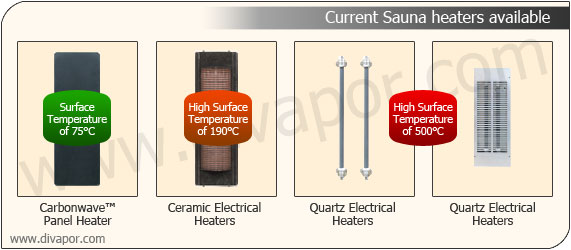
Credit: www.divapor.com
Frequently Asked Questions
What Is The Main Difference Between Ceramic And Quartz Heaters?
Ceramic heaters use ceramic plates to produce heat, while quartz heaters use quartz tubes. Quartz heaters heat up faster and provide more direct warmth.
Which Heater Is More Energy-efficient: Ceramic Or Quartz?
Quartz heaters generally use less energy because they heat spaces quickly. Ceramic heaters take longer but keep warmth longer, affecting energy use differently.
Are Ceramic Heaters Safer Than Quartz Heaters For Home Use?
Both heaters have safety features, but ceramic heaters usually stay cooler outside. Quartz heaters can get hotter, so use with care around children or pets.
Can Quartz Heaters Warm Large Rooms Better Than Ceramic Heaters?
Quartz heaters work well for spot heating in small to medium rooms. Ceramic heaters are better for evenly warming larger spaces over time.
How Long Do Ceramic And Quartz Heaters Typically Last?
Ceramic heaters often last 5 to 10 years with proper care. Quartz heaters may last slightly less due to their tube elements wearing out faster.
Conclusion
Choosing between ceramic and quartz heaters depends on your needs. Ceramic heaters warm up quickly and work well in small rooms. Quartz heaters provide steady heat and save energy over time. Both types offer safety features and ease of use.
Think about room size, energy use, and heat speed before buying. Either option can keep you warm during cold days. Your comfort matters most.