
Are you thinking about adding a ceramic heater to your space but not sure if it’s the right choice? Ceramic heaters have become popular for their quick warmth and sleek design, but like any product, they come with their own set of pros and cons.
Understanding these advantages and disadvantages can help you make a smart decision that fits your needs perfectly. Keep reading to discover what ceramic heaters can really do for you—and what to watch out for before you buy.

Credit: www.superbheater.com
How Ceramic Heaters Work
Ceramic heaters provide warmth by using a special heating method. These heaters are popular because they warm up rooms quickly and safely. Understanding how they work helps you see their benefits and limits.
Heating Element And Ceramic Plates
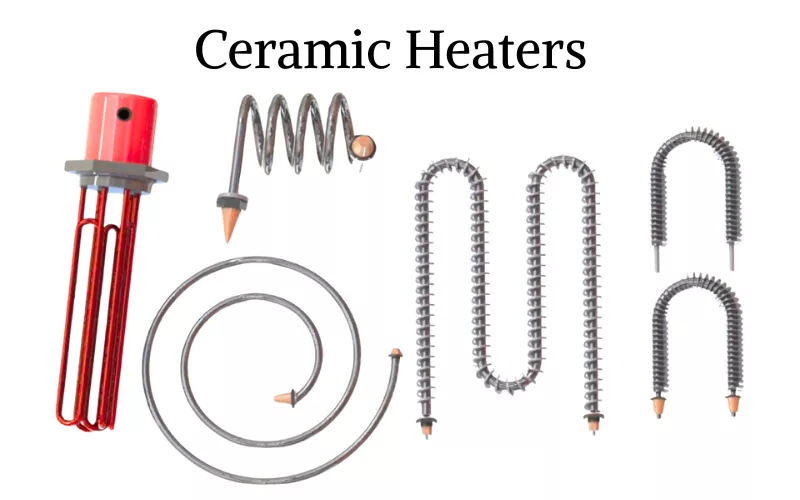
The core part of a ceramic heater is its heating element. This element is made from a metal coil or wire. The coil heats up when electricity flows through it. Surrounding the coil are ceramic plates. These plates absorb the heat from the coil. They get hot but do not burn like metal might. This design makes the heater safer to touch.
Heat Distribution Process
After the ceramic plates heat up, they spread warmth evenly. A fan inside the heater blows air over the hot plates. Warm air moves out into the room. This process heats spaces faster than some other heaters. The heat feels gentle and natural. It does not dry the air much, keeping the room comfortable.
Key Benefits Of Ceramic Heaters
Ceramic heaters are popular for many reasons. They offer several benefits that make them a smart choice for home heating. Understanding these key advantages helps users decide if ceramic heaters fit their needs.
Energy Efficiency
Ceramic heaters use less electricity than many other heaters. They convert power into heat quickly and with little waste. This efficiency saves money on energy bills. It also reduces the impact on the environment. Users get warmth without high energy costs.
Safety Features
These heaters come with built-in safety tools. Overheat protection stops the heater if it gets too hot. Many models include tip-over switches to turn off if knocked down. The ceramic elements stay cooler than metal coils. This lowers the risk of burns and fires.
Quick Heating Capability
Ceramic heaters warm up rooms very fast. The ceramic plates heat quickly and spread warmth evenly. This means less waiting and more comfort. Perfect for chilly mornings or sudden cold snaps. They provide a cozy atmosphere almost instantly.
Portability And Design
Most ceramic heaters are light and easy to move. Their compact size fits well in small spaces. Many have handles or wheels for simple transport. Modern designs blend with home décor. Users can place them anywhere without hassle.
Common Drawbacks Of Ceramic Heaters
Ceramic heaters are popular for their quick warmth and energy efficiency. Yet, they have some common drawbacks. Knowing these helps you decide if a ceramic heater fits your needs.
Limited Heating Range
Ceramic heaters usually heat small to medium rooms well. Large spaces may stay cold. Their heating range is often limited. They work best in personal spaces or small rooms.
Noise Levels
Some ceramic heaters produce noticeable noise. The fan inside can be loud for quiet rooms. Noise may disturb sleep or work. Quiet models exist, but many make a hum or buzz.
Durability Concerns
Ceramic heaters can wear out faster than other types. Parts like fans and ceramic plates may break. Frequent use or drops reduce their lifespan. Proper care helps, but durability is a concern for many users.
Credit: elegant-radiators.co.uk
Comparing Ceramic Heaters With Other Types
Ceramic heaters are popular for many reasons. They offer quick heat and are usually safe to use. Comparing ceramic heaters with other types helps to see which one fits best in your space. Each heater type has its strengths and weaknesses. Understanding these can help you make a smart choice for your home or office.
Versus Oil-filled Radiators
Oil-filled radiators warm the room slowly but keep heat longer. Ceramic heaters heat up fast but cool down quickly too. Oil radiators use more energy but are quieter. Ceramic heaters have fans that make some noise. Oil radiators are heavy and not easy to move. Ceramic heaters are light and usually come with handles. Both types are safe and good for different needs.
Versus Infrared Heaters
Infrared heaters warm objects directly, not the air. Ceramic heaters heat the air in the room. Infrared heaters work well in open spaces or outdoor areas. Ceramic heaters are better for small rooms. Infrared heaters use less energy for short-term heat. Ceramic heaters are better for lasting warmth. Both types are quiet and clean to use.
Versus Fan Heaters
Fan heaters blow hot air fast but can be noisy. Ceramic heaters often have built-in fans but use ceramic plates for heat. Ceramic heaters feel warmer and spread heat evenly. Fan heaters cool down quickly after turning off. Ceramic heaters keep warmth a bit longer. Fan heaters are usually cheaper but less efficient. Ceramic heaters cost more but save energy over time.
Ideal Usage Scenarios
Ceramic heaters work best in specific places and situations. They heat spaces quickly and use less power than many other heaters. This makes them a good choice for certain rooms and needs.
Small Rooms And Offices
Ceramic heaters fit well in small rooms and offices. They warm the air fast, helping you stay comfortable during cold days. Their compact size means they do not take up much space. You can place them on a desk or shelf without trouble.
Supplemental Heating
These heaters work well as extra heat sources. If your main heating system is weak or slow, a ceramic heater can add warmth. Use it in rooms that need more heat, like bedrooms or living rooms. It helps save energy by heating only the space you use.
Travel And Portable Use
Ceramic heaters are light and easy to carry. They are ideal for travel or moving between rooms. Plug them in and get quick heat wherever you go. Their safety features make them a smart choice for hotels or small apartments.
Maintenance Tips For Longevity
Proper care helps your ceramic heater last longer and work better. Simple maintenance keeps it safe and efficient. Follow easy steps to protect your heater from damage and dust. This section shows how to clean and store your heater correctly.
Cleaning And Dusting
Turn off and unplug the heater before cleaning. Use a soft cloth to wipe the surface gently. Avoid using water or harsh chemicals that can damage parts. Use a small brush or vacuum to remove dust from vents and grills. Clean regularly to stop dust buildup that blocks airflow. This keeps the heater running smoothly and prevents overheating.
Safe Storage Practices
Store the heater in a dry, cool place when not in use. Avoid damp areas that cause rust or electrical problems. Wrap the power cord loosely to prevent damage. Do not place heavy objects on the heater during storage. Cover it with a cloth to protect from dust. Proper storage keeps your heater ready for the next cold day.
Credit: ggsceramic.com
Frequently Asked Questions
What Are The Main Benefits Of Ceramic Heaters?
Ceramic heaters warm up rooms quickly and use less electricity. They are safe and do not get too hot to touch. This makes them ideal for homes with kids or pets.
How Energy Efficient Are Ceramic Heaters?
Ceramic heaters use energy smartly by heating only the area needed. They convert electricity directly into heat with little waste. This helps lower electric bills compared to older heater types.
Are Ceramic Heaters Safe For Small Spaces?
Yes, ceramic heaters are safe for small rooms. They have built-in safety features like auto shut-off if tipped over. Their surface stays cooler than other heaters, reducing fire risks.
What Are Common Downsides Of Ceramic Heaters?
Ceramic heaters can be noisy due to their fans. They may not heat very large spaces well. Also, some models can be heavier and less portable.
How Long Do Ceramic Heaters Usually Last?
A good ceramic heater lasts about 5 to 10 years. Proper maintenance, like cleaning dust filters, helps extend their life. Quality models often come with warranties for added trust.
Conclusion
Ceramic heaters offer quick and even heat for small spaces. They use less energy, saving money on bills. These heaters are safe and easy to move around. Some models may not heat large rooms well. Also, they can be a bit noisy sometimes.
Choosing the right heater depends on your needs and space size. Consider both pros and cons before buying one. This way, you get warmth without surprises. Simple and effective heating is possible with ceramic heaters.