
When the cold sets in, choosing the right heater can make all the difference in your comfort and energy bills. You might be wondering: should you go for a ceramic heater or a fan heater?
Both promise warmth, but they work in very different ways. By understanding how each one heats your space, you can make a smart choice that fits your needs perfectly. Keep reading to discover which heater will keep you cozy without wasting energy or money.

Credit: jobcosupply.com
How Ceramic Heaters Work
Ceramic heaters are popular for their efficient and fast heating. They use special technology to warm up rooms quickly and safely. Understanding how ceramic heaters work helps you choose the right heater for your needs.
This section explains the basic heating mechanism and the materials used in ceramic heaters.
Heating Mechanism
Ceramic heaters use ceramic plates as the main heat source. Electricity flows through these plates, causing them to heat up. The heat then spreads to the air around the heater. A small fan blows warm air into the room. This method heats the air quickly and keeps the room comfortable.
The ceramic plates stay hot for a long time but do not get too hot to touch. This makes ceramic heaters safer than some other types.
Design And Materials
Ceramic heaters have ceramic plates inside a metal or plastic casing. The ceramic material holds heat well and heats evenly. This design helps the heater last longer.
Many ceramic heaters include a fan to push warm air out. The outer shell is usually made from heat-resistant plastic to keep it cool outside. This design prevents accidents and makes the heater easy to move.

Credit: probreeze.com
How Fan Heaters Operate
Fan heaters are common devices used to warm up rooms quickly. They use a simple method to heat the air and move it around. Understanding how fan heaters work helps to choose the right heater for your needs.
This section explains the heating process and the role of the fan in fan heaters.
Heating Process
Fan heaters use electric coils or ceramic plates to produce heat. When the heater is on, electricity heats these elements. The heat then transfers to the air around them. This process turns cold air into warm air ready to be spread.
Fan Functionality
The fan inside the heater pushes the warm air out. It blows air over the heated coils or plates. This airflow spreads heat quickly across the room. The fan helps the heater warm the space faster than heating alone.
Energy Efficiency Comparison
Energy efficiency matters a lot when choosing between a ceramic heater and a fan heater. It affects your electricity bill and how warm your room feels. Both types use electricity differently and spread heat in unique ways. Understanding these differences helps you pick the best heater for your needs.
Power Consumption
Ceramic heaters often use less power than fan heaters. They warm up quickly and keep the heat steady. This means they run for shorter times. Fan heaters use more electricity because they blow air constantly. Their fans need power even when the heat is low. Saving power means saving money on bills.
Heat Distribution
Ceramic heaters spread heat evenly through ceramic plates. This creates a warm, cozy feeling in the room. Fan heaters blow hot air fast but unevenly. Some spots may feel hot, others cold. Ceramic heaters keep the temperature more stable. This helps the room stay warm longer without extra power.
Comfort And Warmth
Comfort and warmth are key factors when choosing a heater for your space. Both ceramic heaters and fan heaters offer different experiences. Understanding how each delivers heat and noise levels helps you pick the right one.
Heat Output
Ceramic heaters use ceramic plates to warm the air. They provide steady, gentle heat that lasts longer. The warmth feels natural and spreads evenly across the room. Fan heaters blow hot air quickly, creating fast warmth. They heat the area fast but can feel less smooth. Ceramic heaters suit small to medium rooms well. Fan heaters work best in spaces where quick heat is needed.
Noise Levels
Ceramic heaters operate quietly. The heating element warms the air with little sound. This makes them ideal for bedrooms or offices. Fan heaters have a built-in fan that creates noticeable noise. The sound can be distracting in quiet rooms. Noise levels vary by model but are generally louder than ceramic heaters. Choose ceramic if silence is important. Pick fan heaters if noise is not a concern.
Safety Features
Safety features are very important when choosing between ceramic heaters and fan heaters. Both types have built-in protections to keep users safe. These features help prevent accidents and damage.
Overheat Protection
Overheat protection stops the heater from getting too hot. If the temperature rises above a safe level, the heater shuts off automatically. This feature lowers the risk of fire and damage to the heater.
Ceramic heaters often have fast-acting sensors for overheat protection. Fan heaters also include this feature but may react slower. This makes ceramic heaters a safer choice for continuous use.
Tip-over Switch
The tip-over switch turns the heater off if it falls over. This safety feature prevents fires caused by heaters lying on their sides. It is common in both ceramic and fan heaters.
Ceramic heaters usually have a sturdy base and sensitive tip-over switches. Fan heaters may vary in design but still include this critical safety feature. This switch protects homes and families from accidents.
Credit: www.partselect.com
Cost And Maintenance
Cost and maintenance are key factors when choosing between a ceramic heater and a fan heater. Both types offer different benefits and challenges in these areas. Understanding their price and upkeep helps in making a smart choice for your needs.
Initial Price
Ceramic heaters usually cost more upfront than fan heaters. This higher price reflects the advanced heating technology inside. Fan heaters tend to be cheaper and widely available. You can find many budget-friendly models that work well for small spaces.
Longevity And Upkeep
Ceramic heaters often last longer due to sturdy parts. They need little maintenance beyond occasional dusting. Fan heaters might wear out faster because of moving parts like fans. Dust can build up quickly, so regular cleaning is important. Keeping either heater clean ensures better performance and safety.
Best Use Cases
Choosing the right heater depends on where and how you plan to use it. Each type works better in certain spaces and conditions. Understanding the best use cases helps you pick the perfect heater for your needs.
Room Size Suitability
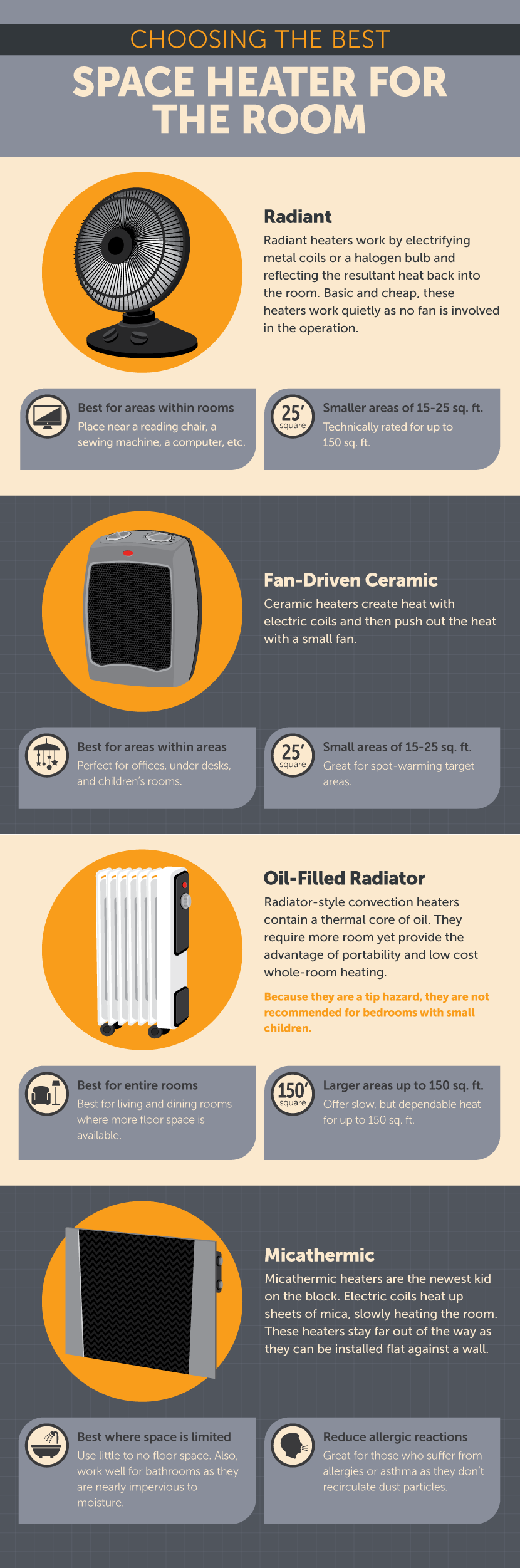
Ceramic heaters work well in small to medium rooms. They heat quickly and keep the space warm for longer. Fan heaters suit small rooms or personal spaces. They spread heat fast but may not keep large rooms warm.
For large rooms, ceramic heaters are a better choice. They provide steady warmth without blowing cold air around. Fan heaters are great for spot heating or when you need quick warmth.
Seasonal Use
Ceramic heaters are ideal for cold winter months. They provide consistent heat and make rooms cozy. Fan heaters work well in mild seasons. They offer quick heat during chilly mornings or evenings.
Use ceramic heaters for long heating periods. Fan heaters fit short-term use or when you need to warm up fast. Both can help save energy if used correctly in the right season.
Environmental Impact
Choosing between a ceramic heater and a fan heater affects more than just your comfort. It also impacts the environment. Understanding this impact helps you make better choices for your home and planet.
Energy Consumption
Ceramic heaters use ceramic plates to produce heat. They warm up quickly and keep rooms warm longer. This can lower energy use over time.
Fan heaters blow air over a heating element. They heat rooms fast but may use more electricity. Running them for long times can increase energy bills.
Using less energy means fewer carbon emissions. Ceramic heaters often have better energy efficiency than fan heaters.
Materials And Disposal
Ceramic heaters contain ceramic parts and metal elements. These materials last longer but can be harder to recycle.
Fan heaters usually have plastic and metal parts. Plastic parts may end up in landfills if not recycled properly.
Disposing of heaters responsibly reduces waste and pollution. Check local recycling options before throwing old heaters away.
Frequently Asked Questions
What Is The Main Difference Between Ceramic And Fan Heaters?
Ceramic heaters use ceramic plates to produce heat, while fan heaters blow air over a heating element. Ceramic heaters warm the air more evenly and efficiently.
Which Heater Is More Energy Efficient: Ceramic Or Fan?
Ceramic heaters are generally more energy efficient because they retain heat longer. Fan heaters may use more electricity due to constant fan operation.
Are Ceramic Heaters Safer Than Fan Heaters?
Ceramic heaters often have built-in safety features like automatic shutoff. They stay cooler on the surface, making them safer around children and pets.
Which Heater Warms A Room Faster: Ceramic Or Fan?
Fan heaters blow hot air quickly, warming a room faster at first. Ceramic heaters provide steady, lasting warmth but may take a bit longer.
Can Fan Heaters Be Noisy Compared To Ceramic Heaters?
Fan heaters usually make more noise due to the running fan. Ceramic heaters tend to operate quietly since they rely on heat plates, not fans.
Conclusion
Choosing between a ceramic heater and a fan heater depends on your needs. Ceramic heaters warm up rooms quickly and keep heat longer. Fan heaters spread warmth fast but may feel less cozy. Consider room size, noise, and energy use.
Both have pros and cons. Think about what fits your space and comfort best. This helps you stay warm and save energy. Simple and smart choices make winter better.