
Are you thinking about using a propane convection heater indoors but aren’t sure if it’s safe? You’re not alone.
Many people want quick, effective warmth without risking their health or home safety. Before you turn on that heater, it’s important to understand how it works and what precautions you need to take. You’ll discover the facts about indoor propane convection heaters, so you can make smart choices and stay warm without worry.
Keep reading to learn what you must know before using one inside your living space.

Credit: bigronline.com
Propane Convection Heaters Explained
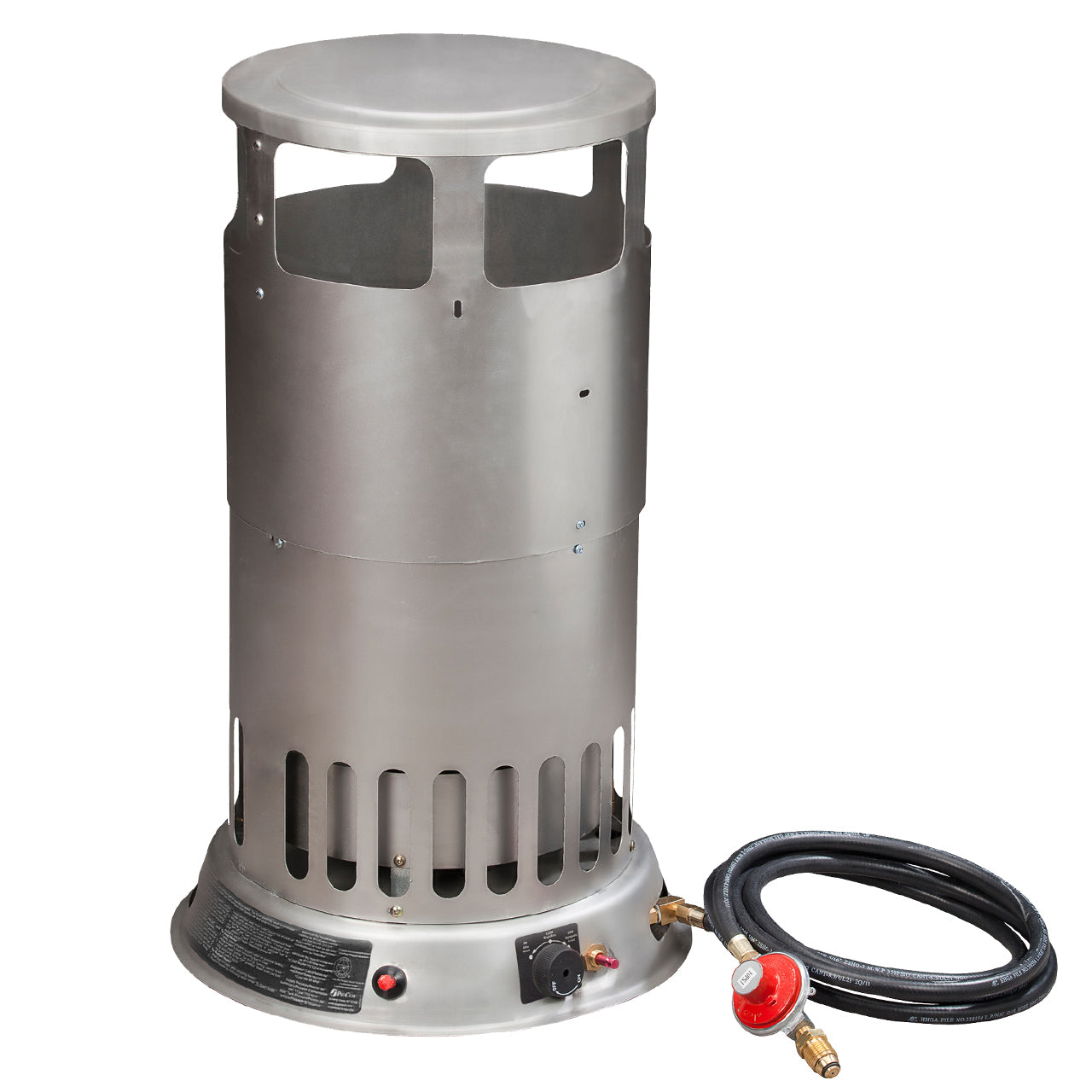
Propane convection heaters use propane gas to warm up a room. They work by heating the air around them. This heated air then rises and spreads warmth throughout the space.
These heaters are popular because they provide steady heat. They do not blow hot air like some other heaters. Instead, they rely on natural air movement to spread warmth. This makes the heat feel soft and even.
How They Work
Propane flows from the tank to the heater’s burner. The burner lights the propane to create a flame. This flame heats a metal element inside the heater.
The metal element warms the air nearby. Warm air rises naturally and pushes cooler air down. This cycle keeps the room heated evenly.
No fans or blowers are needed. This silent operation makes propane convection heaters quiet and comfortable.
Common Indoor Models
Many propane convection heaters are designed for indoor use. These models have safety features like automatic shut-off valves. They also include oxygen sensors to prevent unsafe air levels.
Popular indoor models are compact and easy to move. Some have adjustable heat settings to control warmth. Others have built-in thermostats to keep the room at a steady temperature.
Always choose a heater rated for indoor use. This ensures it meets safety standards for enclosed spaces.
Indoor Use Risks
Using a propane convection heater indoors carries serious risks. These heaters produce heat by burning propane gas. This process releases harmful gases and heat that can cause dangers inside your home. Understanding these risks helps you stay safe and avoid accidents.
Carbon Monoxide Poisoning
Propane heaters can release carbon monoxide, a deadly gas. It is colorless and odorless, so you cannot see or smell it. Breathing carbon monoxide can cause headaches, dizziness, and nausea. High levels may lead to unconsciousness or death. Proper detectors are essential to warn you of this gas.
Fire Hazards
These heaters produce open flames or hot surfaces. Any nearby flammable materials can catch fire easily. Curtains, furniture, and papers are common fire risks. Leaving the heater unattended increases the chance of fire. Always keep a safe distance and never block exits.
Ventilation Concerns
Burning propane uses oxygen and produces harmful gases. Poor ventilation traps these gases indoors, increasing risks. Rooms must have fresh air to dilute and remove fumes. Without proper airflow, the air quality worsens quickly. Open windows or use fans to improve ventilation.
Safety Precautions
Using a propane convection heater indoors needs careful attention to safety. These heaters produce heat efficiently but can also release harmful gases. Taking the right safety steps protects you and your family from danger. Follow these key precautions to ensure safe indoor use.
Proper Ventilation Techniques
Ventilation is crucial when using propane heaters inside. Always open a window or door slightly to allow fresh air in. This helps remove harmful gases like carbon monoxide. Avoid sealing rooms tightly. Use fans to improve air flow if possible. Never block vents or air pathways around the heater.
Using Carbon Monoxide Detectors
Carbon monoxide is a silent, deadly gas produced by propane heaters. Install carbon monoxide detectors near the heater and sleeping areas. Test detectors regularly to ensure they work properly. Replace batteries at least once a year. These devices alert you early to dangerous gas levels.
Safe Placement Tips
Place the heater on a flat, stable surface away from flammable items. Keep it at least three feet from curtains, furniture, and paper. Avoid high-traffic areas to prevent accidental tipping. Do not use propane heaters in small, enclosed spaces like closets. Follow the manufacturer’s instructions for the safest use.

Credit: www.lowes.com
Alternatives To Propane Heaters
Using propane convection heaters indoors raises safety concerns. Many people seek safer, cleaner heating options. Several alternatives provide warmth without the risks linked to propane. These options use electricity and work well inside homes. They offer efficient, safe, and easy-to-use heating solutions.
Electric Heaters
Electric heaters convert electricity into heat. They do not produce harmful gases or fumes. Many models come with safety features like automatic shut-off. Electric heaters are easy to move and use in different rooms. They warm up spaces quickly and quietly. These heaters suit small to medium-sized rooms. They require a power outlet, so placement matters. Using electric heaters indoors is safe with proper care.
Infrared Heaters
Infrared heaters warm objects and people directly. They do not heat the air like other heaters. This method saves energy and keeps rooms comfortable. Infrared heaters work silently and produce no fumes. They are safe for indoor use with good ventilation. These heaters are effective for spot heating. Infrared models often have timers and temperature controls. They provide cozy warmth without safety hazards from gas.
Legal And Manufacturer Guidelines
Using a propane convection heater indoors requires careful attention to laws and rules. These rules protect your safety and prevent accidents. Knowing what is allowed by law and what the heater’s maker says is very important before using the heater inside your home.
Regulations On Indoor Use
Many places have strict rules about propane heaters inside buildings. These rules often forbid using certain propane heaters indoors. The reason is that propane heaters can produce dangerous gases like carbon monoxide. Carbon monoxide can harm or even kill people. Some areas require special ventilation if you use these heaters inside. Others only allow heaters designed for indoor use. Always check local laws before turning on a propane heater indoors.
Following Manufacturer Instructions
The heater’s manual gives key safety tips and rules. The maker tests the heater and sets limits for safe use. The manual tells if the heater can be used indoors. It also explains how to install and operate it safely. Following these instructions reduces risks of accidents. Ignoring them can cause fires or gas leaks. Always read and follow the guide carefully. Use the heater exactly as the maker says for your safety.
Credit: www.factorybuysdirect.com
Frequently Asked Questions
Can Propane Convection Heaters Be Safely Used Indoors?
Yes, propane convection heaters can be used indoors if they have proper ventilation and safety features. Always follow the manufacturer’s instructions and use carbon monoxide detectors.
What Safety Measures Are Needed For Indoor Propane Heaters?
Ensure good room ventilation and keep the heater away from flammable materials. Use a carbon monoxide alarm to monitor air quality continuously.
How Do Propane Convection Heaters Affect Indoor Air Quality?
They release carbon monoxide and moisture, which can harm air quality without proper ventilation. Fresh air circulation is essential to keep the space safe.
Can Propane Convection Heaters Cause Carbon Monoxide Poisoning Indoors?
Yes, without proper ventilation, carbon monoxide can build up and cause poisoning. Always use detectors and ventilate the area well when using these heaters.
Are Propane Convection Heaters Energy Efficient For Indoor Use?
They provide quick and effective heat but may use more propane compared to electric heaters. Efficiency depends on room size and heater model.
Conclusion
Propane convection heaters can warm indoor spaces well. Safety is the key to using them inside. Always ensure good air flow and proper ventilation. Never leave the heater running unattended. Carbon monoxide detectors must be installed nearby. Choose heaters made for indoor use only.
Follow all manufacturer instructions carefully for safe operation. With caution, these heaters provide efficient warmth indoors. Stay safe and enjoy cozy heat during cold days.