
Are you wondering if you can run a space heater on a generator? When the power goes out or you’re off the grid, staying warm is a top priority.
But not every generator can handle the extra load of a space heater. Using the wrong setup could damage your equipment or leave you in the cold. You’ll discover exactly what you need to know to keep your space heater running safely and efficiently on a generator.
Keep reading to find out how to stay warm without risking your gear or your safety.

Credit: www.jackery.com
Types Of Space Heaters
Space heaters come in different types. Each type works in a unique way. Knowing the types helps you pick the right heater for your needs. It also helps to understand how much power a generator needs to run the heater safely.
Electric Space Heaters
Electric space heaters use electricity to make heat. They are easy to use and very common. These heaters plug into a power outlet or a generator. They produce heat quickly but can use a lot of electricity. Make sure your generator can handle the heater’s power needs.
Propane And Gas Heaters
Propane and gas heaters burn fuel to create heat. They do not need electricity to work. These heaters are good for places without power. They produce strong heat but need good ventilation. Using them with a generator does not affect the heater directly.
Infrared Heaters
Infrared heaters use light waves to heat objects and people. They warm up quickly and use less power than electric heaters. Infrared heaters are quiet and efficient. They work well with generators that provide stable power. These heaters are safe for indoor and outdoor use.
Generator Basics
Understanding generator basics helps you decide if it can run a space heater. Generators produce electricity from fuel. This power can run many devices, including heaters. Knowing key points about generators makes using them safer and more effective.
Power Output And Capacity
Generators have different power outputs. This is measured in watts. Small generators produce less power. Large ones create more. Space heaters need a lot of power. Check the heater’s wattage before connecting it. Your generator must handle the heater’s load. Exceeding the power limit can damage the generator.
Types Of Generators
There are several generator types. Portable generators are common for home use. They are easy to move and store. Inverter generators provide cleaner power. This is good for sensitive devices. Standby generators run automatically during power outages. They connect directly to your home’s electrical system.
Fuel Sources
Generators use different fuels. Gasoline is the most common fuel type. It is easy to find and store. Propane generators burn cleaner and last longer. Diesel generators are strong and efficient. Each fuel type affects run time and cost. Choose fuel based on availability and needs.
Power Requirements Of Space Heaters
Space heaters need a certain amount of power to work well. Knowing how much power your heater uses helps you decide if a generator can run it. Power needs depend on the heater’s size and type. Understanding these needs keeps your heater safe and efficient.
Wattage Ratings
Every space heater has a wattage rating. This number shows how much electricity the heater uses. Most heaters use between 750 and 1500 watts. Check the label on your heater to find this number. Your generator must provide at least this much power.
Starting Vs Running Power
Heaters need more power to start than to run. This is called starting power. It can be higher than the running power by 10 to 20 percent. Generators must handle this extra power at start-up. Otherwise, the heater may not turn on.
Energy Efficiency
Energy-efficient heaters use less electricity for the same heat. They help save fuel when running on a generator. Look for heaters with good energy ratings. They reduce the load on your generator and lower costs.
Matching Space Heaters With Generators
Choosing the right generator for a space heater is important. Space heaters need a good amount of power. Not every generator can handle this load. Matching the two ensures safety and efficiency. Understanding power needs and generator size helps avoid problems. Also, dealing with power surges protects your devices. Let’s explore how to match space heaters with generators properly.
Calculating Power Needs
First, find out how much power your space heater uses. This information is on the heater’s label or manual. Power is measured in watts. Note the running watts and starting watts. Starting watts are usually higher. Add some extra watts for safety. This calculation helps you pick the right generator size.
Generator Size Selection
Choose a generator that can handle the heater’s power needs. The generator’s running watts should be higher than the heater’s. Also, check the surge watts capacity. Generators come in different sizes. A small generator may not run a large heater. Pick one with a little extra power for other devices.
Handling Power Surges
Power surges happen when the heater starts. Surges can damage the generator or heater. Make sure the generator can handle these surges. Some models include surge protection features. Using a surge protector adds safety. Always turn on the generator before plugging in the heater. This reduces the risk of damage.
Safety Considerations
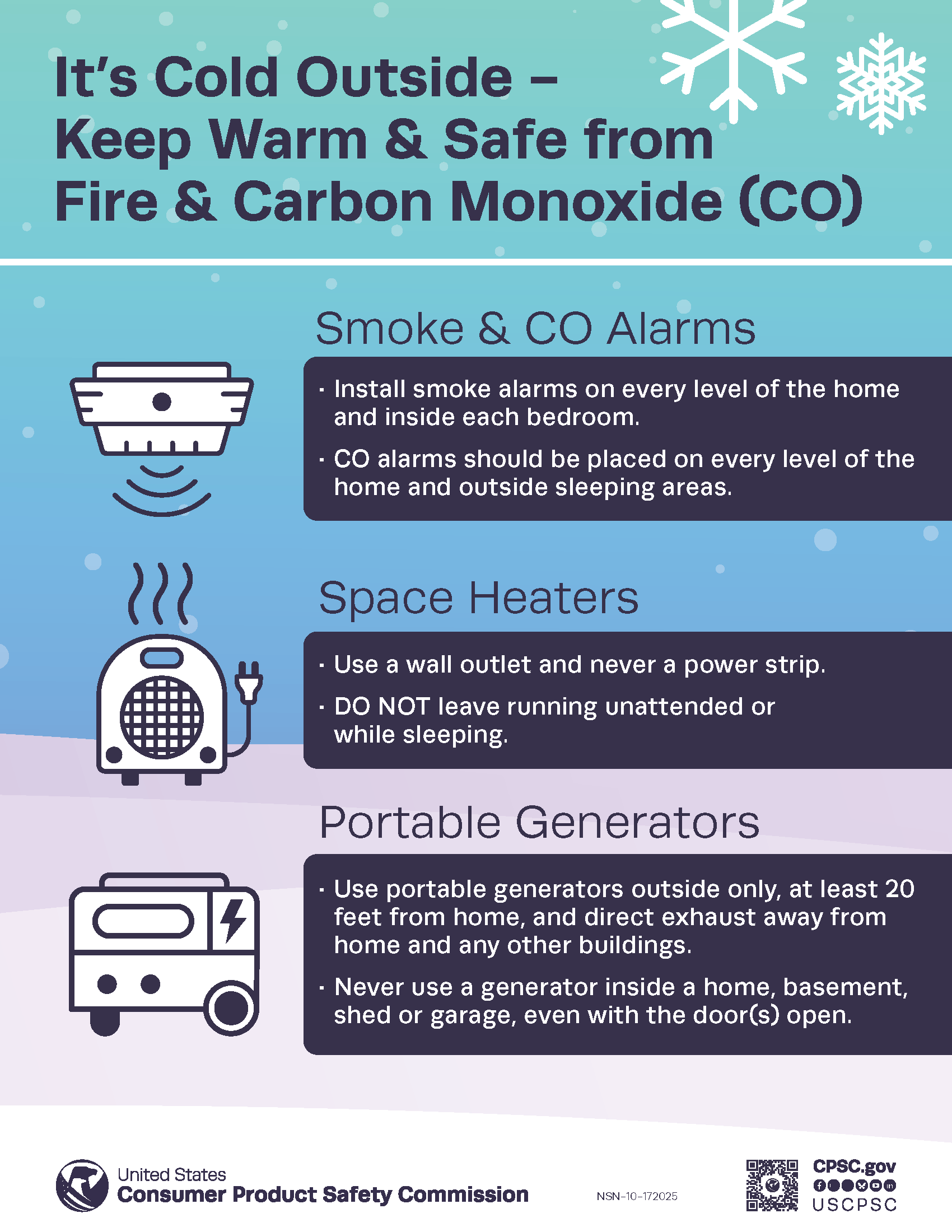
Running a space heater on a generator requires special safety steps. Space heaters use a lot of power. Generators have limits on how much power they can give. Careless use can cause accidents or damage. Follow safety tips to protect yourself and your equipment.
Avoiding Overloads
Check the generator’s watt rating before plugging in a space heater. Space heaters usually need a lot of watts to start. Too much power draw can overload the generator. This can cause the generator to shut down or break. Use a generator with enough power to handle the heater. Never connect multiple high-power devices at once.
Proper Ventilation
Space heaters need air to work safely. Place the heater in a space with good airflow. Avoid blocking vents or placing the heater near curtains or furniture. Some heaters produce heat that can build up quickly. Proper ventilation stops overheating and fire risks. Keep the area around the heater clear and open.
Carbon Monoxide Risks
Gas-powered generators produce carbon monoxide (CO). CO is a deadly gas you cannot see or smell. Never run a generator indoors or in a closed space. Keep generators outside and away from windows and doors. Use battery-powered or electric space heaters to avoid CO risks. Install CO detectors in your home for extra safety.
Tips For Efficient Use
Running a space heater on a generator can be very useful, especially during power outages. To get the best results, use the generator and heater efficiently. This helps save fuel, extends generator life, and keeps your space warm.
Follow these simple tips to use your space heater and generator safely and effectively.
Optimizing Heater Settings
Set your space heater to a moderate temperature. High settings use more power and fuel. Use a thermostat if your heater has one. This keeps the room warm without wasting energy. Turn off the heater when you leave the room. Use timers to control the heater’s working hours. This prevents unnecessary power use and saves fuel.
Generator Maintenance
Check your generator before use. Clean air filters and oil levels help it run smoothly. Regular maintenance stops breakdowns during emergencies. Store the generator in a dry place to avoid rust. Run the generator monthly, even without heavy use. This keeps the engine parts lubricated and ready to work.
Fuel Management
Use fresh fuel for better generator performance. Old fuel can cause starting problems. Store fuel safely in approved containers. Keep extra fuel handy but do not overstock. Run the generator only when needed to save fuel. Avoid running the heater and other devices together. This can overload the generator and waste fuel.
Common Challenges And Solutions
Running a space heater on a generator can be very helpful during power outages. Yet, it comes with some common challenges. Knowing these problems and their solutions helps you use the heater safely and effectively. Here are some key issues you might face and ways to handle them.
Generator Noise
Generators often make loud noise while running. This noise can be annoying, especially indoors or at night. To reduce noise, place the generator far from living areas. Use soundproofing materials or build a small enclosure around the generator. Always ensure good airflow to prevent overheating. Quieter models are also available for less noise.
Fuel Availability
Generators need fuel like gasoline or propane to work. Fuel may be hard to find during emergencies or bad weather. Store extra fuel safely before winter or power outages. Use fuel stabilizers to keep fuel fresh for longer. Check local laws about fuel storage to stay safe and legal.
Cold Weather Performance
Cold weather can make generators harder to start. Battery issues and thick oil slow down the process. Use cold-weather oil and keep the battery charged. Starting the generator indoors may help, but avoid carbon monoxide risks. Keep the generator dry and clear of snow to maintain proper function.

Credit: www.dentalhousecr.com
Credit: www.cpsc.gov
Frequently Asked Questions
Can A Standard Generator Power A Space Heater Safely?
Yes, a standard generator can run a space heater if it has enough wattage. Check the heater’s power needs and the generator’s output before use.
How Much Wattage Does A Space Heater Need On A Generator?
Most space heaters need between 1,000 and 1,500 watts. Make sure your generator can supply at least that much power.
What Type Of Generator Is Best For Space Heaters?
Inverter generators are best because they provide stable power. This helps prevent damage to your space heater.
Can Running A Space Heater Drain A Generator Quickly?
Yes, space heaters use a lot of electricity and can drain fuel fast. Keep extra fuel handy for longer use.
Is It Safe To Use A Space Heater Indoors With A Generator?
Running a generator indoors is dangerous due to carbon monoxide risks. Always use the generator outside, away from windows and doors.
Conclusion
Running a space heater on a generator is possible with caution. Check the generator’s power output first. Match it to the heater’s needs. Avoid overloading the generator to prevent damage. Use a generator in a well-ventilated area for safety. Keep cords dry and away from water.
This simple setup can provide warmth during power outages. Always follow safety instructions carefully. Stay warm and safe.