
Are you thinking about getting a blue flame heater but aren’t sure if it’s the right choice for your home? You’re not alone.
These heaters have become popular because they offer a unique way to warm up your space, but like any heating option, they come with their own set of advantages and drawbacks. Knowing the pros and cons can save you time, money, and hassle.
Keep reading to discover what makes blue flame heaters stand out—and what might hold you back—so you can make the best decision for your comfort and safety.
How Blue Flame Heaters Work
Blue flame heaters are a popular choice for heating indoor spaces efficiently. They use a simple yet effective method to warm the air. Understanding how these heaters work helps you see why they are both safe and reliable. This section explains the core functions behind their heating process.
Combustion Process
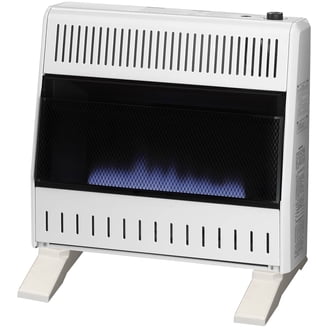
Blue flame heaters burn natural gas or propane to create heat. The fuel mixes with air inside the heater. A burner ignites this mixture, producing a blue flame. This flame shows the fuel burns completely. Complete burning reduces harmful gases. It also makes the heater more efficient. The heater’s design ensures the flame stays inside. This keeps the room air clean and safe.
Heat Distribution
Heat from the blue flame warms a metal heat exchanger. The heat exchanger gets very hot. Air from the room passes over it. This air absorbs heat and warms up. A fan or natural airflow moves the warm air into the room. This method spreads heat evenly. It warms the room faster than some other heaters. The metal exchanger also stays protected from damage. This helps the heater last longer and work well.
Credit: www.totalairinc.net
Advantages Of Blue Flame Heaters
Blue flame heaters offer several key benefits for home heating. They are known for their efficient and clean heating method. These heaters use natural gas or propane to warm air quickly and evenly. Their design makes them a practical choice for many households. Below are some important advantages of blue flame heaters.
Energy Efficiency
Blue flame heaters use fuel very efficiently. They burn gas completely, producing more heat from less fuel. This efficiency reduces energy waste and lowers utility bills. Their design helps spread heat evenly across the room. They often perform better than other gas heaters in energy use.
Cost-effectiveness
These heaters are usually cheaper to buy and operate. Natural gas and propane prices tend to be lower than electricity. The low fuel consumption keeps running costs down. Installation costs are also reasonable. This makes blue flame heaters a budget-friendly heating option.
Heating Performance
Blue flame heaters warm rooms quickly and thoroughly. Their flame heats air that circulates naturally around the space. This system prevents cold spots and keeps the room comfortable. They work well in medium to large rooms. Many users find their heat output reliable and steady.
Safety Features
Many blue flame heaters include safety measures to prevent accidents. They often have oxygen depletion sensors that shut off the heater if oxygen runs low. Some models include tip-over switches and overheat protection. These features help avoid fire hazards and carbon monoxide risks. Proper ventilation is still important for safe use.
Drawbacks Of Blue Flame Heaters
Blue flame heaters have several benefits, but they also have some drawbacks. Knowing these drawbacks helps you decide if this heater fits your needs. These heaters require special care and attention for safe and efficient use.
Installation Requirements
Blue flame heaters need proper venting for safety. They often require a gas line connection. Installation must follow local building codes. Professional help is usually necessary. This adds to the initial cost and effort.
Maintenance Needs
These heaters need regular cleaning to work well. Dust and dirt can block the burner. Filters must be checked and replaced. Annual inspections are recommended. Skipping maintenance can reduce heater life and safety.
Potential Safety Concerns
Improper installation can cause gas leaks. Carbon monoxide buildup is a serious risk. These heaters must be used in well-ventilated rooms. Safety detectors are a must. Ignoring safety can lead to health problems.
Environmental Impact
Blue flame heaters burn natural gas or propane. This releases carbon dioxide and other gases. They are less eco-friendly than electric heaters. Using them increases your carbon footprint. Consider this if you want a greener home.
Comparing Blue Flame Heaters With Other Types
Blue flame heaters use natural gas or propane to warm a room. They heat the air by burning fuel inside a sealed chamber. The warm air then spreads through the space. Other heaters work differently. Comparing blue flame heaters with electric, infrared, and convection heaters helps you choose the best option.
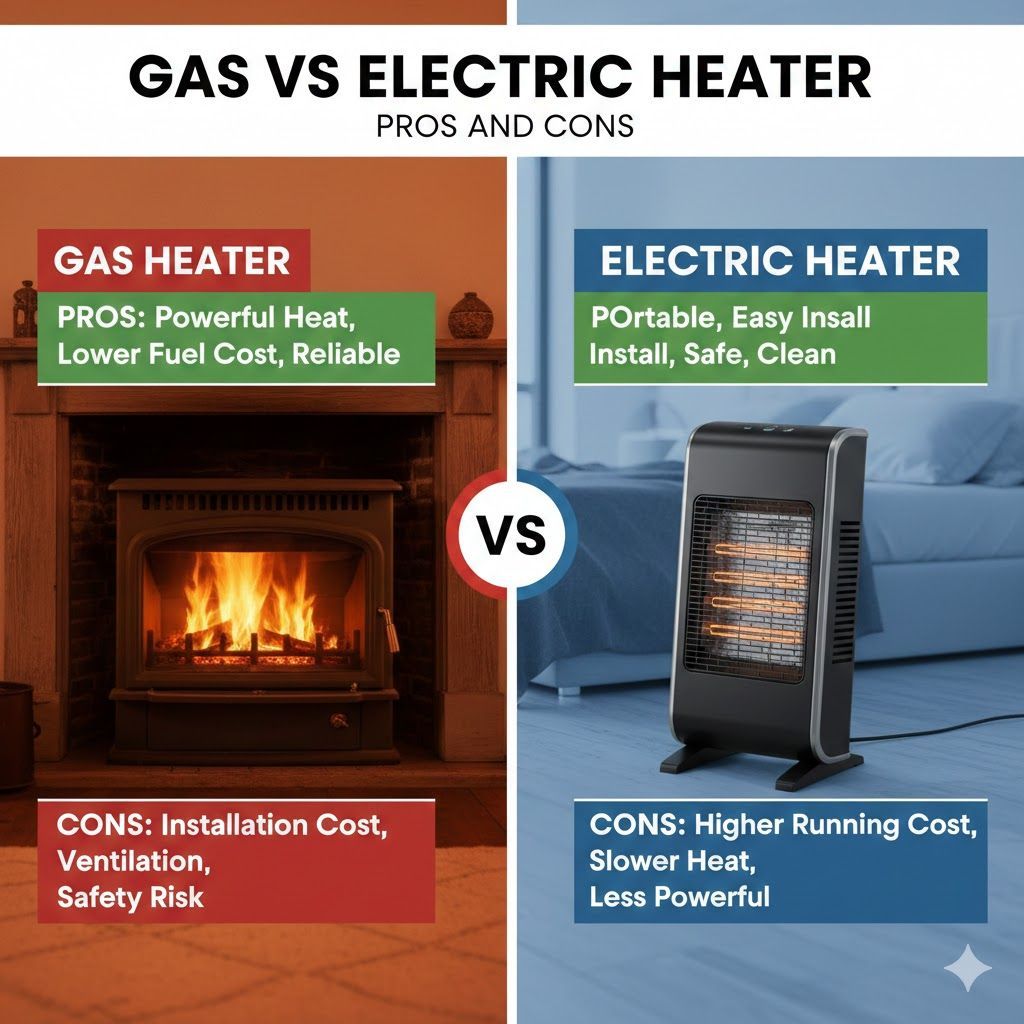
Versus Electric Heaters
Electric heaters convert electricity into heat. They are easy to use and install. Blue flame heaters cost less to run in areas with cheap gas. Electric heaters do not need ventilation. Blue flame heaters require good air flow to work safely.
Electric heaters heat quickly but may raise energy bills. Blue flame heaters heat larger spaces evenly. They also keep humidity levels higher. Electric heaters can dry the air more.
Versus Infrared Heaters
Infrared heaters warm objects directly, not the air. Blue flame heaters warm the air around you. Infrared heat feels instant and focused. Blue flame heat spreads out to warm the whole room.
Infrared heaters use electricity and work silently. Blue flame heaters produce some noise from the burner. Infrared units are good for spot heating. Blue flame heaters suit whole-room heating better.
Versus Convection Heaters
Convection heaters move warm air by natural flow. Blue flame heaters also use convection but add fuel burning warmth. Convection heaters are electric and safe for small spaces. Blue flame heaters need ventilation but heat bigger rooms well.
Convection heaters take longer to warm rooms. Blue flame heaters heat faster and keep warmth longer. Both types provide steady heat without cold spots.
Choosing The Right Blue Flame Heater
Choosing the right blue flame heater is key for comfort and safety. These heaters offer efficient warmth, but selecting the best one depends on your needs. Consider size, fuel type, and room setup to make a smart choice. These factors affect how well the heater works and how safe it is in your space.
Size And Capacity
Pick a heater size that fits your room. A small heater in a big room won’t warm well. A large heater in a small room can waste fuel. Measure your space before buying. Check the heater’s capacity in BTUs. Higher BTUs mean more heat. Match BTUs to your room size for best results.
Fuel Source Options
Blue flame heaters use natural gas or propane. Natural gas is cheaper but needs a gas line. Propane is portable and stored in tanks. Choose fuel based on your home setup. Think about cost and availability. Some heaters work with both fuels. Know which one suits your needs best.
Placement And Ventilation
Place the heater where air can flow freely. Avoid cramped spaces or areas near curtains. Proper ventilation stops harmful gases from building up. Blue flame heaters need venting to the outside or good room airflow. Follow safety guidelines for placement. This keeps your home safe and warm.

Credit: blog.totalhomesupply.com
Tips For Safe And Efficient Use
Using a blue flame heater safely and efficiently protects your home and cuts energy costs. Simple steps can keep your heater running well and your space warm. Follow these tips for best results.
Regular Maintenance
Clean the heater regularly to remove dust and dirt. Check the pilot light and burner for proper function. Replace filters on time. Schedule professional inspections once a year. This helps spot problems early and keeps the heater safe.
Proper Ventilation
Ensure the room has fresh air while the heater is on. Avoid blocking vents or air inlets. Open a window slightly if the room feels stuffy. Good airflow prevents harmful gas build-up and keeps the heater working well.
Monitoring For Issues
Watch for strange smells, noises, or flames that are not blue. Turn off the heater if you notice these signs. Check carbon monoxide detectors regularly. Early detection of problems prevents accidents and keeps your family safe.
Credit: www.walmart.com
Frequently Asked Questions
What Are The Main Benefits Of A Blue Flame Heater?
Blue flame heaters warm a room quickly and evenly. They use natural gas or propane, which is cost-effective. These heaters also provide safe, clean heat with low emissions.
How Safe Is A Blue Flame Heater For Indoor Use?
Blue flame heaters are safe when installed and vented properly. They burn fuel completely, reducing harmful gases. Regular maintenance is important to avoid any risks.
Can Blue Flame Heaters Work During Power Outages?
Yes, blue flame heaters can work without electricity. They rely on gas, not electric power. This makes them useful during blackouts or emergencies.
What Are Common Drawbacks Of Blue Flame Heaters?
They need proper ventilation to avoid carbon monoxide buildup. Installation can be costly and requires professional help. Some models may dry out the air inside the room.
How Energy Efficient Are Blue Flame Heaters Compared To Others?
Blue flame heaters are fairly energy efficient for gas heaters. They convert most fuel into heat with little waste. Still, electric heaters may offer higher efficiency in some cases.
Conclusion
Blue flame heaters offer efficient and even heat for your space. They use less energy but need good ventilation. These heaters are quiet and cost-effective but might not suit very large rooms. Safety is important; regular checks keep them running well.
Weigh the benefits and drawbacks based on your needs. Choose what fits your home and comfort best.