
Choosing the right heating system for your home can feel overwhelming. You want warmth, comfort, and efficiency—but which option fits your needs best?
If you’re torn between baseboard heaters and central heat, this guide is made for you. By the end, you’ll understand how each system works, the costs involved, and which one saves you more money and energy. Keep reading to discover what suits your home and lifestyle perfectly.
Your cozy, comfortable winter starts here.
Baseboard Heaters Basics
Baseboard heaters offer a simple way to warm up rooms. They are popular in homes without central heating. Understanding how these heaters work helps you decide if they fit your needs.
These heaters sit along the base of walls. They use electricity or hot water to create heat. Quiet and easy to control, baseboard heaters provide steady warmth.
Types Of Baseboard Heaters
There are two main types of baseboard heaters. Electric baseboard heaters run on electricity. They use metal fins to spread heat evenly.
Hydronic baseboard heaters use hot water or oil inside pipes. The heat moves through the pipes and warms the room. Hydronic heaters are often more efficient and gentle.
How Baseboard Heaters Work
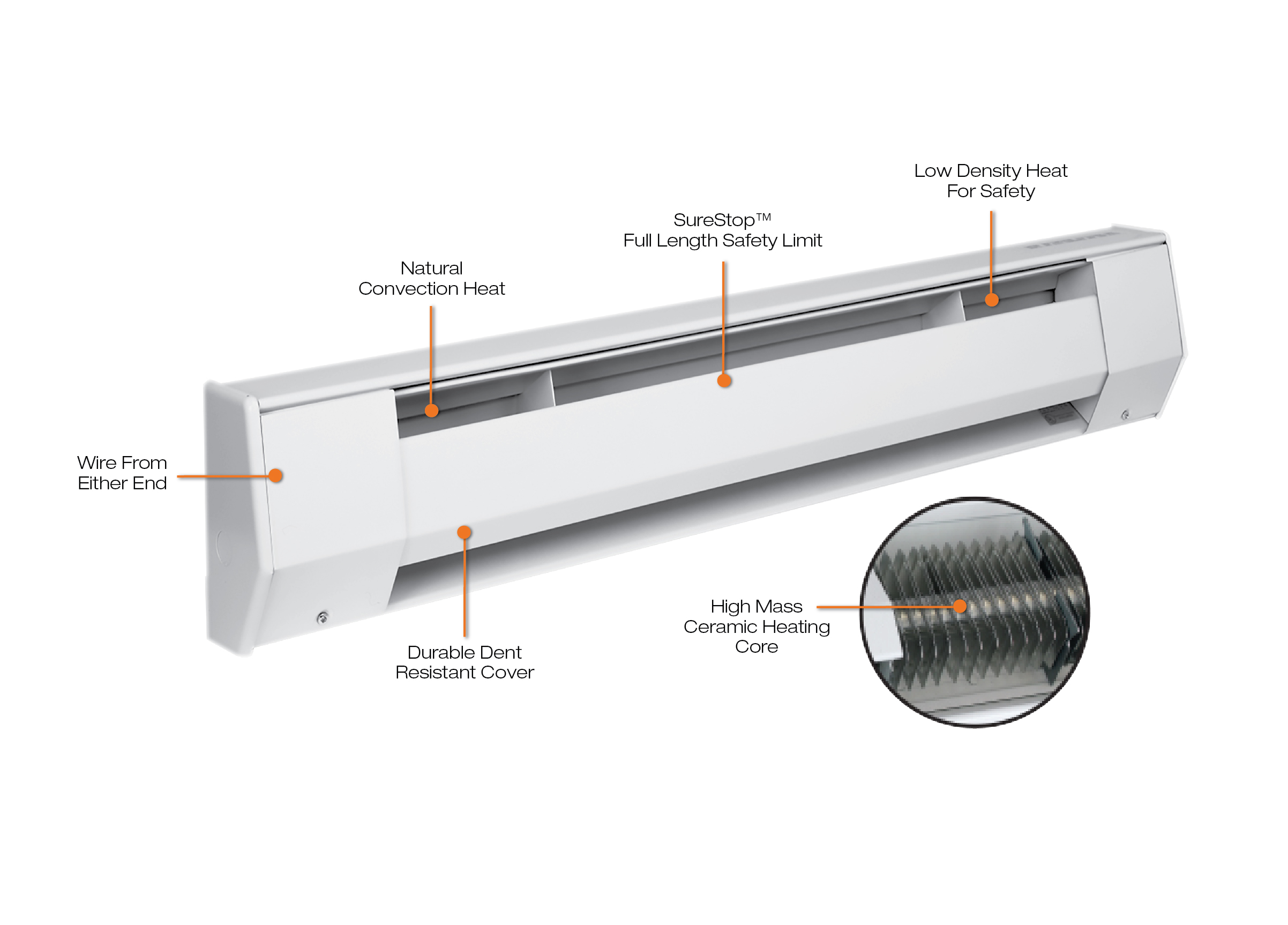
Baseboard heaters warm rooms by heating air near the floor. Warm air rises, pushing cold air down to repeat the cycle. This process is called convection heating.
Electric heaters use wires that get hot when electricity passes through. Hydronic heaters rely on heated water moving inside pipes. Both types provide quiet, even heat without blowing air.
Installation Process
Installing electric baseboard heaters is usually simple. They mount on the wall near the floor and connect to your home’s electrical system. A professional electrician should handle this work.
Hydronic baseboard heaters need a boiler and piping system. Installation takes more time and skill. Pipes run behind walls or along floors to carry hot water.
Both types require space along the wall and clearance for airflow. Proper installation ensures safe, efficient heating.

Credit: blog.totalhomesupply.com
Central Heating Systems
Central heating systems provide warmth to entire homes from one main source. These systems spread heat evenly through pipes or air ducts. They offer consistent comfort, especially in colder months. Many homes rely on central heating for efficient and controlled warmth.
Understanding how central heating works helps in choosing the right system. It also explains the space and installation needs for your home.
Common Central Heating Types
Furnace systems use gas, oil, or electricity to heat air. This warm air travels through ducts to rooms. Boiler systems heat water to produce steam or hot water. This heat moves through pipes to radiators or underfloor coils. Heat pumps transfer heat from outside air or ground. They can both heat and cool your home. Each type suits different home sizes and climates.
Operation Of Central Heating
Thermostats control the heat by turning the system on or off. Furnaces blow warm air through vents. Boilers send hot water or steam to radiators. Heat pumps move heat into the house during winter. The system keeps the temperature steady by cycling on and off. This process uses energy efficiently and keeps rooms cozy.
Installation Requirements
Central heating needs space for a furnace or boiler unit. Ductwork or piping must be installed throughout the home. This work is best done during construction or remodeling. Proper insulation helps the system work well. The system requires a fuel source like gas, oil, or electricity. Professional installation ensures safety and system longevity.
Cost Comparison
Cost plays a big role in choosing between baseboard heaters and central heat. Understanding the costs helps make the right decision for your home and budget. The price varies in different areas. This guide breaks down the main cost factors to help you compare both heating options.
Initial Installation Costs
Baseboard heaters usually cost less to install. They need less work and fewer materials. You install them in each room separately. Central heat requires ducts and a furnace or heat pump. This makes installation more complex and costly. The cost depends on the size of your home and system type.
Operating Expenses
Baseboard heaters use electricity directly, which can be expensive. They heat rooms one at a time, saving energy if you only use some rooms. Central heat heats the whole house at once. It often uses gas or electricity. Central systems can be cheaper to run if your home is large or well insulated.
Maintenance And Repairs
Baseboard heaters have few moving parts. This means less chance of breakdowns and low maintenance costs. Central heating systems need regular checkups. Filters, ducts, and furnaces require cleaning and repairs. Repairs for central heat can cost more than for baseboard heaters. Regular care can extend the life of both systems.
Energy Efficiency
Energy efficiency plays a key role in choosing between baseboard heaters and central heating. It affects your electricity bill and the environment. Understanding how each system uses energy helps make a smart choice for your home.
Heat Distribution Methods
Baseboard heaters warm the air near the floor. The heat rises slowly and spreads throughout the room. Central heating pushes warm air through ducts or pipes to every room. This method heats spaces more evenly and quickly.
Energy Consumption Patterns
Baseboard heaters use electricity directly in each room. They can be turned on only where needed. Central heating uses a furnace or boiler to heat the whole house at once. It uses more energy but can keep the house at a steady temperature.
Environmental Impact
Baseboard heaters may increase electricity use, depending on the power source. Central heating systems can use gas or oil, which emit more greenhouse gases. Choosing energy-efficient models and controlling usage lowers environmental harm.
Comfort And Performance
Comfort and performance matter most when choosing a heating system. Both baseboard heaters and central heat have strengths in these areas. Understanding their differences helps pick the right option for your home.
Comfort means how warm and cozy your space feels. Performance relates to how well the system heats your rooms efficiently. These factors affect your daily comfort and energy bills.
Heating Speed
Baseboard heaters warm a room slowly. They use radiant heat to gently raise the temperature. Central heat works faster by blowing warm air through vents. It can heat the whole house quickly. Speed depends on the size of your home and heater power.
Temperature Control
Baseboard heaters offer room-by-room control. You can set different temperatures in each space. Central heat uses one thermostat for the entire house. Some systems have zoning options for better control. Precise control helps save energy and keeps everyone comfortable.
Noise Levels
Baseboard heaters operate quietly with no fans or motors. Central heating systems often produce some noise from blowers. Noise varies by model and maintenance. Quiet heating improves comfort, especially in bedrooms and living rooms.
Space And Design Considerations
Space and design are key factors in choosing between baseboard heaters and central heat. These heating options affect your room’s layout and look. Understanding these differences helps you pick the best fit for your home.
Placement Flexibility
Baseboard heaters offer great placement flexibility. You can install them along walls or under windows. This allows heating in specific rooms or zones. Central heat uses ducts and vents, which limits where heat flows. It works best with planned ductwork in your home’s structure.
Aesthetic Impact
Baseboard heaters are visible and take wall space. They come in simple designs but might not blend well with all decor. Central heat vents are small and less noticeable. They keep walls clear and let you decorate freely. Central systems keep the room cleaner and less cluttered.
Space Requirements
Baseboard heaters need clear space around them for safety. Furniture and curtains must stay away to avoid fire risks. Central heat needs space for ducts, usually in ceilings or floors. This can reduce usable attic or basement space. Both systems require some planning for space use.
Safety And Health Factors
Safety and health are key factors when choosing between baseboard heaters and central heat. Both systems affect your home environment differently. Understanding these effects helps you pick the best option for your family’s well-being.
Fire Hazards
Baseboard heaters heat up metal fins that can get very hot. Items placed too close may catch fire. Keep furniture, curtains, and papers away. Central heating systems use ducts and vents, reducing direct heat risks. Regular maintenance prevents dust buildup, lowering fire chances.
Air Quality Effects
Baseboard heaters do not blow air, so they keep dust settled. This helps people with allergies. Central heat moves air through ducts. This can spread dust and allergens if filters are dirty. Change filters often to keep air clean and fresh.
Child And Pet Safety
Baseboard heaters can cause burns if touched because of hot surfaces. Use guards or barriers for protection. Central heat vents are safer to touch but check vent covers. Both systems need care to keep children and pets safe from heat and sharp parts.
When To Choose Baseboard Heaters
Baseboard heaters offer a simple and efficient way to warm up spaces. They work well in many homes and settings. Knowing when to choose baseboard heaters helps you make the best heating decision. This guide explains the best times to pick baseboard heaters over central heat.
Best Use Cases
Baseboard heaters work best in small rooms or individual spaces. They provide quick, direct heat where you need it most. Ideal for rooms without existing ductwork. Perfect for supplementing heat in colder areas of a home. Great for homes that need zone heating control.
Climate Suitability
Baseboard heaters suit mild to moderately cold climates. They efficiently heat areas without extreme cold. Not the best choice for very cold or large spaces. Work well in places with short heating seasons. Offer easy temperature control in varying weather.
Home Types
Best for older homes lacking duct systems. Easy to install along walls without major renovations. Suitable for apartments, small houses, and cabins. Ideal for rooms with limited space for large heating units. Fit well in homes needing quiet and clean heat.
When To Choose Central Heating
Choosing the right heating system matters a lot for your comfort and budget. Central heating offers a way to heat your entire home evenly. It works well in many situations. Knowing when to pick central heating helps you make a smart choice.
This section explains the best times to choose central heating. It also covers large home needs and long-term benefits.
Ideal Scenarios
Central heating suits homes with multiple rooms. It keeps the temperature steady everywhere. This system works well in cold climates. It heats fast and stays warm for a long time. Families with kids or elderly members benefit from steady warmth. Central heating is also good for homes with open floor plans.
Large Home Considerations
Big houses need strong heating systems. Central heating covers large spaces better than baseboard heaters. It reduces the need for many separate heaters. This system uses one main unit to heat the whole house. It helps save energy by controlling heat in one place. Central heating also reduces noise from multiple heaters.
Long-term Benefits
Central heating lasts for many years with proper care. It often increases home value when installed well. This system can lower heating bills over time. It uses fuel or electricity more efficiently. Central heating also works well with modern thermostats. These thermostats save energy by adjusting heat automatically.
Credit: king-electric.com
Upgrading And Replacement Tips
Upgrading or replacing your heating system can improve comfort and save energy. Both baseboard heaters and central heating systems have pros and cons. Knowing when to upgrade and how to choose the right system helps you make the best decision. Proper installation also ensures safety and efficiency.
Signs To Upgrade
Old heaters often break down more often. Rising energy bills can mean your system is inefficient. Uneven heating in rooms shows your system may not work well. Strange noises or smells from heaters need attention. If repairs cost too much, replacing might save money.
Choosing The Right System
Baseboard heaters work well for small spaces or individual rooms. Central heating suits larger homes and provides even heat everywhere. Consider your home size, insulation, and budget. Energy efficiency ratings help pick a system that lowers bills. Think about how often you use heating and your comfort needs.
Professional Installation Advice
Hire a licensed professional for safe and correct installation. Experts know local building codes and safety rules. Proper installation avoids future breakdowns and hazards. They can suggest the best location for heaters or vents. Always ask for a written estimate and warranty before starting work.
:max_bytes(150000):strip_icc()/SPR-electric-baseboard-heat-6259888-hero_30610-69e120c58eb04fc081899cd70dc4b495.jpg)
Credit: www.thespruce.com
Frequently Asked Questions
What Are The Main Differences Between Baseboard Heaters And Central Heat?
Baseboard heaters warm rooms individually using electric or hot water. Central heat uses one system to heat the whole house through ducts. Baseboard heaters are simpler but less efficient for large spaces.
Which Heating System Is More Energy Efficient?
Central heating is usually more energy efficient for big homes. Baseboard heaters work well for small spaces or rooms used less often. Energy use depends on your home size and insulation.
How Much Does It Cost To Install Baseboard Heaters?
Installing baseboard heaters is generally cheaper than central heating systems. Costs depend on the number of units and electrical work needed. It’s a good option for small or single rooms.
Can Baseboard Heaters Provide Enough Heat In Cold Climates?
Baseboard heaters can heat small rooms well but may struggle in very cold areas. Central heating is better for keeping large homes warm in cold weather. Insulation also affects heating performance.
How Noisy Are Baseboard Heaters Compared To Central Heating?
Baseboard heaters are usually quiet with only a slight humming sound. Central heating systems may produce noise from the furnace and air ducts. Noise levels vary by model and maintenance.
What Maintenance Is Needed For Baseboard Heaters Versus Central Heat?
Baseboard heaters need little maintenance, mainly cleaning dust from units. Central heating requires regular filter changes and system checks by a professional. Proper care keeps both systems working well and safely.
Conclusion
Choosing between baseboard heaters and central heat depends on your needs. Baseboard heaters offer easy installation and room-by-room control. Central heat provides even warmth throughout the whole house. Consider energy costs, space, and comfort preferences. Both systems have pros and cons to weigh.
Think about your budget and home size. The right choice keeps you warm and saves money. Take time to decide what fits best for you. Warmth and comfort matter most in any home.