
When it comes to keeping your home warm, baseboard heaters play a big role. But have you ever wondered how old baseboard heaters stack up against the new models?
You might be surprised by the differences—and how those differences could affect your comfort, energy bills, and even your safety. You’ll discover what sets old baseboard heaters apart from the new ones, so you can make the best choice for your home.
Keep reading to find out which option will work better for you and why upgrading might be worth it.
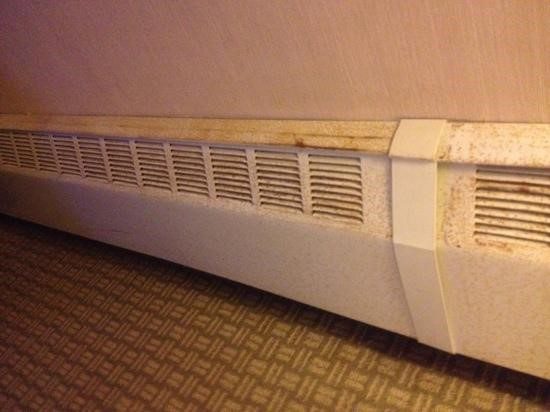
Credit: www.ducoterra.com
Old Baseboard Heaters
Old baseboard heaters have served many homes for decades. They provide steady warmth along walls or under windows. Their simple design and function made them popular in older buildings.
These heaters use basic technology. Understanding their features helps compare them with newer models.
Design And Materials
Old baseboard heaters usually have metal covers. Steel or aluminum is common for durability. The design is basic and long, fitting along room edges. The metal fins inside help spread heat. The look is plain but functional. They often show wear over time, like rust or dents.
Heating Mechanism
Most old baseboard heaters use electric resistance. Electricity passes through metal coils, creating heat. The warm air rises naturally, heating the room. This method is simple and reliable. No fans or moving parts make them quiet. Heat spreads slowly compared to forced-air systems.
Energy Consumption
Old baseboard heaters use a lot of electricity. They run at full power until the room warms up. This can raise energy bills. They lack advanced controls to save power. No timers or smart thermostats are common. Energy efficiency is lower than modern heaters.
Lifespan And Maintenance
These heaters last many years with basic care. Dust and dirt can reduce heat output. Cleaning the fins helps maintain performance. Wiring and thermostats may need checking or replacing. Repairs are usually simple but needed more often with age. Regular maintenance keeps them working well.
New Baseboard Heaters
New baseboard heaters bring many changes compared to old models. They offer better looks and smarter technology. These heaters work more quietly and heat rooms faster. Many homes now choose new baseboard heaters for comfort and style.
Modern Design Features
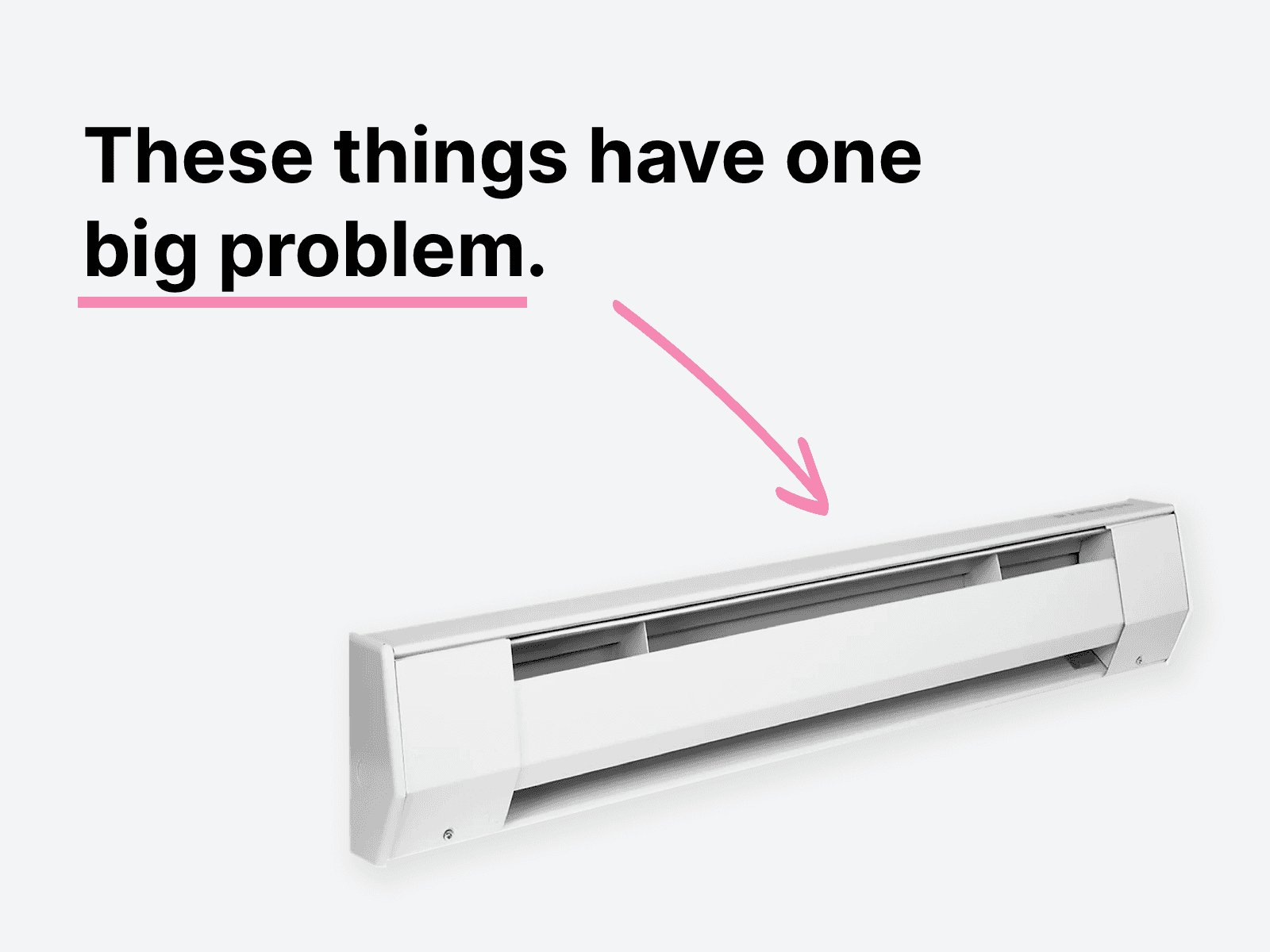
New baseboard heaters have sleek and simple designs. They blend well with different room styles. Many come in neutral colors like white or beige. Some models have smooth edges and low profiles. This design helps them fit under windows without standing out.
Advanced Heating Technology
These heaters use improved heating elements. They spread heat evenly across the room. Some models include digital thermostats for precise control. Smart sensors adjust heat based on room temperature. This technology helps maintain steady warmth without wasting energy.
Energy Efficiency Improvements
New baseboard heaters consume less electricity. They convert power into heat more effectively. Many units have energy-saving modes and timers. These features reduce energy waste and lower bills. Efficient heaters also reduce environmental impact.
Durability And Upkeep
Modern heaters use stronger materials for longer life. They resist rust and wear better than old models. Maintenance is easier with removable covers and parts. New designs require less frequent cleaning. This saves time and keeps heaters working well.
Efficiency Comparison
Comparing old and new baseboard heaters helps understand their efficiency differences. Efficiency affects comfort, bills, and the environment. New models often use better technology for improved performance.
Heat Output And Distribution
Old baseboard heaters provide steady heat but can be uneven. New heaters offer more even heat across the room. Improved design allows warm air to flow better. This means fewer cold spots and better comfort.
Energy Usage And Cost Savings
Old heaters use more electricity to reach the same temperature. New heaters consume less power due to advanced heating elements. Lower energy use results in smaller monthly bills. Upgrading can save money over time.
Environmental Impact
Older heaters often waste energy, increasing carbon footprint. New baseboard heaters are more eco-friendly. They use energy more wisely and reduce emissions. Choosing modern heaters supports a cleaner environment.
Installation And Compatibility
Installation and compatibility play a big role in choosing between old and new baseboard heaters. The process affects time, cost, and how well the heater fits your home. Some heaters need more work to install, while others blend into your current setup easily. Space also matters, as heaters take up room along your walls.
Ease Of Installation
Old baseboard heaters often require more wiring and careful placement. They usually need a professional electrician for safe setup. New models focus on simple installation. Many come with plug-in options or easy mounting brackets. This saves time and reduces hassle for homeowners.
Integration With Home Systems
Older heaters work well but may not connect to modern thermostats. They often need manual control. New baseboard heaters can connect to smart home systems. This allows remote control and energy saving. They fit better with today’s technology for heating management.
Space Requirements
Old baseboard heaters tend to be bulkier. They take up more wall space and can limit furniture placement. New heaters are slimmer and lighter. They fit into tighter spaces without crowding the room. This helps keep your home neat and comfortable.
User Experience
User experience plays a big role in choosing baseboard heaters. Comfort, ease of use, and safety matter most to users. Old and new baseboard heaters differ in these areas. Let’s explore how they compare.
Temperature Control
Old baseboard heaters often have manual dials. Users must adjust settings themselves. This can cause uneven room temperatures. New models offer digital thermostats. They keep the room at a steady temperature. Some new heaters even learn your schedule. This helps save energy and keeps comfort high.
Noise Levels
Older baseboard heaters sometimes make humming or buzzing sounds. This noise can be distracting in quiet rooms. New heaters run much quieter. Many use better materials and design. This makes them almost silent. A quiet heater improves relaxation and focus.
Safety Features
Safety is critical in heating devices. Old heaters can get very hot to touch. This is risky for children and pets. New baseboard heaters have cool-touch technology. They stay safer to handle. Many also include automatic shut-off features. These prevent overheating and reduce fire risks.
Cost Analysis
Cost is a key factor when choosing between old and new baseboard heaters. Understanding costs helps make a smart choice. Costs include buying, running, and long-term value.
This section breaks down these costs clearly. It helps you see which option fits your budget best.
Initial Purchase Price
Old baseboard heaters usually cost less upfront. They have a simple design and fewer features. New models often have advanced technology. This makes them pricier at first.
Prices for new heaters vary by brand and features. Some come with smart controls or better materials. These add to the cost but improve comfort and efficiency.
Operating Costs
Old heaters use more electricity to work. They lack energy-saving features. This leads to higher monthly bills. New heaters are designed to save energy. They use less power for the same heat output.
Energy-efficient heaters lower your electricity bills. Over time, this saves a good amount of money. Maintenance costs also tend to be lower for new heaters.
Long-term Value
Old heaters might need repairs or replacement sooner. This adds extra costs over time. New baseboard heaters last longer and work better. They keep your home comfortable with less energy waste.
Investing in a new heater can pay off in the long run. Lower bills and fewer repairs add up to savings. The right choice depends on your budget and needs.
Choosing The Right Heater
Choosing the right baseboard heater is important for comfort and savings. Old and new models offer different benefits. Knowing what fits your home best helps you make a smart choice. Consider your home’s size, your budget, and how much you care about the environment.
Assessing Home Heating Needs
Start by checking the size of the room or area to heat. Bigger rooms need more power to stay warm. Old heaters may not heat evenly, causing cold spots. New heaters often provide steady and consistent warmth. Think about how often you use the space. A seldom-used room might need a smaller or less expensive heater.
Budget Considerations
Old heaters tend to cost less upfront. They might use more electricity, raising bills over time. New heaters usually have better energy efficiency. This can lower monthly costs. Weigh the initial price against long-term savings. Also, consider installation costs. Some new models might need professional setup, adding to expenses.
Environmental Priorities
New baseboard heaters often use less energy. This helps reduce your home’s carbon footprint. Older models can waste electricity and harm the environment. Choosing an energy-efficient heater supports cleaner air. It also aligns with many local rules and incentives. Think about your impact on the planet when selecting a heater.
.jpg)
Credit: www.dreamgreendiy.com
Credit: www.salonhabitat-stbrieuc.fr
Frequently Asked Questions
What Are The Main Differences Between Old And New Baseboard Heaters?
Old baseboard heaters use simple metal coils, while new ones use advanced materials for better heat. New heaters are more energy-efficient and safer to use. They also offer improved temperature control.
How Do New Baseboard Heaters Save Energy Compared To Old Ones?
New baseboard heaters use improved technology to reduce electricity use. They heat rooms faster and keep temperatures steady. This means less wasted energy and lower bills.
Are New Baseboard Heaters Safer Than Old Models?
Yes, new baseboard heaters have better safety features like automatic shut-off. They also stay cooler on the outside to prevent burns. Old models can get very hot and cause accidents.
Can Old Baseboard Heaters Be Replaced Easily With New Ones?
Replacing old baseboard heaters with new models is usually simple. New heaters fit into the same spaces with minimal changes. It is best to hire a professional for safe installation.
Do New Baseboard Heaters Provide Better Heat Distribution?
New baseboard heaters spread heat more evenly across a room. This creates a more comfortable environment with fewer cold spots. Old heaters often heat unevenly and waste energy.
What Maintenance Do Old And New Baseboard Heaters Require?
Old baseboard heaters need regular cleaning to prevent dust buildup. New models require less maintenance but still need occasional checks. Both types should be inspected yearly for safety.
Conclusion
Old baseboard heaters work but use more energy. New models heat rooms faster and save money. They also offer better safety and control. Choosing the right heater depends on your needs and budget. Upgrading can improve comfort in your home.
Consider how often you use the heater. Think about energy bills and maintenance costs too. New heaters might cost more at first but save later. Keep your home warm and costs low with the right choice. Simple changes make a big difference in heating.