
Are you trying to decide between electric and hydronic baseboard heaters for your home? Choosing the right heating system can feel confusing, but it doesn’t have to be.
Understanding how each type works and what benefits they offer will help you make a smart choice that fits your needs and saves you money. Keep reading to discover the key differences, advantages, and what you should consider before making your decision.
This guide will help you feel confident in picking the best baseboard heater for your space.
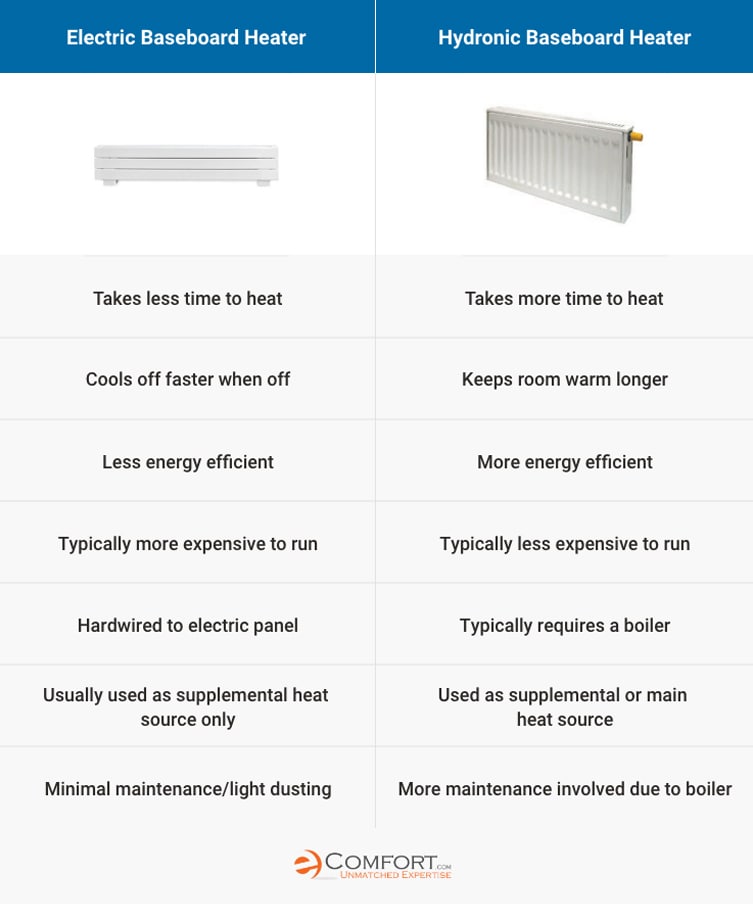
Credit: www.ecomfort.com
Electric Baseboard Heaters
Electric baseboard heaters offer a simple and effective way to heat rooms. They use electricity to create warmth and distribute it along the baseboard near the floor. These heaters are common in homes without central heating systems. They provide steady heat and allow you to control the temperature in each room separately.
How They Work
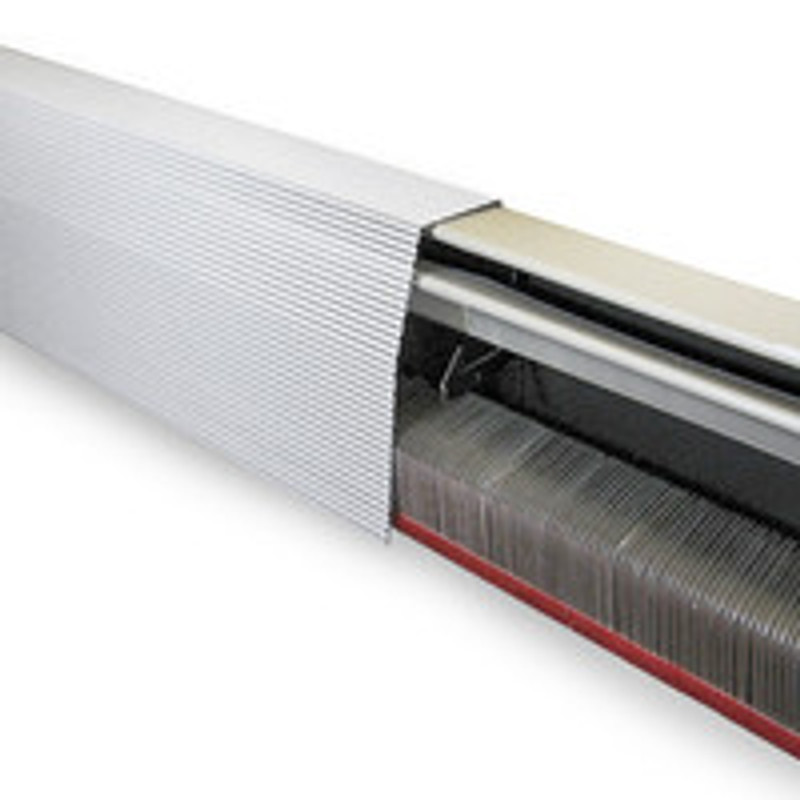
Electric baseboard heaters have metal fins that heat up when electricity passes through a heating element. The warm air rises from the fins and spreads heat around the room. This process is called convection. It helps keep the room warm without blowing hot air directly.
Installation Process
Installing electric baseboard heaters is simple and fast. The heater is mounted on the wall near the floor. It needs a dedicated electrical circuit for safety. Most installations take a few hours and do not require major changes to the home.
Energy Efficiency
Electric baseboard heaters convert almost all electricity into heat. They work well in small spaces or rooms used often. Still, electricity can cost more than other heating fuels. Using a thermostat helps reduce energy use by turning heaters off when not needed.
Cost Factors
Electric heaters are usually cheaper to buy and install than hydronic systems. Operating costs depend on local electricity prices. They cost less upfront but might be more expensive to run long-term. The size of the heater and room affect the total cost.
Maintenance Needs
Electric baseboard heaters need very little maintenance. Cleaning dust from the fins helps keep them efficient. There are no fluids or moving parts to check. Regular inspection ensures the heater works safely and lasts longer.
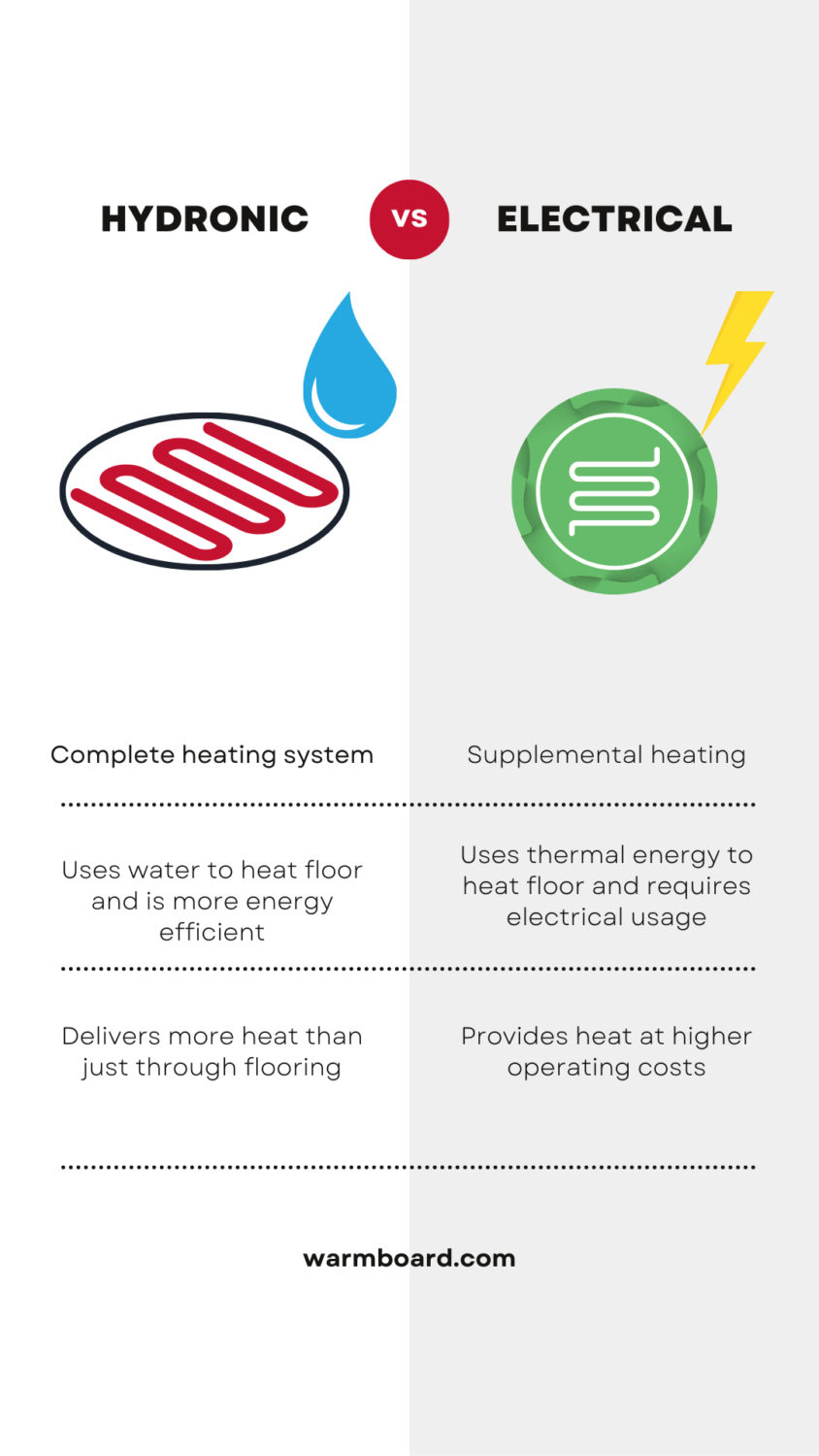
Credit: www.warmboard.com
Hydronic Baseboard Heaters
Hydronic baseboard heaters offer a quiet and efficient way to heat rooms. They use hot water to warm the space, providing steady and even heat. Many people choose hydronic heaters for their comfort and energy efficiency. Understanding how they work and their costs helps in deciding if they fit your home.
Operating Principles
Hydronic baseboard heaters use hot water from a boiler. The water flows through pipes inside the baseboard unit. Heat transfers from the water to the metal fins. These fins warm the air around them. Warm air rises, spreading heat gently through the room. This method creates a comfortable heat without dry air.
Setup And Installation
Installation needs a boiler and pipe system in the walls or floor. Pipes connect the boiler to each baseboard unit. A thermostat controls the water temperature. Installation can take time and may require a professional. Proper setup ensures the heater works efficiently and safely.
Energy Consumption
Hydronic heaters use electricity to run the boiler pump and controls. The boiler heats water using gas, oil, or electricity. Water holds heat well, so the system keeps rooms warm longer. This means less energy is needed to maintain temperature. Hydronic systems often cost less to run than electric baseboard heaters.
Initial And Running Costs
Initial costs are higher due to boiler and piping installation. Materials and labor add to the upfront price. Running costs depend on the fuel used for the boiler. Gas or oil boilers usually cost less than electric ones. Over time, energy savings can offset the higher start cost.
Upkeep And Durability
Hydronic baseboard heaters last many years with proper care. Boilers need annual maintenance to stay efficient and safe. Pipes and valves require occasional checks for leaks. The baseboard units themselves need little maintenance. Regular upkeep helps avoid costly repairs and keeps the system running well.
Comfort And Heat Distribution
Comfort and heat distribution are key factors when choosing baseboard heaters. How warm and evenly a room feels affects your daily life. Both electric and hydronic baseboard heaters offer different experiences in these areas. Understanding these differences helps you pick the right system for your home.
Warmth Consistency
Electric baseboard heaters heat up quickly. They provide direct heat from the unit itself. This causes warmth close to the heater but less heat far away. Hydronic heaters use hot water to warm the room. The heat spreads more evenly and lasts longer. It feels gentle and steady throughout the space.
Noise Levels
Electric heaters run silently because they have no moving parts. You won’t hear any sound during operation. Hydronic heaters may produce a slight noise. This comes from water moving inside the pipes. Still, the sound is very soft and rarely bothers people.
Air Quality Impact
Electric heaters do not blow air. They do not stir dust or allergens. This keeps the room air cleaner. Hydronic heaters also avoid air movement. They provide warm air without drying it out. Both systems are good for people with allergies or asthma.
Credit: ventandcover.com
Environmental Impact
Heating your home affects the environment in many ways. Choosing the right baseboard heater can lower your impact. Electric and hydronic baseboard heaters differ in how they affect the planet. Understanding their environmental impact helps you make a better choice.
Carbon Footprint
Electric baseboard heaters produce no emissions at home. The carbon footprint depends on electricity source. If electricity comes from coal, the footprint is high. Hydronic heaters use hot water from a boiler. Boilers often burn natural gas or oil. This creates carbon emissions during heating. Hydronic systems may have a larger footprint if using fossil fuels. Electric heaters can be cleaner if powered by green energy.
Use Of Renewable Energy
Electric heaters can run on renewable energy like solar or wind. This reduces their environmental impact greatly. Hydronic systems can also use renewable energy if paired with solar water heaters. However, this setup is less common and can cost more. Electric baseboard heaters offer more flexibility for clean energy use. Choosing renewable energy lowers pollution and saves resources.
Choosing The Right Heater
Choosing the right baseboard heater can improve your home’s comfort and energy use. Electric and hydronic heaters work differently. Each type suits different needs and spaces. Understanding key factors helps you pick the best option for your home.
Home Size And Layout
Small homes or rooms may benefit from electric baseboard heaters. They heat quickly and are easy to install. Larger homes might need hydronic heaters. These spread heat evenly and keep rooms warm longer. Open floor plans allow better heat flow, making hydronic units more efficient.
Climate Considerations
Cold climates demand steady and strong heat. Hydronic baseboard heaters excel here. They maintain warmth even when power is off. Mild climates may do well with electric heaters. They provide quick warmth without extra plumbing or maintenance.
Budget And Long-term Savings
Electric heaters cost less upfront. They need no pipes or water tanks. Hydronic heaters have higher installation costs. They use water or oil to keep heat longer. Over time, hydronic systems can lower energy bills. Think about both initial cost and future savings.
Safety Concerns
Electric heaters can get very hot on the surface. Keep flammable items away. Hydronic heaters stay cooler outside, reducing burn risk. Both require proper installation to avoid leaks or electrical issues. Regular checks keep your heater safe and efficient.
Common Issues And Troubleshooting
Baseboard heaters, whether electric or hydronic, may face issues over time. Troubleshooting these problems helps keep your home warm and comfortable. This section outlines common problems and simple fixes.
Electric Heater Problems
Electric baseboard heaters can stop working due to faulty thermostats. Check if the thermostat is set correctly and replace if needed.
Heating elements may burn out. This causes uneven heat or no heat at all. Replace the element to restore warmth.
Loose wiring can create sparks or cause the heater to fail. Turn off power and inspect connections.
Dust buildup blocks heat flow. Clean the heater regularly to avoid overheating and improve efficiency.
Hydronic Heater Challenges
Hydronic heaters depend on hot water flow. Air trapped in pipes can cause noise and reduce heat. Bleed the system to remove air pockets.
Leaks in pipes or valves reduce water pressure. Look for wet spots and fix leaks quickly to prevent damage.
Boiler issues affect hydronic heating. Check the boiler pressure and pilot light. Call a professional if problems persist.
Sludge buildup inside pipes blocks water flow. Flush the system every few years to maintain performance.
Frequently Asked Questions
What Is The Main Difference Between Electric And Hydronic Baseboard Heaters?
Electric baseboard heaters use electricity to produce heat. Hydronic heaters warm water inside pipes, then heat the room.
Which Baseboard Heater Type Is More Energy Efficient?
Hydronic baseboard heaters are generally more energy efficient. They retain heat longer and use less electricity.
Are Electric Baseboard Heaters Cheaper To Install?
Yes, electric baseboard heaters usually cost less to install. They need no plumbing and have simpler wiring.
Can Hydronic Baseboard Heaters Provide More Even Heat?
Yes, hydronic heaters give more consistent and even heat. Water circulates slowly, spreading warmth across the room.
Do Electric Baseboard Heaters Require More Maintenance?
Electric baseboard heaters need very little maintenance. Hydronic systems may require occasional checks for leaks or water issues.
Which Baseboard Heater Type Is Safer For Homes With Children?
Electric heaters have exposed hot fins but turn off quickly. Hydronic heaters have cooler surfaces, making them safer for kids.
Conclusion
Choosing between electric and hydronic baseboard heaters depends on your needs. Electric heaters heat up fast and cost less to install. Hydronic heaters provide steady warmth and use less energy over time. Think about your budget, home size, and comfort preferences.
Both types have pros and cons worth considering. The right choice helps keep your home warm and cozy all winter. Take time to compare features before deciding. Your comfort matters most.