
When it comes to heating your home, choosing the right system can make all the difference in comfort and energy bills. You might be wondering whether a baseboard heater or a radiator is the better option for your space.
Both have their strengths, but which one fits your needs best? You’ll discover the key differences, pros, and cons of each. By the end, you’ll feel confident about making the right choice to keep your home warm and cozy this winter.
Keep reading to find out what suits your lifestyle and space perfectly.
Baseboard Heaters Basics
Baseboard heaters are a popular choice for home heating. They provide steady warmth along walls and corners. These heaters are simple to use and fit well in many rooms. Understanding how they work and their types helps in choosing the right one.
Baseboard heaters come in different styles. Each type offers unique benefits. Knowing their installation needs can save time and effort. This section explains the basics you need to know.
How Baseboard Heaters Work
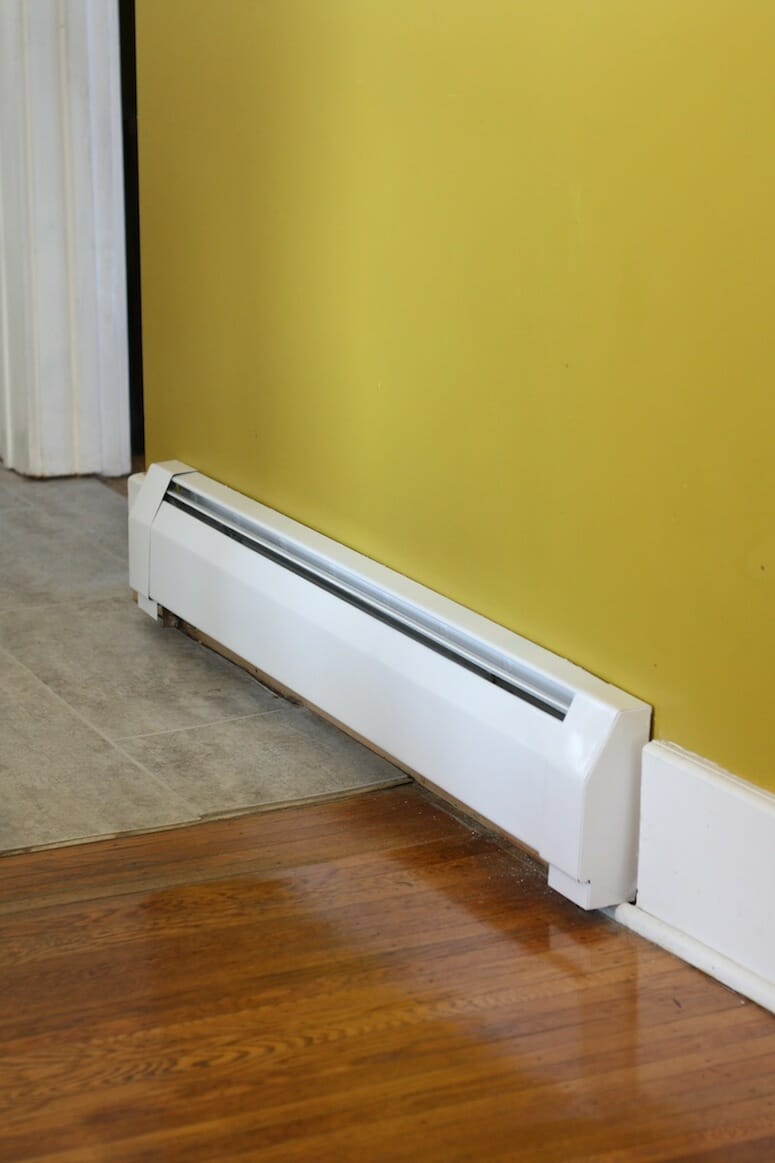
Baseboard heaters use warm air to heat a room. They sit low on the wall, near the floor. The heater warms the air around it. Warm air rises, pushing cooler air down to be heated. This cycle spreads heat evenly. They run quietly and without blowing air around.
Types Of Baseboard Heaters
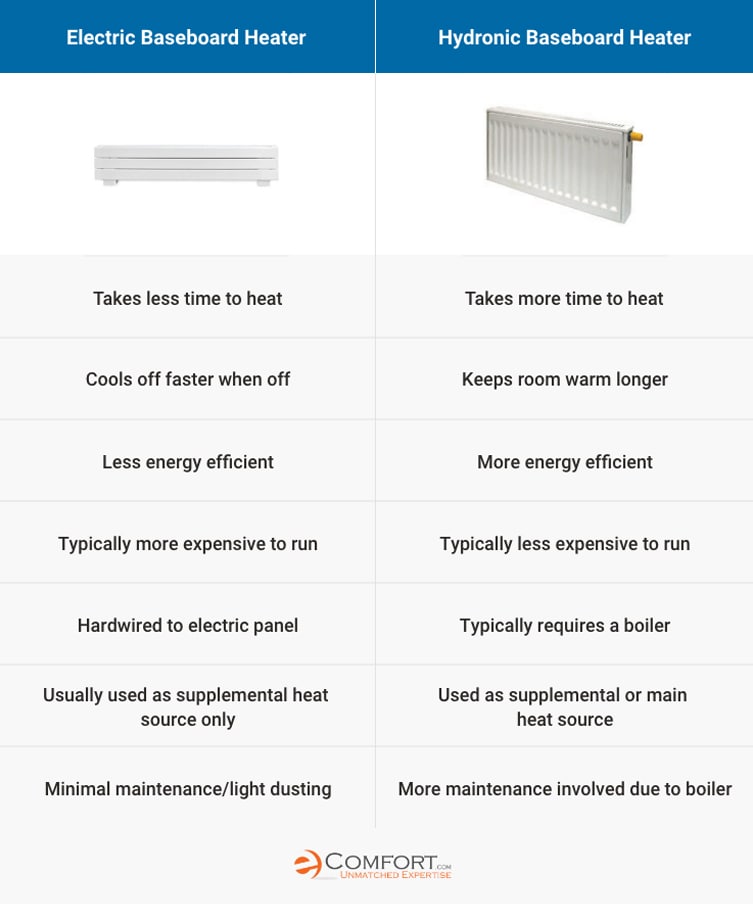
There are two main types of baseboard heaters: electric and hydronic. Electric heaters use electric coils to create heat. Hydronic heaters use hot water from a boiler. Hydronic models keep heat longer and feel softer. Electric ones are easier to install and control.
Installation And Placement
Baseboard heaters install along walls, usually under windows. This placement stops cold air from entering rooms. They need space around to work well. Avoid placing furniture or curtains close to heaters. Installation requires proper electrical or plumbing work, depending on type.
Credit: www.spec-school.org
Radiator Heating Essentials
Radiators have been a popular heating choice for many years. They provide steady warmth by using hot water or steam. Radiators work quietly and can heat rooms evenly. Understanding how radiators work and their types helps in choosing the right one.
Installing radiators properly ensures efficient heating and safety. Let’s explore the basics of radiator operation, common types, and installation tips.
Radiator Operation Principles
Radiators heat rooms by transferring heat from hot water or steam. The hot fluid flows inside the radiator’s metal panels. Heat moves from the metal to the air in the room. This process warms the room without blowing air around. It creates a calm and consistent heat.
Common Radiator Types
There are several radiator types to consider. Panel radiators are flat and fit on walls easily. Column radiators have vertical tubes and a classic look. Baseboard radiators run along the floor and use convection heat. Each type suits different room styles and heating needs.
Installation And Setup
Radiators need proper placement for best results. They usually go under windows to block cold air. Pipes connect the radiator to the heating system. Proper sealing prevents leaks and heat loss. A professional should install radiators to ensure safety and efficiency.
Energy Efficiency Comparison
Energy efficiency is important when choosing between baseboard heaters and radiators. It affects your power bills and comfort. Understanding how each system uses energy helps you pick the right option for your home.
Heat Distribution
Baseboard heaters warm the air near the floor. The heat rises slowly, warming the room evenly. Radiators heat the air around them quickly. This can cause hot spots near the radiator and cooler areas farther away. Baseboard heaters often provide a gentler, more even heat.
Power Consumption
Baseboard heaters use electricity directly. They turn on and off to keep the room warm. Radiators usually work with hot water or steam. This system needs a boiler that uses gas or electricity. Baseboard heaters can be more efficient in small spaces. Radiators may use more energy but keep heat longer.
Cost-effectiveness
Baseboard heaters cost less to install. They need no pipes or boilers. Radiators require a boiler and piping, which adds to the cost. Running costs depend on fuel prices and home insulation. For well-insulated homes, baseboard heaters save money. Radiators suit larger homes with central heating systems.
:max_bytes(150000):strip_icc()/hot-water-vs-steam-radiators-1821916_V3-718158766dc344c0a8a5976fa7002b65.png)
Credit: www.thespruce.com
Comfort And Performance
Comfort and performance are key when choosing between a baseboard heater and a radiator. Both have strengths that affect how warm and cozy your space feels. Understanding their heat output, noise levels, and temperature control helps you pick the best option for your home.
Heat Output And Warmth
Baseboard heaters spread heat evenly along the wall. They use convection to warm the air, creating a steady, gentle heat. Radiators heat the air and objects near them quickly. This can give a stronger, faster warmth but sometimes feels less even. Both provide good heat, but their warmth feels different in the room.
Noise Levels
Baseboard heaters run almost silently, making them ideal for quiet spaces. Radiators may produce slight sounds as water moves or metal expands. These noises are usually soft but can be noticeable in very quiet rooms. If silence matters, baseboard heaters often have the edge.
Temperature Control
Baseboard heaters often come with easy-to-use thermostats. They allow precise temperature control in each room. Radiators depend on central heating controls, which can be less exact. This can mean less control over room temperature. Baseboard heaters give more individual control for better comfort.
Maintenance And Durability
Maintenance and durability are key factors when choosing between baseboard heaters and radiators. Both types need care to work well and last long. Understanding their upkeep needs helps avoid costly repairs and keeps your home warm.
Cleaning And Upkeep
Baseboard heaters collect dust inside their covers. Dust can block heat flow and reduce efficiency. Use a vacuum or soft brush to clean them every few months. Radiators also gather dust between fins. Wiping them with a damp cloth keeps them clean. Avoid harsh chemicals that may damage the paint or metal.
Common Issues
Baseboard heaters may develop loose wires or faulty thermostats. These problems cause uneven heating or no heat. Radiators can leak or develop air pockets. Leaks need prompt repair to stop water damage. Bleeding radiators removes trapped air and improves heat flow. Both systems require occasional checks for signs of wear.
Lifespan Expectancy
Baseboard heaters typically last 15 to 20 years. Proper care can extend this lifespan. Radiators often last longer, sometimes over 30 years. Their sturdy metal construction helps them endure. Regular maintenance boosts durability for both types. Replace parts as needed to keep them working well.
Credit: modernize.com
Safety And Health Factors
Choosing between a baseboard heater and a radiator involves more than just heating efficiency. Safety and health factors play a key role in making the best choice for your home. Both heating options have unique risks and benefits that affect your living environment. Understanding these aspects helps keep your family safe and comfortable.
Fire Risks
Baseboard heaters use electric or hot water systems to warm a room. Electric baseboards can overheat if objects block the heater. Flammable items like curtains or papers near the heater increase fire risk. Radiators, especially older models, can leak hot water or steam. This leak can cause burns or create slippery floors that lead to accidents. Regular maintenance reduces fire hazards for both heaters.
Air Quality Impact
Baseboard heaters do not blow air, so they cause less dust movement. This feature makes them better for people with allergies or asthma. Radiators warm the air by convection, which can circulate dust and allergens. Dust buildup on radiators can lower indoor air quality. Cleaning radiators often helps reduce this problem. Neither system dries out the air as much as forced-air heaters do.
Child And Pet Safety
Baseboard heaters have exposed heating elements that get very hot. Curious children or pets can touch these and get burned. Radiators have large, hot surfaces but usually stay cooler than baseboard heaters. Placing guards around baseboards or radiators adds a safety barrier. Both heating types need supervision in homes with young children or pets. Safe distance and proper use prevent many accidents.
Cost Analysis
Understanding the cost differences between baseboard heaters and radiators helps choose the right heating system. This section breaks down expenses into three parts. Each part shows how these systems affect your budget over time.
Initial Purchase And Installation
Baseboard heaters usually cost less upfront than radiators. They are smaller and simpler to install. Radiators require more parts and often need professional help. Installation of radiators can be more complex. Pipes and valves add to the cost. Baseboard heaters can fit into tight spaces easily. This lowers installation difficulty and cost.
Operating Costs
Baseboard heaters often use electricity, which can be expensive. Radiators typically use hot water or steam from a boiler. Boilers can run on gas, oil, or electricity. Radiators may cost less to operate if fuel prices are low. Baseboard heaters heat rooms quickly but use more power. Radiators provide steady heat and can be more efficient in large spaces.
Long-term Savings
Radiators often last longer with proper care. They may need fewer repairs over time. Baseboard heaters may need replacement sooner. Energy efficiency affects long-term savings. Radiators with modern boilers save energy. Baseboard heaters might cost more in electricity bills. Choosing the right system can reduce costs over many years.
Choosing The Right Heater
Choosing the right heater can affect comfort and energy costs. Different heaters work best in different settings. Consider the size of your room, the climate you live in, and how the heater looks. These factors help find the best fit for your home.
Room Size Considerations
Small rooms need less heat power. Baseboard heaters work well in tight spaces. They spread heat evenly along the wall. Large rooms might need radiators. Radiators can heat bigger areas faster. Always match the heater size to your room size. This keeps energy use low and warmth steady.
Climate Impact
Colder climates need heaters that work hard and fast. Radiators heat up the air quickly and hold warmth well. Baseboard heaters are better for milder climates. They provide gentle, steady heat. Think about how cold your winters get. Choose a heater that handles your climate comfortably.
Aesthetic Preferences
Heaters are part of your room’s look. Baseboard heaters are slim and blend with walls. Radiators can be bulky but add charm in classic homes. Some radiators have decorative designs. Pick a heater that fits your style. Make sure it matches your room’s decor and space.
Frequently Asked Questions
What Is The Main Difference Between Baseboard Heaters And Radiators?
Baseboard heaters use electric resistance or hot water to warm air near the floor. Radiators heat a room by warming the air around metal panels or pipes. Both spread heat differently and suit different spaces.
Which Heating System Saves More Energy, Baseboard Or Radiator?
Radiators often save more energy because they use hot water or steam efficiently. Baseboard heaters can use more electricity but offer quick, direct heat. Energy use depends on the home and heater type.
Are Baseboard Heaters Safer Than Radiators For Homes With Kids?
Baseboard heaters are usually safer because they have low surface temperatures and no sharp edges. Radiators can get very hot and may cause burns if touched. Safety depends on placement and design.
How Does Installation Cost Compare Between Baseboard Heaters And Radiators?
Baseboard heaters are easier and cheaper to install, especially in existing homes. Radiators require more plumbing work, making installation cost higher. Costs vary by house size and system complexity.
Can Baseboard Heaters And Radiators Work With The Same Thermostat?
Both systems can work with thermostats, but compatibility depends on the heater type. Electric baseboard heaters often use simple thermostats. Radiators connected to boilers require thermostats designed for hydronic systems.
Which Heating System Provides More Even Room Temperature?
Radiators usually provide more even heat because they warm air gradually and circulate it well. Baseboard heaters warm air near the floor, which can cause uneven heat distribution. Room size and insulation also affect warmth.
Conclusion
Choosing between a baseboard heater and a radiator depends on your needs. Baseboard heaters offer quiet, even heat and save space. Radiators warm the room quickly and work well with older systems. Both have pros and cons for cost, maintenance, and style.
Think about your budget, home size, and comfort preferences. Simple choices lead to warm, cozy rooms all winter long.