
Choosing the right heating system for your home is more important than you might think. It affects your comfort, energy bills, and even the air you breathe.
When it comes down to Baseboard Heaters vs Forced Air, which one fits your needs better? You might be wondering which option will keep your home warm without breaking the bank or causing dry, uncomfortable air. You’ll discover the key differences, pros, and cons of each system.
By the end, you’ll have a clear idea of which heating method suits your lifestyle and home best. Keep reading to make a smart, confident choice for your comfort and savings.
Credit: www.warmlyyours.com
Baseboard Heaters Basics
Baseboard heaters offer a simple way to warm your home. They sit along the base of your walls and spread heat evenly. These heaters work quietly and do not take much space. Understanding how they operate and the types available helps you decide if they fit your needs. Installation is straightforward but knowing the steps can save time and money.
How Baseboard Heaters Work
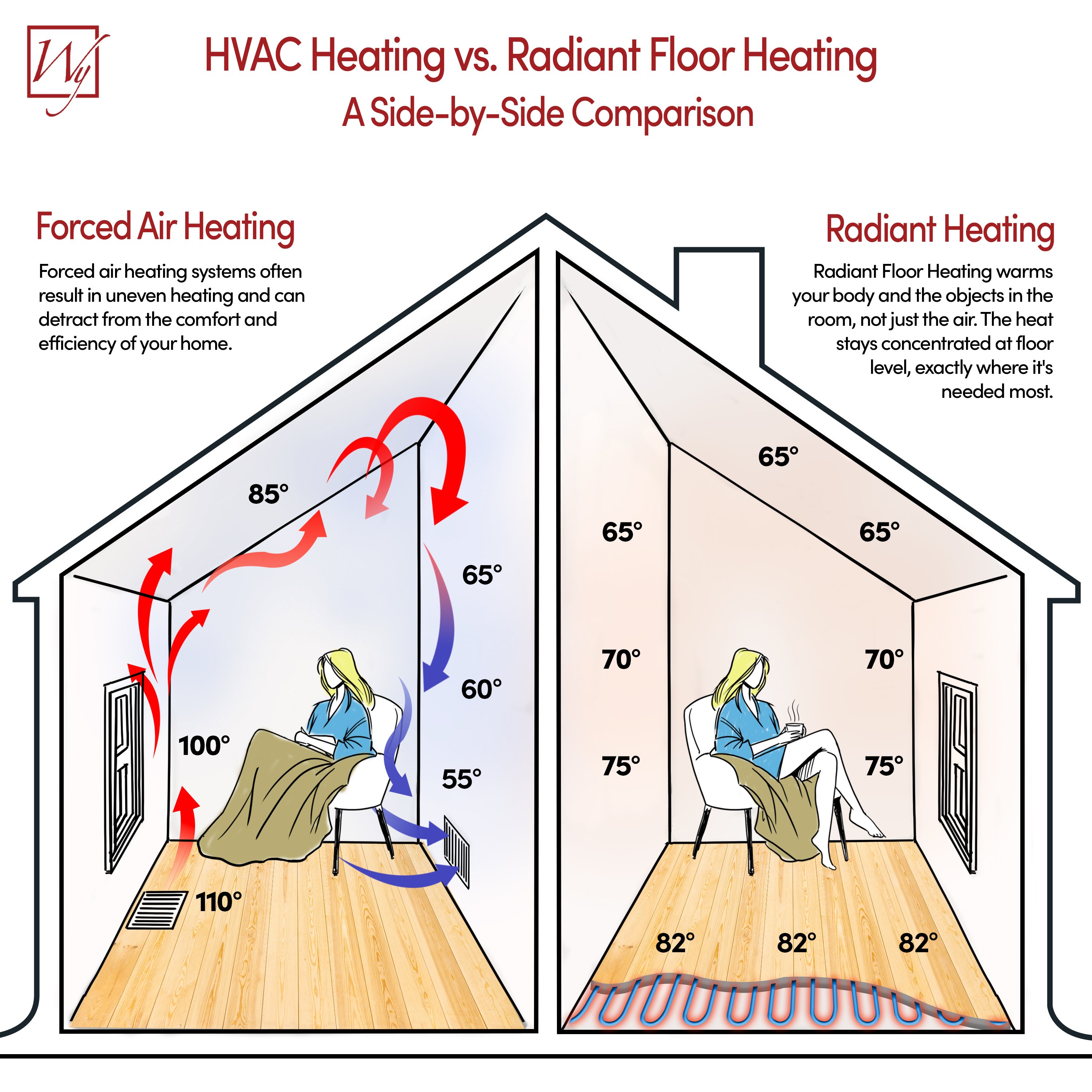
Baseboard heaters use electricity to create heat. Inside, a metal element heats up when powered. The warmth rises naturally, warming the air near the floor. This warm air moves upward, spreading heat throughout the room. No fans or ducts are needed. The heat flow is gentle and steady, creating a comfortable space.
Types Of Baseboard Heaters
There are two main types: electric and hydronic. Electric baseboard heaters use electric coils to produce heat. They are easy to install and control. Hydronic baseboard heaters use hot water from a boiler. The water heats metal fins, which warm the room. Hydronic units provide steady heat and work quietly. Choosing depends on your home’s heating system and needs.
Installation Process
Installing baseboard heaters usually takes a few hours. First, find a spot along the base of an outside wall. Mount the heater securely to the wall. Electric heaters need connection to the home’s electrical system. Hydronic heaters connect to the boiler and piping. After installation, test the heater to ensure it works well. Proper installation guarantees safe and efficient heating.

Credit: www.advantageairhvac.com
Forced Air Systems Basics
Forced air heating is a popular choice for many homes. It uses air to spread warmth quickly and evenly. This system works well in larger spaces. It also allows easy control of temperature in different rooms. Understanding the basics helps you decide if it suits your home.
How Forced Air Heating Works
The system heats air in a furnace using gas, electricity, or oil. A blower pushes the warm air through ducts. The air travels to vents in each room. Cooler air returns to the furnace to warm again. This cycle keeps your home comfortable and warm.
Components Of Forced Air Systems
Key parts include the furnace, blower, ducts, and vents. The furnace heats the air. The blower moves air through the ducts. Ducts carry air to different rooms. Vents release warm air into living spaces. A thermostat controls the system’s temperature.
Installation Process
Installing a forced air system requires planning. Ductwork must fit inside walls or ceilings. The furnace needs a safe, ventilated space. Professionals connect the thermostat and electrical components. Proper sealing of ducts prevents heat loss. Installation can take several days depending on home size.
Energy Efficiency Comparison
Choosing the right heating system means understanding energy use. This helps you save money and reduce waste. Baseboard heaters and forced air systems use energy differently. Knowing these differences helps pick what fits your home best.
Energy Consumption Of Baseboard Heaters
Baseboard heaters use electric resistance to produce heat. They turn all the electricity into heat without loss. This means they are almost 100% efficient at point of use. Yet, they can use a lot of electricity if on for long hours. They work best in small spaces or rooms that need heat only occasionally.
Energy Consumption Of Forced Air Systems
Forced air systems heat air through a furnace, usually with gas or electricity. They move warm air through ducts to heat rooms quickly. These systems can be less efficient due to heat loss in ducts. Modern models with good insulation and thermostats improve efficiency. They suit larger homes with many rooms to heat evenly.
Cost Implications
Baseboard heaters cost less to install but may increase electricity bills. Forced air systems have higher installation costs but often lower fuel costs. Gas furnaces tend to be cheaper to run than electric baseboards. Maintenance and repair costs vary and affect overall expenses. Consider fuel prices in your area before deciding.
Comfort And Heat Distribution
Comfort and heat distribution are key factors in choosing a heating system. The way heat spreads in your home affects how warm and cozy you feel. Both baseboard heaters and forced air systems deliver heat differently. Understanding these differences helps you pick the right option for your needs.
Heat Output And Consistency
Baseboard heaters provide steady, gentle heat. They warm the room slowly but keep it consistent. Forced air systems heat rooms quickly by blowing warm air through vents. The heat feels stronger at first but can vary in different areas. Baseboard systems avoid cold spots and maintain even warmth.
Air Quality And Circulation
Forced air systems move air around the house. This can spread dust and allergens if filters are not clean. Baseboard heaters do not circulate air, so they do not affect air quality as much. This makes baseboard heaters better for people with allergies or asthma. Forced air can refresh the air but needs regular filter changes.
Noise Levels
Baseboard heaters operate silently. They have no fans or moving parts. Forced air systems create noise from fans and air movement. The sound can be noticeable, especially in quiet rooms. If low noise is important, baseboard heaters offer a peaceful heating option.
Installation And Maintenance
Choosing between baseboard heaters and forced air systems involves considering installation and maintenance. These factors impact your budget and daily comfort. Understanding the costs, effort, and lifespan of each system helps make a smart choice.
Installation Costs And Complexity
Baseboard heaters have lower installation costs. They need simple wiring and mounting along walls. No ducts or vents are required. Installation is quick and less disruptive to your home.
Forced air systems cost more to install. They require ducts, vents, and a central furnace or heat pump. Installing ducts can take time and may need changes to walls or ceilings. This process can be noisy and messy.
Maintenance Requirements
Baseboard heaters need little maintenance. Dusting the units regularly keeps them working well. No filters or fans to clean or replace.
Forced air systems require regular upkeep. Filters must be changed every few months. Ducts need cleaning to avoid dust buildup. The furnace or heat pump needs annual servicing. Maintenance helps keep air quality good and system efficient.
Longevity And Durability
Baseboard heaters often last 20 to 30 years with minimal problems. They have fewer moving parts that can break down.
Forced air systems usually last 15 to 20 years. Parts like fans and motors may wear out sooner. Proper maintenance can extend their life.
Credit: www.advantageairhvac.com
Safety Considerations
Safety matters a lot when choosing a heating system for your home. Both baseboard heaters and forced air systems have risks. Knowing these risks helps you keep your family safe. This section explains key safety points for each system. It also covers how to protect children and pets.
Risks With Baseboard Heaters
Baseboard heaters get very hot. Touching them can cause burns. Furniture or curtains near the heater may catch fire. Dust and debris can build up inside, creating fire hazards. Baseboard heaters can also cause dry air, which irritates skin and lungs. Regular cleaning and safe placement reduce these dangers.
Risks With Forced Air Systems
Forced air systems blow heated air through ducts. Dust, pollen, and allergens may spread inside the home. Dirty filters can lower air quality and cause health problems. These systems also have moving parts that may fail or cause noise. Poor maintenance can lead to carbon monoxide leaks if the furnace is gas-powered.
Child And Pet Safety
Children and pets are curious and may touch heaters or vents. Baseboard heaters can burn little fingers and paws. Forced air vents may blow hot air that scares or hurts pets. Secure cords and keep heaters out of reach. Use barriers or guards to protect your loved ones from burns or injuries.
Cost Analysis
Cost plays a big role in choosing the right heating system for your home. Understanding the expenses involved helps you make a smart decision. This section breaks down the costs of baseboard heaters and forced air systems. It covers initial costs, running expenses, and repair fees. This clear cost analysis guides your choice.
Initial Equipment Costs
Baseboard heaters usually cost less to buy. They have simple parts and easy installation. Forced air systems need more equipment. This includes ducts, vents, and a large furnace or heat pump. The installation takes more time and skill. So, forced air systems have higher upfront costs.
Operating Costs
Baseboard heaters use electricity directly. They can be costly if electricity rates are high. Forced air systems can use gas or electricity. Gas models often cost less to run than electric baseboards. Efficiency varies by system type and local energy prices. Running costs depend on your home size and insulation.
Repair And Replacement Expenses
Baseboard heaters have fewer parts and simple design. Repairs are usually cheap and easy. Forced air systems have many components. The furnace, blower, ducts, and thermostat can break down. Repair bills can be higher and more frequent. Replacement costs for forced air equipment are also greater.
Best Use Cases
Choosing the right heating system depends on your home’s needs and environment. Each system works best in certain situations. Understanding where baseboard heaters and forced air systems fit helps make a better choice.
Ideal Homes For Baseboard Heaters
Baseboard heaters suit small to medium homes. They work well in rooms with limited space. These heaters do not need ductwork. They provide steady, quiet heat. Homes with individual room control benefit most. Older houses without central heating often choose baseboard heaters.
Ideal Homes For Forced Air Systems
Forced air systems fit larger homes with existing ductwork. They heat many rooms quickly and evenly. Homes with air conditioning usually use forced air. These systems also help filter and circulate air. New builds and renovated homes often prefer forced air for its versatility.
Climate Considerations
Cold climates need efficient, strong heating. Forced air systems heat large spaces fast, ideal for colder areas. Mild climates may find baseboard heaters enough for comfort. Baseboard heaters avoid heat loss through ducts, good for moderate weather. Assess your local weather before choosing your system.
Environmental Impact
Choosing the right heating system affects your home’s environmental impact. Heating uses a lot of energy and creates pollution. Understanding how baseboard heaters and forced air systems affect the environment helps you make a better choice. The next sections explore carbon footprint, sustainability, and energy sources.
Carbon Footprint
Baseboard heaters often run on electricity. Their carbon footprint depends on how the electricity is made. If it comes from coal, pollution is high. Forced air systems usually use gas or electricity. Gas systems release carbon directly when burning fuel. Electric forced air heaters share the same footprint as baseboard heaters. The source of energy matters most in carbon emissions.
Sustainability Factors
Baseboard heaters have no moving parts, so they last longer and need less maintenance. Forced air systems need filters and ducts, which require upkeep and can waste energy. Baseboard heaters heat rooms directly, reducing wasted heat. Forced air systems can lose heat through ducts. Less energy waste means a smaller environmental impact. Long-lasting and efficient systems support sustainability.
Energy Source Influence
Electric baseboard heaters depend on the local power grid. If the grid uses renewable energy, they are cleaner. Forced air systems that use natural gas produce greenhouse gases. Heat pumps, a type of forced air system, can use renewable energy and are very efficient. Your home’s energy source affects the overall environmental impact. Choosing systems that match clean energy sources reduces pollution.
Making The Right Choice
Choosing between a baseboard heater and forced air heating can feel challenging. Both systems offer warmth but work in different ways. Understanding your home’s needs and your personal preferences helps make the right choice easier. This section guides you through key points to consider before deciding.
Assessing Your Home’s Needs
Start by checking your home’s size and insulation. Baseboard heaters work well in smaller spaces or rooms needing extra warmth. Forced air systems suit larger homes with ductwork already installed. Think about how quickly you want your home to warm up. Forced air heats rooms faster than baseboard heaters. Consider noise too; baseboard heaters run silently, while forced air may create sound.
Budget And Preferences
Baseboard heaters usually cost less to install but might raise electricity bills. Forced air systems have higher upfront costs but can be more efficient with gas or heat pumps. Decide if you prefer quiet heating or faster warming. Maintenance matters; forced air needs regular filter changes. Baseboard heaters require less upkeep. Choose based on your budget and comfort level.
Expert Tips And Recommendations
Experts suggest matching heating to your daily routine. For steady, quiet heat, baseboard is great. For quick heating and air circulation, forced air fits better. Check your local climate; colder areas may benefit from forced air. Ask a professional to inspect your home’s current setup. They can advise on the best, cost-effective option for your space.
Frequently Asked Questions
What Is The Main Difference Between Baseboard And Forced Air Heaters?
Baseboard heaters use electric or hot water to warm a room quietly. Forced air heaters blow warm air through ducts for faster heating.
Which Heating System Is More Energy-efficient For Homes?
Baseboard heaters are often more energy-efficient in small spaces. Forced air systems can waste energy through duct leaks.
How Quickly Do Baseboard And Forced Air Heaters Warm A Room?
Forced air heaters warm rooms faster by circulating hot air. Baseboard heaters take longer but provide steady, even heat.
Are Baseboard Heaters Safer Than Forced Air Heating Systems?
Baseboard heaters have no moving parts and pose less risk of spreading dust. Forced air systems can circulate allergens if not cleaned well.
Which Heating Option Is Better For Allergy Sufferers?
Baseboard heaters are better for allergies as they don’t blow air around. Forced air systems can spread dust and pollen indoors.
Can I Install Baseboard Heaters In Any Room Of My House?
Baseboard heaters can be installed in most rooms with access to power. Forced air systems require ductwork, limiting where they can be placed.
Conclusion
Choosing between baseboard heaters and forced air depends on your home’s needs. Baseboard heaters offer quiet, even heat in each room. Forced air systems heat quickly and can cool in summer. Think about your budget, space, and comfort preferences. Both have pros and cons to consider.
The best choice fits your lifestyle and home setup. Take time to weigh options and decide what works best for you.