
Are you worried about the safety of wall heaters in your home? You’re not alone.
Many people wonder if these convenient heating options could pose risks to their family and property. Understanding how wall heaters work and the safety measures you should take can give you peace of mind. Keep reading to discover the truth about wall heater safety and learn simple steps to protect your home and loved ones.
Your comfort shouldn’t come with hidden dangers—let’s find out what you need to know.

Credit: www.reddit.com
Types Of Wall Heaters
Wall heaters provide a convenient way to warm up small spaces. They come in different types, each with unique features and safety aspects. Understanding these types helps in choosing the right one for your home.
Electric Wall Heaters
Electric wall heaters use electricity to produce heat. They work by heating metal coils inside the unit. A fan blows warm air into the room. These heaters are easy to install and clean. They do not produce fumes or gases, making them safer indoors. Electric models often include safety features like automatic shutoff.
Gas Wall Heaters
Gas wall heaters burn natural gas or propane to generate heat. They warm the air quickly and cost less to run than electric heaters. These heaters need proper ventilation to avoid dangerous fumes. Regular maintenance is essential to keep them safe. Gas heaters can be very effective but require cautious use.
Infrared Wall Heaters
Infrared wall heaters use infrared light to heat objects directly. They warm people and furniture without heating the air first. This type is energy-efficient and provides gentle warmth. Infrared heaters are silent and do not dry out the air. They are safe but should not be placed near flammable materials.
Common Safety Concerns
Wall heaters are popular for keeping rooms warm. People often wonder about their safety. Some common safety concerns exist. Knowing these helps you use wall heaters safely.
Fire Hazards
Wall heaters get very hot. Flammable items near them can catch fire. Curtains, furniture, or papers close to the heater are risks. Always keep space clear around the heater. Never block the heater’s airflow. Regular cleaning prevents dust buildup, which can ignite.
Carbon Monoxide Risks
Gas-powered wall heaters may produce carbon monoxide. This gas is colorless and odorless but very dangerous. Poor ventilation can cause carbon monoxide to build up indoors. Installing carbon monoxide detectors near heaters is wise. Always check for gas leaks and proper ventilation.
Electrical Issues
Electric wall heaters must be installed correctly. Faulty wiring can cause short circuits or fires. Using the wrong power source risks overheating. Regular inspections by a qualified electrician reduce electrical hazards. Avoid using extension cords with wall heaters to keep things safe.
Installation Best Practices
Proper installation is key to keeping wall heaters safe and efficient. It helps avoid hazards and ensures the heater works well for years. Following best practices during installation protects your home and family.
Proper Placement
Place wall heaters away from flammable materials like curtains or furniture. Keep a clear space around the heater for air to flow. Install the heater at least 12 inches above the floor to prevent dust buildup. Avoid placing heaters near water sources to reduce electric shock risks.
Professional Installation
Hire a licensed professional to install your wall heater. Experts follow local codes and safety rules. They ensure the heater is mounted securely and wired correctly. Professional installation lowers the chance of fire and electrical problems. It also helps maintain your heater’s warranty.
Ventilation Requirements
Wall heaters need proper ventilation to work safely. Make sure the room has enough fresh air to prevent carbon monoxide buildup. Install vented heaters according to manufacturer instructions. Check vents regularly for blockages or damage. Good ventilation keeps air clean and heater performance high.
Maintenance Tips For Safety
Maintaining wall heaters is key to keeping them safe to use. Simple steps can prevent accidents and keep your home warm.
Regular care helps the heater work well and lasts longer. It also reduces risks like fire or gas leaks.
Regular Cleaning
Dust and dirt can build up inside wall heaters. This buildup can block airflow and cause overheating. Clean the heater surface and vents regularly. Use a soft brush or cloth to remove dust. Avoid water or wet cloths near electrical parts.
Checking For Gas Leaks
Gas leaks are dangerous and need quick action. Smell for gas odors near the heater. Listen for hissing sounds that may show leaks. Use a soap solution on connections to spot bubbles. Call a professional if you find any signs of leaks.
Inspecting Electrical Components
Look at wires and plugs for damage or wear. Loose or frayed wires can cause shocks or fires. Make sure the heater is off before inspection. Replace damaged parts with help from a technician. Check the thermostat and switches to ensure they work properly.
Safety Features To Look For
Wall heaters can keep rooms warm and cozy. Safety is very important when using them. Certain features help prevent accidents and protect your home. These features make wall heaters safer to use every day.
Automatic Shut-off
Automatic shut-off stops the heater if it tips over or falls. This feature prevents fires and damage. It also saves energy by turning off the heater when not needed. Many modern wall heaters include this safety feature.
Overheat Protection
Overheat protection stops the heater if it gets too hot. It prevents damage to the heater and reduces fire risk. The heater turns off or lowers power to cool down. This feature keeps your home safe and the heater working well.
Thermostat Controls
Thermostat controls keep the room at a safe, steady temperature. They stop the heater from overheating or running too long. You can set the temperature to match your comfort level. This feature helps save energy and improve safety.
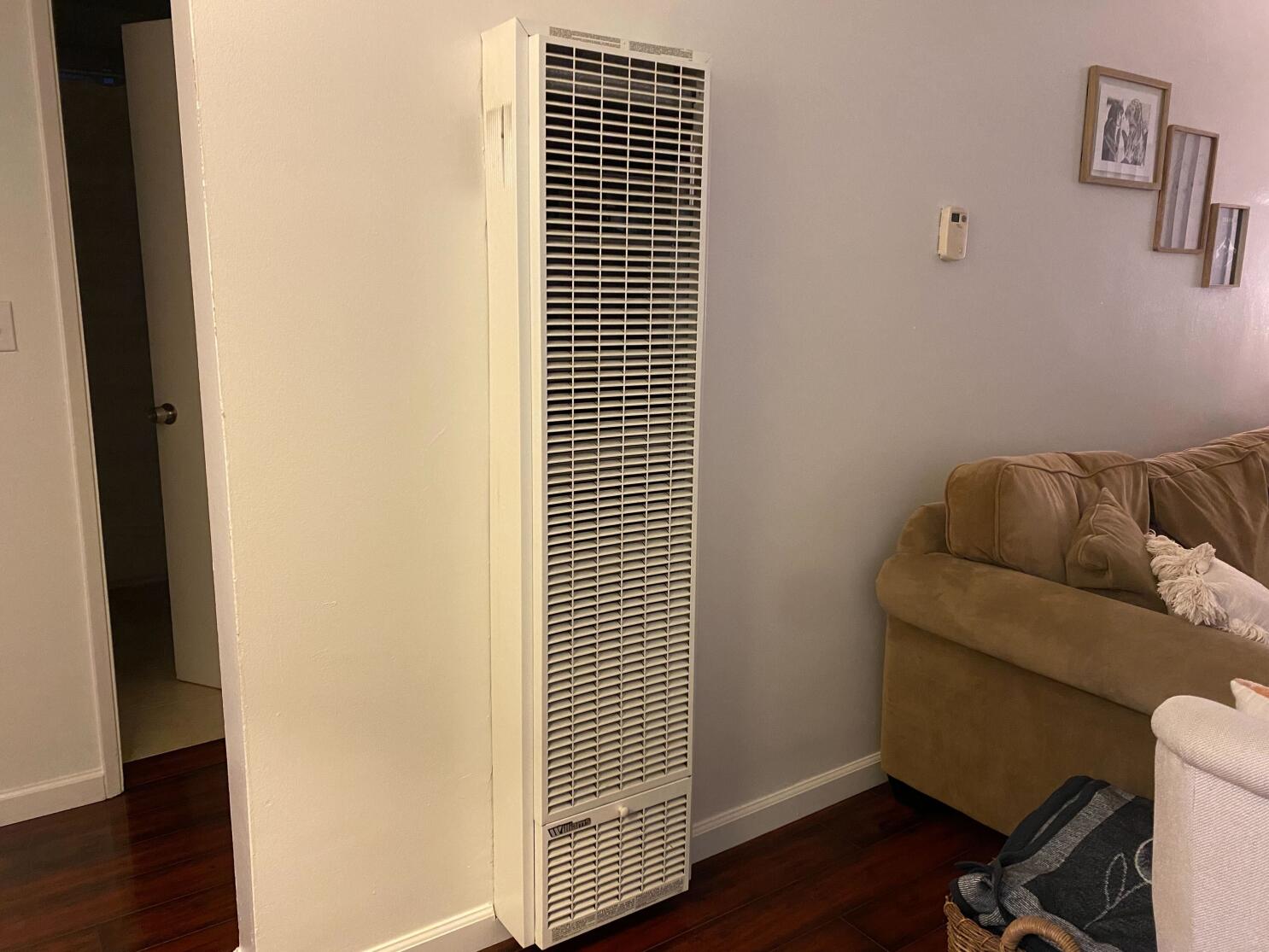
Credit: www.latimes.com
Signs Of Unsafe Wall Heaters
Wall heaters are common in many homes. They keep rooms warm during cold days. But not all wall heaters work safely. Some signs show a heater might be unsafe. Notice these signs to protect your home and family.
Unusual Odors
Strange smells near a wall heater can signal danger. Burning or chemical odors mean something is wrong. These smells might come from overheating parts or dust burning inside. Never ignore odd odors. They warn of possible fire risks.
Irregular Heating Patterns
A safe heater warms a room evenly. If some spots feel too hot or cold, the heater may have problems. Flickering heat or sudden shut-offs also show faults. Irregular heating can mean broken parts or wiring issues. Pay attention to how your heater performs.
Visible Damage
Check your wall heater for cracks, rust, or loose parts. Any visible damage can cause hazards. Damaged wiring or vents block airflow and increase fire risk. Look closely at the heater’s surface and controls. Fix or replace it if you see damage.
When To Replace Your Wall Heater
Knowing the right time to replace your wall heater is important for safety and comfort. Wall heaters can wear out over time and lose efficiency. Replacing an old or faulty heater can prevent accidents and reduce energy costs. Below are key signs to help decide when to replace your wall heater.
Age And Wear
Most wall heaters last about 10 to 15 years. Older heaters may not work well or safely. Parts inside can break or corrode. If your heater is older than 15 years, consider replacing it. New models offer better safety and energy savings.
Frequent Repairs
Repairs can add up quickly. If you fix your heater often, it might cost more than a new one. Frequent breakdowns also increase fire risk. Regular repair needs show your heater is wearing out. Think about replacement for peace of mind.
Upgrading To Safer Models
New wall heaters have improved safety features. They include automatic shut-off and better temperature controls. Upgrading reduces risks of overheating or fire. Modern heaters also use less energy, saving money. Choose a safer model to protect your home and family.

Credit: www.amazon.com
Frequently Asked Questions
Are Wall Heaters Safe For Indoor Use?
Wall heaters are generally safe when installed and maintained properly. They have safety features to prevent fires and overheating. Always follow the manufacturer’s instructions.
Can Wall Heaters Cause Fire Hazards?
Wall heaters can cause fire risks if blocked or placed near flammable items. Keep furniture and curtains away from the heater. Regular cleaning reduces dust buildup, lowering fire risks.
How Do Wall Heaters Prevent Overheating?
Many wall heaters have built-in thermostats and automatic shut-off systems. These features stop the heater from getting too hot. This helps protect your home and family.
Is It Safe To Leave Wall Heaters On All Night?
Leaving wall heaters on overnight is safe if they have safety features like timers or auto shut-off. Avoid covering or blocking the heater during use. Always follow safety guidelines.
Do Wall Heaters Emit Harmful Gases?
Electric wall heaters do not produce harmful gases or fumes. Gas-powered heaters must be vented properly to avoid carbon monoxide risks. Proper ventilation is key for safety.
Conclusion
Wall heaters can be safe when used the right way. Always follow the instructions carefully. Keep flammable items away from the heater. Regular cleaning helps avoid dust buildup and fires. Choose models with safety features like automatic shut-off. Never leave heaters unattended for long times.
Proper care keeps your home warm and safe. Safety depends on how you use and maintain the heater. Stay cautious, and enjoy comfortable heat all winter long.