
Are you thinking about using a kerosene heater to keep your home warm this winter? You might wonder, “Are kerosene heaters safe indoors?” It’s a smart question because safety should always come first when choosing a heating option.
You want to stay cozy without putting yourself or your family at risk. You’ll discover the facts about kerosene heaters, how to use them safely, and what precautions you need to take. By the end, you’ll feel confident about whether a kerosene heater is the right choice for your indoor space.
Keep reading to learn what you need to know to stay warm and safe.
Kerosene Heater Basics
Kerosene heaters are a popular choice for heating indoor spaces. They use a liquid fuel called kerosene to create warmth. Many people prefer them because they work well during power outages or in places without central heating.
Understanding the basics helps in using kerosene heaters safely and effectively. Knowing how they work and their common uses can prevent risks and improve comfort.
How Kerosene Heaters Work
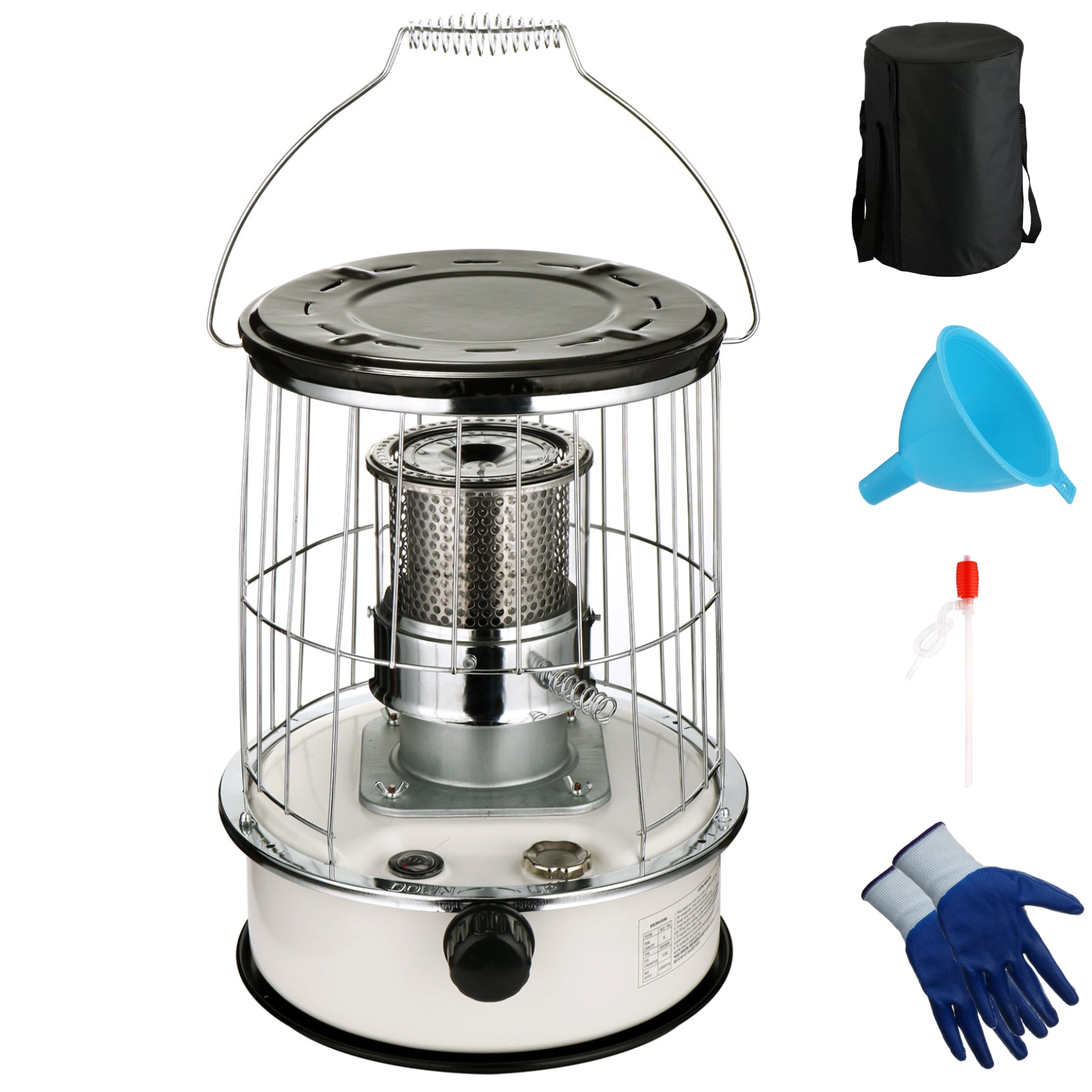
Kerosene heaters burn kerosene fuel to produce heat. The fuel is stored in a tank inside the heater. A wick absorbs the kerosene and lights up when ignited. The flame heats the air around the heater. This warm air then spreads throughout the room. Some heaters have fans to help spread heat faster. Proper ventilation is important because the burning process uses oxygen and creates fumes.
Common Uses Indoors
People use kerosene heaters indoors for extra warmth during cold months. They are helpful in garages, basements, and cabins. Kerosene heaters also work well during emergencies when electricity is out. Some use them in workshops or small rooms. They provide quick heat without installing complex systems. Always place the heater on a flat, stable surface away from flammable items.
Credit: www.autoservis-paroubek.cz
Risks Of Indoor Use
Using kerosene heaters indoors carries several risks. These risks can affect your health and safety. It is important to understand the dangers before using these heaters inside your home.
Fire Hazards
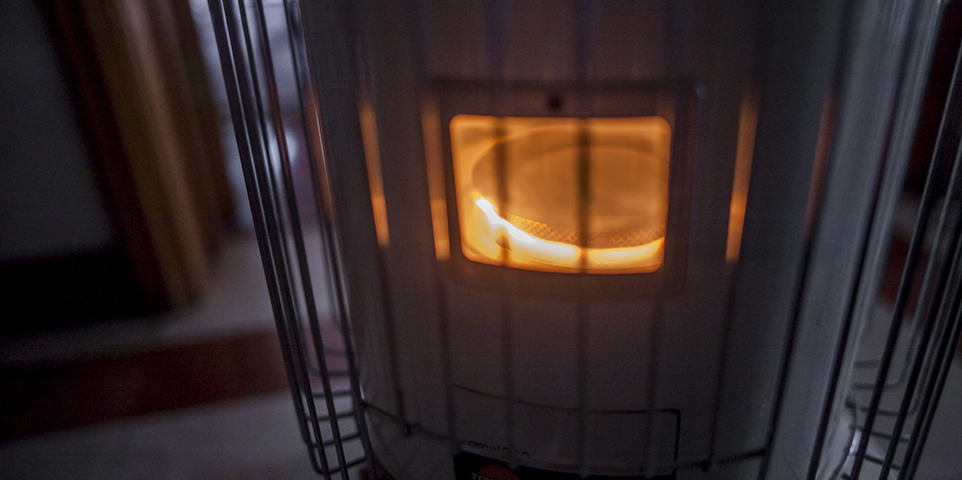
Kerosene heaters use open flames to produce heat. This can easily cause fires if the heater tips over. Flammable objects near the heater can catch fire. Sparks or fuel spills increase the fire risk. Always keep the heater on a stable surface and away from curtains or paper.
Carbon Monoxide Poisoning
Kerosene heaters release carbon monoxide gas. This gas is colorless and odorless but very dangerous. Poor ventilation causes carbon monoxide to build up indoors. High levels can cause headaches, dizziness, or even death. Use heaters only in well-ventilated rooms to reduce this risk.
Air Quality Concerns
Burning kerosene produces smoke and fumes. These fumes can irritate your eyes, nose, and throat. They can worsen asthma or lung problems. Dust and particles from the heater reduce indoor air quality. Proper ventilation and regular maintenance help keep the air cleaner.
Safety Precautions
Using kerosene heaters indoors requires careful safety measures. Without proper care, these heaters can pose risks like fire or carbon monoxide poisoning. Follow clear safety steps to keep your home safe and warm.
Proper Ventilation Techniques
Always keep a window or door slightly open. Fresh air helps reduce harmful gases. Avoid sealing the room where the heater runs. Use a carbon monoxide detector near the heater. It warns you if gases build up inside.
Correct Fuel Handling
Use only kerosene made for heaters. Do not mix with other fuels. Fill the heater outside or in a well-ventilated area. Avoid spills on the heater or floor. Store fuel away from heat sources and children.
Safe Placement Tips
Place the heater on a flat, stable surface. Keep it away from curtains, furniture, and flammable items. Maintain a clear space of at least three feet. Do not leave the heater running when sleeping or away.
Maintenance And Inspection
Maintaining and inspecting your kerosene heater is key to indoor safety. Regular checks help prevent accidents and keep the heater working well. A well-maintained heater uses fuel efficiently and reduces the risk of harmful fumes.
Simple steps like cleaning, checking for leaks, and replacing parts keep your heater safe. These tasks take little time but make a big difference in safety and performance.
Regular Cleaning
Clean your kerosene heater often to remove dust and soot. Dirt can block air vents and stop the heater from working well. Use a soft cloth to wipe outside parts. Clean the wick area carefully to avoid damage.
Checking For Leaks
Look for fuel leaks around the tank and connections. Leaks can cause fire hazards and bad smells indoors. Use your nose and eyes to spot fuel smells or wet spots. Fix any leaks immediately before using the heater.
Replacing Worn Parts
Check the wick and other parts for wear and tear. A worn wick burns fuel poorly and produces smoke. Replace old or damaged parts with new ones from the manufacturer. Regular replacement keeps the heater safe and efficient.
Emergency Preparedness
Using kerosene heaters indoors needs careful planning. Safety is key to avoid accidents. Preparing for emergencies helps protect your home and family. Know what tools and actions can keep you safe.
Smoke And Carbon Monoxide Detectors
Smoke and carbon monoxide detectors save lives. Install them near rooms with kerosene heaters. Test detectors once a month. Replace batteries every six months. These devices alert you early to dangers.
Fire Extinguisher Usage
Keep a fire extinguisher close to the heater. Choose one rated for flammable liquids. Learn how to use it properly. Aim at the base of the fire. Sweep side to side until fire stops.
First Aid Measures
Know basic first aid for burns and smoke inhalation. Cool burns with water immediately. Avoid using ice. Get fresh air if smoke is inhaled. Call for medical help if symptoms worsen.
Credit: www.iii.org
Alternative Heating Options
Choosing a safe heater for indoor use is important. Alternative heating options offer safer, cleaner warmth. These options reduce risks like carbon monoxide poisoning and fire hazards. Understanding different types helps you pick the best heater for your space.
Electric Heaters
Electric heaters run on electricity, so they do not produce fumes. They are easy to use and come in many styles. Most models have safety features like automatic shut-off. They work well in small rooms and dry areas. Electric heaters need a power source nearby.
Propane Heaters
Propane heaters use fuel tanks to create heat. Some models are made for indoor use with proper ventilation. They warm large spaces quickly and effectively. Users must follow safety rules to avoid gas leaks. Propane heaters often have safety sensors to prevent accidents.
Infrared Heaters
Infrared heaters warm objects and people directly, not the air. They are energy efficient and create quick heat. These heaters are quiet and safe for indoor use. Infrared models do not reduce oxygen or humidity. They work well in rooms where you spend most time.
Credit: www.mutualbenefitgroup.com
Frequently Asked Questions
Are Kerosene Heaters Safe For Indoor Use?
Kerosene heaters can be safe indoors if used correctly. Proper ventilation is essential to avoid harmful fumes. Always follow the manufacturer’s safety guidelines.
What Are The Risks Of Using Kerosene Heaters Indoors?
Indoor use can cause carbon monoxide buildup and poor air quality. This can lead to headaches, dizziness, or worse. Ventilation and regular maintenance reduce these risks.
How To Properly Ventilate A Room With A Kerosene Heater?
Open a window or door slightly to allow fresh air in. This prevents dangerous gas buildup. Never seal the room completely while the heater runs.
Can Kerosene Heaters Cause Carbon Monoxide Poisoning?
Yes, they can produce carbon monoxide if not ventilated well. This gas is colorless and odorless but very harmful. Always use a carbon monoxide detector near the heater.
How To Safely Refuel A Kerosene Heater Indoors?
Turn off the heater and let it cool before refueling. Use only the recommended kerosene fuel to avoid hazards. Refuel in a well-ventilated area to avoid fumes.
Conclusion
Kerosene heaters can be safe if used with care indoors. Always provide good ventilation to avoid harmful fumes. Keep heaters away from flammable objects to prevent fires. Use the right fuel and follow the manufacturer’s instructions. Regularly check for leaks or damage.
Never leave the heater unattended while it is on. Safety matters most when heating your home. Taking simple steps makes a big difference in using kerosene heaters safely inside. Stay warm, but stay safe.