
Are you worried about the safety of bilge heaters on your boat? You’re not alone.
When it comes to protecting your vessel from freezing water and damage, you want to be sure the tools you use won’t put you at risk. Understanding how bilge heaters work and whether they are safe can save you from costly repairs or dangerous situations.
Keep reading to discover the facts that will help you make the best choice for your boat’s safety—and your peace of mind.
How Bilge Heaters Work
Bilge heaters keep boat bilges warm and prevent freezing. They stop water in the bilge from turning into ice. This helps keep pumps and pipes working well. Understanding how bilge heaters work helps you see their safety and usefulness.
Basic Functionality
Bilge heaters use low power to create heat. They gently warm the bilge area. This heat stops water from freezing. The heater turns on and off automatically. It keeps the temperature steady. This protects the bilge without using much energy.
Types Of Bilge Heaters
There are two main types of bilge heaters. The first type is the electric heating pad. It sticks to the bilge surface and spreads heat evenly. The second type is the heating cable. This cable wraps around pipes or sits in the bilge. Both types are safe if installed correctly.
Common Safety Concerns
Bilge heaters help prevent water from freezing in boats. They keep the bilge area warm and dry. Despite their benefits, some safety concerns exist. Understanding these concerns helps ensure safe use and maintenance.
Fire Risks
Bilge heaters use electrical power to generate heat. Faulty wiring or damaged parts can cause sparks. Sparks near flammable materials increase fire risk. Regular inspection reduces fire hazards. Never leave the heater unattended for long periods.
Electrical Hazards
Water and electricity do not mix well. Improper installation may cause short circuits. Wet conditions increase electric shock risk. Use waterproof connectors and proper insulation. Follow manufacturer instructions strictly to avoid accidents.
Overheating Issues
Bilge heaters can overheat if blocked or faulty. Overheating may damage the heater or surrounding areas. Some models include built-in thermostats to control temperature. Check the heater regularly for signs of overheating. Replace heaters showing wear or damage immediately.
Safety Features To Look For
Bilge heaters keep your boat’s bilge area warm and dry. Safety is key when choosing one. Certain features help prevent accidents and damage. These features protect both your boat and you. Pay close attention to these safety elements.
Automatic Shutoff
Automatic shutoff stops the heater if it gets too hot. This feature prevents fires and overheating. It turns the heater off without your help. It keeps the bilge and boat safe. A heater without this can be risky.
Temperature Controls
Temperature controls let you set the heat level. They stop the heater from running too hot. You can keep the bilge warm but safe. Good controls help save power too. Simple dials or digital settings work well.
Waterproof Design
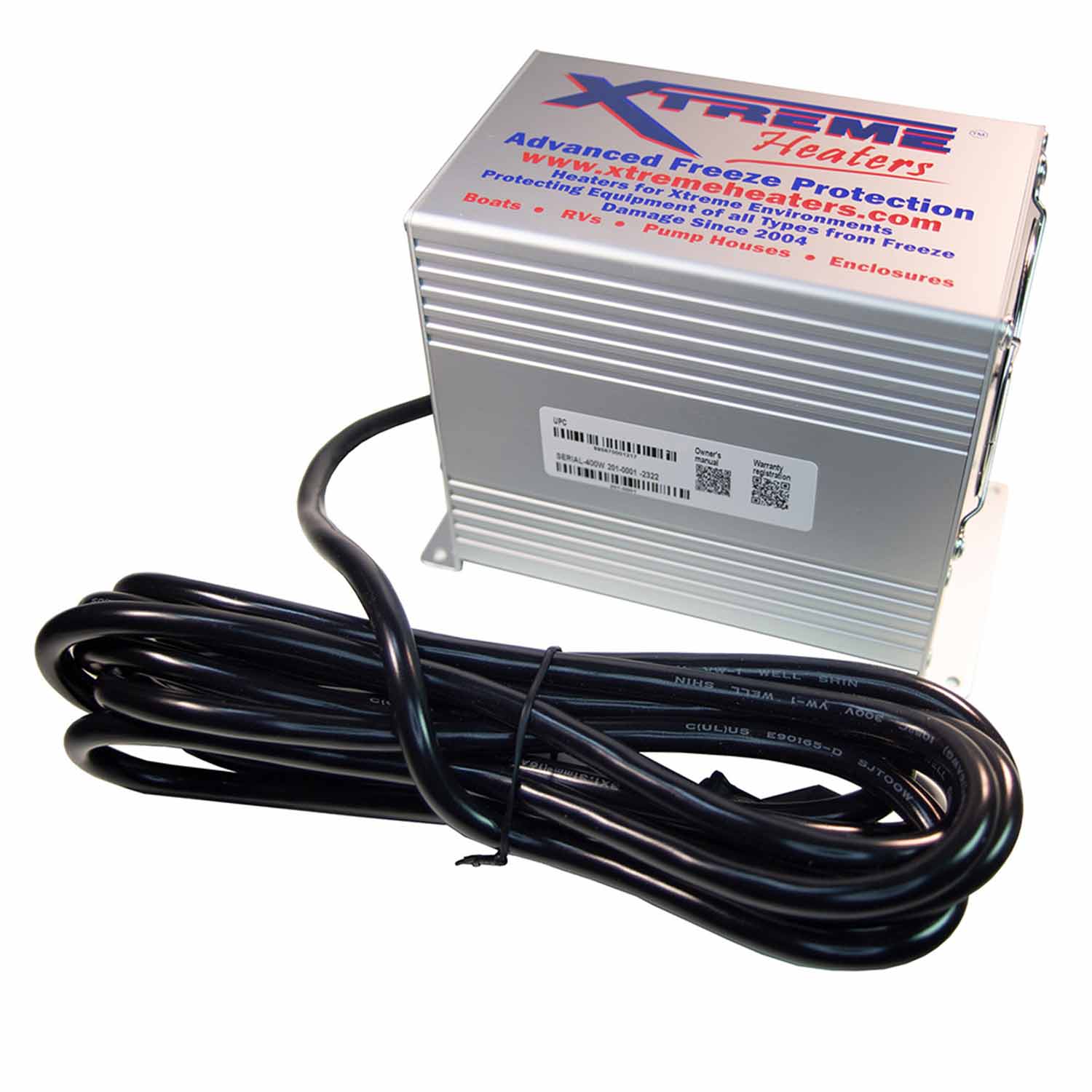
Bilge areas are wet and damp. A waterproof design keeps the heater safe from water damage. It stops electric parts from short-circuiting. Look for heaters made with water-resistant materials. This feature ensures long-lasting and safe use.
Credit: navigatepa.com
Proper Installation Tips
Proper installation is key to keeping bilge heaters safe and effective. It prevents hazards and helps the heater work well. Follow simple rules for placing, wiring, and maintaining your heater.
Placement Guidelines
Place the bilge heater where water collects most. Avoid spots near fuel tanks or electrical panels. Make sure the heater stays dry above the waterline. Secure it firmly to stop movement during waves or boat trips.
Wiring Best Practices
Use marine-grade wiring to resist water and corrosion. Connect the heater to a dedicated circuit with a fuse or breaker. Keep wires neat and clear of sharp edges. Check all connections are tight and insulated to avoid shorts.
Maintenance Checks
Inspect the heater regularly for damage or rust. Test it often to confirm it turns on and off correctly. Clear any debris around the heater to avoid blockages. Replace worn parts right away to maintain safety.
Signs Of Malfunction
Bilge heaters help keep your boat safe by preventing water from freezing. But, like any electrical device, they can have problems. Recognizing the signs of malfunction early can prevent bigger issues. Watch for changes in how the heater works or looks.
Unusual Smells Or Noises
Strange smells like burning or melting plastic are warning signs. These smells mean the heater might be overheating or short-circuiting. Listen for odd noises such as buzzing, clicking, or humming. These sounds could indicate electrical problems or motor issues.
Inconsistent Heating
The heater should keep the bilge area warm evenly. If some spots stay cold or the heater turns off by itself, it is a sign of trouble. Inconsistent heating may point to a faulty thermostat or damaged heating element.
Visible Damage
Check the heater regularly for cracks, corrosion, or broken parts. Damaged wires or loose connections are dangerous and can cause failure. Physical damage weakens the heater and could lead to electrical hazards.

Credit: www.amazon.com
Boater Experiences And Reviews
Boaters often share their thoughts on bilge heaters to help others decide if these devices are safe. Their experiences give real insight into how bilge heaters work on different boats. Below are some common opinions from boaters and experts.
Positive Feedback
Many boaters say bilge heaters prevent water from freezing in cold weather. They feel safer knowing their boat won’t get damaged by ice. Users mention that heaters run quietly and use little power. Some note the heater’s simple installation as a big plus. These positive points show why many trust bilge heaters on their boats.
Reported Issues
Some boaters report problems with bilge heaters. A few mention heaters that stopped working after a season. Others worry about electrical safety if the heater is not installed correctly. There are cases where heaters caused small electrical shorts. These issues highlight the need for proper setup and regular checks.
Expert Recommendations
Experts advise choosing bilge heaters with good safety features. They suggest buying models with automatic shutoff systems. Proper wiring and waterproof connections are a must. Experts also recommend testing the heater before cold weather hits. Following these tips helps ensure safe and reliable heater use.
Alternative Heating Options
Many boat owners seek safe ways to keep their bilge warm. Alternative heating options offer solutions that reduce risks. These methods help avoid potential hazards linked to traditional bilge heaters.
Choosing the right option depends on your boat type and budget. Let’s explore some effective alternatives for bilge heating.
Portable Heaters
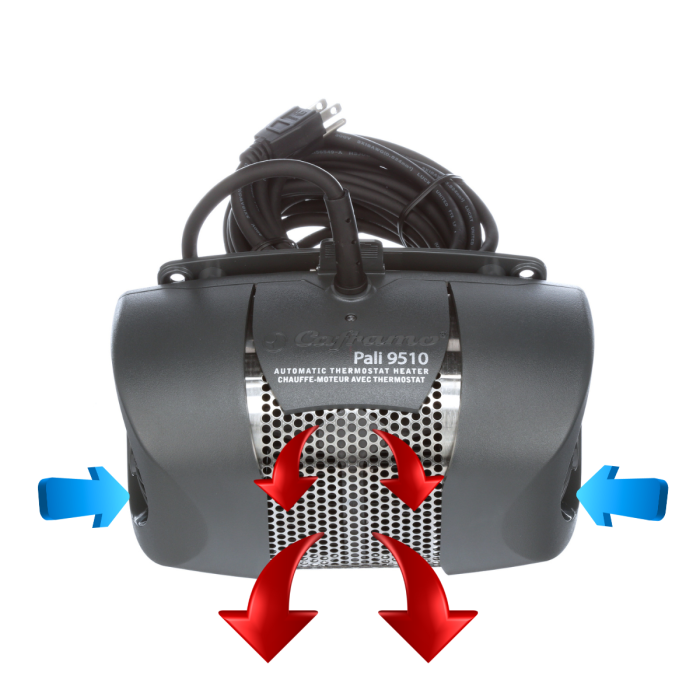
Portable heaters are easy to use and move around. They provide heat only when needed. This flexibility helps save energy and avoid overheating. Choose models designed for marine use to ensure safety. Always place heaters away from water and flammable materials.
Engine Heat Utilization
Using the engine’s heat is an efficient way to warm the bilge. Engine parts naturally produce heat during operation. You can route this heat to the bilge area with pipes or ducts. This method uses existing heat without extra power. Regular checks ensure the system works safely and well.
Insulation Techniques
Insulation keeps the bilge warm by reducing heat loss. Use foam or special marine insulation materials. Cover pipes, tanks, and bilge walls to trap heat. Insulation lowers the need for active heating. This method is cost-effective and easy to install.
Credit: www.caframobrands.com
Frequently Asked Questions
Are Bilge Heaters Safe To Use On Boats?
Bilge heaters are designed to prevent freezing in cold weather. When installed correctly, they are safe and effective for boats. Always follow the manufacturer’s safety instructions.
Can Bilge Heaters Cause Electrical Hazards?
Properly installed bilge heaters have built-in safety features to avoid electrical issues. Using the right wiring and circuit protection reduces risks significantly. Regular maintenance helps spot any potential problems early.
Do Bilge Heaters Reduce Fire Risk In The Bilge?
Bilge heaters lower the chance of ice build-up, which can cause damage and leaks. They are made to operate safely without overheating. Still, keep the bilge area clean and check the heater regularly.
How Do Bilge Heaters Prevent Freezing Effectively?
Bilge heaters maintain a small amount of warmth to stop water from freezing. They use low power, just enough to keep the bilge above freezing point. This simple function protects your boat’s pump and hull.
Can Bilge Heaters Operate Safely In Wet Conditions?
Bilge heaters are built to work in damp bilge spaces safely. Most models have waterproof or water-resistant designs to avoid short circuits. It’s important to choose a heater rated for marine use.
What Safety Checks Should I Perform On Bilge Heaters?
Regularly inspect the heater for damage, loose wires, and corrosion. Test the heater before cold seasons to ensure it works well. Replace any faulty parts immediately to keep your boat safe.
Conclusion
Bilge heaters can help keep your boat safe and dry. They prevent ice buildup and protect important parts. Using the right heater with proper care reduces risks. Always follow the instructions and check your heater often. Safe use ensures your boat stays in good shape.
Choose a quality heater made for marine use. Stay aware of your boat’s needs during cold weather. A well-maintained bilge heater supports smooth and safe sailing. Keep your boat ready for any season.