
Have you ever wondered why your heating bills skyrocket during winter? If you live in a big space, you might suspect that size is the culprit.
But is heating a larger area always more expensive? Understanding how space size affects your heating costs can help you make smarter choices for your home and wallet. Keep reading to discover the surprising truth about big spaces and heating expenses—and learn how you can save money without sacrificing comfort.
Heating Costs And Space Size
Heating costs depend a lot on the size of the space. Bigger spaces need more energy to stay warm. This means the size of your room or home can change your heating bills. Understanding how space affects heating can help control costs.
How Space Affects Heating Bills
Bigger rooms require more heat to reach the same temperature as smaller rooms. This means your heater works harder and uses more energy. More energy use leads to higher bills. Small spaces warm up quickly, using less power.
Heat Loss In Large Areas
Heat escapes faster in large spaces because of more surface area. Walls, windows, and ceilings let heat out. This makes heaters run longer to keep the space warm. Large areas lose heat through drafts and poor seals too.
Insulation’s Role In Cost
Good insulation slows down heat loss. It keeps warm air inside and cold air outside. With strong insulation, heating costs drop even in big spaces. Poor insulation means more heat escapes, raising bills.
Efficient Heating Systems
Heating large spaces can be costly, but efficient heating systems help reduce bills. These systems use less energy while keeping rooms warm. Choosing the right system can make a big difference in cost and comfort.
Choosing The Right Heater
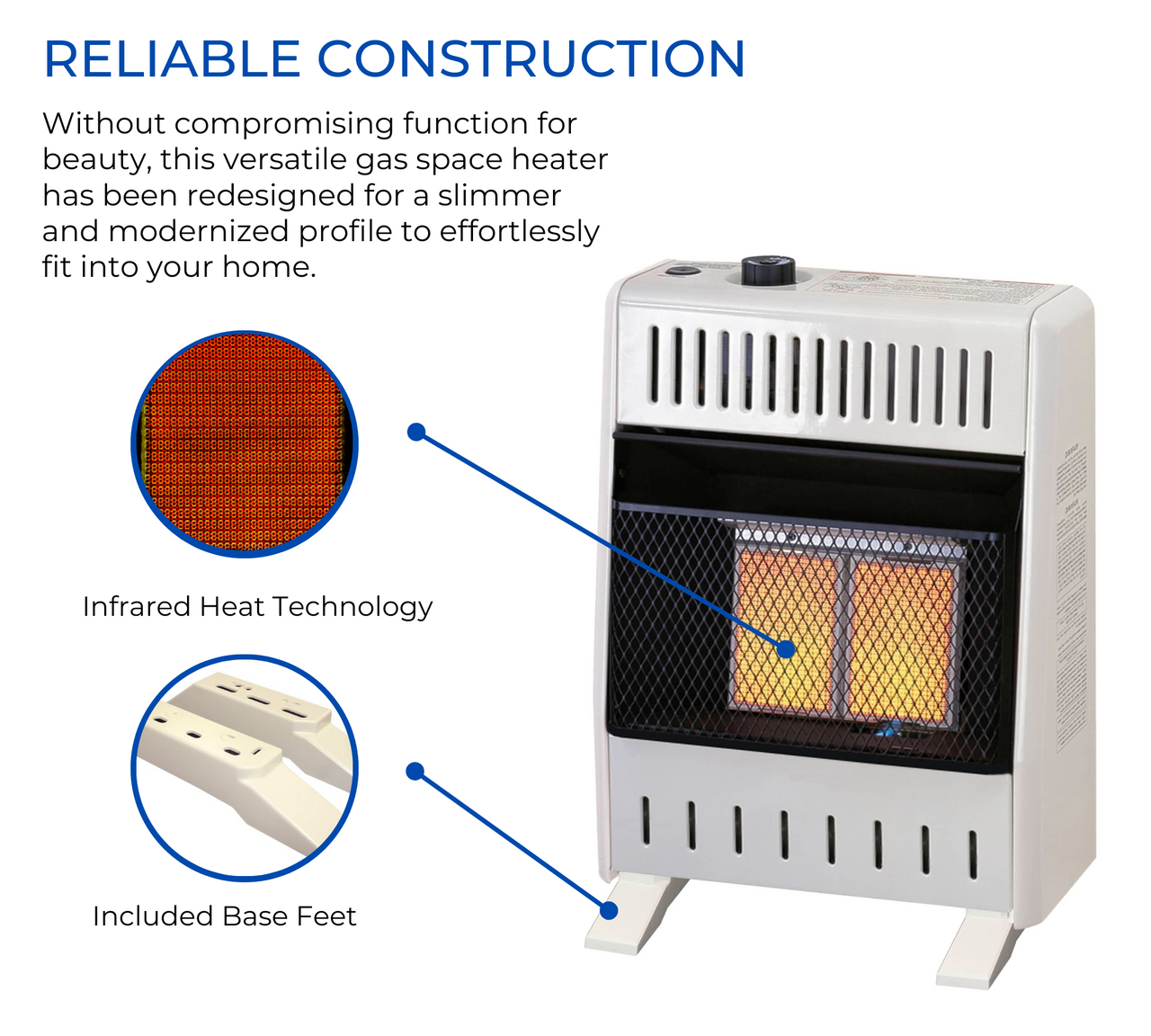
Select heaters designed for big spaces. Look for models with high energy efficiency ratings. Heaters that use less power save money over time. Consider fuel type, such as electric, gas, or oil, based on availability and cost. Proper size is crucial; too small means more energy use, too large wastes heat.
Zoning And Thermostat Control
Zoning divides a large space into smaller areas. Each zone has its own thermostat. This setup heats only the rooms you use. It stops wasting energy on empty areas. Programmable thermostats adjust temperatures automatically. Set them to lower heat when rooms are empty or at night.
Smart Heating Technologies
Smart heaters learn your habits and adjust heating. They can be controlled remotely with apps. This control helps save energy and money. Sensors detect room temperature and occupancy. They turn off heat in unused rooms. Smart systems also provide usage reports to track energy consumption.
Improving Home Insulation
Improving home insulation helps lower heating costs and keeps your home warm. Good insulation stops heat from escaping. It makes big spaces easier and cheaper to heat. Simple changes can make a big difference in comfort and energy bills.
Windows And Doors
Windows and doors are common places for heat to escape. Installing double-glazed windows reduces heat loss. Use weather stripping around doors to block cold air. Thick curtains add an extra layer of insulation. These steps keep warm air inside your home.
Wall And Roof Insulation
Walls and roofs are large surfaces where heat escapes. Adding insulation inside walls traps heat. Roof insulation stops warm air from rising and leaving the house. Insulation materials like fiberglass or foam work well. Properly insulated walls and roofs reduce heating needs.
Sealing Air Leaks
Air leaks waste heat and increase heating costs. Check for gaps around pipes, vents, and chimneys. Use caulk or spray foam to seal these leaks. Even small cracks can let cold air in. Sealing air leaks keeps your home warmer and lowers energy bills.

Credit: 8msolar.com
Energy-saving Habits
Heating large spaces can be costly, but smart habits help cut expenses. Energy-saving habits make a big difference in how much energy a home uses. Small changes can lower bills and keep rooms warm. Focus on easy actions that save energy daily.
Temperature Management
Set your thermostat to a steady, comfortable level. Avoid turning heat too high; it wastes energy fast. Lowering temperature by just a few degrees saves money. Use programmable thermostats to control heat automatically. Heat only rooms you use often. Close doors to keep warmth inside.
Using Curtains And Rugs
Close curtains at night to keep cold air out. Open them during the day to let sunlight warm rooms. Thick curtains work best to block drafts. Place rugs on bare floors to add warmth. Rugs stop heat from escaping through floors. These small steps add comfort and save energy.
Regular Maintenance Tips
Keep heating systems clean and in good shape. Change filters regularly for better airflow. Check for leaks around windows and doors. Seal cracks to prevent warm air from escaping. Have your heating system inspected yearly. Well-maintained equipment uses less energy and lasts longer.
Alternative Heating Solutions
Heating large spaces can be costly, but alternative heating solutions help reduce bills. These options use energy more efficiently and suit different needs. They can also lower environmental impact while keeping rooms warm.
Heat Pumps
Heat pumps move heat from outside to inside your home. They use less electricity than traditional heaters. Heat pumps work well in moderate climates. They provide both heating and cooling. Installing a heat pump can save money over time.
Solar Heating Options
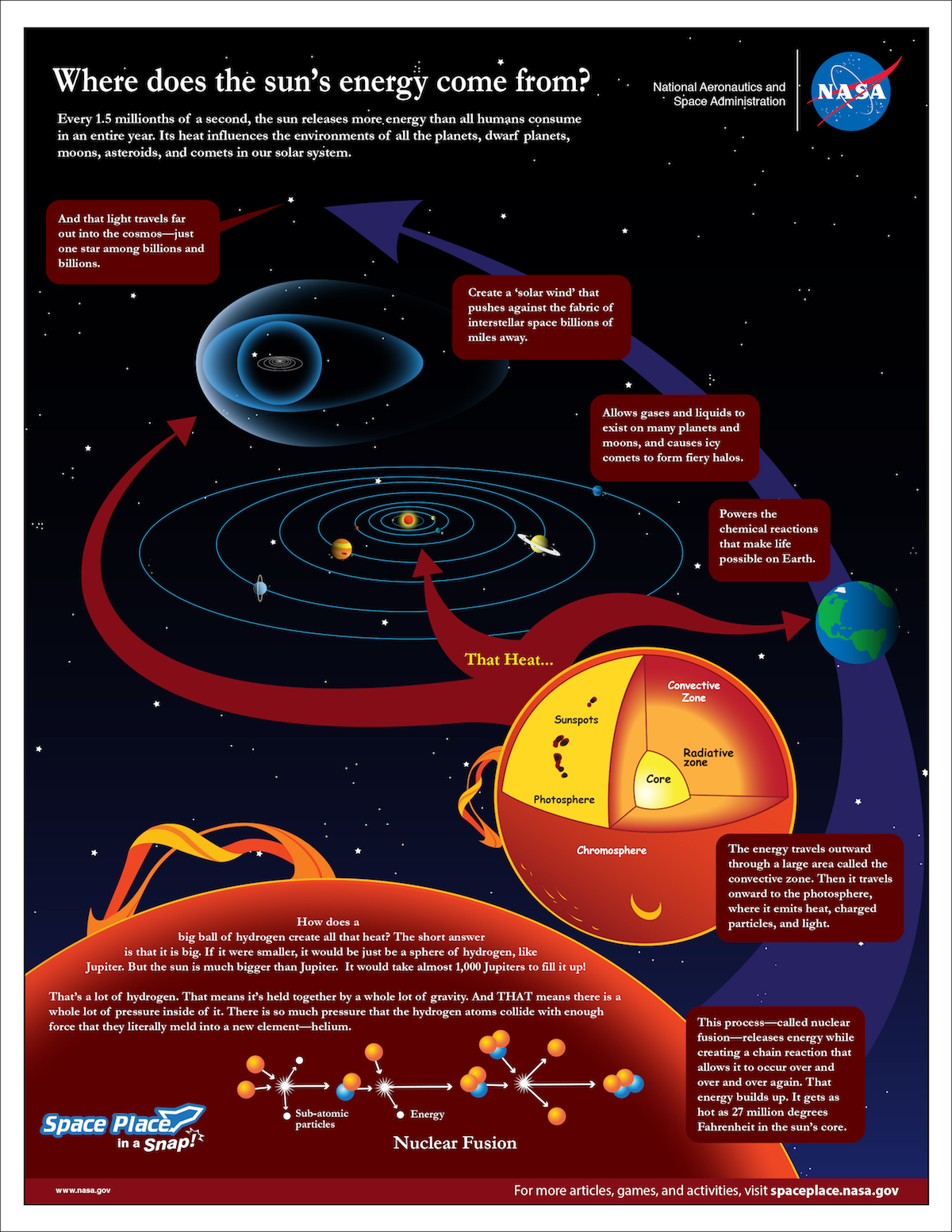
Solar heating uses sunlight to warm your space. Solar panels capture energy and convert it to heat. This method lowers dependence on electricity or gas. It is clean and renewable energy. Solar heating suits sunny areas best.
Wood And Pellet Stoves
Wood and pellet stoves burn solid fuel to create heat. They are good for large rooms or open spaces. Pellets are made from compressed wood waste. These stoves provide steady and strong warmth. They need regular maintenance but cost less to run.
Credit: spaceplace.nasa.gov
Credit: vixencomposites.com
Frequently Asked Questions
Does Heating A Big Space Cost More Than A Small One?
Yes, bigger spaces need more energy to heat. More air volume means your heater works longer to warm it up.
How Does Ceiling Height Affect Heating Expenses?
Higher ceilings increase the space to heat, raising energy use. Warm air rises, making it harder to keep lower areas warm.
Can Insulation Reduce Heating Costs In Large Rooms?
Good insulation traps heat inside, lowering heating needs. It helps keep the warm air in and cold air out.
Are Open Floor Plans Expensive To Heat?
Open spaces spread heat over a larger area, using more energy. Walls usually help keep heat contained, so fewer walls can mean higher costs.
Does Heating System Type Impact Costs In Big Spaces?
Yes, some systems heat large areas more efficiently. Choosing the right heater can save energy and money in big rooms.
Can Zoning Systems Lower Heating Bills In Big Homes?
Zoning lets you heat only used areas, saving energy. It avoids wasting heat in empty rooms, reducing costs.
Conclusion
Big spaces usually cost more to heat because they need more energy. Heat spreads out in large rooms, so heaters work harder. Insulation and windows also affect heating costs a lot. Using smart thermostats and sealing gaps can save money.
Think about your heating needs before choosing a big space. Small changes make a big difference in bills. Keep your home warm without wasting energy. Simple steps help control heating costs well.