
Have you ever wondered if your heater could be inviting unwanted guests into your home? Bed bugs are tiny pests that cause big problems, and understanding what attracts them is key to keeping your space safe.
If you’re worried about whether bed bugs are drawn to heaters, you’re not alone. Knowing the truth can help you protect your home and sleep peacefully. Keep reading to discover how heaters affect bed bugs and what you can do to stop them in their tracks.
Credit: blog.abchomeandcommercial.com
Bed Bug Behavior
Bed bugs are small insects that feed on human blood. Their behavior is important to understand. This helps in finding and controlling them. Bed bugs do not fly or jump. They crawl and hide near their food source.
These pests are mostly active at night. They come out to feed when people are asleep. Knowing their habits helps to prevent bites and infestations.
Feeding Patterns
Bed bugs feed every 5 to 10 days. They need blood to grow and lay eggs. They bite exposed skin, usually at night. Feeding takes about 5 to 10 minutes. After feeding, they return to hiding places.
Preferred Hiding Spots
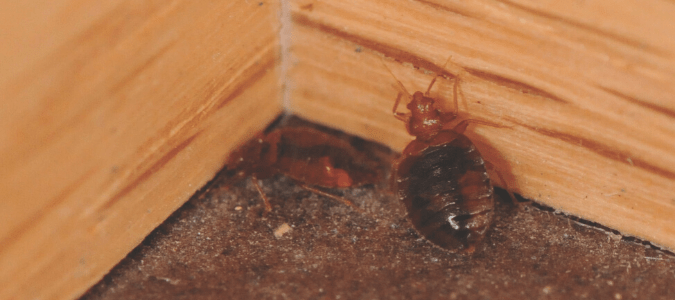
Bed bugs hide in cracks and crevices. Common spots include mattress seams and bed frames. They also hide behind wallpaper and baseboards. These places protect them from light and disturbance. They stay close to where people sleep.
Temperature Sensitivity
Bed bugs prefer warm temperatures. They thrive between 70°F and 90°F (21°C to 32°C). They avoid very cold or hot places. Heaters can create warm spots that attract them. Warmth helps bed bugs stay active and feed more.
Heaters And Heat Sources
Bed bugs are tiny pests that seek warmth to survive. Heaters and other heat sources in homes provide the warmth they need. Understanding how heaters work and where they are placed helps explain why bed bugs might be near them.
Heat attracts bed bugs because they rely on warmth to thrive. Many types of heaters produce different heat levels. Bed bugs may hide close to these heat sources to stay warm and active.
Types Of Heaters
Common heaters include electric heaters, space heaters, and radiators. Electric heaters use electricity to create heat. Space heaters are portable and can heat small rooms. Radiators use hot water or steam to warm areas. Each heater type gives off different heat amounts.
Heat Emission Levels
Heaters emit heat in various ways and amounts. Some heaters give off steady, high heat. Others produce low or fluctuating heat. Bed bugs prefer steady warmth to stay active. The heat level influences how close bed bugs stay.
Common Heater Locations
Heaters often sit near walls, floors, or windows. Bed bugs hide near these warm spots. They can be found behind radiators or under electric heaters. Heating vents and ducts also attract bed bugs. These locations provide warmth and shelter.
Bed Bugs And Heat
Bed bugs react strongly to heat and warmth. Heat affects their behavior, survival, and ability to reproduce. Understanding how bed bugs interact with heat helps control their spread. This section explains their attraction to warmth, their need for heat to survive, and how temperature influences their reproduction.
Attraction To Warmth
Bed bugs are drawn to warm areas. They sense body heat from humans and pets. Warmth signals a nearby blood meal. Heaters create warm spots that may attract bed bugs. They often hide close to these heat sources.
Heat As A Survival Factor
Heat helps bed bugs stay active. They thrive between 70°F and 90°F. Too cold slows them down, and too hot can kill them. Heaters keep rooms warm, making it easier for bed bugs to survive. Warm environments support their daily activities.
Heat And Reproduction
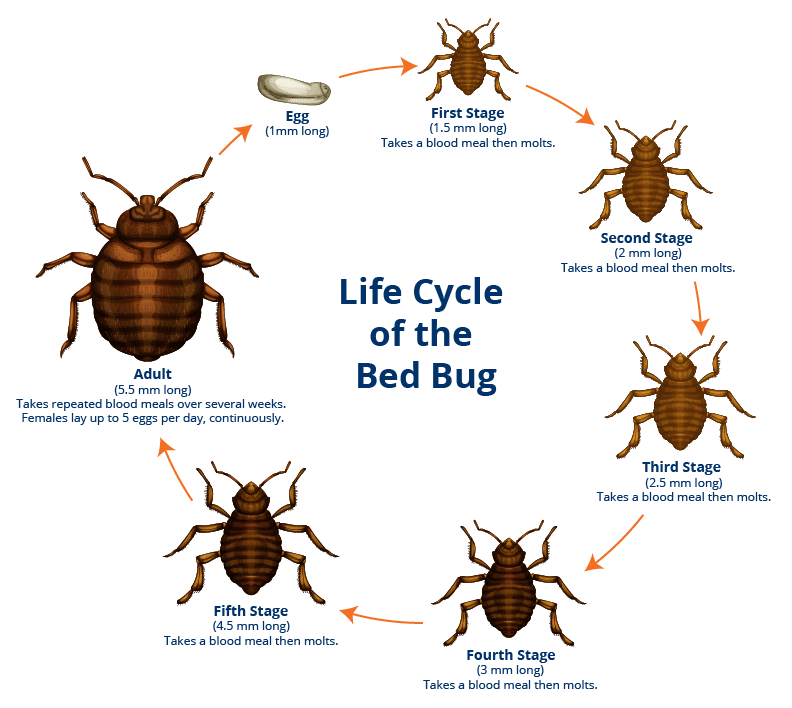
Temperature affects bed bug breeding. Warm conditions speed up their life cycle. Eggs hatch faster, and nymphs grow quickly. Higher heat boosts reproduction rates. Cool or cold conditions slow down or stop their growth.
Credit: mybedbuglawyer.com
Scientific Evidence
Scientific evidence helps us understand if bed bugs are drawn to heaters. Research studies and expert views reveal how bed bugs react to heat sources. This section reviews findings from experiments and opinions from pest control specialists.
Studies On Bed Bug Response To Heat
Scientists tested bed bugs in controlled environments with various heat levels. They found bed bugs move toward warm areas. Heat mimics the body temperature of humans. This warmth helps bed bugs find hosts to feed on. However, the heat from heaters varies and may not always attract them.
Behavioral Experiments
Researchers observed bed bugs’ movements near heaters in labs. Bed bugs showed some attraction to heat but preferred stable, moderate warmth. Sudden or very hot air from heaters often made bed bugs avoid the area. Their behavior depends on how warm and steady the heat source is.
Expert Opinions
Pest control experts agree bed bugs sense heat to locate hosts. They say heaters can attract bed bugs if the heat is steady and close to their hiding spots. Experts warn that heaters alone do not cause infestations. Bed bugs need food and shelter, not just warmth, to thrive.
Practical Implications
Understanding how bed bugs interact with heaters is important for managing infestations. Heaters create warmth, which bed bugs may find attractive. This affects where they hide and how they spread. Knowing practical steps helps keep your home safe and bug-free.
Preventing Bed Bugs Near Heaters
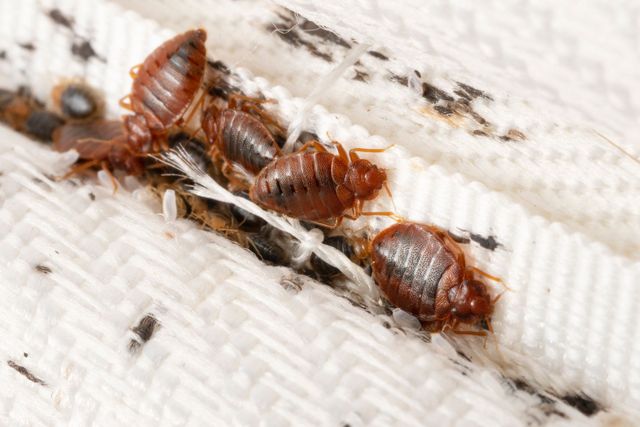
Keep heaters clean and free of clutter. Bed bugs hide in dark, warm places near heaters. Avoid placing beds or furniture too close to heaters. Regularly check heater vents and nearby walls for signs of bugs. Use protective covers on mattresses and box springs to stop bed bugs from spreading.
Using Heat To Control Bed Bugs
High heat kills bed bugs quickly. Professional heat treatments raise room temperature to eliminate bugs. Home methods include using a clothes dryer on hot settings. Avoid low heat; it may only weaken bugs, not kill them. Heat treatment is effective but must reach all hiding spots.
Common Myths Debunked
Bed bugs are not only attracted to heaters. They seek warmth but also food and shelter. Heaters do not cause infestations by themselves. Bugs do not die instantly from normal room heat. Heating a room mildly will not remove bed bugs. Proper heat treatment requires specific temperatures and time.
Credit: www.ecoguardpestmanagement.com
Frequently Asked Questions
Do Bed Bugs Like Warm Places Near Heaters?
Bed bugs prefer warm areas because heat helps their growth. Heaters can create cozy spots that attract them.
Can Heaters Increase Bed Bug Activity In Homes?
Warm temperatures from heaters can speed up bed bugs’ life cycle. This may cause them to multiply faster.
Do Bed Bugs Hide Inside Heaters Or Heating Vents?
Bed bugs can hide in cracks around heaters and vents. These dark, warm spots are good hiding places.
Does Using A Heater Help Get Rid Of Bed Bugs?
Heaters alone cannot kill bed bugs. Proper heat treatment needs very high temperatures for several hours.
Are Bed Bugs More Active During Winter Near Heaters?
Bed bugs stay active year-round if warm enough. Heaters can keep rooms warm, allowing bed bugs to thrive in winter.
How Can I Prevent Bed Bugs From Near My Heater?
Keep the area around heaters clean and clutter-free. Regularly check for signs of bed bugs near heating units.
Conclusion
Bed bugs seek warmth, and heaters provide a cozy spot. These pests may gather near heaters but not because they like the device itself. They follow body heat and carbon dioxide, which heaters can help spread. Keeping heaters clean and checking for bugs nearby helps prevent infestations.
Stay alert for signs of bed bugs around heat sources. Understanding their behavior helps you protect your home better. Simple steps can keep these pests away from your living space.