
Are you thinking about using a battery powered heater but worried about safety? You’re not alone.
When it comes to keeping warm, you want something reliable that won’t put you or your home at risk. Understanding how these heaters work and the safety measures involved can help you make the right choice. Keep reading to discover the truth about battery powered heaters and what you need to know to stay safe and comfortable this season.
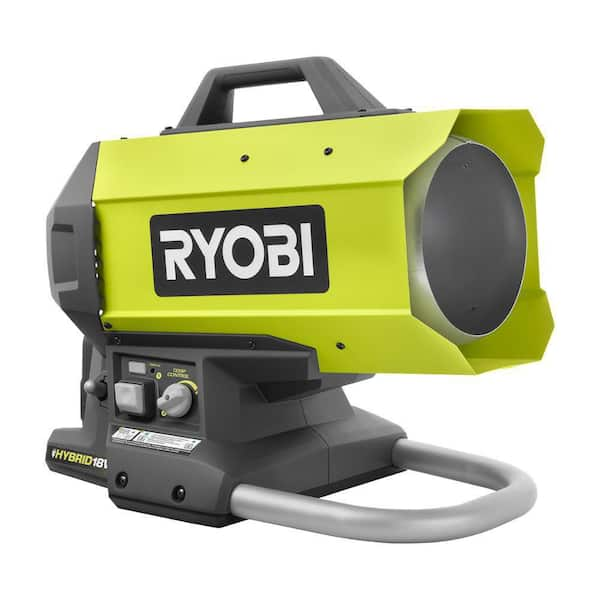
Credit: www.homedepot.com
How Battery Powered Heaters Work
Battery powered heaters offer warmth without plugging into the wall. They work using a simple yet effective process. Understanding how they operate helps explain their safety and convenience. This section breaks down their main parts and how these parts function together.
Basic Components
Battery powered heaters have three main parts. The battery stores electrical energy. The heating element creates heat. A controller manages power flow and temperature. These parts work as a team to produce warmth.
Heating Mechanism
The heating element turns electricity into heat. It uses resistance to generate warmth. Electricity passes through metal wires or plates. The wires get hot and release heat to the air. This heat warms the surrounding space quickly.
Battery Types Used
Most battery powered heaters use lithium-ion or nickel-metal hydride batteries. Lithium-ion batteries are light and hold more power. Nickel-metal hydride batteries are cheaper but heavier. Both types provide enough energy to keep the heater running for hours.
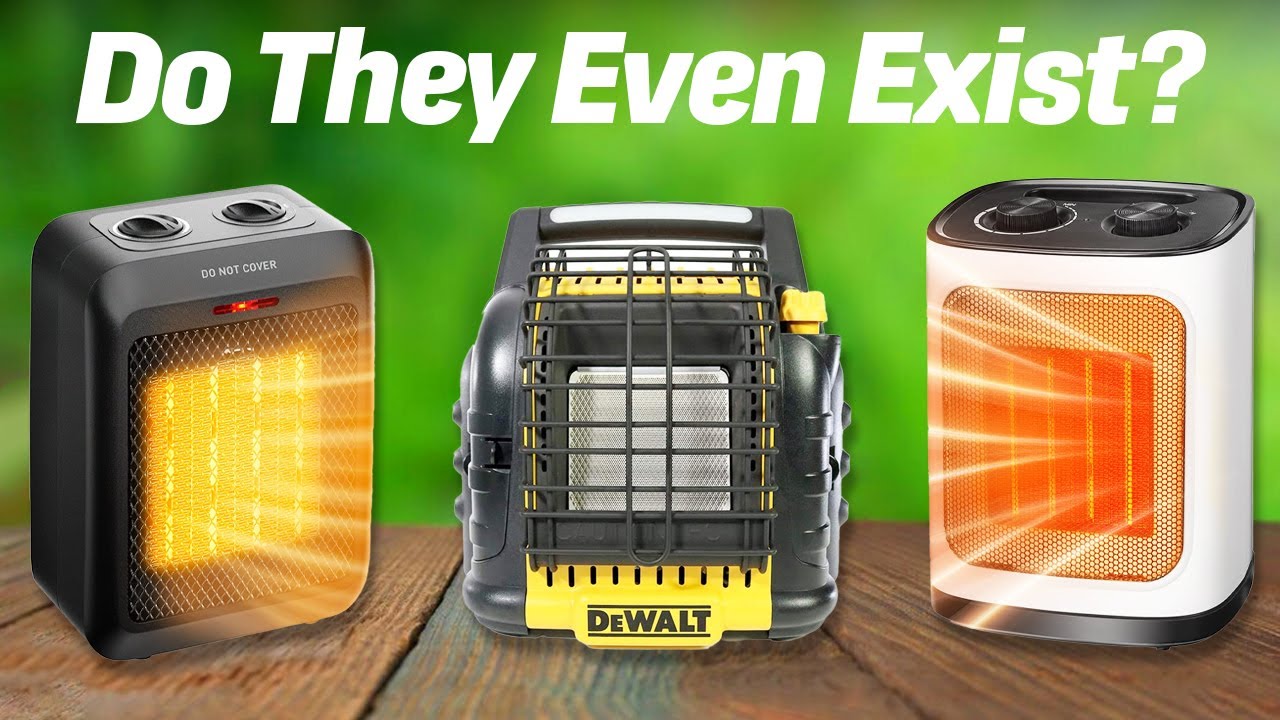
Credit: www.becar.com.bo
Common Safety Concerns
Battery powered heaters are popular for their convenience and portability. Safety is a key concern for many users. Understanding common safety issues helps you use these heaters wisely. This section covers main risks to watch for.
Fire Hazards
Battery powered heaters can cause fires if not handled well. Placing them near flammable materials is dangerous. Keep heaters away from curtains, paper, and furniture. Always use heaters on stable, flat surfaces. Avoid blocking air vents to prevent heat buildup.
Overheating Risks
Overheating is a common problem with battery heaters. It can damage the heater and create fire risks. Many heaters have automatic shut-off features to stop overheating. Do not cover the heater while it runs. Regularly check the heater’s temperature during use.
Battery Malfunctions
Batteries can fail or leak, posing safety risks. Faulty batteries may overheat or explode. Use only recommended batteries for your heater. Avoid charging batteries near water or heat sources. Dispose of old batteries properly to prevent hazards.
Safety Features To Look For
Battery powered heaters offer convenience and mobility. Safety is the top priority. Knowing the key safety features helps you choose the right heater for your needs. These features reduce risks and keep your space secure.
Automatic Shutoff
Automatic shutoff stops the heater if it overheats or tips over. This feature prevents fires and damage. It adds a safety layer, especially in busy or small spaces. Many models include this as a standard safety measure.
Temperature Controls
Temperature controls let you set the heater to a safe, comfortable heat level. This prevents overheating and saves battery life. Some heaters have adjustable thermostats or built-in sensors. These controls keep the heat steady and safe.
Battery Protection Systems
Battery protection systems prevent overcharging and deep discharging. They extend battery life and stop potential hazards. These systems often include short circuit and thermal protection. A good battery system ensures safe and reliable heater operation.
Proper Usage Tips
Using battery powered heaters safely depends on how you handle them. Proper usage helps prevent accidents and keeps the heater working well. Follow some simple rules for safe and effective use.
Placement Guidelines
Place the heater on a flat, stable surface. Keep it away from water and damp areas. Do not block air vents or cover the heater. Maintain a clear space of at least three feet around it. Avoid placing near curtains, furniture, or flammable items.
Charging Practices
Use the charger that comes with the heater. Charge the battery fully before the first use. Do not overcharge or leave it charging unattended. Charge in a cool, dry place. Avoid charging near heat sources or direct sunlight.
Maintenance Routines
Clean the heater regularly with a dry cloth. Check for dust around vents and remove it carefully. Inspect the battery for any swelling or damage. Replace the battery if it shows signs of wear. Store the heater in a cool, dry place when not in use.
Comparing Battery Heaters To Traditional Heaters
Battery powered heaters and traditional heaters serve the same purpose: to keep spaces warm. Yet, they differ in design, power source, and use cases. Comparing these two types helps you understand which suits your needs best. Below, we explore their safety, efficiency, and cost aspects in detail.
Safety Differences
Battery powered heaters run on low voltage. This reduces shock risks and fire hazards. Traditional heaters use electricity or gas, which can be more dangerous. They may cause burns or sparks if misused. Battery heaters often have built-in safety features like automatic shutoff. Traditional models sometimes lack these controls. Both require careful handling, but battery heaters offer more peace of mind.
Efficiency And Performance
Traditional heaters provide strong, consistent heat. They work well for larger rooms and longer use. Battery powered heaters deliver heat quickly but for shorter times. Their power depends on battery size and charge. They suit small spaces or temporary needs. Efficiency varies with usage. Traditional heaters are better for constant heat, battery heaters for portability and emergency use.
Cost Implications
Battery heaters cost less upfront but require battery replacements. Battery costs add up over time. Traditional heaters have higher initial prices. They use electricity or gas, which may be cheaper long-term. Installation costs may apply for traditional models. Choose based on how often and where you use the heater. Battery heaters suit occasional use, traditional ones for daily heating needs.
Regulations And Certifications
Regulations and certifications play a key role in ensuring battery powered heaters are safe. They set rules for design, testing, and use. These rules protect users from risks like fire and electric shock. Certified heaters meet strict safety requirements. This gives buyers more confidence in their products.
Safety Standards
Safety standards are official rules that products must follow. They cover electrical parts, materials, and temperature limits. These standards reduce hazards during use. Many countries have their own safety rules. International standards also exist to unify safety across borders.
Certification Labels
Certification labels show that a heater passed safety tests. Common labels include UL, CE, and ETL marks. These labels appear on the product or packaging. They help buyers identify safe and tested heaters. Products without labels may not meet safety rules.
Manufacturer Responsibilities
Manufacturers must design heaters to meet safety standards. They test products thoroughly before selling. Clear instructions and warnings are required. Manufacturers also handle recalls if safety issues arise. Responsible makers build trust and protect users from harm.
User Experiences And Reports
User experiences and reports provide valuable insights into battery powered heaters’ safety. Real feedback from users helps understand common problems and benefits. These reports also reveal lessons from incidents. This section shares what people say about using these heaters.
Common Issues Reported
Some users mention battery life as a concern. Heaters can stop working quickly if batteries run out fast. Overheating is another problem some face. A few users report strange smells or noises. These issues often relate to poor product quality or misuse. Many problems happen when heaters are used without breaks.
Positive Safety Feedback
Many users feel safe using battery powered heaters. They like heaters that shut off automatically when hot. Users appreciate models with built-in safety features. Battery powered heaters often feel safer than plug-in types. People mention no electric shocks or sparks. Good products get praise for stable heating and no fires.
Lessons From Incidents
Some incidents teach important safety lessons. Fires sometimes start from covering the heater by mistake. Others happen when heaters touch flammable materials. Users learn to keep heaters away from curtains and furniture. Many recommend using heaters only as directed. Regular checks of batteries and heater parts prevent accidents.

Credit: gmdckalakote.in
Future Trends In Battery Heater Safety
The future of battery-powered heaters looks safer and smarter. New trends focus on making these heaters more reliable. Safety improvements will reduce risks and give users peace of mind. Expect better technology, smarter designs, and stricter safety rules.
Innovative Technologies
Battery heaters will use advanced sensors to monitor heat levels. These sensors stop the heater if it gets too hot. Smart controls will adjust heat automatically for safe use. Wireless features will allow remote monitoring and control. These technologies help prevent accidents and improve user experience.
Improved Battery Designs
Batteries will become more stable and less likely to overheat. New materials will make batteries safer and longer-lasting. Compact designs will reduce the chance of damage. Safety valves will release pressure safely if needed. These improvements lower the risk of battery failure or fire.
Enhanced Safety Protocols
Manufacturers will follow stricter safety standards for battery heaters. Testing will become more thorough and frequent. Clearer safety labels and instructions will help users avoid dangers. Emergency shut-off features will activate faster. These protocols create safer products for everyday use.
Frequently Asked Questions
Are Battery Powered Heaters Safe To Use Indoors?
Battery powered heaters are generally safe indoors when used properly. Always follow the manufacturer’s safety guidelines and ensure good ventilation. Avoid placing heaters near flammable materials.
How Long Do Battery Powered Heaters Last On One Charge?
Most battery powered heaters run between 2 to 8 hours per charge. The exact time depends on the heater’s size and battery capacity. Check product details for accurate run times.
Can Battery Powered Heaters Cause Fires?
Battery powered heaters have safety features to prevent fires. Still, improper use or damaged batteries may increase fire risk. Regular inspection and careful use reduce this danger.
Are Battery Powered Heaters Suitable For Small Rooms?
Yes, battery powered heaters work well in small rooms. They provide quick, focused heat but may not warm large areas effectively. Ideal for personal or small space heating.
Do Battery Powered Heaters Emit Harmful Gases?
Battery powered heaters do not produce harmful gases since they don’t burn fuel. This makes them safer and cleaner than some fuel-based heaters. Perfect for indoor use.
How Do I Safely Charge A Battery Powered Heater?
Charge the heater using the original charger and follow instructions. Avoid overcharging or charging near water sources. Keep it in a cool, dry place while charging.
Conclusion
Battery powered heaters can be safe if used correctly. Always follow the manufacturer’s instructions carefully. Keep heaters away from flammable materials and never leave them unattended. Check batteries regularly to avoid leaks or damage. These heaters offer convenience but require caution.
Using them responsibly helps prevent accidents and fires. Choose models with safety features like automatic shut-off. Remember, safety depends on how you handle the device. Small steps make a big difference in keeping your home secure. Stay warm and safe this winter with smart heater use.