
Have you ever wondered if your air conditioner and heater are connected? You might think they’re completely separate systems, but the truth could surprise you.
Understanding how these two essential home appliances work together can save you money, improve your comfort, and even make your home more energy efficient. Keep reading to discover the connection between air conditioners and heaters—and why knowing this could change the way you manage your indoor climate.
How Air Conditioners Work
Air conditioners cool your home by moving heat from inside to outside. They use a special fluid called refrigerant. This fluid absorbs heat from indoor air and releases it outdoors. The process keeps the inside air cooler and comfortable.
The system has several parts that work together. Each part plays a key role in cooling your space. Understanding these parts helps explain how air conditioners work.
Evaporator Coil
The evaporator coil is inside your home. Warm air passes over this coil. The refrigerant inside absorbs heat from the air. This cools the air, which then circulates in your room.
Compressor
The compressor is the heart of the system. It pumps the refrigerant through the coils. It also raises the refrigerant’s pressure and temperature. This helps the heat move outside quickly.
Condenser Coil
The condenser coil is outside your home. It releases heat from the refrigerant to the air outside. The refrigerant cools down and changes back to liquid form. This cycle repeats to keep your home cool.
How Heaters Function
Heaters keep rooms warm by creating heat from different sources. They move this heat into the air to raise the room temperature. This process makes homes comfortable during cold weather.
There are several types of heaters, but all work to produce heat efficiently. Understanding how they function helps in choosing the right heating system for your needs.
Types Of Heaters
Common heaters include electric, gas, and oil models. Electric heaters use electricity to create heat. Gas heaters burn natural gas or propane for warmth. Oil heaters burn oil to produce heat. Each type has benefits based on cost and usage.
Heat Production Methods
Electric heaters use wires that heat up when electricity passes through. Gas and oil heaters burn fuel to create heat flames. This heat then warms the air or surfaces around the heater. Fans or vents help spread the heat evenly.
Heat Distribution
Some heaters blow warm air through vents. Others use radiant heat, warming objects directly. Convection heaters warm the air, which rises and circulates naturally. These methods help heat spread through rooms effectively.
Thermostat Control
Most heaters have thermostats to control temperature. The thermostat senses room temperature and turns the heater on or off. This keeps the room at a steady and comfortable warmth. It also saves energy by avoiding overheating.
Common Hvac Systems
Common HVAC systems keep homes warm in winter and cool in summer. They use different methods to control air temperature. Understanding these systems helps you choose the right one for your needs. Each type has unique features and ways to connect air conditioners and heaters.
Split Systems
Split systems are popular in many homes. They have two main parts: an indoor unit and an outdoor unit. The indoor unit handles heating or cooling the air inside. The outdoor unit removes heat from the air or provides heat. Both units work together through refrigerant lines.
This system often uses the same ductwork for heating and cooling. It makes switching between air conditioning and heating easy. Split systems are efficient and cost-effective for most houses.
Central Heating And Cooling
Central systems use a single system to heat and cool the whole house. They rely on ductwork to move air through each room. A furnace or heat pump heats the air. An air conditioner cools it. Both systems share the same ducts.
This connection means you only need one setup for both heating and cooling. Central systems provide even temperature control and good air distribution. Many older homes have central HVAC systems.
Ductless Mini-splits
Ductless mini-splits do not use ductwork. They have an outdoor compressor and one or more indoor air handlers. Each air handler heats or cools a specific room. This system is flexible and easy to install.
Air conditioners and heaters in mini-splits share the same unit. They switch modes to provide comfort all year. Ductless systems work well in homes without existing ducts or in room additions.
Credit: www.liftingitalia.com
Shared Components Between Ac And Heaters
Air conditioners and heaters often share key parts inside your home’s system. These shared components help both units work properly. Understanding these parts shows how ACs and heaters connect in one system.
The shared components reduce space and cost. They also make it easier to control your home’s temperature all year.
Thermostats
Thermostats control the temperature inside your home. They tell the system when to cool or heat the air. One thermostat can work with both air conditioners and heaters. This helps keep your home comfortable without extra devices.
Ductwork
Ductwork carries air throughout your house. It moves cold air from the AC and warm air from the heater. The same ducts are used for both heating and cooling. Good ductwork ensures air reaches every room evenly.
Blower Fans
Blower fans push air through the ducts. They move warm or cool air depending on the system’s need. One fan can serve both the heater and the air conditioner. This saves energy and space in your home system.
Separate Systems Vs Combined Units
Choosing between separate systems or combined units for air conditioning and heating affects comfort and cost. Each option offers unique benefits and drawbacks. Understanding these can help you decide the best fit for your home.
Standalone Air Conditioners
Standalone air conditioners cool your home during hot days. They work by removing heat from inside and sending it outside. These units are easy to install and often less expensive initially. They do not provide heating, so you need another system for warmth.
Standalone Heaters
Standalone heaters focus only on warming your space. They come in many types, like electric, gas, or oil heaters. These systems can be efficient but require separate installation from air conditioners. They give you control over heating without affecting cooling.
Heat Pumps
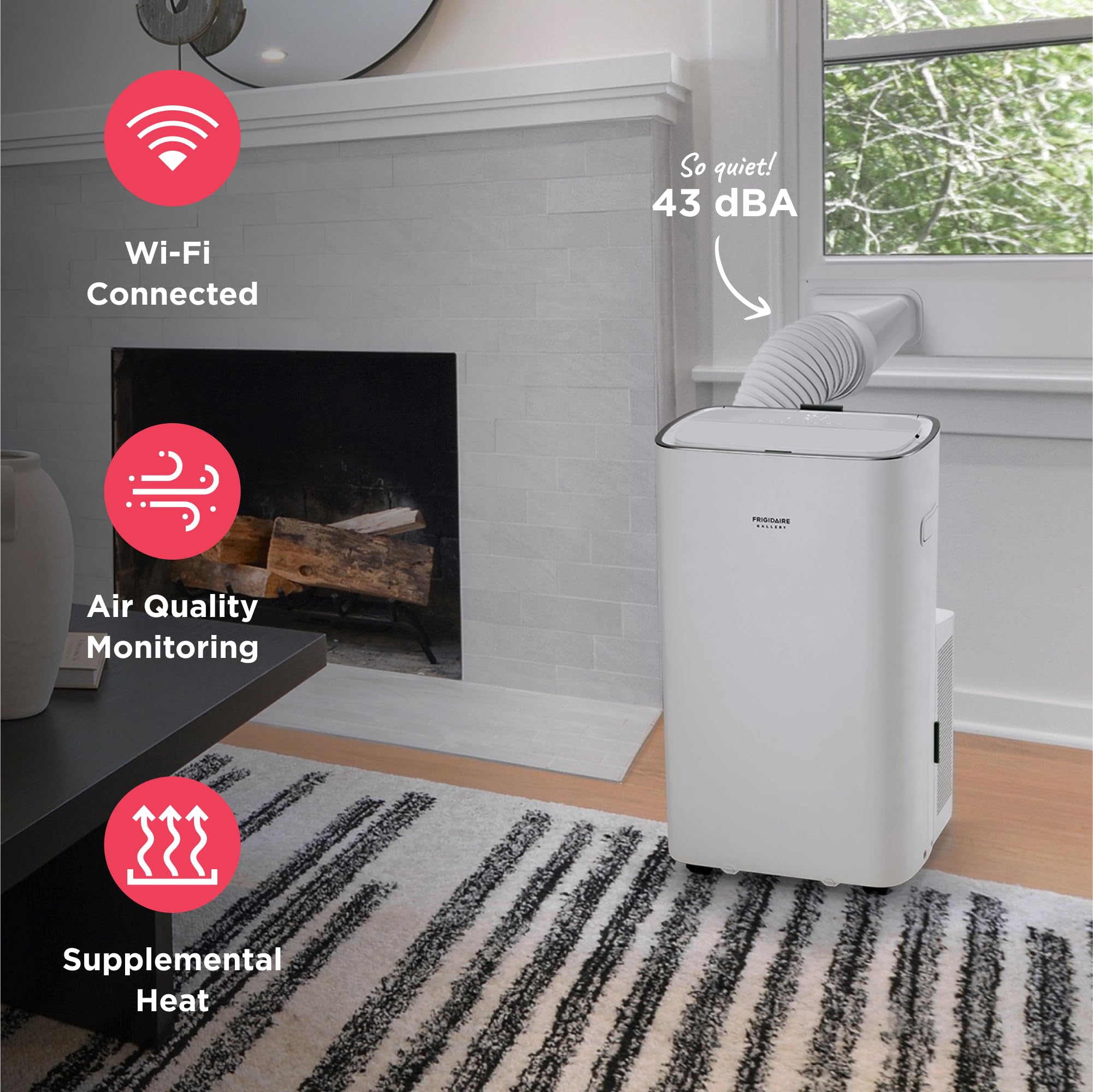
Heat pumps offer both cooling and heating in one device. They transfer heat in or out depending on the season. This dual function saves space and can lower energy bills. Heat pumps work best in moderate climates and provide consistent temperature control.

Credit: en.wikipedia.org
Energy Efficiency Considerations
Energy efficiency plays a key role in choosing air conditioners and heaters. Using devices that save energy reduces electricity bills. It also helps protect the environment by lowering carbon emissions.
Understanding how these systems work together can improve energy use. Some models share parts, which may affect their efficiency. Knowing the differences helps make smart choices for your home.
How Combined Systems Save Energy
Many HVAC systems combine air conditioning and heating in one unit. These systems use shared components like compressors and fans. This design reduces energy waste and improves overall efficiency. It also saves space and cuts installation costs.
Separate Units And Energy Use
Using separate air conditioners and heaters can increase energy use. Each unit runs independently, which may lead to higher power consumption. Separate systems often lack the smart controls that combined units have. This can result in less efficient temperature management.
Smart Thermostats And Efficiency
Smart thermostats help control energy use for both heaters and air conditioners. They learn your schedule and adjust temperatures automatically. This reduces unnecessary heating or cooling. Smart controls work best with combined HVAC systems.
Choosing Energy-efficient Models
Look for units with high energy efficiency ratings. Energy Star certified products save more power. These models use advanced technology to cool or heat using less energy. Investing in efficient systems lowers monthly bills and reduces environmental impact.
Maintenance Tips For Combined Systems
Combined air conditioners and heaters require regular care to work well all year. Proper maintenance keeps the system efficient and extends its life. Small checks can prevent big problems and save money on repairs. Here are easy tips to maintain your combined system.
Clean Or Replace Air Filters Regularly
Dirty air filters reduce airflow and strain the system. Check filters monthly and clean or replace them as needed. Clean filters improve air quality and help the system cool or heat better.
Inspect The Thermostat Settings
Ensure the thermostat is set correctly for your comfort. Check settings each season. Use programmable thermostats to save energy and maintain steady temperatures.
Clear The Outdoor Unit
Remove leaves, dirt, and debris around the outdoor unit. Keep at least two feet of space free for airflow. This helps the system run smoothly and prevents overheating.
Schedule Professional Tune-ups
Have a technician check the system yearly. They can find hidden issues, clean coils, and check refrigerant levels. Professional care keeps the system safe and efficient.
Check Ductwork For Leaks
Leaky ducts waste energy and reduce comfort. Inspect ducts for holes or loose connections. Seal leaks with duct tape or call a professional for repairs.
Choosing The Right System For Your Home
Choosing the right system for your home affects comfort and energy bills. It depends on your climate, house size, and personal needs.
Some homes need both heating and cooling, while others may only need one. Understanding how these systems work helps you decide.
What Are Combined Hvac Systems?
Combined HVAC systems provide heating and cooling in one unit. They save space and often cost less to install.
These systems use one thermostat to control both air conditioner and heater functions. This makes it easy to switch between hot and cold.
Separate Air Conditioners And Heaters
Separate units allow more control over each system. You can choose different types based on your home’s needs.
This option might cost more but offers flexibility. You can upgrade one system without changing the other.
Energy Efficiency And Costs
Energy efficiency affects your monthly bills and the environment. Look for units with high Energy Star ratings.
Sometimes, a combined system uses less energy than separate units. Other times, separate systems work better in extreme climates.
Space And Installation Needs
Space in your home influences your choice. Combined systems need less room than separate units.
Installation costs vary depending on system type and home layout. Always get professional advice before deciding.
Credit: climateright.com
Frequently Asked Questions
Are Air Conditioners And Heaters Part Of The Same System?
Air conditioners and heaters can be part of the same HVAC system. This system uses different modes to cool or heat a home.
Can One Unit Both Cool And Heat A Room?
Yes, many units called heat pumps can both cool and heat. They switch modes depending on the season or temperature.
Do Air Conditioners And Heaters Share The Same Ducts?
Often, air conditioners and heaters use the same ductwork. This helps circulate hot or cold air through the house efficiently.
How Do Thermostats Control Both Heating And Cooling?
Thermostats detect room temperature and switch between heating or cooling. This keeps the indoor temperature comfortable all year.
Is It Cheaper To Have Combined Ac And Heater Systems?
Combined systems usually cost less than separate units. They also save space and simplify home climate control.
What Maintenance Do Combined Air Conditioners And Heaters Need?
Both systems need regular filter changes and checkups. This keeps them running smoothly and extends their lifespan.
Conclusion
Air conditioners and heaters often work together in one system. They share parts like ducts and controls. This saves space and energy in your home. You can stay cool in summer and warm in winter easily. Knowing how they connect helps you choose the right system.
It also makes maintenance simpler and cheaper. Think of them as a team keeping your home comfortable all year. Understanding this connection can improve your comfort and save money.