
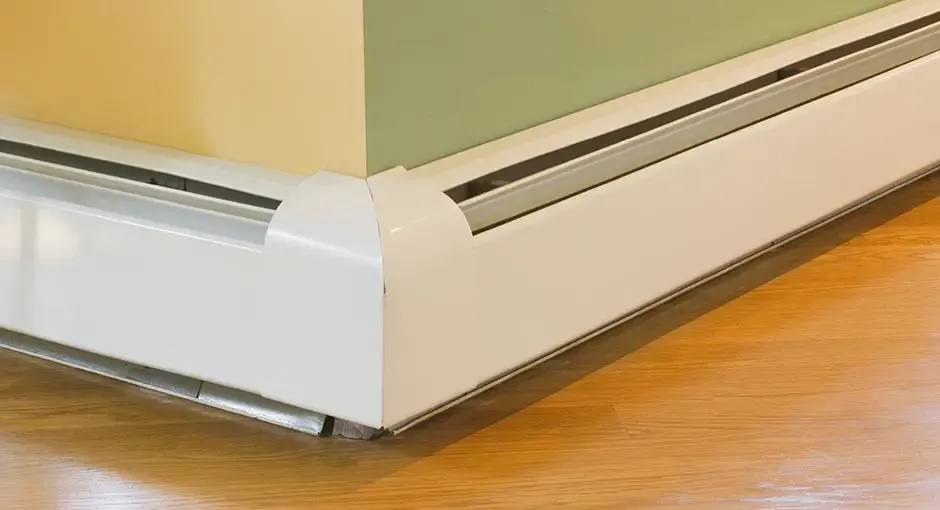
Are you tired of your baseboard heaters taking up space and running up your energy bills? You’re not alone.
Many people look for better, more efficient ways to keep their homes warm without the hassle. Imagine having a heating system that fits your lifestyle, saves you money, and keeps your space cozy all winter long. You’ll discover smart and practical alternatives to baseboard heaters that could transform the way you heat your home.
Ready to find the perfect solution for your comfort? Keep reading to learn more.

Credit: www.youtube.com
Electric Radiant Heating
Electric radiant heating offers a modern way to warm your home. It uses electricity to heat floors, walls, or ceilings. This type of heating spreads warmth evenly across a room. It creates a cozy atmosphere without noisy fans or vents.
How It Works
Electric radiant heating uses wires or mats installed under surfaces. These wires heat up when electricity passes through them. The warmth rises slowly, warming the room gently. It warms objects and people directly, not just the air.
Benefits And Drawbacks
This system provides quiet, consistent heat. It saves space since there are no bulky heaters. It also reduces dust movement, which helps allergy sufferers. The main drawback is the upfront cost of installation. It may also increase electricity bills if used often.
Installation Tips
Choose the right type for your floor or wall. Professional installation ensures safety and proper wiring. Check your home’s electrical capacity before installation. Use a thermostat to control temperature and save energy. Avoid covering heated areas with thick rugs or furniture.
Hydronic Heating Systems
Hydronic heating systems offer a quiet and efficient way to heat your home. These systems use hot water to warm rooms evenly. The water moves through pipes installed under floors or inside walls. This method creates a comfortable heat without blowing air around. Hydronic heating works well in many types of homes.
System Components
A hydronic system has several key parts. A boiler heats the water to the right temperature. Pipes carry the hot water to radiators or underfloor tubing. A pump moves the water through the system. Thermostats control the temperature in each room. Valves help regulate water flow and pressure. These parts work together to keep your home warm.
Energy Efficiency
Hydronic heating uses less energy than many other systems. Water holds heat better than air, so it stays warm longer. This reduces the need to run the boiler often. The heat spreads evenly, avoiding hot and cold spots. You can save money on energy bills with this system. It also works well with renewable energy sources like solar panels.
Maintenance Needs
Maintaining a hydronic system is simple and low-cost. Check the boiler annually to ensure it runs well. Pipes and pumps should be inspected for leaks or damage. Bleed air from the system to keep water flowing smoothly. Regular maintenance helps avoid costly repairs later. This keeps your home warm and your system reliable.
Forced Air Heating
Forced air heating offers a popular alternative to baseboard heaters. It uses a system of ducts and vents to spread warm air throughout a home. This method heats rooms quickly and can be paired with air conditioning for year-round comfort.
Types Of Forced Air Systems
There are several types of forced air systems. The most common is a gas furnace, which burns natural gas to heat air. Electric furnaces use electricity to warm the air. Heat pumps work by moving heat from outside to inside, using less energy in mild climates. Each type fits different needs and budgets.
Energy Consumption
Forced air systems vary in energy use. Gas furnaces usually cost less to run than electric ones. Heat pumps are efficient in moderate climates but use more power in very cold areas. Proper maintenance, like changing filters, helps keep energy use low.
Air Quality Considerations
Forced air heating can affect indoor air quality. Dust and allergens may spread through ducts if not cleaned regularly. Using high-quality filters improves air cleanliness. Adding air purifiers or humidifiers can also help maintain fresh air inside.
Credit: www.mitsubishicomfort.com
Heat Pumps
Heat pumps are a smart alternative to baseboard heaters. They move heat rather than create it. This process uses less energy and saves money on bills. Heat pumps can both heat and cool your home. They work well in many climates and offer steady warmth.
Air Source Vs. Ground Source
Air source heat pumps take heat from outside air. They work best in mild climates. Ground source heat pumps, also called geothermal, use heat from the ground. The ground stays warmer in winter and cooler in summer. Ground source pumps are more efficient but cost more to install.
Cost And Efficiency
Air source heat pumps usually cost less upfront. They use electricity but save more than electric baseboards. Ground source heat pumps have higher installation costs. They run very efficiently and lower energy bills over time. Both types reduce carbon footprint compared to traditional heating.
Ideal Usage Scenarios
Air source heat pumps fit well in moderate climates with mild winters. They provide both heating and cooling in one system. Ground source heat pumps suit colder climates and larger homes. They work best where space allows for underground loops. Both types offer quiet operation and even heat distribution.
Pellet And Wood Stoves
Pellet and wood stoves offer a cozy, traditional way to heat your home. They create warmth by burning natural fuels. These stoves work well in many homes and can reduce reliance on electric baseboard heaters.
Pellet stoves use small, compressed wood pellets as fuel. Wood stoves burn logs or wood pieces. Both options provide steady heat and a charming ambiance.
Fuel Options
Pellet stoves run on uniform wood pellets. These pellets come from sawdust and wood scraps. They are easy to store and handle. Wood stoves need dry, seasoned wood logs. Hardwood logs burn longer and hotter than softwood. Both fuels are renewable and widely available.
Environmental Impact
Burning pellets produces less smoke than wood logs. Pellet stoves emit fewer pollutants and ash. Wood stoves release more smoke but can use local wood. Using wood or pellets reduces fossil fuel use. Proper burning cuts harmful emissions. Both stoves help lower carbon footprints when used well.
Safety Measures
Place stoves on non-combustible surfaces. Keep flammable materials away from stoves. Install carbon monoxide detectors nearby. Regularly clean chimneys to prevent creosote buildup. Use stove doors to control fire safely. Follow manufacturer instructions for safe operation.

Credit: ansteyhomes.com
Infrared Heaters
Infrared heaters offer a different way to warm your space compared to baseboard heaters. They use infrared light to heat objects and people directly, not the air. This method can feel warmer quickly and is energy efficient. Infrared heaters work silently and do not blow air, making them good for allergy sufferers. Let’s explore how these heaters work, their energy use, and where they fit best.
Heating Mechanism
Infrared heaters emit infrared radiation. This radiation travels through the air and warms objects in its path. Objects then release heat, warming the room naturally. Unlike baseboard heaters, they do not heat the air first. This direct heating feels quicker and more natural. Infrared heat is similar to the warmth from the sun on your skin.
Energy Use
Infrared heaters use electricity efficiently. They convert most of the energy into heat. This reduces waste and saves money. Because they heat objects, not air, less energy is lost. Infrared heaters can lower electricity bills in small to medium rooms. Always check the power rating to match your space size.
Best Applications
Infrared heaters suit rooms where quick warmth is needed. They work well in bedrooms, offices, and small living spaces. These heaters are good for people with allergies as they do not move dust. Infrared heaters also work outdoors on patios or in garages. They are ideal for spot heating rather than heating large areas.
Comparing Heating Costs
Choosing the right heating system affects both your comfort and budget. Comparing heating costs helps you find the best option for your home. Understanding expenses now and later can save money and avoid surprises. This section breaks down costs into three parts: initial investment, operational expenses, and long-term savings. Each part plays a key role in deciding the best alternative to baseboard heaters.
Initial Investment
The initial investment means the money spent to buy and install the heater. Baseboard heaters usually cost less to buy and install. Other options like heat pumps or radiant floor heating require more money upfront. This higher cost may include equipment and professional installation. A bigger initial investment might feel expensive but can offer better value over time.
Operational Expenses
Operational expenses cover the cost to run the heater daily. Baseboard heaters use electricity continuously, which can raise monthly bills. Heat pumps use electricity but work more efficiently, lowering energy use. Natural gas or propane heaters may have cheaper fuel costs than electric options. Choosing the right fuel source affects your monthly heating costs significantly.
Long-term Savings
Long-term savings come from lower energy use and fewer repairs. Heat pumps and radiant systems often save money by using less energy. Baseboard heaters might need more electricity, raising costs over years. Some systems last longer and require less maintenance. Thinking about long-term savings helps balance the higher initial cost and operational expenses.
Choosing The Right System
Choosing the right heating system for your home is important. It affects comfort, energy use, and costs. Different systems work best for different homes. Consider key factors to find what suits your needs.
Home Size And Layout
The size of your home guides the heating choice. Large homes need systems that cover more space efficiently. Small homes might do well with compact options. The layout matters too. Open spaces heat differently than many rooms. Some systems work better in certain layouts.
Climate Considerations
The climate where you live affects heating needs. Cold places require stronger, steady heat sources. Mild areas might need less powerful systems. Seasonal changes also matter. Choose a system that handles your local weather well. This helps save energy and keeps your home cozy.
Personal Preferences
Think about your comfort and lifestyle. Some prefer quick heat, others want steady warmth. Noise level can matter. Some systems run silently; others make sounds. Consider installation and maintenance too. Pick a system that fits your daily routine and budget.
Frequently Asked Questions
What Are Common Alternatives To Baseboard Heaters?
Electric wall heaters, radiant floor heating, and heat pumps are popular choices. They offer efficient and even heat distribution in homes.
How Do Electric Wall Heaters Compare To Baseboard Heaters?
Electric wall heaters warm spaces faster and take up less floor space. They are easy to install and often come with thermostats.
Is Radiant Floor Heating Better Than Baseboard Heating?
Radiant floor heating provides gentle, even warmth from the floor up. It is silent and hidden, making rooms more comfortable.
Can Heat Pumps Replace Baseboard Heaters Effectively?
Heat pumps heat and cool spaces efficiently and use less energy. They work well in moderate climates and save on utility bills.
Are Portable Space Heaters A Good Baseboard Heater Alternative?
Portable space heaters offer flexible, quick heating for small areas. They are affordable but may not heat large rooms evenly.
Conclusion
Choosing the right heater depends on your space and budget. Electric baseboard heaters are common, but other options can save energy and cost less. Consider wall heaters, radiant panels, or heat pumps for better comfort. Each type has pros and cons.
Think about installation ease and maintenance needs. Finding the best fit helps keep your home warm and your bills low. Explore different heaters before deciding. Comfort matters, but so does efficiency. Small changes can make a big difference in winter warmth.