
Are you trying to find the best heating solution for your home or office? Choosing between quartz infrared heaters and baseboard heaters can feel confusing.
But knowing the clear advantages of quartz infrared heaters could save you money and make your space more comfortable. Imagine a heater that warms you quickly, uses less energy, and adds a sleek look to your room. Keep reading to discover how quartz infrared heaters might be the smarter, more efficient choice for your heating needs.

Credit: www.walmart.com
Quartz Infrared Heater Basics
Quartz infrared heaters are a popular choice for home heating. They use a special type of heating element that works differently than baseboard heaters. Understanding how these heaters work helps in choosing the right heating solution.
Quartz infrared heaters provide warmth quickly and efficiently. They heat objects and people directly, not just the air. This method creates a comfortable and steady heat.
How Quartz Infrared Heaters Work
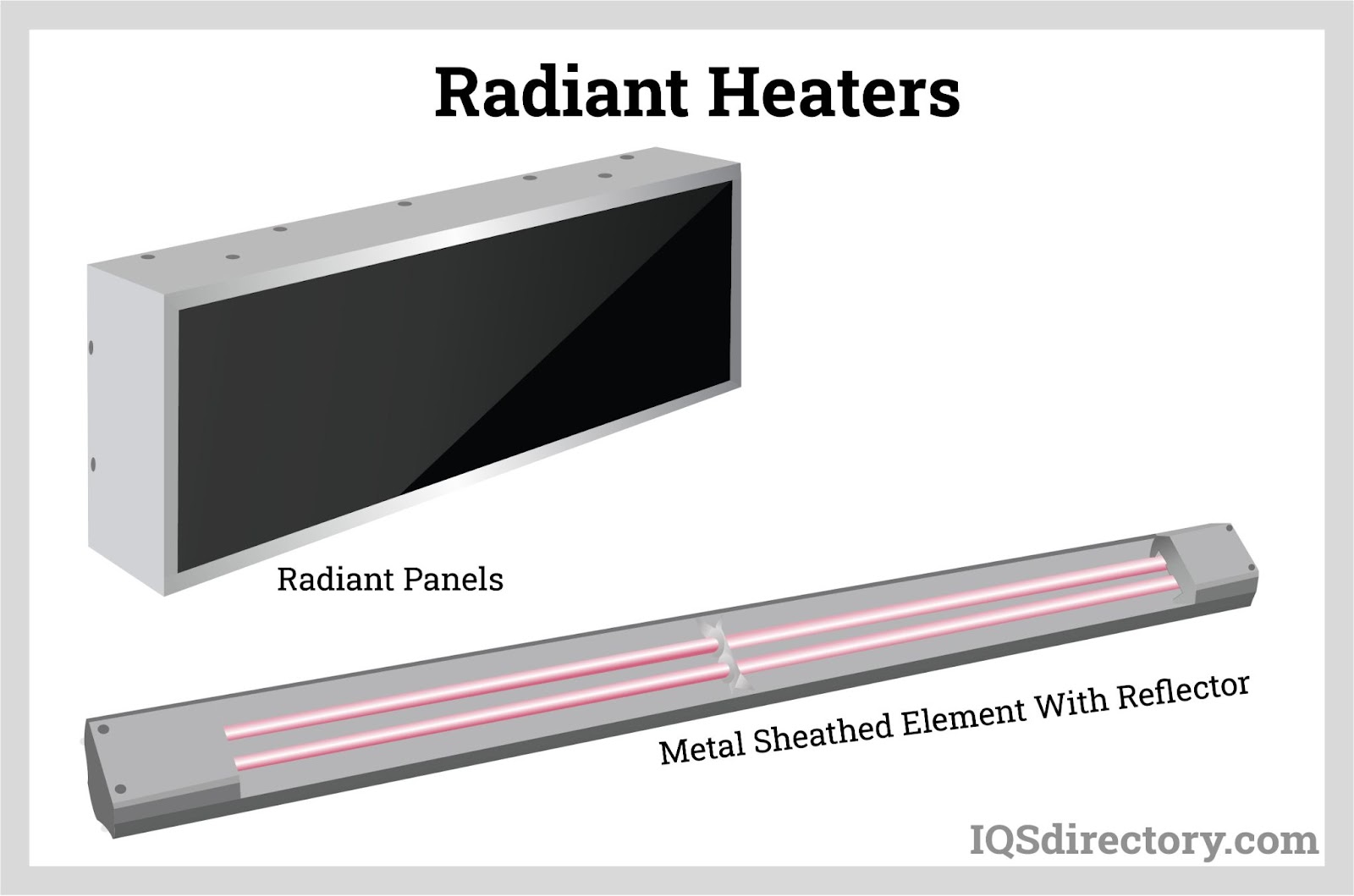
Quartz infrared heaters use quartz tubes to produce infrared light. This light carries heat to objects and surfaces in the room. The heat warms the objects, which then release warmth into the air.
This process is fast. The heater does not waste energy heating the air first. Infrared heat feels similar to natural sunlight, making rooms cozy without dry air.
Key Features Of Quartz Infrared Heaters
Quartz infrared heaters have several useful features. They heat spaces quickly and use less power than many other heaters. This makes them energy efficient and cost-effective.
They also work quietly, without fans or noisy parts. Many models have adjustable settings to control heat levels easily. Their slim design fits small spaces and modern rooms well.
Baseboard Heater Essentials
Baseboard heaters are common in many homes. They provide steady warmth and are easy to install. Understanding how they work helps compare them with quartz infrared heaters.
These heaters use simple technology. They warm the air near the floor. The heat rises slowly, filling the room over time. This method suits small to medium rooms well.
Operation Of Baseboard Heaters
Baseboard heaters use electric resistance coils. When electricity passes through, the coils get hot. This heat warms the metal fins around the coils.
The warm fins heat the air next to the heater. Warm air rises naturally and moves around the room. This process is called convection heating.
The heater keeps running until the room reaches the set temperature. A thermostat inside controls the power. It turns off the heater to save energy.
Common Characteristics Of Baseboard Heaters
Baseboard heaters are long and narrow. They usually sit low on walls near the floor. This design helps heat spread evenly upwards.
They operate quietly with no moving parts. Maintenance is simple and rare. These heaters do not blow air or dust.
They use electricity directly, so they do not need fuel. This makes them safe and clean for indoor use. The initial cost is low, but they can use more energy over time.
Energy Efficiency Comparison
Energy efficiency plays a big role when choosing a heating system. Quartz infrared heaters and baseboard heaters use energy differently. Understanding their efficiency helps save money and reduce power use. Let’s look at how these two heaters compare in energy use and heat spread.
Power Consumption Differences
Quartz infrared heaters use less power than baseboard heaters. They heat objects and people directly, not the air. This method cuts wasted energy. Baseboard heaters warm the air first, which can escape through doors and windows. Quartz heaters turn on fast and reach the desired temperature quickly. Baseboard heaters take longer to warm a room. This delay means more energy use. Quartz heaters often use about 25% less electricity.
Heat Distribution Efficiency
Quartz infrared heaters give focused heat to where it is needed. This direct heating feels warmer faster. Heat does not rise to the ceiling or get lost in corners. Baseboard heaters spread heat evenly but slowly. Warm air rises and collects near the ceiling, leaving the floor cooler. This uneven heat can make the room feel chilly. Quartz heaters provide better warmth in cold spots. They keep rooms comfortable using less energy.
Heating Speed And Performance
Heating speed and performance are important when choosing a heater. They affect how fast your space gets warm and how steady the heat feels. Quartz infrared heaters and baseboard heaters work differently, which changes their heating speed and output.
Warm-up Times
Quartz infrared heaters warm up very quickly. They use infrared light to heat objects and people directly. This means you feel warmth almost right away. Baseboard heaters take more time. They heat the air by warming up metal fins first. This process slows down the time it takes to heat the room. If you want heat fast, quartz infrared heaters are better.
Consistency Of Heat Output
Quartz infrared heaters keep heat steady because they warm objects, not just air. This creates a comfortable and even heat. Baseboard heaters can have uneven heat. Warm air rises, and cooler air stays low. This makes some parts of the room warmer than others. Quartz heaters deliver a more balanced and reliable heat output.
Installation And Space Use
Choosing the right heater affects both installation ease and space use. Quartz infrared heaters and baseboard heaters differ in these areas. Understanding their setup and room impact helps make a smart choice.
Setup Requirements
Quartz infrared heaters are simple to install. They often plug into standard outlets. No special wiring is needed. This saves time and cost. Baseboard heaters require professional installation. They connect directly to home wiring. This can mean higher installation expenses. Also, baseboard heaters need wall mounting. Quartz heaters can be mounted or freestanding. This flexibility suits different homes.
Impact On Room Layout
Baseboard heaters take up wall space along the floor. This limits furniture placement nearby. They can block curtains or vents. Quartz infrared heaters are compact. They can be placed on walls or ceilings. This frees up floor and wall space. Rooms feel less crowded. Heating zones can target specific areas. This improves comfort without clutter.

Credit: newlondonelectric.com
Maintenance And Durability
Maintenance and durability play a big role in choosing the right heater. Quartz infrared heaters and baseboard heaters differ in these areas. Understanding these differences helps you pick a heater that lasts longer and needs less care.
Cleaning Needs
Quartz infrared heaters need very little cleaning. Their smooth surface collects less dust. Wiping with a soft cloth once in a while keeps them clean. No need to open or check inside.
Baseboard heaters gather dust inside their grills. Cleaning requires more effort. You must remove the cover to clean the dust well. Dust buildup can reduce heating efficiency.
Lifespan Expectations
Quartz infrared heaters usually last longer. Their parts resist wear and tear better. The heating element rarely burns out fast. This means fewer replacements and repairs.
Baseboard heaters often have shorter lifespans. Their heating wires can wear out over time. Repairs may be needed sooner. This adds to maintenance costs and effort.
Cost Considerations
Cost plays a big role in choosing a heater for your home. It affects both your wallet now and in the future. Quartz infrared heaters and baseboard heaters differ in how much they cost upfront and over time. Understanding these differences helps you make a smart choice.
Initial Purchase Price
Quartz infrared heaters usually cost more to buy than baseboard heaters. Their technology is newer and parts can be pricier. Baseboard heaters are simpler and often cheaper to purchase. The price depends on size and brand too. Spending more initially on quartz heaters may feel tough but it can pay off later.
Long-term Operating Costs
Quartz infrared heaters use energy more efficiently. They warm objects and people directly, not just air. This means less energy waste and lower bills. Baseboard heaters heat the air, which can escape quickly. This leads to higher energy use and costs over time. Quartz heaters also heat rooms faster, saving energy further. Over months and years, these savings add up.
Safety And Health Factors
Safety and health are key when choosing a heater. Quartz infrared heaters and baseboard heaters differ in these areas. Understanding these differences helps you pick a safer, healthier option for your home.
Fire Risk And Precautions
Quartz infrared heaters pose less fire risk. They heat objects directly, not the air around. This means less chance of nearby items catching fire. Baseboard heaters get very hot and can ignite fabrics or papers close by. Keep both heaters away from curtains and flammable materials.
Quartz heaters often have built-in safety features. They include automatic shut-off if tipped over. Baseboard heaters usually do not have this feature. Always supervise heaters and follow the manufacturer’s safety instructions.
Air Quality And Allergens
Quartz infrared heaters do not blow air. They heat surfaces and people directly. This reduces dust and allergens moving in the air. Baseboard heaters warm the air by convection. This can stir up dust, pollen, and pet dander. People with allergies may feel worse with baseboard heating.
Quartz heaters help maintain cleaner air in your room. They also do not dry out the air as much. Baseboard heaters can reduce humidity, causing dry skin and irritation. Quartz infrared heaters support a healthier indoor environment.
User Comfort And Experience
User comfort is a key factor when choosing a heating system. Both quartz infrared heaters and baseboard heaters offer warmth, but they feel different. How heat spreads and the noise they make affect your daily experience. Comfort goes beyond just temperature. It includes how natural and pleasant the heat feels and whether the heater runs quietly. These points help you enjoy a cozy room without distractions.
Heat Sensation And Coverage
Quartz infrared heaters warm objects and people directly. The heat feels like gentle sunlight on your skin. Baseboard heaters heat the air around them. This can make the room feel stuffy or dry. Infrared heat spreads evenly and reaches farther. It creates a more natural warmth that lasts longer. Baseboard heaters often heat only near the wall. This leaves some parts of the room cooler. Quartz heaters give a more comfortable and consistent heat.
Noise Levels
Noise affects how peaceful a room feels. Quartz infrared heaters work quietly because they have no fans. The silence helps you relax or focus on tasks. Baseboard heaters can produce a low hum or crackling sounds. These noises might disturb sleep or concentration. Quartz heaters are ideal for bedrooms, offices, and living rooms. Quiet operation adds to a better user experience.
Credit: www.iqsdirectory.com
Frequently Asked Questions
What Are The Main Differences Between Quartz Infrared And Baseboard Heaters?
Quartz infrared heaters use radiant heat to warm objects and people directly. Baseboard heaters warm the air by convection, making the room temperature rise slowly.
Are Quartz Infrared Heaters More Energy Efficient Than Baseboard Heaters?
Yes, quartz infrared heaters heat spaces faster and use less electricity. Baseboard heaters consume more energy as they heat the air, which can escape.
Which Heater Provides Faster Warmth: Quartz Infrared Or Baseboard?
Quartz infrared heaters deliver heat almost instantly by warming objects and people. Baseboard heaters take longer as they warm the air gradually.
Can Quartz Infrared Heaters Improve Indoor Air Quality Better Than Baseboard Heaters?
Quartz infrared heaters do not circulate air, so they avoid spreading dust and allergens. Baseboard heaters can stir up dust, potentially reducing air quality.
Are Quartz Infrared Heaters Safer To Use Than Baseboard Heaters?
Quartz infrared heaters stay cooler on the surface and reduce burn risks. Baseboard heaters can get very hot and may cause burns if touched.
Which Heater Is Better For Small Rooms: Quartz Infrared Or Baseboard?
Quartz infrared heaters efficiently warm small spaces quickly without heating the entire air volume. Baseboard heaters work but may take longer and use more energy.
Conclusion
Quartz infrared heaters offer quick, direct heat and use less energy. Baseboard heaters warm the air slowly and can waste power. Quartz heaters work silently and heat objects, not just air. Baseboard units take up wall space and need more maintenance.
Choosing quartz infrared heaters means faster comfort and lower bills. Both have uses, but quartz suits those who want fast, efficient warmth. Simple, effective heating can make your space cozy and affordable. The choice depends on your needs and budget.