Are you tired of feeling chilly even when your gas fireplace is on? You want to get the most warmth possible without wasting energy or money.
Imagine sitting comfortably, enjoying a cozy room filled with steady, soothing heat. You’ll discover simple and effective ways to boost the heat from your gas fireplace. These tips will help you stay warmer and make your home more inviting. Keep reading to unlock the secrets that will transform your fireplace into a powerful heat source you can rely on.
Optimize Fireplace Placement
Optimizing the placement of your gas fireplace can greatly increase the heat it gives off. The right spot helps warm your room faster and keeps the heat inside longer. Careful planning of location makes the fireplace more efficient and comfortable for your home.
Ideal Room Locations
Place the fireplace where you spend most time. Living rooms, family rooms, or dens are perfect spots. Central locations spread heat evenly through the house. Avoid corners or rooms with many doors. These areas lose heat quickly and reduce warmth.
Choose a wall that faces the main seating area. This allows heat to reach people directly. Keep the fireplace away from large windows. Windows can let cold air in and push heat out.
Avoiding Heat Loss Areas
Do not install near drafty doors or windows. Cold air reduces the fireplace’s heating power. Avoid placing the fireplace on exterior walls. Outside walls lose heat faster than interior ones.
Seal any gaps or cracks around the fireplace. This prevents warm air from escaping. Use thick curtains on nearby windows to keep cold air out. Insulate the room well to keep the heat inside longer.
Credit: fireplaceexperts.com
Maintain Your Fireplace
Maintaining your gas fireplace is key to getting more heat from it. A clean and well-kept fireplace works better and lasts longer. Small tasks done regularly can prevent big problems. This keeps your home warm and safe.
Regular Cleaning Tips
Clean the glass door often. Use a soft cloth and mild cleaner. Dirt and soot reduce heat output. Remove dust from vents and logs. Check the burner for dirt build-up. Keep the area around the fireplace clear. This helps air flow better and spreads heat well.
Inspecting For Blockages
Look inside the vent and chimney for blockages. Leaves, bird nests, or debris can block airflow. Blocked vents lower heat and cause smoke. Use a flashlight to check deep inside. Clear any visible obstructions carefully. Call a professional if you see large blockages. Regular checks keep the fireplace working safely and efficiently.
Upgrade Fireplace Components
Upgrading fireplace components can boost the heat output of your gas fireplace. New parts improve efficiency and help spread warmth better. Small changes make a big difference in comfort and energy use.
High-efficiency Burners
High-efficiency burners burn gas more completely. This creates more heat and less waste. These burners use less fuel for the same warmth. They also produce a cleaner, brighter flame. Installing one can raise your fireplace’s heat without raising gas bills.
Better Glass Doors
Better glass doors keep heat inside the room. They reduce heat loss through the front of the fireplace. Tempered glass with special coatings can reflect heat back. This type of glass stays safe and clear longer. It lets you enjoy the fire’s glow and warmth without losing heat.
Improve Heat Distribution
Improving heat distribution helps spread warmth evenly in your room. A gas fireplace produces heat, but it may stay close to the unit. You want that heat to reach every corner. Better heat spread means your room feels cozier and the fireplace works efficiently.
Using Fans And Blowers
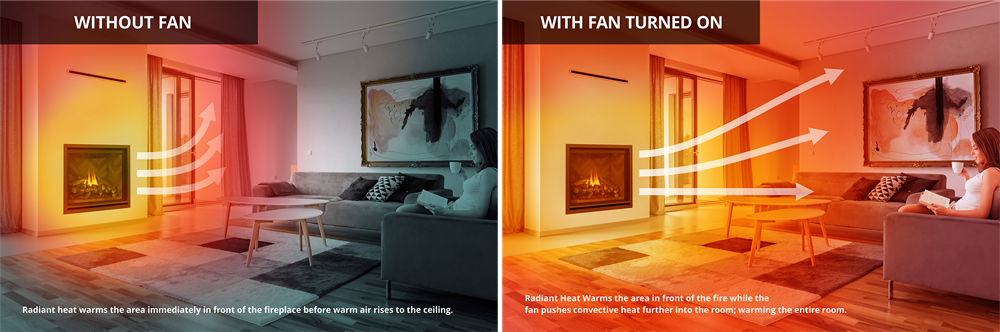
Fans and blowers push warm air from the fireplace into the room. They move heat away from the fireplace quickly. This helps the warm air spread out instead of staying near the fireplace. Some fireplaces come with built-in blowers. You can also buy small fans to place nearby. These devices use little electricity and improve heat flow a lot.
Adding Heat Exchangers
Heat exchangers collect heat from the fireplace’s hot air. They transfer the warmth to cooler air in the room. This process helps spread heat without wasting fuel. Heat exchangers often use metal fins or tubes. These parts absorb heat and release it slowly. Adding one can raise your room’s temperature by several degrees. It also keeps the air warm longer after the fire is low.
Adjust Flame Settings
Adjusting the flame settings on your gas fireplace can increase the heat it produces. Small changes to the flame size and intensity can make a big difference. Understanding how to adjust these settings safely and effectively helps you get the most warmth.
Maximizing Flame Output
Start by locating the control knob or switch for the flame. Turn it slowly to increase the flame size. A larger flame gives off more heat. Watch the flame to keep it steady and bright. Avoid making the flame too high, as it can waste gas and cause damage. Keep the flame blue at the base with yellow tips for best heat output.
Safe Adjustment Practices
Always turn off the fireplace before making adjustments. Use gloves if the controls feel hot. Never force the knob or switch. Check the user manual for specific instructions. Ensure the area around the fireplace is clear of flammable items. If you smell gas or see a strange flame color, stop and call a professional. Safety comes first when adjusting flame settings.
Seal And Insulate Surroundings
Sealing and insulating the area around your gas fireplace helps keep heat inside the room. It stops cold air from sneaking in and warm air from escaping. This simple step improves heating and makes your fireplace more efficient.
Preventing Drafts
Check for gaps or cracks near the fireplace. Use weather-stripping or caulk to close these openings. Stopping drafts keeps cold air out and warm air in. This makes your room feel warmer without extra fuel.
Insulating Fireplace Walls
Adding insulation to the walls around your fireplace keeps heat inside the room. Use fire-resistant insulation materials made for fireplaces. This helps the fireplace work better and keeps your home cozy during cold days.
Use Fireplace Accessories
Using the right fireplace accessories can increase the heat from your gas fireplace. Accessories help direct and retain heat, making your room warmer. They also improve the fireplace’s efficiency. Simple additions can make a big difference in comfort and warmth.
Reflective Panels
Reflective panels sit behind the gas fireplace flames. They bounce heat back into the room instead of letting it escape. These panels are made of materials like polished metal or glass. They help spread warmth evenly and quickly. Installing reflective panels is easy and cost-effective. This small change boosts heat output without extra fuel use.
Heat-absorbing Materials
Heat-absorbing materials capture and store heat from the fireplace. Common choices include firebrick and ceramic tiles. These materials absorb warmth and release it slowly over time. This process keeps your room warm even after the fire is low. Adding heat-absorbing materials around the fireplace improves heat retention. They also protect walls from heat damage.
Credit: www.regency-fire.com
Consider Alternative Fuel Options
Choosing the right fuel can change how much heat your gas fireplace gives. Different fuels burn at different rates and temperatures. This affects how warm your room feels. Some fuels burn cleaner and give off more heat. Changing your fuel type can improve heat output and save energy. Below are some options to think about.
Propane Vs. Natural Gas
Propane burns hotter than natural gas. It gives more heat for the same amount of fuel. It also produces a brighter flame that many find appealing. Natural gas is usually cheaper and easier to find in cities. Propane is stored in tanks, so it works well in areas without gas lines. Both fuels are clean burning but differ in heat output. Choosing propane can raise the warmth from your fireplace.
Additives For Better Combustion
Additives can help your fuel burn more completely. They reduce soot and increase heat efficiency. These products mix with your gas and improve flame quality. Cleaner burning means less smoke and more heat in your room. Some additives are designed for natural gas, others for propane. Using additives can extend your fireplace’s life and cut costs. Always check compatibility before adding anything to your fuel.

Credit: www.youtube.com
Frequently Asked Questions
How Can I Increase Heat Output From My Gas Fireplace?
Clean the glass and vents regularly. Check the pilot light and adjust the flame for better heat.
Does A Fireplace Blower Improve Heat Circulation?
Yes, a blower moves warm air into the room, making the heat spread faster and more evenly.
What’s The Best Way To Maintain A Gas Fireplace?
Regularly clean the glass, inspect the pilot light, and service the unit yearly for peak performance.
Can Using A Fireplace Fan Save Energy?
Using a fan helps move warm air, reducing the need to turn up your thermostat.
How Does A Fireplace Thermostat Control Room Temperature?
A thermostat adjusts the gas flow to keep the room at a steady, comfortable temperature.
Should I Keep My Fireplace Doors Open Or Closed?
Keeping doors closed helps the fireplace work better and keeps more heat inside your room.
Conclusion
Getting more heat from your gas fireplace is simple with the right steps. Clean your fireplace regularly to keep it efficient. Adjust the flame and check vents to improve warmth. Use a fireplace fan to spread heat better. Always follow safety rules when handling gas appliances.
Small changes make a big difference in comfort. Enjoy a warmer home without extra cost or effort. Keep these tips in mind to stay cozy all winter. Your gas fireplace can heat your space well and safely.