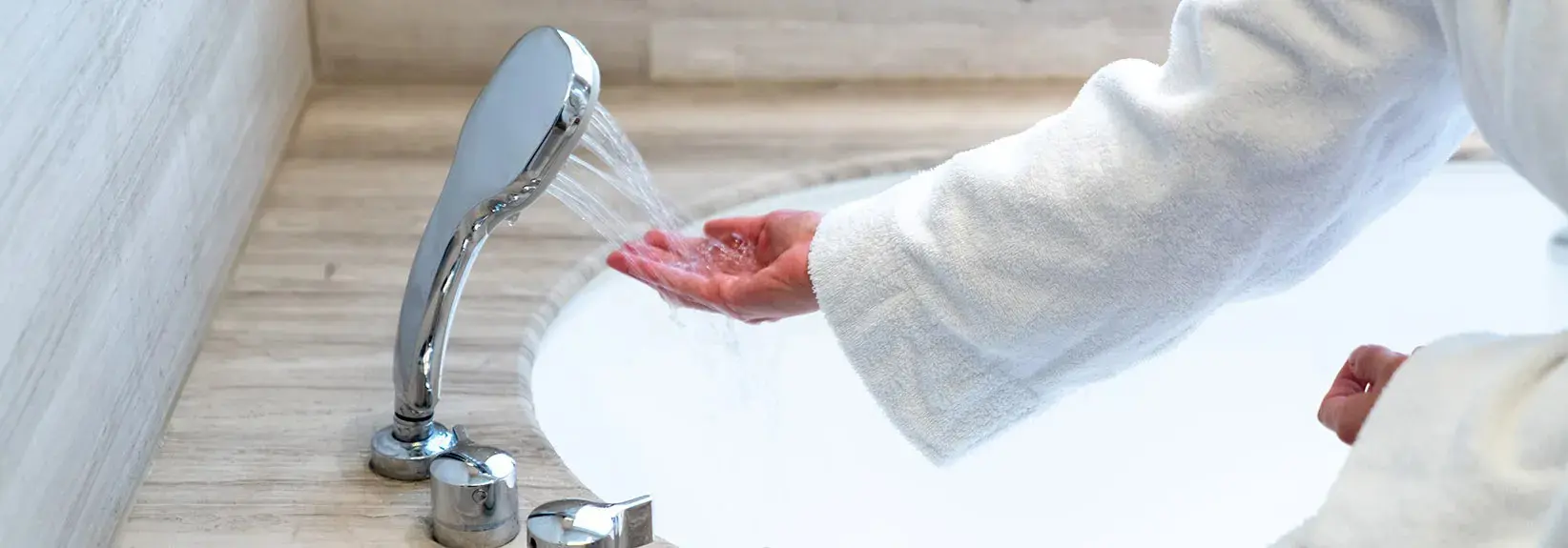
When you invest in an electric tankless water heater, you expect endless hot water on demand. But what if you’re getting hot water for a few seconds, then it quickly turns cold? This frustrating problem ruins showers, interrupts washing dishes, and leaves you wondering if your heater is broken. The truth is, this “hot-then-cold” issue is common—but it’s also fixable. Understanding why it happens helps you solve it faster and avoid bigger problems down the road.
This guide explains every possible reason your electric tankless water heater gets hot then cold. You’ll learn how these heaters work, what causes temperature swings, and how to troubleshoot and fix them. You’ll also find expert tips, real examples, and advice for when to call a professional.
If you want steady, reliable hot water, read on.
How Electric Tankless Water Heaters Work
Before solving the problem, it’s important to understand how these heaters function. Unlike traditional water heaters with a tank, electric tankless water heaters heat water only when you need it. When you turn on the hot water tap, cold water flows through the unit. Electric heating elements inside the unit quickly raise the water temperature as it passes through. The hot water then travels straight to your faucet or shower.
Because there’s no tank, you don’t run out of hot water—at least in theory. But if something goes wrong, the water can become hot for a moment, then suddenly cold. Knowing the basics of how your heater works will help as you start troubleshooting.
Key Components Of An Electric Tankless Water Heater
- Heating elements: Coils or rods that get hot when electricity flows through them.
- Flow sensor: Detects when water is moving through the unit and tells the heater to turn on.
- Thermostat: Measures water temperature and controls how much heat is added.
- Control board: The “brain” that manages all the heater’s functions.
If any of these parts malfunction or are affected by outside factors, you may notice the “hot-then-cold” issue.
Common Causes: Why Your Electric Tankless Water Heater Gets Hot Then Cold
Several things can cause your water heater to give hot water, then quickly turn cold. Here are the most common reasons, explained simply:
1. Low Water Flow Rate
Electric tankless water heaters need a minimum flow rate to work correctly. If the water flow is too low, the heater might not stay on. For example, if you barely open the faucet, the flow sensor may not detect enough water. The heater will shut off, sending cold water instead.
Non-obvious Insight:
Many people don’t realize that small leaks or slightly clogged aerators (the mesh at the end of your faucet) can drop the flow rate just enough to trigger this problem.
2. Overloaded Demand
These heaters have a maximum capacity, measured in gallons per minute (GPM). If you run too many taps or showers at once, the heater can’t keep up. It may cycle between hot and cold as it tries to supply enough hot water everywhere.
Real Example:
Imagine someone doing laundry while another person takes a shower. If both appliances need hot water at the same time, the heater splits its power and you may feel a sudden drop in temperature.
3. Incorrect Temperature Setting
If your thermostat is set too high, the heater may overheat and shut off as a safety measure. When this happens, the water turns cold until the unit resets.
Data Point:
Most manufacturers recommend setting your tankless heater to 120°F (49°C) for safety and efficiency.
4. Electrical Issues
Tankless water heaters need a strong, steady supply of electricity. Loose wires, tripped circuit breakers, or faulty connections can cause the unit to turn off and on unexpectedly. Each time the unit resets, you get a burst of cold water.
5. Mineral Buildup And Limescale
Over time, minerals in hard water can build up inside the heater. This limescale coats the heating elements, making them less efficient. The result: slow heating, temperature swings, or the unit shutting down to protect itself.
Non-obvious Insight:
Even if you don’t see white stains around faucets, your heater can still have internal scale buildup. This is especially true in areas with hard water.
6. Blocked Or Dirty Inlet Filter
Tankless heaters have a small filter where the cold water enters the unit. If this filter gets clogged with debris or sediment, water flow drops. The heater may turn off or give only short bursts of hot water.
7. Faulty Flow Sensor
If the flow sensor isn’t working correctly, it might send the wrong signals to the heater. For example, it may think there’s no water flow and shut off, even when the tap is open. This leads to repeated hot-cold cycles.
8. Malfunctioning Thermostat Or Control Board
If the thermostat or control board is failing, the heater might not regulate temperature correctly. It could overheat, shut down, or fail to maintain a steady temperature.
9. Cold Water Sandwich Effect
This is a quirk of tankless systems. When you turn off the hot water, some heated water remains in the pipes. The next time you turn on the tap, you get a short burst of hot water, followed by a cold surge, then hot water again as the heater catches up.
Practical Tip:
This effect is normal for short periods, but if it happens constantly, your heater may have other issues.
10. Sizing Problems
If your heater is too small for your home’s needs, it will struggle to keep up. The result: frequent temperature swings, especially when multiple outlets are used.
Real-world Example:
A small 3 GPM unit may be fine for one shower, but not for a family using two showers and a dishwasher at the same time.
Troubleshooting Steps: Fixing The Hot-then-cold Problem
Let’s walk through how you can diagnose and fix this issue yourself, step by step.
Step 1: Check Multiple Outlets
Test your hot water at different sinks and showers. Does the problem happen everywhere or just in one place? If it’s only one faucet, the issue may be with the faucet’s aerator or valve.
Step 2: Inspect Water Flow
Fully open the hot water tap. Does the water stay hot, or does it turn cold quickly? Try increasing flow by turning on another hot tap. If the heater works with higher flow, your problem is likely a low flow rate or blocked filter.
Step 3: Clean Faucet Aerators And Showerheads
Unscrew the aerator from your faucet and check for debris or buildup. Clean it with vinegar and a brush. Do the same for showerheads. Even a small blockage can reduce flow enough to affect the heater.
Step 4: Examine The Inlet Filter
Most electric tankless water heaters have a filter where the main cold water pipe enters the unit. Turn off power and water to the unit, remove the filter, and rinse out any dirt or sediment.
Step 5: Check For Simultaneous Usage
Pay attention to when the issue happens. Are you running the dishwasher or washing machine at the same time as the shower? If so, your heater may be overloaded. Try using only one hot water outlet at a time to test if the problem disappears.
Step 6: Inspect Electrical Connections
Turn off power at the breaker before opening the unit. Look for any loose wires, burnt connectors, or tripped breakers. If you see damage, call a licensed electrician.
Step 7: Adjust The Temperature Setting
Find the temperature control on your unit. Set it to 120°F (49°C). Higher temperatures may trip the safety system, causing cold water until it resets.
Step 8: Descale The Heater
If you live in a hard water area or your heater is more than a year old, flush it with a descaling solution. This removes mineral buildup. Most manufacturers recommend doing this every 6-12 months.
Example Of Descaling Procedure:
- Turn off power and water to the heater.
- Attach hoses to the inlet and outlet.
- Use a pump to circulate vinegar or a commercial descaling solution through the unit for 45-60 minutes.
- Rinse with clean water before turning power back on.
Step 9: Test The Flow Sensor
If you have checked everything else, the flow sensor may be faulty. This is not easy to diagnose without tools, so consider calling a professional.
Step 10: Evaluate The Heater’s Size
Check your model’s specifications for maximum GPM. Compare with the number of devices you run at the same time. If your heater is undersized, you may need to upgrade.
Comparing Key Factors: Electric Vs. Gas Tankless Water Heaters
To understand your electric tankless heater’s behavior, it helps to compare it with gas models. Here’s a quick look at the main differences:
| Feature | Electric Tankless | Gas Tankless |
|---|---|---|
| Startup Delay | Short (1-2 seconds) | Short (1-2 seconds) |
| Flow Rate (GPM) | Lower (2-5 GPM typical) | Higher (5-10 GPM typical) |
| Installation Complexity | Simple (no venting needed) | Needs venting, more complex |
| Impact of Hard Water | More sensitive | Less sensitive |
| Power Outage Operation | Stops working | May work (with battery ignition) |
Preventing Hot-then-cold Problems: Maintenance And Best Practices
You can prevent most temperature swing problems with regular maintenance and smart usage. Here’s how:
1. Clean Inlet Filters Every 6 Months
Check and clean the water inlet filter. This is especially important if you notice reduced water flow or have older pipes.
2. Descale Annually
Flush your heater with vinegar or a descaling solution once a year, or more often if you have hard water.
3. Don’t Overload The Heater
Know your unit’s maximum GPM. Don’t run more hot water taps than your heater can handle at one time.
4. Inspect Electrical Connections
Check wiring and circuit breakers yearly to make sure the unit is getting enough power. Faulty wiring can cause intermittent heating.
5. Set A Safe Temperature
Keep the thermostat at or below 120°F. Higher temperatures increase the risk of overheating and scalding.
6. Use Water Softeners If Needed
If your water is hard, install a softener upstream of the heater. This reduces limescale and keeps the heater efficient.
7. Monitor For Warning Signs
If you hear clicking, popping, or see error codes, check your manual or call a pro.
Real-life Examples And Case Studies
Let’s look at actual situations where homeowners faced the hot-then-cold issue and what they learned.
Case 1: The Mystery Clog
A homeowner in Phoenix noticed her tankless heater was hot for 10 seconds, then cold. She cleaned the showerhead but the problem remained. Finally, she checked the inlet filter inside the heater and found it half-blocked with sediment. After cleaning, the problem disappeared.
Case 2: The Overloaded Apartment
A family in New York installed a small electric tankless heater for a two-bathroom apartment. When both showers ran at the same time, the water kept turning cold. After checking the specs, they realized their unit was only rated for one shower at a time.
Upgrading to a larger unit fixed the problem.
Case 3: Hard Water Headaches
In Las Vegas, a couple noticed temperature swings after one year of use. Their plumber found the heating elements coated with limescale. After descaling, the heater returned to normal. They later installed a water softener to prevent future buildup.
Case 4: Electrical Gremlins
A homeowner in Texas had intermittent hot water. After testing, she found a loose wire at the breaker panel. A licensed electrician fixed the connection, and the heater worked perfectly.
Case 5: Thermostat Trouble
A user in Seattle set their heater to 140°F. The unit kept shutting off, causing cold water bursts. Lowering the temperature to 120°F solved the problem.

Credit: www.ebay.com
When To Call A Professional
While many tankless water heater issues are easy to fix, some require expert help. Call a licensed plumber or electrician if:
- You smell burning plastic or see scorch marks.
- The unit trips the breaker repeatedly.
- You see error codes you can’t clear.
- Water leaks from the unit.
- Replacing parts or opening the control board is necessary.
Working on electrical appliances can be dangerous. If you’re not sure, always call a pro.
Choosing The Right Electric Tankless Water Heater
If your current heater is undersized or unreliable, you may need to upgrade. Here’s what to consider:
| Factor | What Matters | Common Mistakes |
|---|---|---|
| Flow Rate (GPM) | Should match your peak hot water use | Choosing too small a unit |
| Power Supply | Check if your home’s wiring can support it | Ignoring electrical panel limits |
| Water Hardness | Choose units that handle hard water, or add a softener | Skipping water treatment in hard water areas |
| Temperature Rise | Ability to heat water from winter cold to desired temp | Ignoring incoming water temperature |
Pro Tip:
Calculate your peak hot water needs by adding up the GPM of all devices you might use at once (shower, dishwasher, etc. ). Make sure your heater can meet this demand.
Credit: www.serviceexperts.com
Common Misconceptions About Tankless Water Heaters
Many users expect tankless heaters to behave like tank models. Here are a few common myths, and the reality:
- Myth: “Tankless heaters give instant hot water.”
- Reality: There’s a 1-2 second delay as water passes through the unit.
- Myth: “I’ll never run out of hot water.”
- Reality: You can run out if you exceed the unit’s maximum flow rate.
- Myth: “Maintenance isn’t necessary.”
- Reality: Limescale and sediment affect performance and lifespan.
Understanding these facts helps set realistic expectations and avoid frustration.
Important Safety Tips
When working with electric tankless water heaters, always:
- Turn off power at the breaker before opening the unit.
- Use insulated tools.
- Avoid working with wet hands or in damp areas.
- Follow the manufacturer’s instructions.
- Call a professional if you’re unsure about any step.
The Role Of Water Quality
Water quality has a big impact on your heater’s performance. Hard water, high in minerals, causes scale buildup. Even average water can carry sediment that blocks filters and sensors. Test your water hardness and consider installing a softener or filter if needed.
Example:
If your water has more than 7 grains per gallon of hardness, you should descale your heater twice a year and use a softener.
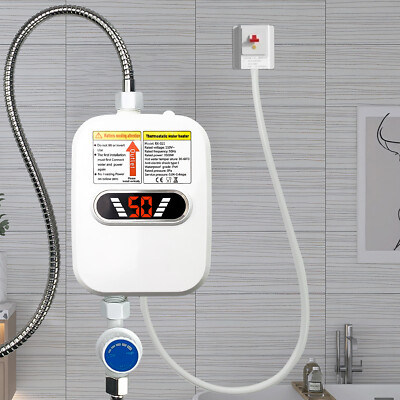
Error Codes: What They Mean
Modern electric tankless heaters display error codes for common problems. Check your user manual for the exact meaning, but here are a few examples:
- E1 or E2: Flow sensor issue
- E3: Overheating
- E4: Thermostat or sensor failure
- E5: Power supply problem
If you see an error code, refer to your manual or look up the code on the manufacturer’s website.
Credit: www.ebay.com
Environmental And Cost Benefits
Many people choose tankless heaters because they’re energy efficient. Unlike tank heaters, they don’t keep a whole tank of water hot all day. This means you can save on electricity bills and reduce your carbon footprint.
According to the U.S. Department of Energy, tankless water heaters can be 24-34% more energy efficient for homes that use 41 gallons or less of hot water daily. For more details, see the U.S. Department of Energy.
Frequently Asked Questions
Why Does My Electric Tankless Water Heater Keep Turning Cold After A Few Seconds?
This usually happens if your water flow is too low, the inlet filter is clogged, or the unit is overloaded. Check for blocked aerators, clean filters, and avoid running too many hot water devices at once.
How Often Should I Descale My Tankless Water Heater?
It depends on your water hardness. If you have hard water, descale every 6-12 months. In soft water areas, once a year is usually enough.
Can I Fix A Faulty Flow Sensor Myself?
It’s possible, but not recommended unless you have experience with electrical appliances. The flow sensor is a sensitive part. Call a licensed technician for safe repairs.
Will A Water Softener Help My Electric Tankless Water Heater?
Yes. A water softener reduces mineral buildup, helping your heater run efficiently and last longer.
What Size Electric Tankless Water Heater Do I Need?
Calculate your total hot water needs in gallons per minute (GPM) during peak usage. Choose a heater rated for that flow, and make sure your home’s electrical system can handle it.
Your electric tankless water heater should provide steady, reliable hot water. If you experience the hot-then-cold problem, you now have the tools and knowledge to fix it—and to keep your hot water flowing for years to come.