
How Many Watts Does A Gas Water Heater Use
If you are trying to cut energy bills or simply want to understand your home’s power consumption, you may wonder: How many watts does a gas water heater use? Many homeowners believe that only electric water heaters use electricity, but gas models also need power for certain components. The truth is, even if your water heater uses natural gas or propane to heat water, it still requires some electricity to operate. This detail often surprises people, leading to confusion when calculating total home energy use.
Understanding the wattage of a gas water heater is important for several reasons. It can help you plan for backup power during outages, size a generator, or assess your home’s total energy draw. This guide covers everything you need to know, from how gas water heaters work, to detailed wattage numbers, comparisons with electric models, and real-life tips for saving energy. You will find clear explanations, helpful tables, and practical advice—so you’ll walk away confident about your water heater’s power needs.
How Does A Gas Water Heater Use Electricity?
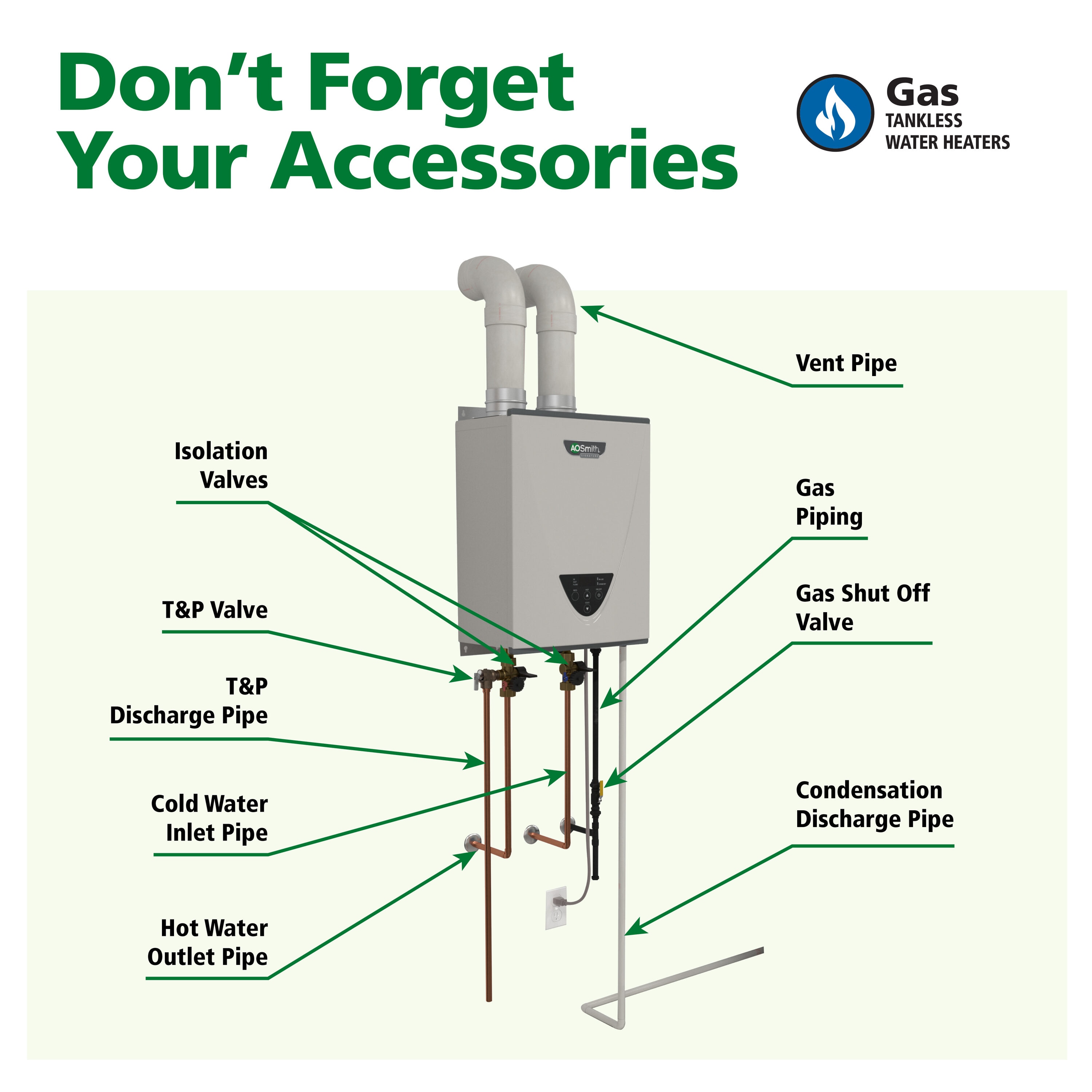
Many people think that gas water heaters are “off the grid” because their main fuel is natural gas or propane. However, they still need electricity for certain functions. The main areas where a gas water heater uses power include:
- Ignition system – Modern units use electric igniters or electronic controls instead of pilot lights.
- Control board – Digital thermostats and safety systems use low-voltage electricity.
- Blower fan – Some high-efficiency or power-vented models use fans to expel exhaust gases.
- Sensors and valves – Safety sensors and automatic valves often need electrical power.
Older gas water heaters with standing pilot lights may use almost no electricity, but most units sold in the last 15 years require some electrical input. This is especially true for units with electronic ignition or advanced safety features.
Typical Wattage Consumption Of A Gas Water Heater
So, how many watts does a gas water heater use in practice? It depends on the model, age, and features. Let’s break down common usage scenarios.
Standard Gas Water Heaters (no Power Vent)
Most basic gas water heaters use electricity only for controls and ignition. The average wattage is very low:
- Ignition system: 5 to 20 watts (only during startup, not continuous)
- Control board: 3 to 8 watts (runs continuously)
So, the total wattage for a standard gas water heater is usually less than 15 watts during normal operation. This is about the same as running a nightlight or digital clock.
Power-vented And High-efficiency Models
Units with a blower fan (power-vented or high-efficiency condensing water heaters) draw more power:
- Blower fan: 50 to 120 watts (runs during heating cycles)
- Ignition and controls: 5 to 20 watts
Total wattage for these models often reaches 60–130 watts while heating water. However, the fan only operates during the heating cycle, not 24/7.
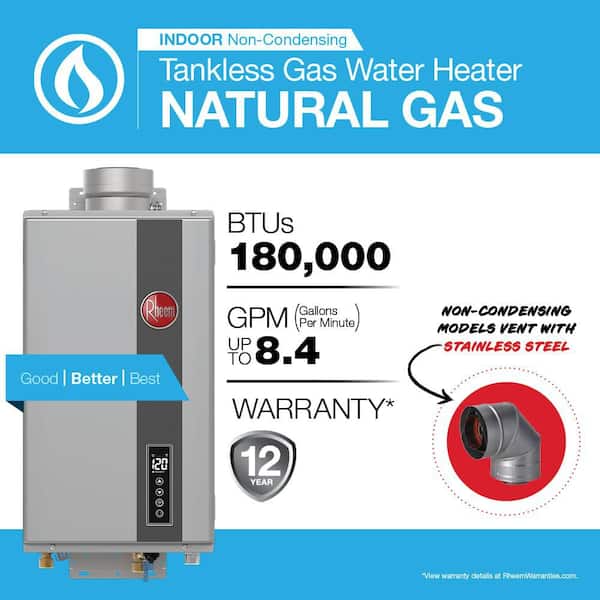
Tankless Gas Water Heaters
Tankless (on-demand) gas water heaters have similar components, but the fan and controls may draw power for longer periods, depending on usage.
- Blower fan: 50 to 90 watts
- Electronic ignition and sensors: 10 to 25 watts
The average wattage during operation is typically 60–110 watts. When idle, the unit draws less than 10 watts.
Data Comparison Table
To summarize common wattage ranges:
| Type of Gas Water Heater | Wattage During Operation | Wattage When Idle |
|---|---|---|
| Standard (No Fan) | 5–20 W | 3–8 W |
| Power-Vented | 60–130 W | 3–8 W |
| Tankless Gas | 60–110 W | 5–10 W |
Key insight: Even the most advanced gas models use far less electricity than electric water heaters, which can draw 3,000 to 4,500 watts during heating cycles.
Why Do Gas Water Heaters Use Electricity?
It’s easy to overlook the small electrical needs of gas heaters, but these functions are vital for safe and efficient operation.
- Electronic ignition is now standard to save gas (no standing pilot light).
- Control boards regulate water temperature and monitor safety.
- Blower fans improve venting and efficiency, especially in newer homes with sealed combustion systems.
If your home loses power, most modern gas water heaters will not function even if you have gas service, because the control board and ignition need electricity.
Comparing Gas And Electric Water Heater Wattage
A big reason people ask about gas water heater wattage is to compare them with electric models, especially for backup power planning.
Electric Water Heater Wattage
Most electric water heaters use:
- 3,000 to 4,500 watts (3–4.5 kW) during heating cycles
- Nearly zero watts when not heating
This is over 100 times more electricity than a gas model’s control board or fan.
Side-by-side Comparison
| Heater Type | Wattage During Heating | Primary Energy Source |
|---|---|---|
| Gas (Standard) | 5–20 W | Natural Gas/Propane |
| Gas (Power-Vented) | 60–130 W | Natural Gas/Propane |
| Electric (Tank) | 3,000–4,500 W | Electricity |
| Electric (Tankless) | 12,000–36,000 W | Electricity |
Practical takeaway: If you’re planning to use a generator during outages, a gas water heater is much easier to run than an electric one. You only need to supply enough power for the controls and fan—not the heating element.
How To Measure Your Gas Water Heater’s Wattage
If you want to know the exact wattage your own water heater uses, follow these steps:
- Check the product label: Look for a sticker on the side or inside the access panel. It may list electrical specs in watts, amps, or volts.
- Review the user manual: Most manuals list the maximum power draw for ignition, controls, and blowers.
- Use a watt meter: Plug a watt meter into the outlet where the water heater is connected. This shows real-time power use.
- Contact the manufacturer: If you can’t find details, call customer service with your model number.
Extra tip: Some units list amperage (A) rather than watts. You can calculate watts using the formula:
Watts = Volts x Amps
For example, if your blower fan draws 1 amp at 120 volts:
1 X 120 = 120 Watts
Factors Affecting Wattage Usage
Although the numbers above give you a typical range, wattage use can vary based on:
- Model year: Newer models with more electronics may use more power.
- Presence of a fan: Power-vented units use more electricity.
- Amount of hot water used: More heating cycles = more fan runtime.
- Climate and water temperature: Colder climates may cause more frequent heating cycles.
- Standby mode: Some units draw a small “phantom load” even when not heating.
Non-obvious insight: Even if your gas water heater runs on a backup battery or small generator, check the startup wattage. Some blowers or igniters have a higher “surge” wattage during startup.
Credit: www.lumat.sk
How Much Electricity Does A Gas Water Heater Use Per Month?
Let’s estimate monthly electricity use for a typical gas water heater. Suppose you have a power-vented model that uses 90 watts during heating cycles. If your water heater runs for 2 hours per day (not continuous), the monthly consumption is:
- 90 watts x 2 hours/day = 180 watt-hours/day
- 180 watt-hours x 30 days = 5,400 watt-hours/month (or 5.4 kWh/month)
For a standard model without a fan, it may be as low as 2–3 kWh per month. In cost terms, if your electricity rate is $0.15 per kWh:
- 5.4 kWh x $0.15 = $0.81 per month
This is a tiny portion of your energy bill. The major cost of a gas water heater comes from the gas itself—not the electricity.
Gas Water Heater Wattage And Backup Power
Many homeowners want to know the wattage to decide if their gas water heater can run on a generator or battery backup. Here’s what you need to know:
- Standard gas water heaters (no fan): Most small generators (even 500W) or battery inverters can run them, since they only use 5–20 watts.
- Power-vented and tankless models: Need 60–130 watts. Make sure your backup source can handle startup surges.
Pro tip: Always check your specific unit’s surge wattage, not just running wattage. If the blower fan or igniter draws extra power at startup, your generator or inverter must be rated for that peak.
Credit: stogagirlssoccer.com
Common Myths And Mistakes About Gas Water Heater Wattage
When people start researching, they often come across incorrect or confusing information. Here are some common myths:
- Myth: Gas water heaters use no electricity.
- Reality: Most modern units need power for ignition, controls, or fans.
- Myth: All gas heaters work during power outages.
- Reality: Only older models with standing pilot lights work without electricity.
- Myth: Wattage is the same for all gas water heaters.
- Reality: Power-vented, tankless, and condensing models can use 10x more power than basic models.
- Myth: You can run any water heater on a small battery.
- Reality: High-efficiency models may overload small inverters, especially during startup.
Non-obvious insight: Even if your water heater is gas, the small control circuit may be on the same breaker as other appliances. A tripped breaker can shut down your hot water unexpectedly.
Energy Saving Tips For Gas Water Heaters
While the electrical use of a gas water heater is small, you can still save energy and money by:
- Lowering the thermostat to 120°F (safe and efficient)
- Insulating hot water pipes to reduce heat loss
- Installing a water heater blanket (for older tanks)
- Fixing leaks quickly—even a small hot water leak wastes energy
- Scheduling regular maintenance to keep the system efficient
Remember, most savings will come from reducing gas use, not electricity.

Credit: www.youtube.com
When Should You Be Concerned About Wattage?
For most homeowners, the electrical wattage of a gas water heater is not a big concern. However, you should pay attention if:
- You are using backup power (generator, battery, solar inverter)
- You want to reduce your home’s “phantom load”
- You have an older home with limited electrical circuits
- You’re planning a new installation and need to size wiring and breakers
For everyone else, the gas bill matters much more than the electricity used by your water heater.
Environmental Impact Of Gas Water Heater Electricity Use
Some people wonder about the environmental impact of their water heater’s electric use. The good news is that the electricity usage is very low compared to other appliances. For context:
- Running a power-vented gas water heater for a month uses about as much electricity as a desktop computer running for one day.
- The carbon footprint of the gas burned for hot water is far greater than the electricity used for controls or fans.
If you want to reduce your overall impact, focus on hot water conservation—such as using low-flow fixtures or washing clothes in cold water.
Key Differences In Installation: Electrical Needs
If you are installing a new gas water heater, understanding the electrical requirements is important for safety and code compliance.
- Basic gas water heaters often use a standard 120V outlet.
- Power-vented or tankless models may need a dedicated circuit, especially if the blower is 1 amp or higher.
- Outdoor units or those in garages may need weatherproof outlets.
Tip: Always have a licensed electrician check or install wiring for your water heater. Overloading a circuit or using undersized wiring can be a fire hazard.
Examples Of Real-world Gas Water Heater Wattage
Let’s look at the actual wattage specs for some popular brands:
- Rheem Power Vent Gas Water Heater: Blower draws 0.7 amps at 120V (~84 watts)
- AO Smith Atmospheric Gas Heater: Control board uses less than 10 watts
- Rinnai Tankless Gas Water Heater: Max draw 85 watts (fan, ignition, and controls)
- Bradford White Defender Safety System: Control board and sensors use 7–12 watts
These numbers show that even high-tech units rarely use more than 100 watts during operation.
Gas Water Heater Wattage And Home Energy Audits
If you are having a home energy audit, the inspector may ask about your water heater’s energy use. Here’s what you should mention:
- Gas water heaters use far less electricity than electric models.
- The main energy use comes from gas consumption, not electricity.
- If you have a power-vented or tankless model, mention the fan wattage.
Extra tip: If you want to track your usage, ask your energy auditor to check for “phantom loads” or recommend a smart plug to monitor the water heater’s real usage over time.
Troubleshooting High Electricity Bills: Could Your Gas Water Heater Be The Cause?
If your electricity bill suddenly increases, it is almost never due to your gas water heater. These units use such a small amount of power that even a malfunction would not cause a huge spike. However, there are rare cases:
- Blower or fan stuck on: If the blower runs 24/7 due to a control failure, it could use up to 3 kWh per day.
- Short circuit in the control board: May cause higher than normal draw, but usually triggers a safety shutdown.
If you suspect your water heater is to blame, check if the blower or fan is running constantly, or use a watt meter to check consumption.
Do All Gas Water Heaters Need An Electrical Connection?
Not all gas water heaters need to be plugged in. Here’s when an electrical connection is required:
- Electronic ignition (no standing pilot): Needs power for startup.
- Power-vented or direct-vent: Needs power for the fan.
- Advanced safety systems: May need a continuous power supply.
Older units with a standing pilot may work during a power outage, but are less energy efficient.
What To Consider When Choosing A Gas Water Heater Based On Wattage
If you are shopping for a new gas water heater and concerned about electrical usage, consider:
- Standard atmospheric models: Use the least electricity, but may not meet venting codes in newer homes.
- Power-vented and tankless models: Use more electricity, but are often required for safety and efficiency.
- Battery backup options: Some tankless models have battery ignition for off-grid use.
Common mistake: Choosing a unit with a blower but not planning for backup power during outages.
Is It Worth Switching To A Non-powered Gas Water Heater?
Some people want to avoid any electrical use by installing a standing pilot gas water heater. While this may work in some cases, consider:
- Standing pilot units are less efficient (they burn gas 24/7).
- Most building codes now require electronic ignition for safety and efficiency.
- Power-vented models are safer in airtight homes.
For most, the small amount of electricity used by modern gas water heaters is a worthwhile tradeoff for safety and efficiency.
How To Prepare For Power Outages
If you live in an area with frequent outages and want to keep hot water available:
- Consider a battery backup for the control board or fan.
- Have a small generator capable of at least 150 watts of clean power.
- Keep the user manual handy to check electrical specs during an outage.
If your model needs electricity for ignition or venting, it won’t work without power—even if you have plenty of gas.
Comparing Gas Water Heater Wattage To Other Appliances
To put things in context, here’s how gas water heater wattage compares to common household items:
| Appliance | Average Wattage |
|---|---|
| Gas Water Heater (Standard) | 5–20 W |
| Gas Water Heater (Power-Vented) | 60–130 W |
| LED Light Bulb | 10–15 W |
| Refrigerator | 100–800 W |
| Microwave | 800–1,200 W |
| Electric Water Heater | 3,000–4,500 W |
As you can see, even the most advanced gas water heaters use less power than a refrigerator or microwave.
Frequently Asked Questions
How Many Watts Does A Typical Gas Water Heater Use?
Most gas water heaters use 5–20 watts for controls and ignition. Power-vented or tankless models may use 60–130 watts during heating cycles due to the blower fan. The exact wattage depends on the model and features.
Can A Gas Water Heater Run Without Electricity?
Modern gas water heaters with electronic ignition or power venting will not work without electricity. Older models with a standing pilot can operate during a power outage, but these are less common in new homes.
Is It Safe To Run A Gas Water Heater On A Generator?
Yes, most gas water heaters can be safely powered by a generator, as their wattage is low. Make sure the generator supplies clean, stable power (at least 150 watts for blower models) and follow all safety guidelines.
Does The Electricity Used By A Gas Water Heater Increase My Bill A Lot?
No, the electricity used is very low—usually less than $1 per month even for power-vented models. The major cost comes from the gas, not the electricity.
Where Can I Find The Exact Wattage For My Gas Water Heater?
Check the product label on the unit, review the user manual, or use a watt meter. You can also contact the manufacturer or visit a trusted resource like the U.S. Department of Energy for more details.
The next time someone asks, “How many watts does a gas water heater use?” you will have a clear, confident answer. With a basic understanding of your model and its features, you can plan for backup power, understand your total home energy use, and avoid common mistakes that trip up new homeowners. Knowing these details helps you stay comfortable, safe, and efficient—without any surprises on your energy bill.