A tankless water heater promises endless hot water and better energy savings. But what happens when your tankless water heater keeps going cold? This can be frustrating, especially during a shower or when you’re doing dishes. Many homeowners expect these units to deliver reliable hot water at any time, but that’s not always the case. If you’re dealing with this issue, you’re not alone. Many users face similar problems, and the solutions aren’t always obvious.
This article explains why your tankless water heater may run cold, how to diagnose the real cause, and what you can do to fix it. We’ll cover the most common reasons, share expert tips, and help you avoid mistakes that could make things worse.
Whether you’re a DIY enthusiast or just want to understand the basics, you’ll find practical advice and clear explanations here. By the end, you’ll know how to keep your tankless water heater running smoothly and your showers comfortably warm.
How A Tankless Water Heater Works
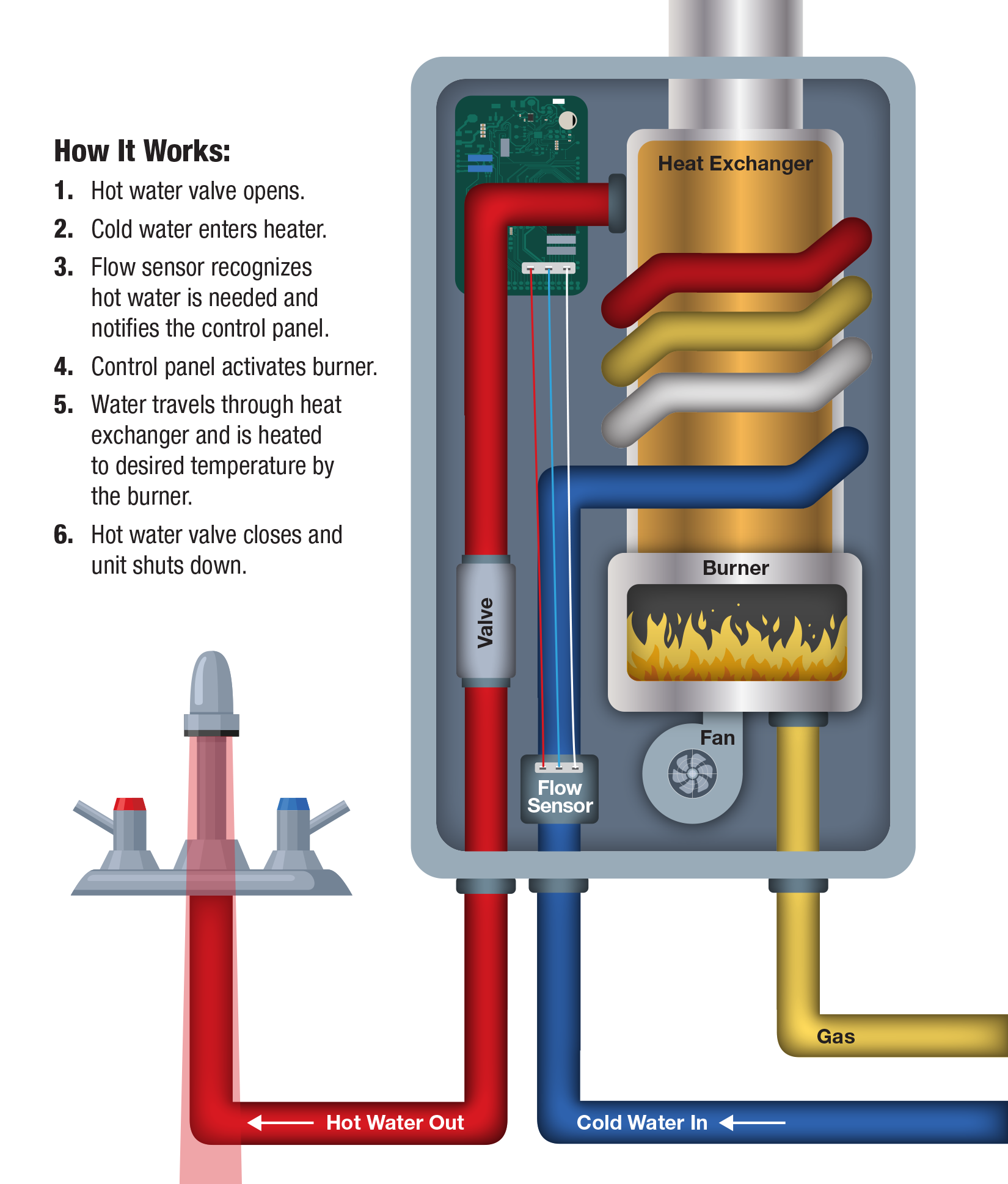
Before troubleshooting, it helps to know how a tankless water heater operates. Unlike traditional water heaters, these systems do not store hot water. Instead, they heat water directly as it passes through the unit. When you turn on a hot water tap, cold water travels into the heater, where gas burners or electric elements quickly warm it up.
This process means hot water is available on demand, but also relies on several sensors, valves, and a steady water flow. If any part of the system fails, it can cause your hot water to turn cold suddenly.
Common Reasons Your Tankless Water Heater Keeps Going Cold
There are several reasons why a tankless water heater may not deliver continuous hot water. Some are easy to fix, while others may require professional help. Let’s break down the most frequent causes.
1. Insufficient Flow Rate
Tankless heaters need a minimum water flow rate to activate the heating element. If the flow is too low, the unit may shut off or fail to heat the water.
Common causes of low flow:
- Partially closed water valves
- Clogged aerators in faucets or showerheads
- Blocked filters or screens in the heater
- Low pressure from the water supply
If your heater goes cold when you only open the tap a little, it could be a flow rate issue.
Practical Tip: Clean faucet aerators and check that all water valves are fully open. If you have low water pressure throughout your home, contact your local water supplier.
2. Overloaded System (too Many Fixtures Running)
Tankless units have a maximum flow rate—the total amount of hot water they can provide at once. If you try to run multiple showers, sinks, and appliances at the same time, the heater may not keep up. This can cause a drop in water temperature or even trigger a cold water sandwich (explained later).
Example: A typical residential tankless heater provides 4–8 gallons per minute (GPM). Running two showers and a washing machine might require more than this.
Insight: Many people expect a tankless heater to be unlimited, but each model has a capacity. Check your unit’s GPM rating and compare it to your household’s needs.
3. Cold Water Sandwich Effect
A cold water sandwich happens when you get a burst of hot water, then cold, then hot again. This is common in tankless systems, especially if multiple people use hot water in quick succession.
How it works:
- The first user runs hot water, then turns it off.
- Some heated water remains in the pipes.
- The next user turns on the tap and gets this leftover hot water first.
- The heater takes a few seconds to sense flow and start heating again.
- Cold water comes through before the heater catches up.
Practical Example: You start a shower right after someone else. The first few seconds are hot, then suddenly cold, then hot again.
4. Temperature Fluctuations Due To Recirculation Systems
Some homes have a hot water recirculation system that keeps hot water in the pipes. If not set up correctly, it can confuse the tankless heater’s sensors, causing the water to turn cold unexpectedly.
Non-Obvious Insight: Not all recirculation systems are compatible with all tankless heaters. Some require special settings or dedicated return lines.
5. Incorrect Temperature Settings
If the thermostat on your tankless water heater is set too low, you may feel the water going cold, especially if the inlet water is chilly. Also, some heaters may reset settings after a power outage.
Practical Tip: Check your owner’s manual for recommended temperature settings. Most homes do well at 120°F to 125°F.
6. Mineral Buildup And Scaling
Hard water can cause mineral deposits (mainly calcium and magnesium) to build up inside your tankless heater. This scaling insulates the heating elements or heat exchanger, making it hard to heat water efficiently. Over time, your hot water may turn cold or take longer to heat up.
Statistics: According to the U.S. Geological Survey, about 85% of homes in the US have hard water.
Practical Tip: Flush your tankless water heater with a vinegar solution or descaling agent every 6–12 months, depending on your water hardness.
7. Gas Supply Issues
If you have a gas-powered tankless heater, problems with the gas supply can cause the heater to shut off or not heat properly.
Possible causes:
- Gas valve partially closed
- Low gas pressure from your provider
- Blocked gas line or dirty burner
Non-Obvious Insight: If you recently switched from a tank heater to a tankless model, your gas line might not be large enough for the new demand.
8. Electrical Problems
Electric tankless heaters rely on proper voltage and amperage. Issues like blown fuses, tripped breakers, or faulty wiring can cause the unit to turn off or fail to heat water.
Practical Example: If your heater loses power during a hot water run, check your circuit breaker panel.
9. Faulty Flow Sensor Or Thermistor
A flow sensor detects when water is moving through the unit. If it malfunctions, the heater may not activate or could shut off suddenly. Similarly, a faulty thermistor (temperature sensor) might give incorrect readings, causing the unit to overheat or shut down.
Repair Insight: Replacing these sensors is often less expensive than replacing the whole unit. However, diagnosis usually requires a technician.
10. Air Supply Or Venting Problems
Tankless gas heaters need proper venting to bring in fresh air and remove exhaust gases. Blocked vents, dirty air filters, or installation mistakes can cause the system to shut down for safety reasons.
Safety Tip: Never ignore venting issues. Poor venting can lead to dangerous carbon monoxide buildup.
11. Frozen Pipes Or Heat Exchanger
In colder climates, freezing can block water flow or damage the heater’s internals. If your heater is in an unheated area (like a garage), check for frozen pipes.
Seasonal Tip: Insulate pipes and the heater itself during winter. Some models include built-in freeze protection, but it’s not foolproof.
12. Error Codes And Diagnostic Lights
Modern tankless heaters display error codes when something goes wrong. These codes can point to the exact problem, like ignition failure, overheating, or sensor error.
Non-Obvious Insight: Not all error codes mean a major problem. Sometimes, a simple reset solves the issue. Always check your manual before calling a technician.
Diagnosing The Problem: Step-by-step
Troubleshooting a tankless water heater can feel overwhelming. Here’s a clear, step-by-step process to narrow down the cause and avoid guesswork.
Step 1: Observe When It Goes Cold
- Does it happen with all taps or just one?
- Is it when multiple fixtures are running?
- Does it happen only in winter or all year?
These clues help identify if it’s a system-wide issue or limited to one area.
Step 2: Check For Error Codes
Look at the display panel on your heater. Write down any codes and refer to your manual. These often point to flow, temperature, or ignition problems.
Step 3: Test Water Flow
Turn on a hot tap fully and see if the heater activates. If not, try another tap. If it only heats when you open two taps at once, the flow sensor may be faulty.
Step 4: Check Gas Or Electric Supply
- For gas units: Make sure the gas valve is open. Listen for the sound of ignition.
- For electric units: Check your breaker panel for tripped circuits.
Step 5: Inspect For Scaling
If your area has hard water and you haven’t descaled in over a year, scale buildup is likely. Look for reduced hot water output and longer heating times.
Step 6: Review Usage Patterns
If hot water turns cold when multiple people shower or appliances run, you may be overloading your unit’s capacity.
Step 7: Examine Outside Factors
In winter, check for frozen pipes. After storms, check for power outages or surges that might reset the unit.
Fixes And Solutions For A Tankless Water Heater That Goes Cold
Once you’ve identified the likely cause, here’s how to address it. Some fixes are easy DIY jobs; others may need a professional.
Restore Proper Water Flow
- Clean all faucet aerators and showerheads.
- Check and fully open all water supply valves.
- Remove and clean the heater’s inlet filter (see your manual).
Avoid Overloading
- Do not run showers, dishwashers, and washing machines at the same time.
- If your household needs more hot water, consider upgrading to a larger unit or installing a second heater.
Fix Cold Water Sandwich
- Explain the effect to family members so they know what to expect.
- Some advanced tankless models have built-in buffering technology. If yours does not, consider a small point-of-use tank or a recirculation system.
Adjust Temperature Settings
- Set the thermostat to 120–125°F for most homes.
- If the heater resets after a power outage, check and re-enter your settings.
Descale The Heater
Most manufacturers recommend flushing with white vinegar or a commercial descaler every 6–12 months.
How to descale:
- Turn off the power/gas and water supply.
- Connect a pump and hoses to the heater’s service valves.
- Circulate vinegar through the heater for 45–60 minutes.
- Rinse with fresh water.
- Restore power and test.
Safety Note: Always follow your unit’s instructions.
Address Gas Or Electric Issues
- For gas: Make sure the gas valve is fully open. If you suspect a gas supply problem, call your provider or a licensed plumber.
- For electric: Reset breakers. If it keeps tripping, call an electrician.
Replace Faulty Sensors
If error codes point to a flow sensor or thermistor, these can often be replaced without replacing the entire heater. Order the correct part for your model and follow the manual or hire a technician.
Improve Venting
Check for blocked vents (leaves, nests, snow) and clear them. Make sure intake and exhaust pipes are correctly installed and unobstructed.
Prevent Freezing
- Insulate pipes and the heater if installed in a cold area.
- Some heaters include electric heating elements or drain-down systems for freeze protection.
- If your pipes freeze, turn off the unit and call a plumber.
Reset The Heater
If your unit has an electronic display, try powering it off and on again. Some issues clear with a simple reset.

Credit: umfg.is
Comparing Tankless Vs. Tank Water Heaters For Reliability
For a clear look at reliability, here’s a comparison between tankless and traditional tank water heaters:
| Feature | Tankless Water Heater | Traditional Tank Heater |
|---|---|---|
| Hot Water Supply | Endless (if within capacity) | Limited (tank size) |
| Energy Efficiency | Higher (up to 34% more efficient) | Lower (standby loss) |
| Cold Water Issues | Possible if overloaded or low flow | Rare unless tank runs out |
| Lifespan | 20+ years | 10–15 years |
| Maintenance Needs | Regular descaling required | Periodic tank flushing |
When To Call A Professional
Some problems are simple to fix. But if you experience any of the following, call a licensed plumber or technician:
- Persistent error codes even after a reset
- Water leaks from the unit or piping
- Gas smell or repeated ignition failures
- Heater does not power on at all
- You’re unsure or uncomfortable with electrical/gas work
Trying to fix complex issues yourself can void warranties or create safety risks. Professionals have special tools for diagnosing and repairing advanced problems.

Credit: www.reddit.com
Preventing Future Cold Water Issues
A few simple habits can keep your tankless water heater performing well:
- Annual maintenance: Flush the system to remove scale and check for leaks.
- Monitor water usage: Know your unit’s limits and spread out hot water use if needed.
- Check venting and air supply: Keep intake/exhaust clear from debris.
- Set and lock temperature: Prevent accidental changes.
- Install water softeners if you have hard water.
Non-Obvious Insight: Installing a sediment filter before the heater can prevent both flow problems and scaling, especially in older homes.
Real-world Example: Diagnosing A Sudden Cold Shower
Imagine you’re taking a shower, and the water suddenly turns cold. The heater’s display flashes an error code. You check your manual and see it’s a “flow sensor” issue. You recall that your area has hard water and you haven’t descaled the heater in over a year.
You shut off the water and power, flush the unit with vinegar, and restart it. The error code disappears, and hot water returns. In this case, mineral buildup caused the sensor to malfunction. Regular maintenance could have prevented the problem.
Data: Frequency Of Tankless Water Heater Problems
Here’s a summary of the most reported issues with tankless water heaters, based on industry surveys:
| Problem | Percentage of Users Reporting |
|---|---|
| Temperature Fluctuation | 38% |
| Cold Water Sandwich | 25% |
| Low Flow/No Hot Water | 20% |
| Error Codes | 10% |
| Noise/Ignition Issues | 7% |
Costs: Diy Vs. Professional Repairs
Knowing the cost can help you decide if a fix is worth doing yourself.
| Repair Type | DIY Cost | Professional Cost |
|---|---|---|
| Descaling/Flushing | $20–$40 (solution & pump rental) | $120–$250 |
| Sensor Replacement | $30–$80 (part only) | $150–$300 |
| Venting Fix | $0–$50 (cleaning) | $100–$400 |
| Professional Diagnostic | N/A | $80–$150 |
Practical Tip: Even if you save money doing it yourself, always follow the manufacturer’s instructions to avoid damaging your heater or voiding your warranty.
Credit: editorial.uaw.edu.ec
Upgrading Or Replacing Your Tankless Water Heater
If your heater is over 15 years old, frequently breaks down, or no longer meets your hot water needs, it may be time to replace it. When choosing a new model:
- Calculate your peak hot water demand (showers, appliances, etc.)
- Choose a unit with a suitable GPM and temperature rise rating
- Consider a model with self-cleaning, recirculation, or smart diagnostics
Common Buyer Mistake: Buying a unit that’s too small to save money. This often leads to the same cold water issues.
For more details about the technology, you can check Wikipedia’s tankless water heating page.
Frequently Asked Questions
Why Does My Tankless Water Heater Go Cold During A Shower?
This can happen if you exceed the unit’s flow rate, have a cold water sandwich effect, or there’s a problem with the flow sensor. Check for error codes and see if multiple fixtures are running at the same time.
Can Hard Water Cause My Tankless Heater To Stop Heating?
Yes, mineral buildup from hard water can coat the heat exchanger and sensors, making it harder for the heater to work. Regular descaling is needed, especially in areas with hard water.
What Is A Cold Water Sandwich And Can I Prevent It?
A cold water sandwich is a burst of cold water in between two hot flows. It’s common in tankless systems. While you can’t completely prevent it, spreading out hot water use and installing a recirculation system can help.
Should I Replace Or Repair My Tankless Water Heater?
If your unit is under 10–15 years old and the problem is minor (like a sensor or scale), repair is usually best. If it’s older or breaks down often, replacement may be more cost-effective.
Is A Tankless Water Heater Right For Large Families?
Tankless heaters can work for large families, but you need a unit with a high GPM rating, or you may need multiple units. Undersized heaters will struggle to keep up and often go cold.
A reliable tankless water heater can make your home more comfortable and energy efficient. Understanding why your tankless water heater keeps going cold is the first step to solving the problem. With the right maintenance, troubleshooting, and equipment, you can enjoy endless hot water for years to come.