Are you thinking about using a propane heater to keep your space warm? Before you turn it on, it’s important to know if it could put your health at risk.
One big question many people ask is: do propane heaters produce carbon monoxide? Understanding this can help you stay safe and breathe easier. Keep reading to find out what you need to watch for and how to use your propane heater without worry.
Your safety matters, and we’re here to help you make smart choices.
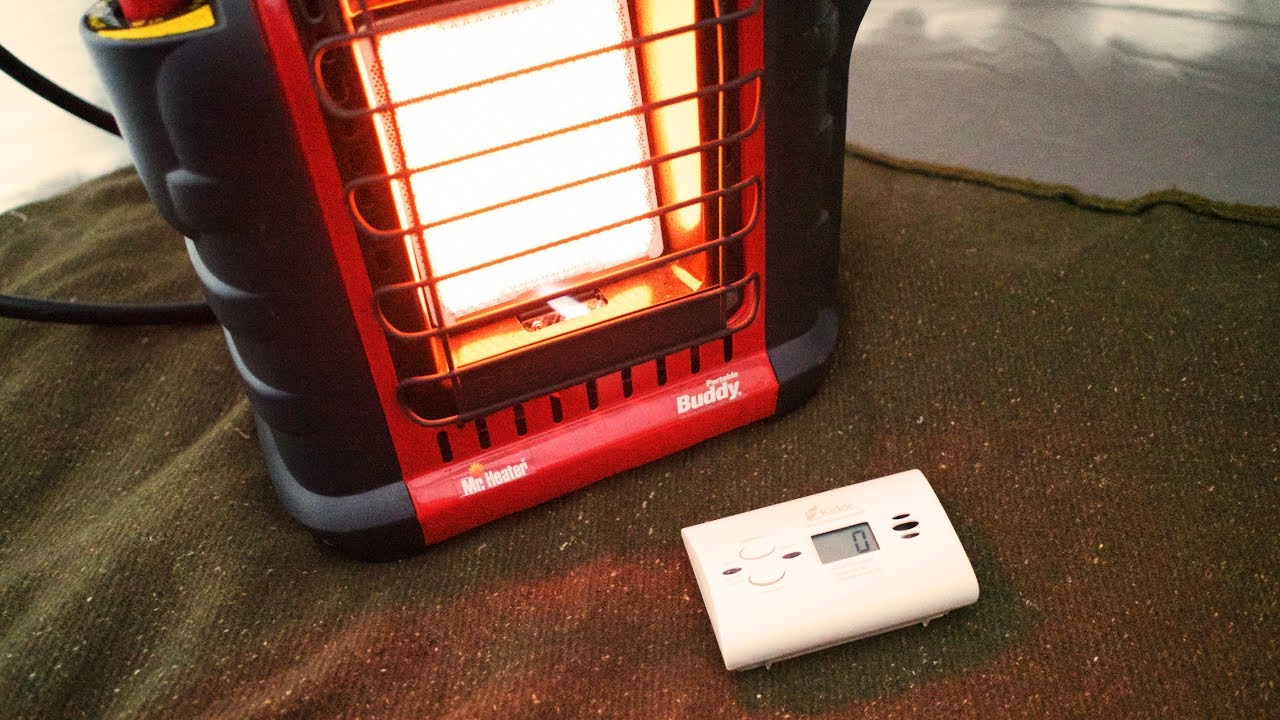
Credit: www.youtube.com
How Propane Heaters Work
Propane heaters are common for heating homes and outdoor spaces. They burn propane gas to create heat. This process is simple but requires good care. Understanding how these heaters work helps you use them safely.
These heaters come in different types. Each type uses propane differently to produce warmth. Knowing the combustion process also helps explain if propane heaters produce carbon monoxide.
Types Of Propane Heaters
There are two main types of propane heaters: vented and unvented. Vented heaters send combustion gases outside. Unvented heaters release gases directly into the room. Portable propane heaters are usually unvented. Wall-mounted models tend to be vented.
Each type has advantages and risks. Vented heaters are safer but less efficient indoors. Unvented heaters provide quick heat but need good ventilation. Choosing the right type depends on your space and needs.
Combustion Process Explained
Propane heaters work by burning propane gas. The gas mixes with oxygen from the air. This mix ignites to produce heat and light. The main byproducts are water vapor and carbon dioxide.
Incomplete burning can happen if oxygen is low. This creates carbon monoxide, a dangerous gas. Proper ventilation prevents carbon monoxide buildup. Regular maintenance keeps the heater burning cleanly.
Carbon Monoxide And Propane Heaters
Carbon monoxide is a silent danger linked to propane heaters. This gas can harm health and cause serious problems. Understanding how propane heaters produce carbon monoxide helps keep homes safe. Proper use and awareness reduce risks and protect families.
Sources Of Carbon Monoxide
Carbon monoxide forms when propane burns without enough oxygen. Propane heaters use fuel to create heat. If the flame is weak or yellow, carbon monoxide may form. Blocked vents or dirty burners also cause this gas to build up. Any problem in the heater’s combustion process can create carbon monoxide.
Conditions That Increase Co Production
Using propane heaters in closed spaces raises carbon monoxide risk. Poor ventilation traps the gas indoors. Running heaters too long or without maintenance also increases CO. Cold weather can cause incomplete burning, making more carbon monoxide. Always check heaters often to avoid unsafe conditions.
Health Risks Of Carbon Monoxide
Carbon monoxide (CO) is a dangerous gas produced by propane heaters if they burn fuel improperly. This gas is invisible and has no smell, making it hard to detect. Breathing in carbon monoxide can harm your health quickly. It stops oxygen from reaching your body’s organs and tissues. Understanding the health risks is important for safety around propane heaters.
Symptoms Of Co Poisoning
Early signs of carbon monoxide poisoning look like the flu. You may feel tired, dizzy, or weak. Headaches and nausea are common. Some people have trouble breathing or chest pain. Confusion and blurred vision can also happen. These symptoms can worsen fast without fresh air.
Long-term Effects
Severe carbon monoxide exposure can cause lasting damage. It can affect the brain, heart, and lungs. Memory loss and difficulty concentrating may appear. Some people suffer permanent nerve damage. In extreme cases, carbon monoxide poisoning can cause death. Protect yourself by keeping heaters well-ventilated and using CO detectors.
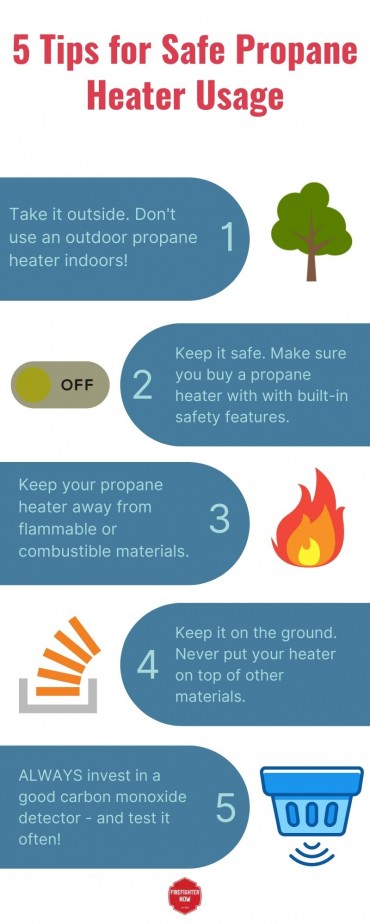
Credit: firefighternow.com
Safety Measures For Propane Heater Use
Propane heaters are useful for warmth but can produce carbon monoxide. This gas is invisible and dangerous. Taking safety steps is key to safe use.
Proper Ventilation Tips
Always use propane heaters in well-ventilated areas. Open windows or doors to allow fresh air inside. This helps reduce carbon monoxide buildup. Avoid using heaters in small, closed rooms. Keep vents and airways clear from blockages.
Regular Maintenance Practices
Check your propane heater regularly for leaks or damage. Clean the heater parts to keep them working well. Replace worn or broken components quickly. Have a professional inspect the heater once a year. Well-maintained heaters burn fuel more safely.
Using Carbon Monoxide Detectors
Install carbon monoxide detectors near the heater and bedrooms. Test detectors every month to ensure they work. Replace batteries at least twice a year. Detectors warn you early about dangerous gas levels. They can save lives by alerting you to danger.
Signs Of Unsafe Propane Heater Operation
Recognizing signs of unsafe propane heater operation is vital for safety. Propane heaters can produce carbon monoxide if they do not work properly. Early warning signs help prevent health risks and accidents. Pay attention to changes in smell, flame color, or heater behavior. These clues tell you when the heater needs attention or repair.
Acting fast can protect your family from dangerous carbon monoxide exposure. Understanding these signs is the first step to safe propane heater use.
Unusual Odors And Flames
A strange smell near the heater often signals a problem. Propane itself has a strong, sharp odor. A faint or rotten egg smell may mean a gas leak. This leak can cause carbon monoxide buildup inside your home.
Check the heater’s flame color. A healthy propane flame is mostly blue with small yellow tips. Yellow or orange flames may mean incomplete combustion. This incomplete burning produces carbon monoxide. Never ignore these visual or smell changes.
Heater Malfunction Indicators
Watch for sudden heater shutdowns or difficulty starting. These issues can indicate blocked vents or faulty parts. Strange noises like banging or popping suggest trouble inside the heater. This trouble might cause unsafe gas release.
Excessive moisture or soot around the heater shows poor burning. These conditions increase carbon monoxide risk. Regularly inspect your propane heater for these signs. Immediate action can prevent dangerous carbon monoxide buildup.
Emergency Response To Co Exposure
Carbon monoxide (CO) is a dangerous gas produced by propane heaters if they do not burn fuel properly. It is colorless and odorless. This makes it hard to notice. Knowing how to respond quickly is very important.
Emergency response to CO exposure saves lives. Acting fast can reduce harm and prevent serious illness. Everyone should know the basic steps to take during exposure.
Immediate Steps To Take
Leave the area at once. Get fresh air outside or by an open window. Avoid staying in the room with the heater on. Call for help if you feel dizzy, weak, or confused. Turn off the propane heater if it is safe to do so. Do not re-enter until the space is aired out and safe.
When To Seek Medical Help
Seek medical help if symptoms persist. Trouble breathing, chest pain, or severe headache need urgent attention. Call emergency services or go to the hospital. Inform them about possible CO exposure. Early treatment can prevent long-term damage. Do not delay, even if symptoms seem mild.
Alternatives To Propane Heaters
Propane heaters work well but can produce carbon monoxide, a harmful gas. Safer options exist that do not release this gas. These alternatives also keep spaces warm and comfortable.
Electric Heaters
Electric heaters do not burn fuel, so they do not emit carbon monoxide. They use electricity to generate heat. Small and portable models fit well in most rooms. Electric heaters heat quickly and are easy to control. They need a power source to work. These heaters are safe for indoor use and require less maintenance.
Infrared And Other Options
Infrared heaters warm objects and people directly. They do not heat the air first. This method saves energy and feels natural. Infrared heaters do not produce carbon monoxide. Other options include oil-filled radiators and ceramic heaters. These devices also avoid harmful gas emissions. They provide steady, comfortable heat for indoor spaces.

Credit: www.forensicsdetectors.com
Frequently Asked Questions
Do Propane Heaters Release Carbon Monoxide Gas?
Propane heaters can produce carbon monoxide if not used properly. Poor ventilation or faulty equipment can cause dangerous gas buildup indoors.
How Can I Prevent Carbon Monoxide From Propane Heaters?
Always use propane heaters in well-ventilated areas. Regularly check and maintain your heater to ensure safe operation.
Is Carbon Monoxide From Propane Heaters Harmful?
Yes, carbon monoxide is a colorless, odorless gas that can cause poisoning. It can lead to headaches, dizziness, or even death in high amounts.
What Safety Devices Detect Carbon Monoxide From Heaters?
Carbon monoxide detectors alert you to unsafe gas levels. Install them near propane heaters and sleeping areas for safety.
Can Outdoor Propane Heaters Produce Carbon Monoxide Indoors?
Outdoor propane heaters are not safe for indoor use. Using them inside can cause dangerous carbon monoxide buildup quickly.
Conclusion
Propane heaters can produce carbon monoxide if not used properly. Always use them in well-ventilated areas. Regular maintenance helps keep the heater safe and efficient. Never leave a propane heater unattended while it is running. Carbon monoxide is dangerous because it cannot be seen or smelled.
Using a carbon monoxide detector adds an important layer of safety. Stay aware and follow safety rules to protect your home and family. Safety first, always.