Have you ever wondered if your electric heater could be putting your family at risk? When it comes to keeping your home warm, safety is just as important as comfort.
You might have heard stories about heaters causing carbon monoxide poisoning and felt a bit worried. But does an electric heater really produce this dangerous gas? Understanding the truth behind this can protect you and your loved ones from hidden dangers.
Keep reading to discover what you need to know to stay safe while enjoying the warmth.
How Electric Heaters Work
Electric heaters warm up rooms by turning electricity into heat. They are common in homes and offices. Understanding how they work helps clear doubts about safety risks.
Electric heaters do not burn fuel. They do not produce gases or fumes. This makes them different from gas or wood heaters.
Heating Element
Inside the heater, a metal coil or ceramic plate heats up. Electricity flows through this element, causing it to get hot. The heat then spreads into the air.
Heat Distribution
Some heaters use fans to blow warm air into the room. Others rely on natural air flow to spread heat. This warms up the space evenly.
Thermostat Control
Many electric heaters have thermostats. These devices turn the heater on or off to keep the temperature steady. This saves energy and prevents overheating.
Safety Features
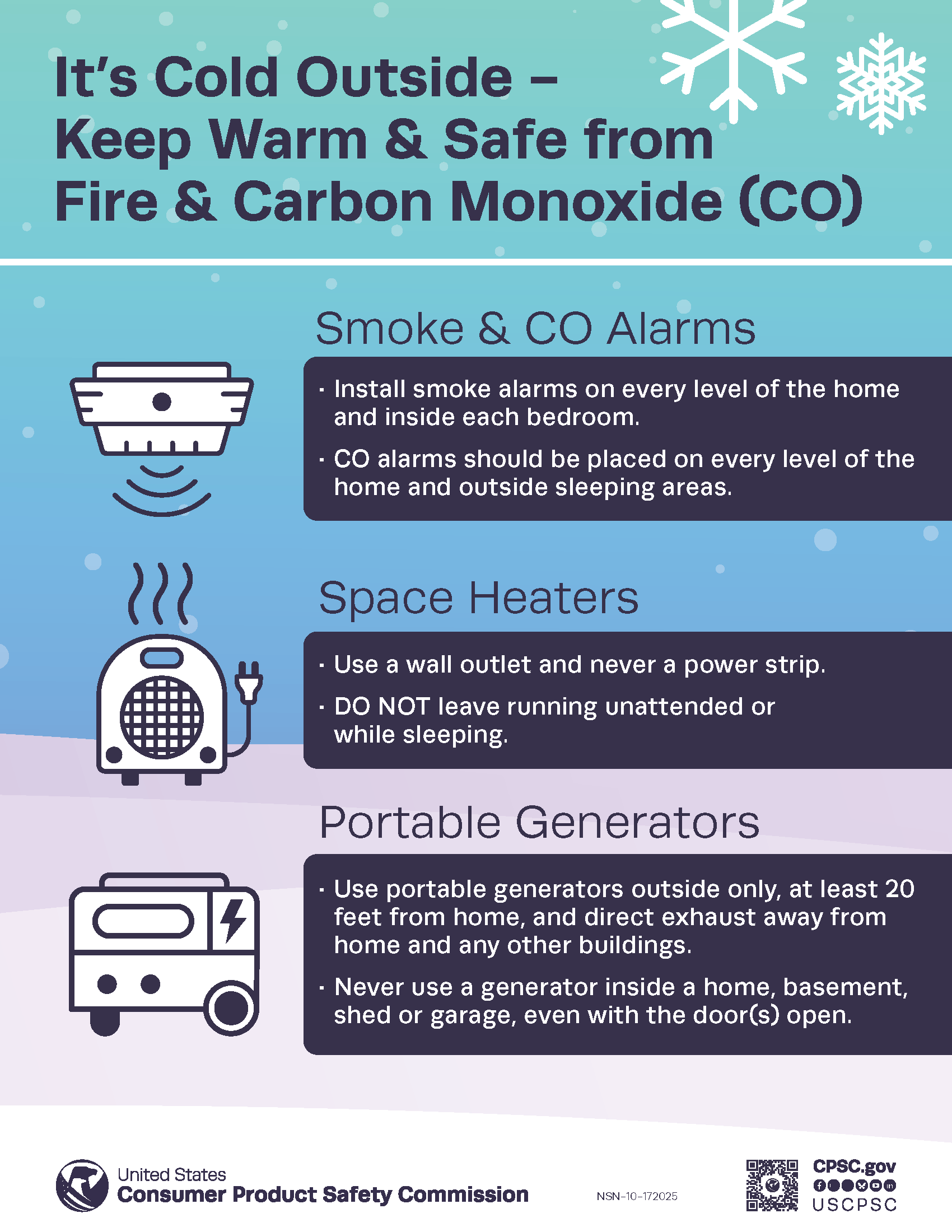
Modern electric heaters include safety features. These can be tip-over switches or overheat protection. They stop the heater if it becomes unsafe.
Credit: www.cpsc.gov
Sources Of Carbon Monoxide
Carbon monoxide (CO) is a dangerous gas. It is colorless, odorless, and tasteless. People cannot see or smell it. This makes it very hard to detect. Many household items produce carbon monoxide. Knowing the sources helps keep your home safe.
Combustion Appliances
Combustion appliances burn fuel to make heat. These include stoves, fireplaces, and water heaters. When they burn fuel, they can release carbon monoxide. Poor ventilation or broken parts increase CO levels. Regular maintenance reduces the risk of CO leaks.
Gas And Oil Heaters
Gas and oil heaters use fuels like natural gas or oil. They create heat by burning these fuels. If these heaters do not work properly, they produce carbon monoxide. Blocked vents or cracks in the system can cause leaks. Proper installation and checks are essential for safety.
Electric Heaters And Co Emissions
Electric heaters work by converting electricity into heat. They do not burn fuel or use flames. Because of this, electric heaters do not produce carbon monoxide (CO) gas. CO is a dangerous gas made when fuels like gas, oil, or wood burn without enough oxygen.
Many people worry about carbon monoxide poisoning from heaters. This risk is mostly linked to gas or wood heaters. Electric heaters do not have this problem because they don’t involve combustion. This makes electric heaters safer for indoor use.
How Electric Heaters Operate
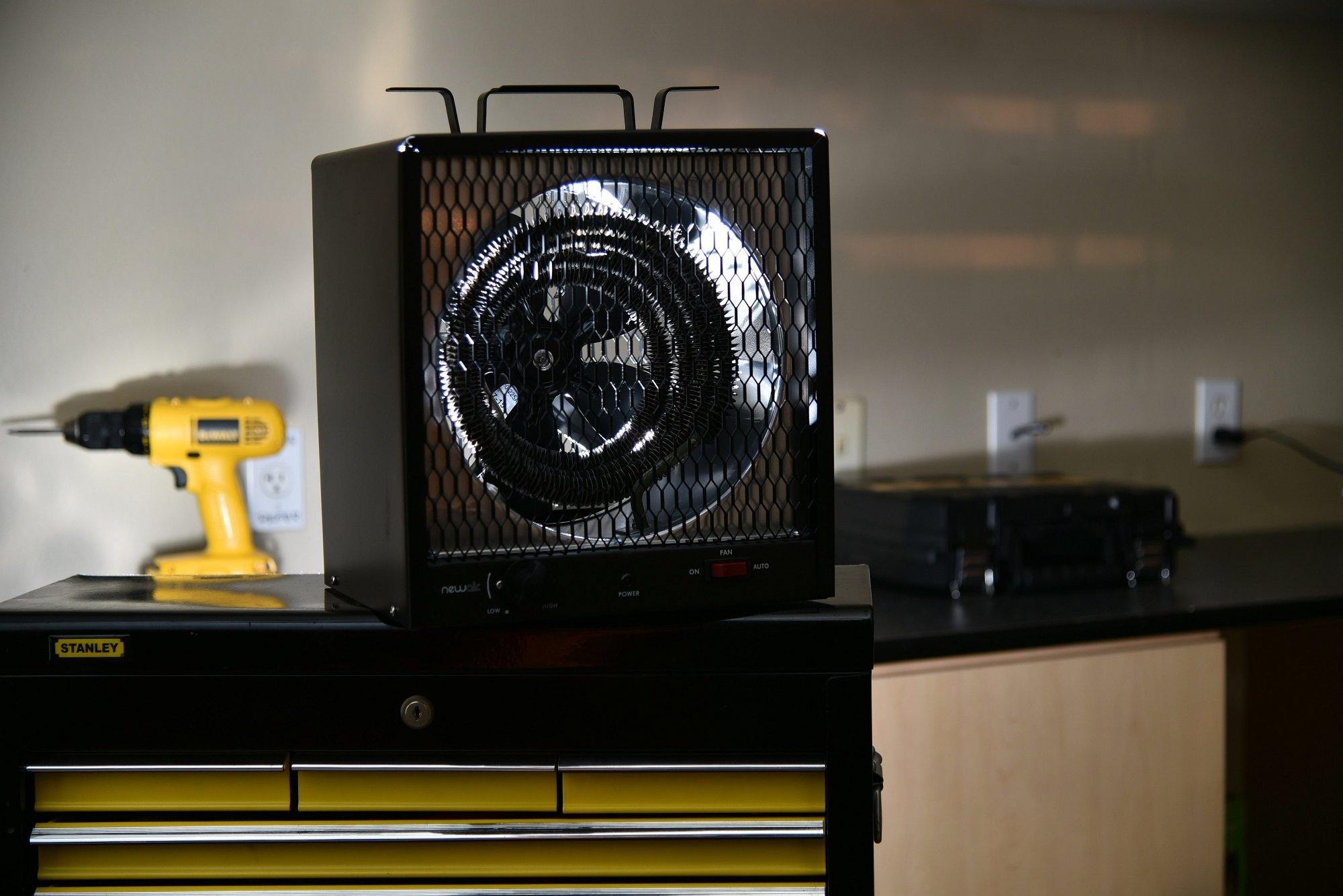
Electric heaters use electric coils or ceramic plates to create heat. The electricity passes through these parts and heats them up. Fans or natural air flow spread the warm air in the room. No burning or flames happen inside electric heaters.
Why Electric Heaters Do Not Produce Co
Carbon monoxide is a byproduct of burning fuel. Since electric heaters do not burn anything, they cannot produce CO. There is no fuel, no fire, and no smoke. This eliminates the risk of CO emissions from these heaters.
Common Sources Of Carbon Monoxide
CO usually comes from gas stoves, fireplaces, or petrol engines. Poorly maintained or ventilated fuel-burning appliances increase CO risks. These sources need proper care to avoid CO leaks. Electric heaters have no fuel and no risk of this gas.
Safety Tips For Using Heaters Indoors
Use electric heaters in well-ventilated rooms for best safety. Avoid fuel-based heaters without proper ventilation. Install CO detectors near fuel-burning appliances. Electric heaters reduce CO risks but watch for other fire hazards.
Credit: www.newair.com
Common Myths About Electric Heaters
Many people have questions about electric heaters and safety. Some common ideas about these heaters are not true. Clearing up these myths helps everyone stay safe and informed.
Electric heaters work without burning fuel. This means they do not release harmful gases. Understanding facts is important for safe heating.
Can Electric Heaters Produce Carbon Monoxide?
Electric heaters do not burn fuel or gas. They run on electricity alone. Therefore, they cannot produce carbon monoxide gas. This gas comes from burning fuels like gas, wood, or oil. Electric heaters are safe in this way.
Are Electric Heaters Fire Hazards?
Electric heaters can cause fires if misused. Keeping them away from curtains, papers, and furniture is important. Always follow the manufacturer’s instructions. Use heaters on flat, stable surfaces. Turn them off when not in use.
Do Electric Heaters Use Too Much Electricity?
Electric heaters do use electricity, but not always too much. Small heaters use less power. Using them only in rooms you need can save energy. Setting the heater to a moderate level helps control costs.
Is It Safe To Use Electric Heaters All Night?
Using electric heaters all night can be safe. Choose models with safety features like automatic shutoff. Make sure the heater is in good condition. Do not cover or block the heater while it runs.
Safety Tips For Using Electric Heaters
Electric heaters provide warmth during cold days. Using them safely is important to avoid risks. Follow these safety tips to keep your home safe and warm.
Proper Ventilation
Electric heaters do not produce carbon monoxide. Still, good air flow in the room is important. Keep windows or doors slightly open to let fresh air in. This prevents stuffy air and helps the heater work better. Avoid blocking vents or air intakes. Proper ventilation keeps the air clean and fresh.
Regular Maintenance
Check your electric heater often for damage or dust. Clean dust from vents and filters to improve performance. Look for frayed cords or loose parts. Stop using the heater if you find any damage. Regular maintenance helps the heater run safely and lasts longer.
Signs Of Carbon Monoxide Poisoning
Carbon monoxide poisoning is dangerous and often hard to notice. The gas is colorless and odorless. You cannot see, smell, or taste it. This makes it very risky, especially with heaters that burn fuel. Knowing the signs of poisoning helps protect you and your family.
Symptoms can start mild but grow worse over time. Acting fast can save lives. Watch for sudden changes in how you feel. Early signs may seem like the flu but without fever. Pay close attention to these signals.
Headache And Dizziness
A common early sign is a dull headache. It may feel like pressure or tightness. Dizziness often follows, making it hard to stand or focus. These symptoms come on quickly in a contaminated space.
Nausea And Vomiting
Feeling sick to your stomach can be a warning. Vomiting may happen as the body reacts to the poison. These symptoms can appear suddenly and grow worse without fresh air.
Weakness And Fatigue
Carbon monoxide reduces oxygen in the blood. This causes unusual tiredness and weakness. Tasks feel harder and energy drops fast. Rest does not help, which is a red flag.
Confusion And Difficulty Concentrating
Poisoning affects the brain. You might feel confused or forgetful. Simple decisions become tough. Concentration fades, and speech may slur. These signs need immediate attention.
Shortness Of Breath And Chest Pain
Breathing may become fast or shallow. Chest discomfort or pain can occur. These symptoms show the heart and lungs are stressed. They require urgent medical help.
Preventing Carbon Monoxide Risks At Home
Preventing carbon monoxide risks at home is very important for safety. Carbon monoxide is a colorless and odorless gas. It can cause serious health problems or even death. Taking simple steps can protect your family from this danger.
Using electric heaters wisely helps reduce carbon monoxide risks. Although electric heaters do not produce carbon monoxide, other fuel-burning devices in the home might. Safety measures are necessary to avoid any risk.
Installing Co Detectors
Place carbon monoxide detectors in key areas of your home. Install them near sleeping areas and on each floor. Test detectors regularly to make sure they work properly. Replace batteries at least once a year. A working detector can save lives by alerting you early.
Safe Heating Practices
Never use gas stoves or grills indoors for heating. Avoid running fuel-burning heaters without proper ventilation. Keep heaters away from curtains, papers, and furniture. Have heating systems checked and cleaned yearly by a professional. Follow manufacturer instructions carefully for safe operation.

Credit: boards.straightdope.com
Frequently Asked Questions
Can Electric Heaters Produce Carbon Monoxide?
No, electric heaters do not produce carbon monoxide. They use electricity, not fuel combustion. Carbon monoxide comes from burning fuels like gas or wood.
Why Do Some Heaters Cause Carbon Monoxide Poisoning?
Heaters that burn fuel like gas or oil can release carbon monoxide. Poor ventilation or faulty devices increase this risk. Electric heaters do not burn fuel, so they do not cause this.
Is It Safe To Use Electric Heaters Indoors?
Yes, electric heaters are safe for indoor use. They do not emit harmful gases or carbon monoxide. Just follow the manufacturer’s safety instructions.
How To Detect Carbon Monoxide From Heaters?
Carbon monoxide is odorless and colorless, so detection is hard without a detector. Install a carbon monoxide alarm near fuel-burning heaters. Electric heaters do not need CO detectors.
What Are Signs Of Carbon Monoxide Poisoning?
Symptoms include headache, dizziness, nausea, and tiredness. If many people feel sick indoors, check for carbon monoxide. Turn off fuel-burning heaters and ventilate the space immediately.
Conclusion
Electric heaters that use fuel can produce carbon monoxide. This gas is dangerous and hard to detect. Electric heaters that run on electricity do not cause this risk. Always use heaters in well-ventilated areas for safety. Regularly check your devices for any damage or leaks.
Stay informed about your heater type and how it works. Safety should always come first in your home. Remember, clean and electric heaters keep your air safe. Stay warm and stay safe this winter.