
Are you tired of the high costs and safety concerns that come with using kerosene heater fuel? What if you could find a safer, more affordable alternative that keeps you warm without the hassle?
You’ll discover practical fuel options that work well with your kerosene heater. By exploring these alternatives, you can save money, reduce risks, and keep your home cozy during cold days. Keep reading to find out which fuels might be the perfect match for your heater and lifestyle.
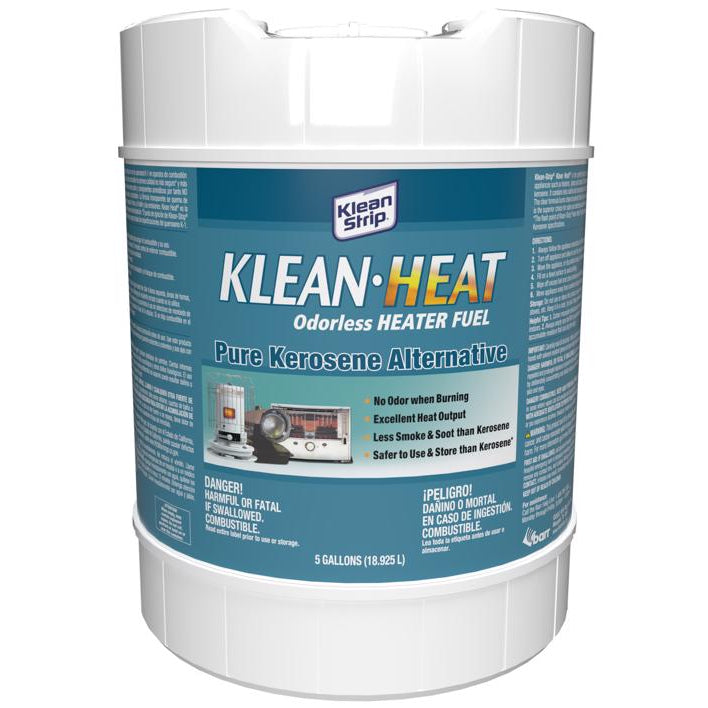
Credit: www.mycoastalace.com
Types Of Kerosene Heater Fuels
Kerosene heaters need special types of fuel to work well. Different fuels burn differently and affect heater performance. Choosing the right fuel can save money and keep the heater safe. Understanding fuel types helps users make smart decisions.
Some fuels are made for kerosene heaters only. Others mix kerosene with other fuels. New biofuel options offer cleaner burning choices. Each type has its own benefits and limits.
Standard Kerosene
Standard kerosene is the most common fuel for heaters. It burns clean and produces steady heat. This fuel is easy to find in many stores. It works well in most kerosene heaters. Standard kerosene is safe if stored properly.
Diesel And Kerosene Mix
This mix combines diesel and kerosene fuels. It can be cheaper than pure kerosene. The mix might cause more smoke or odor. Some heaters may not work as well with this mix. Check your heater instructions before using it.
Biofuel Options
Biofuels come from plants or animal fats. They are more eco-friendly than fossil fuels. Biofuels burn cleaner and reduce pollution. Not all heaters accept biofuels. Users should confirm compatibility before use.
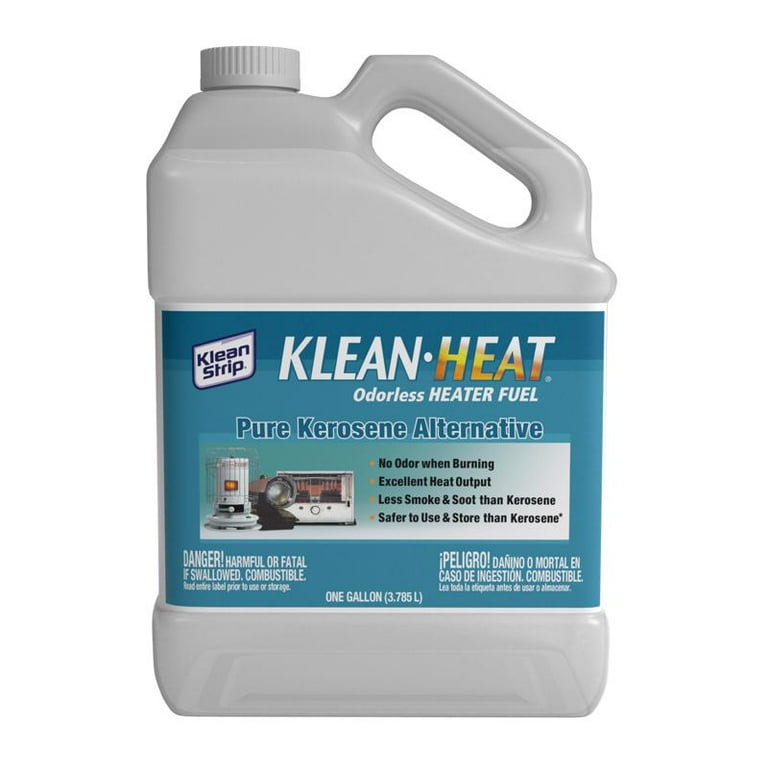
Credit: www.walmart.com
Safety Considerations For Alternative Fuels
Choosing an alternative fuel for your kerosene heater requires careful safety checks. Safety is the top priority. Every fuel type has risks and needs proper handling. Understanding these risks helps keep your home safe and warm.
Flammability And Storage
Alternative fuels can be highly flammable. Store them in cool, dry places away from heat. Use approved containers designed for fuel storage. Avoid placing fuel near open flames or electrical devices. Always keep fuels out of children’s reach. Proper storage reduces fire hazards and spills.
Ventilation Requirements
Burning any fuel creates fumes. Good airflow prevents harmful gas buildup. Open windows or use exhaust fans during heater use. Poor ventilation causes discomfort and health risks. Make sure the room has fresh air at all times. Proper ventilation ensures safe and clean burning.
Carbon Monoxide Risks
Carbon monoxide is a colorless, odorless gas. It can cause serious health problems or death. Alternative fuels may produce more carbon monoxide than kerosene. Install a carbon monoxide detector near the heater. Never use the heater in closed rooms. Check the heater regularly for leaks or damage.
Efficiency Of Various Fuel Alternatives
Choosing the right fuel alternative for kerosene heaters affects how well the heater works. Efficiency is key to saving money and getting steady warmth. Different fuels offer different results in heat, burn time, and wear on the heater.
Understanding these factors helps pick the best option for comfort and cost-effectiveness. Let’s explore how various fuels perform in real use.
Heat Output Comparison
Heat output shows how much warmth each fuel produces. Kerosene gives strong, steady heat. Some alternatives, like diesel or biofuels, produce less heat. Others, such as alcohol-based fuels, might not warm a room well. Choosing a fuel with good heat output keeps your space cozy without extra effort.
Burn Time And Fuel Consumption
Burn time means how long the heater runs on one tank. Fuels that burn longer save refilling time and money. Kerosene usually burns longer than many alternatives. Some options consume more fuel quickly, making them less efficient. Checking fuel use helps avoid frequent refills and keeps heating costs low.
Impact On Heater Longevity
Fuel type affects how long your heater lasts. Some fuels can cause more wear or clog parts. Pure kerosene keeps the heater cleaner and running longer. Alternatives with impurities may shorten heater life. Using clean, suitable fuel protects the heater and reduces repair costs.
Cost-effectiveness Of Fuel Options
Choosing the right fuel for a kerosene heater affects your budget. Fuel costs can add up fast, especially in cold months. This section looks at the cost-effectiveness of various fuel options. It helps you understand how price, availability, and long-term savings matter.
Price Per Gallon
Kerosene usually costs more per gallon than some alternatives. Some fuels like diesel or lamp oil may offer lower prices. Price changes often depend on location and season. Always compare prices before buying fuel. Small savings per gallon add up over time.
Availability And Accessibility
Some fuel types are easier to find than others. Kerosene is common in many hardware stores. Other fuels might be limited to specialty shops. Accessibility affects your overall cost and convenience. Easy access saves time and travel expenses.
Long-term Savings
Fuel efficiency impacts how much you spend in the long run. Some alternatives burn cleaner and last longer. Less fuel used means lower costs over time. Consider maintenance and safety expenses too. Choosing wisely can reduce your heating bills year after year.
Environmental Impact Of Fuels
Choosing the right fuel for kerosene heaters affects the environment. Fuels can harm air, water, and soil in different ways. Understanding these impacts helps make better choices. It also supports cleaner air and safer homes.
Emissions And Pollutants
Burning kerosene heater fuel releases gases and particles. These include carbon dioxide, carbon monoxide, and soot. Some of these gases trap heat in the atmosphere. This adds to global warming. Soot and particles can cause health problems. They irritate the lungs and worsen asthma.
Renewable Vs. Non-renewable Sources
Non-renewable fuels come from oil and coal. They take millions of years to form. Burning these fuels uses up limited resources. Renewable fuels come from plants and waste. They can be grown or made again. Renewable fuels reduce carbon emissions. They offer a cleaner, more sustainable option for heating.
Disposal And Spill Management
Fuel spills can harm land and water. Kerosene leaks can poison plants and animals. Proper storage prevents leaks and accidents. Spills need quick cleanup to stop damage. Used fuel and containers must be disposed of safely. This protects soil and groundwater from pollution.

Credit: www.amazon.com
Tips For Using Alternative Fuels Safely
Using alternative fuels in kerosene heaters can save money and reduce environmental impact. Safety must be the top priority. Follow these tips to use alternative fuels without risks. Proper handling, regular maintenance, and readiness for emergencies help keep everyone safe.
Proper Fuel Handling
Store alternative fuels in clean, labeled containers. Keep containers tightly closed to avoid spills. Use a funnel to pour fuel carefully. Avoid overfilling the heater’s tank. Always fill the tank outside or in a well-ventilated area. Keep fuel away from heat and flames. Wear gloves to protect your skin from contact.
Heater Maintenance
Clean the heater regularly to prevent blockages. Check the wick for damage or dirt before use. Replace the wick according to the manufacturer’s instructions. Inspect fuel lines and seals for leaks. Test the heater in a safe area before full use. Proper maintenance ensures efficient burning and less smoke.
Emergency Preparedness
Keep a fire extinguisher nearby and know how to use it. Install smoke and carbon monoxide detectors in rooms with heaters. Ventilate the room well to prevent gas buildup. Do not leave the heater unattended while running. Have a plan to turn off and remove the heater quickly in emergencies. Teach all family members what to do during a heater fire or spill.
Frequently Asked Questions
What Are Safe Alternatives To Kerosene Heater Fuel?
Safe alternatives include propane, bioethanol, and lamp oil. These fuels burn cleaner and produce fewer fumes.
Can Vegetable Oil Be Used As Kerosene Heater Fuel?
Vegetable oil can be used but needs special heaters. It burns slower and may clog some devices.
Is Rubbing Alcohol A Good Substitute For Kerosene Fuel?
Rubbing alcohol can work but is less efficient. It also burns faster and may require frequent refills.
How Does Propane Compare To Kerosene For Heaters?
Propane burns cleaner and produces less odor. It is easier to find and store safely.
Are There Environmental Benefits To Using Kerosene Alternatives?
Yes, alternatives like bioethanol reduce harmful emissions. They help lower pollution and improve indoor air quality.
Conclusion
Choosing the right fuel alternative for your kerosene heater matters a lot. Some options offer good heat and burn cleaner. Always check safety and compatibility before use. Using the wrong fuel can damage your heater or cause danger. Keep your heater well maintained to get the best results.
Experiment carefully with different fuels to find what works best. Stay safe and warm during cold days with smart fuel choices. Your heater can perform well with the right fuel and care.