Have you ever touched your electric heater plug and noticed it’s hot? It’s a small detail that can cause big worry.
You might wonder, “Is this normal? Is it safe? Could it mean there’s a problem with my heater or wiring? ” Understanding why your electric heater plug gets hot is important for your safety and comfort. Keep reading, and you’ll learn the simple reasons behind this, how to spot warning signs, and what steps you can take to protect your home and family.
Don’t ignore this—it’s easier to fix than you think.
Common Causes Of Hot Heater Plugs
Hot heater plugs are a common concern for many users. They can signal electrical problems that need attention. Understanding why a plug gets hot helps keep your home safe.
Several factors cause the plug to heat up. Identifying these issues early can prevent damage or fire hazards. Let’s explore the common causes.
Loose Or Damaged Wiring
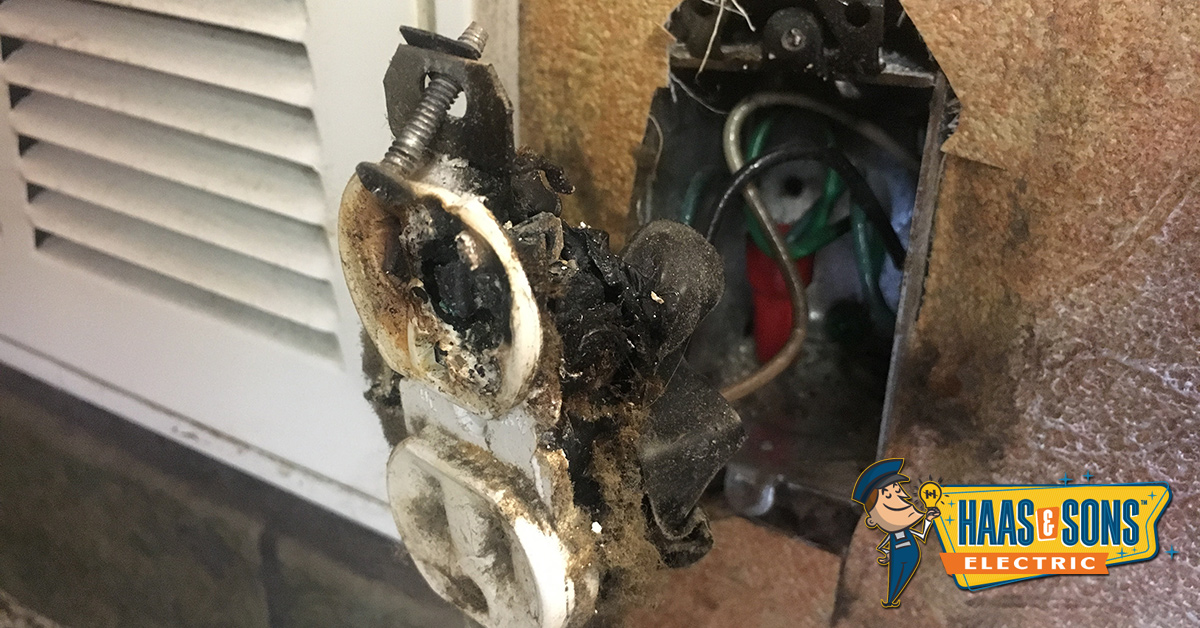
Loose wires inside the plug or outlet cause poor connections. This poor contact creates resistance and heat. Damaged wiring can also expose metal parts, increasing the risk of sparks.
Check wires for breaks or wear. Tighten any loose connections to reduce heat buildup.
Overloaded Circuits
Plugging too many devices into one outlet overloads the circuit. Too much current flows through the plug, causing it to heat up. Electric heaters draw high power, adding to the load.
Limit the number of devices on one circuit. Use dedicated outlets for heaters to avoid overheating.
Poor Contact In Outlet
Outlets with worn or bent contacts create weak connections. These spots increase electrical resistance. The plug heats as electricity struggles to flow smoothly.
Replace old or damaged outlets. Ensure plugs fit snugly to maintain good contact.
Faulty Heater Components
Internal heater faults can cause excessive current draw. Faulty parts increase heat not only in the device but also at the plug. This issue often signals the need for repair or replacement.
Inspect your heater regularly. Stop using it if the plug becomes unusually hot.
Credit: haasandsons.com
Risks Of Overheating Plugs
Electric heater plugs getting hot is a serious issue. Overheating plugs can cause many problems. They create risks that affect safety and appliance life. Knowing these risks helps you act fast and protect your home.
Fire Hazards
Overheated plugs can start fires. Heat builds up in the socket and wiring. This heat can ignite nearby materials. Sparks may also jump from a loose connection. Fires caused by plugs spread quickly and cause severe damage.
Damage To Electrical System
Hot plugs stress the electrical system. Wires inside the plug and wall can melt. This damage causes short circuits and power failures. Repairing electrical systems is costly and time-consuming. Continuous overheating weakens your home’s wiring safety.
Reduced Heater Performance
Heat in the plug affects your heater’s work. The heater may not get enough power. It can turn off unexpectedly or run poorly. Overheating also shortens the heater’s life. Proper plug condition keeps the heater running well.
Safety Tips For Electric Heater Use
Electric heaters provide warmth quickly but need careful handling. Safety with these devices prevents accidents and damage. Simple habits keep your home and family safe while using electric heaters.
Inspecting Plugs And Cords Regularly
Check heater plugs and cords often for damage or wear. Look for cracks, frays, or burn marks. Replace any damaged parts immediately. Damaged cords can cause overheating and fires.
Avoiding Extension Cords
Do not use extension cords with electric heaters. They can overheat and cause sparks. Plug heaters directly into wall outlets for safety. Extension cords may not handle the heater’s power load.
Using Proper Outlets
Use outlets that match the heater’s power needs. Avoid outlets that are loose or damaged. A tight, secure connection stops plugs from heating up. If unsure, ask an electrician to check your outlets.
Ensuring Correct Heater Wattage
Know your heater’s wattage and match it to your outlet capacity. Too high wattage in a small circuit causes overheating. Check the heater label for wattage information. Use heaters within your home’s electrical limits.

Credit: www.youtube.com
How To Cool Down An Overheated Plug
An overheated electric heater plug can be dangerous. Cooling it down quickly is important. Follow simple steps to handle the issue safely. Act with care to prevent damage or fire risk.
Unplugging Safely
First, turn off the heater before unplugging. Hold the plug, not the cord, to remove it. Pulling the cord can cause damage or sparks. Do this gently to avoid electrical shocks.
Allowing Time To Cool
Let the plug rest for at least 15 minutes. Avoid touching it while hot. Place the plug on a non-flammable surface. This helps heat to leave the plug safely.
Checking For Damage
After cooling, inspect the plug carefully. Look for cracks, burns, or melted plastic. Check the cord for frays or cuts. If you see damage, do not use the plug again. Replace it or call an electrician for help.
When To Call A Professional
Knowing when to call a professional is important for your safety and the health of your electric heater. A hot plug can signal a small issue or a serious electrical problem. Acting fast helps prevent damage and keeps your home safe. Here are key points to guide you on when to seek expert help.
Signs Of Electrical Issues
Look for smoke or burning smell near the plug. Flickering lights or frequent breaker trips are warning signs. Sparks or melted plastic around the outlet mean urgent repair is needed. These signs show your wiring or heater may be unsafe.
Regular Electrical Maintenance
Scheduling regular checks keeps your electrical system in good shape. Professionals can spot hidden problems before they become serious. Clean outlets and tight connections stop plugs from overheating. Maintenance extends the life of your heater and wiring.
Upgrading Outlets And Wiring
Old outlets and wiring may not handle modern heater power. Upgrading ensures safe and efficient electricity flow. A professional can replace worn parts and install better outlets. This lowers heat buildup and reduces fire risk.

Credit: www.reddit.com
Frequently Asked Questions
Why Does My Electric Heater Plug Feel Hot To Touch?
A hot plug often means high electric current is passing through. This can cause the plug or outlet to heat up due to resistance.
Can A Hot Heater Plug Cause Electrical Fires?
Yes, a hot plug can be a fire risk if overheating continues. It may damage wiring or cause sparks if not checked.
What Causes An Electric Heater Plug To Overheat?
Loose connections, damaged wires, or using an incorrect plug size can cause overheating. Dirt or dust buildup may also increase heat.
How Can I Stop My Heater Plug From Getting Hot?
Ensure the plug fits tightly and the outlet is clean. Avoid using extension cords and check for any wire damage.
Should I Replace A Hot Electric Heater Plug?
Yes, replacing a hot or damaged plug is important for safety. Use a plug rated for your heater’s power needs.
Conclusion
A hot electric heater plug signals a potential problem. Check the plug and outlet regularly for damage. Loose connections or high power can cause heat. Avoid using extension cords with heaters to stay safe. Always unplug the heater when not in use.
If the plug stays hot, call an electrician. Staying alert helps prevent fires and keeps your home safe. Simple care can protect your heater and your family.