
Choosing the right heater for your space can be confusing. Should you go for a convection heater or a radiant heater?
Each type works differently and affects your comfort in unique ways. If you want to stay warm without wasting energy or money, understanding these differences is key. Keep reading, and you’ll discover which heater suits your needs best—and how to make your home cozy all winter long.
How Convection Heaters Work
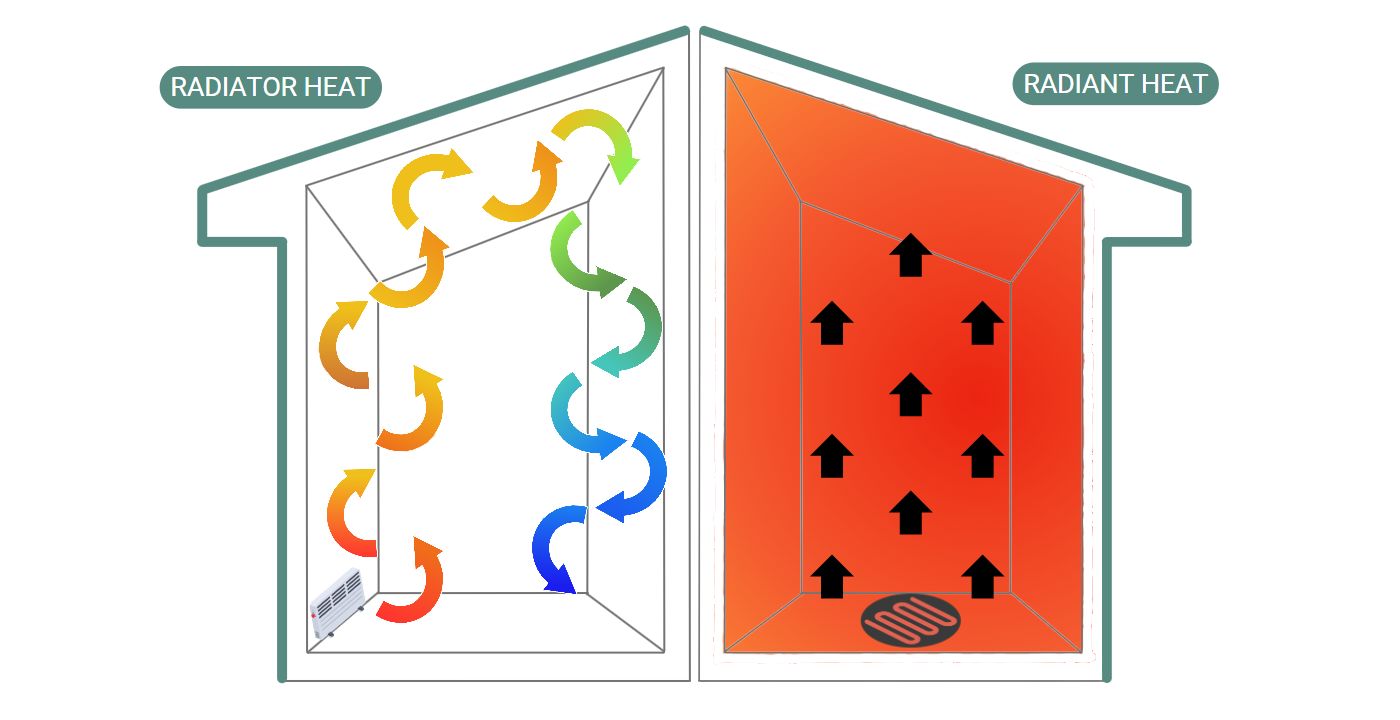
Convection heaters warm a room by moving hot air around. They use a simple process to heat the space evenly. The heater warms the air near it. Then, the warm air rises and cooler air moves in to take its place. This cycle continues, creating a flow of warm air throughout the room.
Air Circulation And Heat Distribution
Convection heaters rely on natural air movement. Warm air rises because it is lighter than cold air. As warm air moves up, cooler air moves down to the heater. This creates a loop of air circulation. The heat spreads evenly across the room. This process avoids hot or cold spots. The room warms up more comfortably and quickly.
Common Types Of Convection Heaters
There are several types of convection heaters. Oil-filled radiators are popular for slow, steady heat. Panel heaters use electric elements behind a flat surface. Baseboard heaters sit near the floor and heat air as it passes by. Each type works by warming air and moving it around the room.
Ideal Room Conditions
Convection heaters work best in closed spaces. Rooms without strong drafts keep warm air inside. Smaller rooms heat faster than large, open areas. Good insulation helps keep heat from escaping. These heaters perform well in living rooms, bedrooms, and offices.
How Radiant Heaters Work
Radiant heaters work by sending heat directly to objects and people. They do not warm the air first. This method feels warm quickly. It is like feeling the sun on your skin on a cold day.
Radiant heat moves in straight lines. It heats surfaces it touches. These surfaces then release warmth into the room slowly. This way, the heat lasts longer even after the heater is off.
Direct Heat Transfer
Radiant heaters use infrared rays to transfer heat. These rays travel through the air without heating it. When rays hit a solid surface, they warm it up. This process heats the object, not the air around it. People near the heater feel warm fast. This is different from other heaters that warm air first.
Types Of Radiant Heaters
There are several types of radiant heaters. Infrared heaters use electric coils or quartz bulbs. They emit infrared light for direct warmth. Ceramic heaters have a ceramic plate that heats up and radiates heat. Gas-powered radiant heaters burn fuel to produce heat. Each type has its own design and power source but works on the same principle of direct heat transfer.
Best Use Cases
Radiant heaters work best in small spaces or open areas. They are ideal for spot heating. Use them in garages, patios, or outdoor seating. They are good for people who want quick warmth. Radiant heaters do not waste energy heating empty air. They are useful in places with drafts or poor insulation.
Heat Efficiency Comparison
Comparing heat efficiency between convection and radiant heaters helps you choose the right one for your needs. Each type heats spaces differently, affecting comfort and energy use. Understanding their heat efficiency can save money and improve warmth.
Warm-up Time
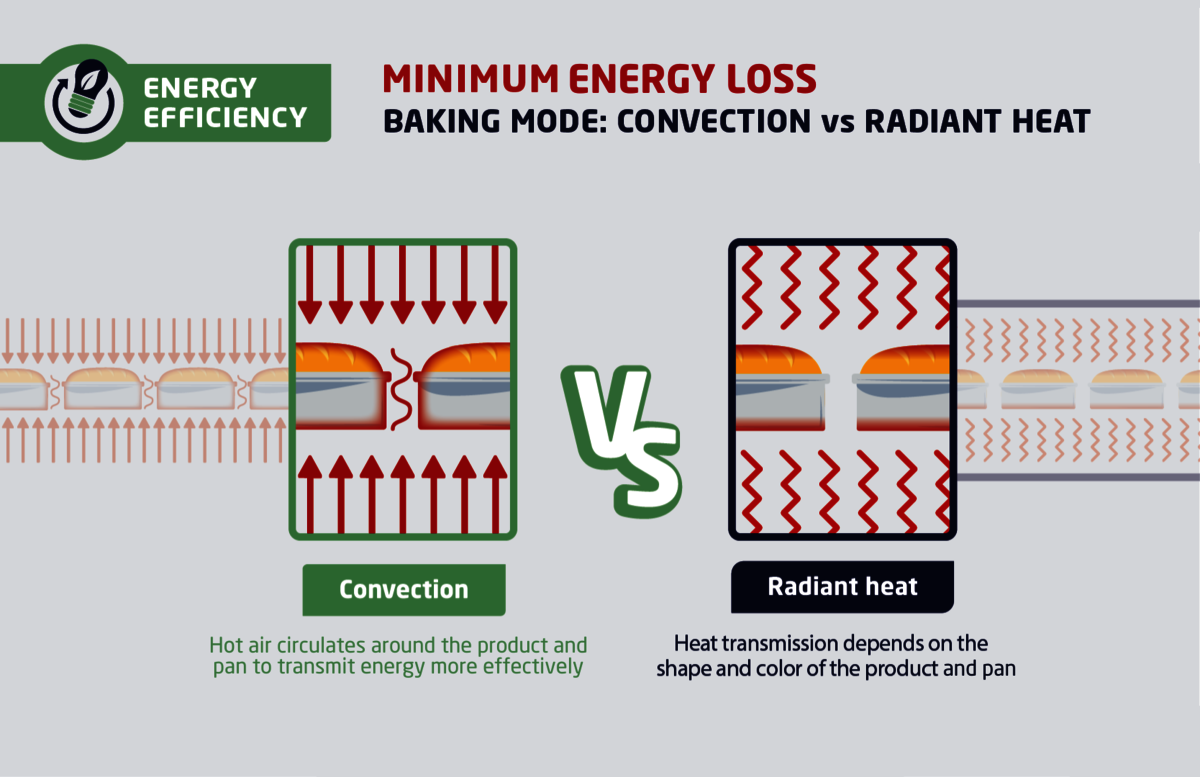
Convection heaters warm the air first. They take a few minutes to heat a room fully. Radiant heaters warm objects and people directly. They provide almost instant heat. Radiant heaters are better for quick warmth in small spaces.
Energy Consumption
Convection heaters use energy to heat all the air in a room. This can waste power if the room is large. Radiant heaters focus heat where it is needed. This targeted heat often uses less electricity overall. Radiant heaters can be more energy-efficient in spot heating.
Heat Retention
Convection heaters lose heat faster as warm air rises and escapes. Rooms cool down quickly after turning off the heater. Radiant heaters keep objects warm longer, even after switching off. This helps maintain comfort with less frequent heating.
Credit: www.greenwavedist.com
Comfort And Warmth Experience
Choosing between a convection heater and a radiant heater affects your comfort and warmth. Each type offers a different feel of heat. Understanding these differences helps you pick what suits your space best. The warmth you experience depends on how heat spreads and how the heater works.
Evenness Of Heat
Convection heaters warm the air in the whole room. They move warm air around to keep the space cozy. Radiant heaters send heat directly to people and objects nearby. This creates warm spots close to the heater but cooler areas farther away. For a steady warmth everywhere, convection heaters work better. For quick, direct heat, radiant heaters are ideal.
Zone Heating Capabilities
Radiant heaters are great for heating small zones. They heat the area right in front of them. This saves energy by warming only where needed. Convection heaters heat the entire room evenly. They are better for larger spaces or whole rooms. Choose based on whether you need spot heating or full-room warmth.
Noise Levels
Convection heaters often have fans that make some noise. This can be a distraction in quiet rooms. Radiant heaters operate silently since they use no fans. They are perfect for bedrooms or offices where silence matters. Noise level can affect how comfortable you feel with the heater on.
Safety And Maintenance
Safety and maintenance are key factors when choosing between convection and radiant heaters. Both types need care to work well and last long. Safe use keeps homes and families protected. Regular upkeep helps heaters perform efficiently without wasting energy.
Fire Hazards
Convection heaters often have fans and vents. Dust buildup can cause overheating. Keep vents clear to avoid fire risks. Radiant heaters get very hot on the surface. Keep flammable items far away. Never cover radiant heaters or block airflow. Both types should be turned off when not in use.
Cleaning And Upkeep
Convection heaters need regular dusting inside and outside. Use a soft brush or cloth to clean vents. Radiant heaters require less dusting but check the heating element. Wipe the surface gently with a dry cloth. Avoid water or wet cloths on electrical parts. Clean heaters work better and save energy.
Durability
Convection heaters have more moving parts, which may wear out. Fans can become noisy or stop working over time. Radiant heaters have simpler designs, often lasting longer. Proper care extends the life of both heater types. Store heaters in dry places during warm seasons. This prevents rust and damage.
Cost Considerations
Cost plays a major role in choosing between convection heaters and radiant heaters. Understanding the costs helps you pick the best heater for your budget and needs. This section covers initial purchase price, operating costs, and long-term value of both heaters.
Initial Purchase Price
Convection heaters usually cost less to buy. They come in many sizes and styles. Radiant heaters often have a higher price. Their technology and design can add to the cost. Budget matters for the first buy.
Operating Costs
Convection heaters use more energy to warm a whole room. This can raise your electricity bill. Radiant heaters focus heat on objects and people. They often use less energy for small spaces. Operating costs depend on heater use and room size.
Long-term Value
Convection heaters work well for steady warmth in large rooms. Radiant heaters give fast heat to nearby areas. Long-term value depends on your heating habits. Think about how often and where you use the heater. Choose the one that saves money over time.
Choosing The Right Heater
Selecting the best heater depends on several key factors. The room size, your personal comfort, and the climate play big roles. Understanding these can help you pick a heater that works well and saves energy.
Room Size And Layout
Small rooms heat quickly with radiant heaters. They warm objects and people directly. Large rooms benefit from convection heaters. They spread warm air evenly around the space. Rooms with open layouts need convection for balanced heat. Closed or cornered spaces do well with radiant heat.
Personal Preferences
Some prefer fast warmth from radiant heaters. They feel heat right away on their skin. Others like the gentle, steady heat of convection. It fills the room slowly but stays longer. Noise level matters too. Radiant heaters are usually silent. Convection heaters might have a soft fan sound.
Climate Factors
In cold, dry climates, convection heaters help circulate warm air. They reduce cold spots and keep the room cozy. Radiant heaters work well in mild climates. They give direct heat without drying the air. Think about how long you need heat. Radiant is good for short use. Convection suits longer heating periods.

Credit: www.greenwavedist.com
Credit: www.mecatherm.fr
Frequently Asked Questions
What Is The Main Difference Between Convection And Radiant Heaters?
Convection heaters warm the air, which then heats the room evenly. Radiant heaters send heat directly to objects and people nearby.
Which Heater Is More Energy-efficient For Small Rooms?
Radiant heaters use less energy in small spaces because they heat objects directly. Convection heaters take longer, using more energy to warm the air.
Can Convection Heaters Work Well In Large Open Areas?
Yes, convection heaters are better for large spaces as they spread heat through air circulation. Radiant heaters may not warm big rooms evenly.
Are Radiant Heaters Safer For Homes With Children?
Radiant heaters often have hot surfaces, which can cause burns if touched. Convection heaters usually stay cooler on the surface, making them safer around kids.
How Fast Do Convection And Radiant Heaters Warm A Room?
Radiant heaters provide quick, direct heat to people and objects nearby. Convection heaters take more time as they heat the air slowly and evenly.
Conclusion
Choosing between a convection heater and a radiant heater depends on your needs. Convection heaters warm the whole room slowly and evenly. Radiant heaters heat objects and people directly, giving fast warmth. Both types use energy differently and suit different spaces.
Think about room size, how quickly you want heat, and safety. Each heater has clear strengths. Pick the one that fits your comfort and budget best. Stay warm and cozy this winter with the right choice.