Are you thinking about using a propane heater inside your home but worry about safety? You’re not alone.
Many people wonder if these heaters can keep you warm without putting you or your family at risk. Understanding how propane heaters work and what safety measures to take is key to making the right choice. Keep reading to discover the facts you need to know to stay safe and cozy this season.

Credit: www.lgjordanoil.com
Propane Heater Basics
Propane heaters offer a practical way to warm indoor spaces. They work by burning propane gas to produce heat. Understanding their basics helps you decide if they suit your needs safely.
These heaters come in various styles. Each type fits different rooms and uses. Knowing how they operate and their types can guide safe indoor use.
How Propane Heaters Work
Propane heaters burn propane gas to create heat. The gas flows from a tank through a valve. It mixes with air and ignites inside the heater.
This process produces warmth and some water vapor. Some heaters have fans to spread heat faster. Others rely on natural heat flow.
Most models include safety features. These may detect low oxygen or tip-overs. They shut off the heater to prevent danger.
Types Of Indoor Propane Heaters
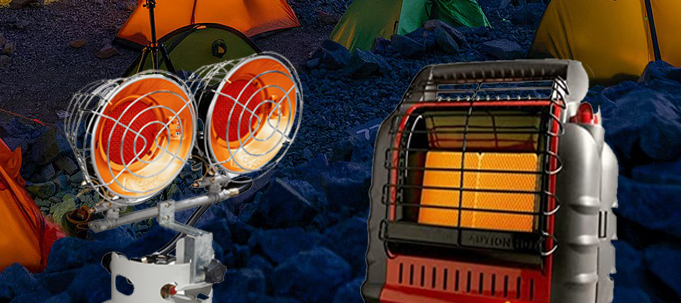
There are two main types of indoor propane heaters. Radiant heaters warm objects and people directly. They work well in small or open spaces.
Convection heaters warm the air in a room. They circulate warm air to heat larger spaces evenly. These often have fans to help spread heat.
Some heaters use sealed combustion chambers. These pull air from outside to burn propane safely. They reduce indoor air pollution risks.
Indoor Safety Concerns
Using propane heaters indoors requires careful attention to safety. These heaters can bring warmth but also pose risks. Understanding these risks helps protect your home and family.
Knowing the main dangers lets you take steps to avoid accidents. Safety matters most when heating inside with propane.
Risks Of Carbon Monoxide
Propane heaters produce carbon monoxide (CO), a deadly gas. CO has no smell or color, making it hard to detect. Breathing CO can cause headaches, dizziness, or worse. High levels can lead to unconsciousness or death.
Proper detectors must be installed to alert you about CO. Never use propane heaters in closed rooms without fresh air.
Fire Hazards
Propane heaters have open flames or hot surfaces. These can ignite nearby flammable materials. Keep curtains, papers, and furniture far from the heater. Always place the heater on a stable, non-flammable surface.
Unattended heaters increase the chance of fire. Turn off the heater when leaving the room or sleeping.
Ventilation Issues
Good ventilation is crucial when using propane heaters indoors. Burning propane consumes oxygen and releases gases. Poor air flow can cause oxygen levels to drop dangerously low.
Open windows or doors slightly to allow fresh air in. Never seal the room tightly while the heater runs. Proper ventilation keeps the air safe and breathable.
Safe Usage Guidelines
Using propane heaters indoors can be safe with the right steps. These heaters give warmth quickly but need careful handling. Follow simple rules to keep your home safe and warm.
Proper use prevents accidents and health risks. Let’s explore key safety tips for indoor propane heater use.
Proper Placement
Place the heater on a flat, stable surface. Keep it away from curtains, furniture, and other flammable items. Do not block exits or walkways. Maintain space around the heater for good air flow. Avoid placing heaters near children or pets.
Maintaining Adequate Ventilation
Propane heaters need fresh air to work safely. Open a window or door slightly to allow fresh air in. This helps prevent carbon monoxide buildup. Never use propane heaters in fully closed rooms. Install a carbon monoxide detector for added safety.
Regular Maintenance Tips
Check the heater for leaks before each use. Clean dust and debris from vents and burners. Replace worn or damaged parts promptly. Store propane tanks outdoors in a cool, dry place. Schedule professional inspections yearly to ensure safe operation.
Choosing The Right Heater
Choosing the right propane heater for indoor use is important for safety and comfort. Not all heaters work well inside your home. Some models are better suited for outdoor use only. Picking the correct heater can prevent risks like carbon monoxide build-up and fire hazards.
Focus on features that ensure safe operation indoors. Look for heaters designed specifically for indoor spaces. Consider the size and heating power to match your room size. A properly sized heater warms efficiently and avoids wasting fuel.
Safety Certifications To Look For
Check for safety certifications on the heater before buying. Certifications show the heater meets strict safety standards. Look for labels from recognized groups like UL (Underwriters Laboratories) or CSA (Canadian Standards Association). These marks mean the heater passed tests for safe indoor use.
Some heaters include oxygen depletion sensors (ODS). This feature shuts off the heater if oxygen levels drop too low. It adds an extra layer of protection when using propane indoors. Avoid models without any safety certifications or sensors.
Size And Capacity Considerations
Match the heater size to the room size. Too small a heater will not warm the space well. Too large a heater can waste fuel and cause overheating. Check the heater’s BTU rating. BTU measures heat output.
Calculate the space you want to heat in square feet. Then pick a heater with the right BTU rating for that area. This ensures efficient and safe heating. Also, consider the heater’s fuel consumption rate. Choose a model that fits your usage needs and budget.
Emergency Preparedness
Using propane heaters indoors requires careful safety planning. Emergencies can happen fast. Being ready helps protect you and your family. Simple steps make a big difference. Prepare your home to handle any propane heater risks.
Safety tools are key. Know what to have and how to use it. This keeps your home safer and gives peace of mind.
Carbon Monoxide Detectors
Carbon monoxide is a hidden danger with propane heaters. It is a gas you cannot see or smell. Install carbon monoxide detectors in rooms with heaters. These devices alert you if gas levels rise. Test detectors monthly to ensure they work well. Replace batteries regularly. Proper placement saves lives.
Fire Extinguisher Readiness
Fire risks increase with indoor propane use. Keep a fire extinguisher nearby at all times. Choose one rated for gas fires. Learn how to operate it quickly. Check the extinguisher regularly for damage or expiration. A ready extinguisher stops small fires before they grow. It adds an important layer of safety.
Credit: campsafe.org
Common Mistakes To Avoid
Using propane heaters indoors requires care and knowledge. Many people make common mistakes that put their safety at risk. Knowing these errors helps keep your home safe and warm.
Using Outdoor-only Heaters Indoors
Outdoor propane heaters are not designed for indoor use. They lack safety features needed inside homes. Using them indoors can cause dangerous carbon monoxide buildup. Always choose heaters labeled safe for indoor use. Never bring outdoor heaters inside, even for a short time.
Ignoring Manufacturer Instructions
Every propane heater comes with specific instructions. These guide safe installation and operation. Ignoring these instructions increases fire and gas leak risks. Always read and follow the manual carefully. Regular maintenance and correct use extend the heater’s life and safety.
Credit: www.reddit.com
Frequently Asked Questions
Are Propane Heaters Safe To Use Inside Homes?
Propane heaters can be safe indoors if they have proper ventilation. Always follow manufacturer instructions and use carbon monoxide detectors for safety.
What Risks Come With Using Propane Heaters Indoors?
Indoor use of propane heaters may cause carbon monoxide buildup and fire hazards. Proper ventilation and safety checks reduce these risks.
How To Properly Ventilate A Room With A Propane Heater?
Open windows or doors slightly to allow fresh air to circulate. Never seal the room completely when using a propane heater.
Can Propane Heaters Cause Carbon Monoxide Poisoning Indoors?
Yes, poorly ventilated propane heaters can produce carbon monoxide, a deadly gas. Using detectors and good airflow prevents poisoning.
What Safety Tips Should I Follow For Indoor Propane Heaters?
Keep heaters away from flammable materials and never leave them unattended. Use carbon monoxide alarms and ensure good ventilation at all times.
Conclusion
Propane heaters can be safe indoors with the right care. Always ensure good ventilation to avoid harmful gas buildup. Use carbon monoxide detectors for extra safety. Follow the manufacturer’s instructions carefully. Never leave the heater unattended while it runs. Regularly check for leaks or damage.
Safe use means warm rooms without worries. Choose propane heaters designed for indoor use only. Stay alert and cautious to keep your home safe. A little attention goes a long way. Safety first, comfort second.