
If you use a kerosene heater, you probably wonder, “How long does a wick last?” Knowing this can save you money and keep your home warm and safe. Your wick is the heart of the heater—it controls the flame and how well your heater works.
But when does it need replacing? If you wait too long, your heater won’t run efficiently, and you might even risk damage. You’ll discover the signs of a worn-out wick, how long you can expect it to last, and simple tips to make it last even longer.
Keep reading to get the most from your kerosene heater all winter long.
Kerosene Heater Wicks Basics
Kerosene heater wicks play a key role in how well your heater works. They absorb kerosene and help produce steady heat. Knowing the basics about these wicks helps you maintain your heater and keep it running safely. Wicks come in different types and materials. Each type affects how long the wick lasts and how well it burns. Understanding wick functionality helps you use your heater better and avoid common problems.
Types Of Wicks
There are several types of wicks for kerosene heaters. Flat wicks are common in many models. They provide a wide flame and steady heat. Cylindrical wicks fit inside some heaters and burn evenly. Some wicks are braided or woven for better fuel absorption. Choosing the right wick type depends on your heater model and usage.
Materials Used
Most kerosene heater wicks are made from cotton or fiberglass. Cotton wicks absorb fuel well but wear out faster. Fiberglass wicks last longer and resist burning damage. Some wicks mix cotton and fiberglass for durability and good fuel flow. The material affects how the wick burns and how often it needs replacement.
Wick Functionality
The wick draws kerosene up from the tank by capillary action. As kerosene reaches the wick’s surface, it vaporizes and burns. A clean, well-maintained wick produces a bright, steady flame. A dirty or worn wick causes uneven flames and smoke. Proper wick function ensures efficient heat and safer operation.

Credit: worldmkting.com
Factors Affecting Wick Lifespan
The wick in a kerosene heater plays a crucial role in how well the heater works. Its lifespan depends on several key factors. Understanding these can help you get the most out of your heater and avoid frequent replacements.
Each factor affects the wick’s durability and performance differently. Some factors you can control, while others depend on the environment or fuel used. Knowing these details helps you care for the wick better.
Usage Frequency
The more often you use the heater, the faster the wick will wear out. Continuous burning causes the wick to burn unevenly and become brittle. Occasional use allows the wick to last longer and perform well. Using the heater daily means you might need to replace the wick every few months.
Fuel Quality
High-quality kerosene burns cleaner and leaves less residue on the wick. Poor-quality fuel creates soot and clogs the wick fibers. This buildup reduces wick efficiency and shortens its lifespan. Using fresh, clean kerosene helps keep the wick in good shape.
Maintenance Practices
Regular cleaning of the wick extends its life. Removing carbon buildup prevents damage and keeps the wick burning evenly. Trimming the wick also helps by promoting a steady flame. Ignoring maintenance leads to quicker wick deterioration and heater problems.
Signs Of A Worn-out Wick
The wick in a kerosene heater plays a key role in its performance. Over time, the wick wears out and needs replacement. Spotting the signs of a worn-out wick helps keep your heater safe and working well.
Recognizing these signs early can save fuel and prevent damage. Watch for changes in heat, smoke, and lighting issues. These clues tell you the wick is no longer working properly.
Reduced Heat Output
A worn-out wick burns less fuel efficiently. The heater produces less heat than before. Rooms stay colder even with the heater on high. This drop in warmth signals the wick needs attention. Check the wick if your heater struggles to warm the space.
Smoke And Odor
Worn wicks often cause more smoke and bad smells. The smoke may look thick or dark. The odor can be strong and unpleasant. These signs mean the wick is burning unevenly. Smoke and odor also suggest incomplete fuel burning. Replace the wick to avoid indoor air problems.
Difficulty In Lighting
Old wicks make lighting the heater harder. The flame may flicker or go out quickly. It might take many tries to start the heater. This happens because the wick cannot soak fuel well. If your heater is hard to light, check the wick first.
Extending Wick Life
Extending the life of a wick in a kerosene heater saves money and keeps the heater working well. A good wick burns clean and steady. Taking simple steps helps the wick last longer. These steps include cleaning the wick, using the right fuel, and making regular adjustments. Each step plays an important role in wick care.
Proper Cleaning
Cleaning the wick removes dirt and soot. Dirt blocks air and makes the wick burn poorly. Use a soft brush to clean the wick gently. Do this when the heater is cool. Avoid harsh chemicals that can damage the wick. Regular cleaning keeps the flame steady and bright.
Correct Fuel Usage
Use only pure kerosene in your heater. Dirty or mixed fuels clog the wick quickly. Low-quality fuel creates thick soot and bad smells. Always check fuel labels before buying. Clean fuel helps the wick burn cleanly and lasts longer.
Regular Adjustments
Adjust the wick height to control the flame size. Too high makes smoke and soot. Too low causes a weak flame. Find the right flame size for your room. Check and adjust the wick often during use. Proper adjustment reduces wick wear and saves fuel.
Replacing The Wick
Replacing the wick in a kerosene heater is important for safe and efficient heating. Over time, the wick wears out or gets dirty. This lowers the heater’s performance and can cause smoke or smells. Changing the wick keeps your heater working well and helps avoid problems.
When To Replace
Replace the wick if the flame is weak or uneven. Dark smoke or a strong odor means the wick is dirty. If the wick looks burnt, hard, or crusty, it is time to change it. A worn wick uses more fuel and heats less. Check the wick every heating season to stay safe.
Step-by-step Replacement Guide
Turn off the heater and let it cool completely. Remove the heater’s top or cover to access the wick. Take out the old wick carefully to avoid damage. Insert the new wick into the holder, making sure it fits well. Turn the adjustment knob to raise the wick slightly. Light the heater and watch the flame. Adjust the wick height for a steady, blue flame. Clean up any spilled kerosene and replace the cover.
Choosing The Right Wick
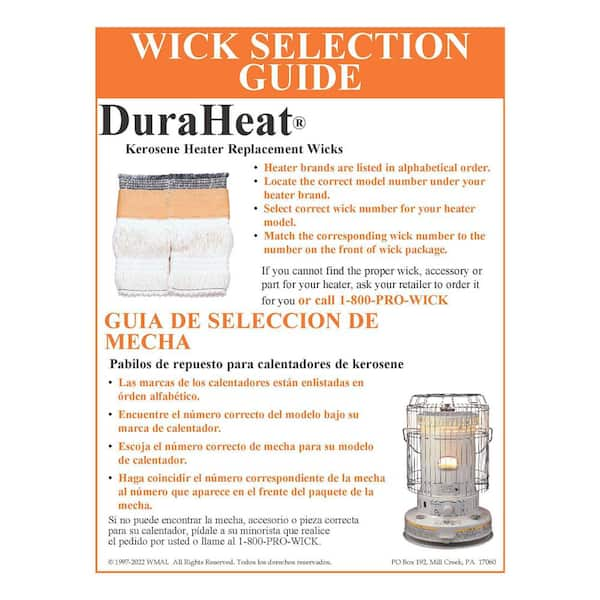
Select a wick made for your heater’s brand and model. Check the size and shape in your heater’s manual. Cotton wicks are common and burn cleanly. Avoid cheap or generic wicks that may not fit well. A good wick lasts longer and improves heating. Buy from trusted stores or the heater’s manufacturer.

Credit: www.youtube.com
Safety Tips For Wick Maintenance
Maintaining the wick in a kerosene heater is vital for safety and efficiency. Proper wick care helps prevent accidents and keeps the heater working well. Follow these simple safety tips to handle your wick correctly and protect your home.
Handling Fuel Safely
Use only high-quality kerosene fuel. Avoid spills when filling the heater. Always fill the tank in a well-ventilated area. Keep fuel containers tightly closed and away from heat. Never smoke near fuel or the heater.
Avoiding Fire Hazards
Check the wick regularly for damage or dirt. Replace the wick if it smells or smokes too much. Keep flammable items like curtains and papers far from the heater. Always turn off the heater before leaving the room or going to sleep. Ensure good airflow around the heater to prevent overheating.
Storing Spare Wicks
Store spare wicks in a dry, cool place. Keep them away from direct sunlight and moisture. Use airtight containers to protect wicks from dust. Label the containers with the purchase date. Replace old wicks even if unused, as they may degrade over time.
Credit: www.homedepot.com
Frequently Asked Questions
How Often Should I Replace The Wick In A Kerosene Heater?
A wick usually lasts between 1 to 3 heating seasons. Replace it when the flame burns unevenly or smells strong. Regular checks keep your heater working safely.
What Signs Show A Wick Needs Replacement?
Look for a weak or smoky flame and a strong kerosene smell. These signs mean the wick is dirty or worn out. Changing it improves heat and safety.
Can I Clean A Kerosene Heater Wick To Last Longer?
Yes, cleaning can extend wick life but only a few times. Use a soft brush or soak in kerosene to remove dirt. Replace the wick if cleaning doesn’t help.
Does Wick Material Affect How Long It Lasts?
Yes, cotton wicks usually last less than fiberglass wicks. Fiberglass wicks resist burning and last longer with good care. Choose the right wick for your heater type.
How Does Usage Affect Wick Lifespan In Kerosene Heaters?
Long, continuous use burns the wick faster than occasional heating. Using clean kerosene also helps wick last longer. Turn off the heater when not needed to save wick life.
Conclusion
A wick in a kerosene heater usually lasts several months. Its life depends on how often you use the heater. Clean the wick regularly to keep it burning well. Replace the wick when it becomes hard to light or smells bad.
Taking care of the wick helps your heater work safely. This also saves money on repairs and fuel. Remember, a good wick means better heat and less smoke. Keep your kerosene heater ready for cold days by checking the wick often.
Simple care goes a long way.