
Are you looking to keep your garage warm and comfortable during cold months? Venting a garage heater through your wall is one of the best ways to do this safely and efficiently.
But how do you make sure it’s done right? If you’re worried about safety, proper airflow, or saving energy, this guide is for you. By the end, you’ll know exactly how to vent your garage heater through the wall so your space stays cozy without any risks.
Let’s dive into the simple steps and expert tips that will make your heating system work perfectly for you.
Choosing The Right Garage Heater
Choosing the right garage heater is important for comfort and safety. A good heater keeps your garage warm during cold months. It also uses energy efficiently to save money. Picking the correct type and size of heater makes a big difference. This guide helps you understand the options.
Types Of Garage Heaters
There are different types of garage heaters. Electric heaters are easy to install and need little maintenance. They warm small to medium spaces well. Gas heaters use natural gas or propane. They provide strong heat and work well in larger garages. Infrared heaters warm objects, not air, making them efficient. Choose the type based on your garage size and usage.
Fuel Options And Efficiency
Fuel type affects heater efficiency and cost. Electric heaters cost less upfront but may use more energy. Gas heaters cost more to install but run cheaper long-term. Propane heaters need a fuel tank but heat quickly. Natural gas heaters connect to home lines for constant fuel. Think about fuel availability and price in your area for best choice.
Sizing Your Heater
Size matters for garage heaters. Too small means cold spots and slow heating. Too large wastes energy and money. Measure your garage size in cubic feet. Use heater guides to find needed BTUs for your space. Consider insulation and ceiling height. A properly sized heater heats faster and saves energy.
Planning Your Venting System
Proper planning is key to venting your garage heater safely and effectively. The vent system must remove gases outside without causing damage or danger. Careful thought about placement and rules will keep your garage warm and safe.
Start by choosing the right spot for the vent. Then, check distances to avoid fire risks. Finally, follow local rules and get any needed permits. This ensures your vent works well and meets safety standards.
Vent Location Considerations
Choose a wall that allows direct venting outside. Avoid walls near windows or doors to stop gas from entering your home. Pick a spot with easy access for installation and future cleaning. Make sure the vent does not block walkways or driveways.
Clearance And Safety Distances
Keep enough space between the vent and flammable materials. Follow manufacturer instructions for minimum clearances. Maintain distance from windows, doors, and vents to prevent gas buildup. Ensure no vents face neighbors’ windows or public areas.
Local Codes And Permits
Check local building codes before starting. Some areas require permits for garage heater venting. Permits ensure your setup meets safety and environmental rules. Contact your local building office to learn the exact requirements.
Materials And Tools Needed
Installing a venting system for your garage heater needs the right materials and tools. These ensure safe and effective venting through the wall. Using proper parts helps avoid leaks and keeps your garage warm.
Gather all necessary supplies before starting. This makes the installation smoother and faster. Here are the key materials and tools required for the job.
Vent Pipes And Accessories
Choose vent pipes made of metal or high-heat plastic. They must fit your heater’s specifications. Include elbow joints to navigate around obstacles. Use wall thimbles to protect the wall from heat damage. End caps help prevent rain and debris from entering the pipe.
Sealing And Insulation Materials
Use high-temperature silicone sealant to close gaps. This prevents air leaks and keeps the system efficient. Insulation sleeves protect vent pipes from cold weather. Foam or fiberglass insulation also helps stop heat loss around the wall opening.
Essential Installation Tools
Have a drill with masonry bits to make wall holes. A screwdriver and wrench set will tighten vent connections. A level ensures pipes run straight and slope properly. Measuring tape helps cut pipes to exact lengths. Safety gloves and goggles protect you during installation.
Step-by-step Wall Vent Installation
Installing a vent for your garage heater through the wall is a task you can manage with the right steps. Proper venting ensures safe operation and good airflow for your heater. Follow this simple guide to install your wall vent correctly and safely.
Marking And Cutting The Wall Opening
Start by choosing the best spot for the vent on the garage wall. Measure the vent pipe diameter carefully. Use a pencil to mark the outline of the hole on the wall. Double-check your measurements before cutting. Use a drill to make starter holes at each corner of the outline. Cut the opening with a saw suitable for your wall material. Keep the cut edges clean and smooth to avoid damage.
Installing The Vent Pipe
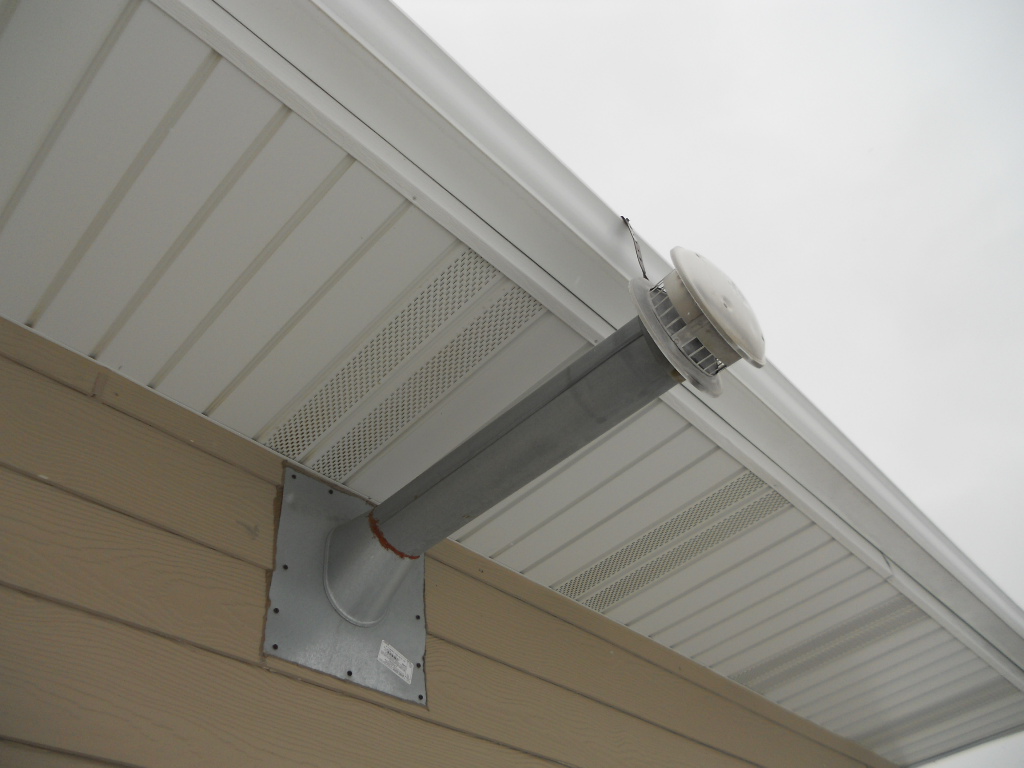
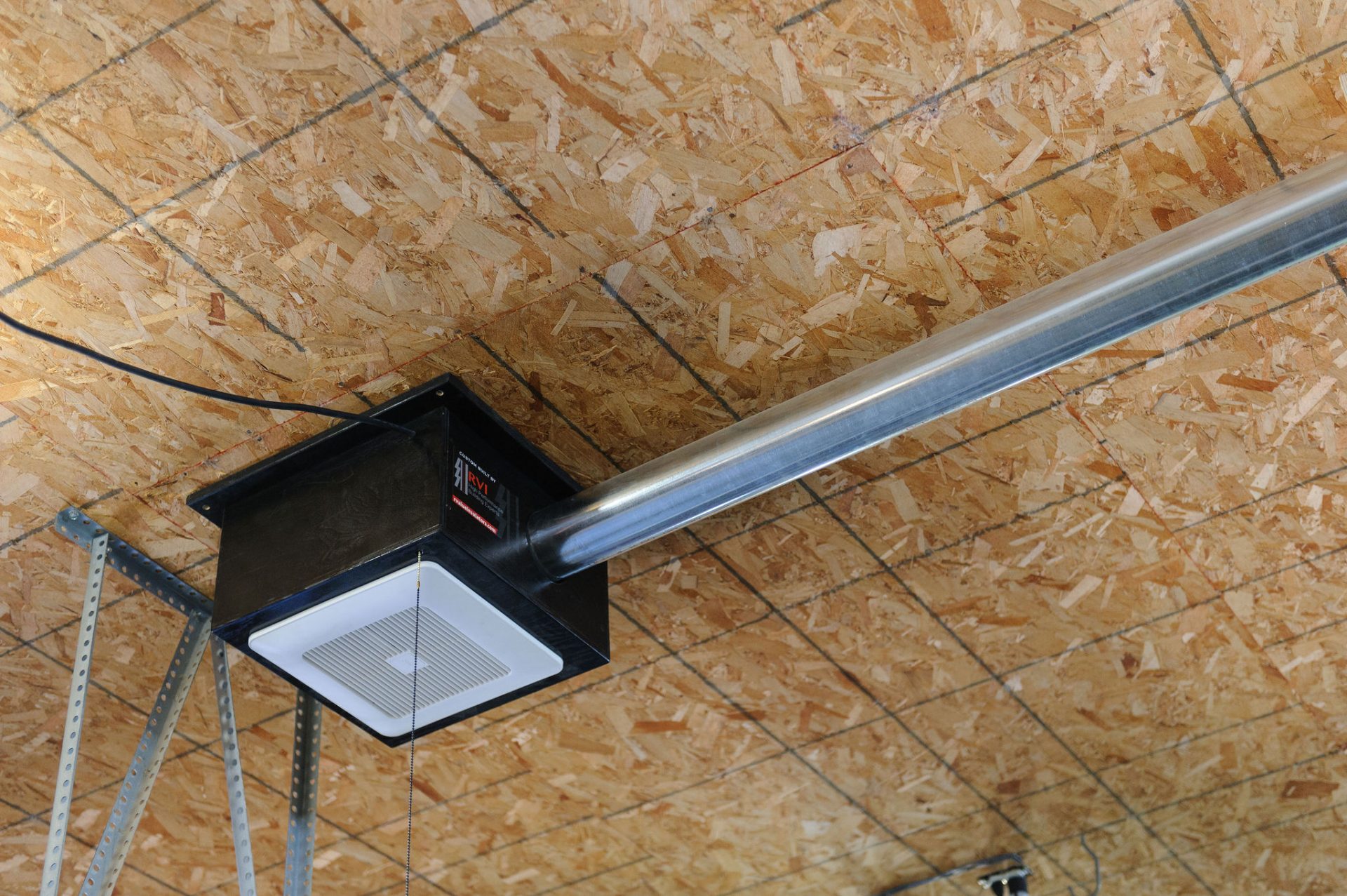
Insert the vent pipe through the hole from inside the garage. Push it until it fits snugly through the wall. Secure the pipe using brackets or screws provided by the heater manufacturer. Make sure the pipe is straight and does not sag. Check that the pipe extends enough outside to release fumes safely. Connect the pipe to the heater vent outlet tightly to avoid leaks.
Sealing And Weatherproofing
Apply a high-quality sealant around the vent pipe on both sides of the wall. Sealant prevents air leaks and stops water from entering. Use weatherproof flashing around the pipe on the outside wall. Attach the vent cap securely to keep out rain and debris. Inspect the seal regularly to maintain a good, tight fit. Proper sealing protects your garage from drafts and moisture damage.
Ensuring Proper Ventilation And Safety
Proper ventilation is crucial for venting a garage heater through a wall. It helps remove dangerous gases and keeps air clean. Safety should be the top priority to avoid accidents and health risks. Clear airflow paths prevent buildup of harmful fumes.
Following safety steps protects your home and family. Regular checks and good maintenance extend your heater’s life. Understanding ventilation needs makes installation safer and more effective.
Checking For Gas And Carbon Monoxide
Gas leaks and carbon monoxide are serious hazards. Install a carbon monoxide detector near the heater. Test it often to ensure it works well. Look for signs of leaks like smell or hissing sounds. Never ignore these signs. Call a professional if you suspect a leak.
Maintaining Vent Clearance
Keep vents clear from obstructions like plants or debris. Proper clearance allows gases to flow outside easily. Follow manufacturer guidelines for minimum distance around vents. Avoid placing vents near windows or doors. This stops fumes from entering the home.
Routine Inspection And Maintenance
Check vents and pipes regularly for damage or blockages. Clean dust and dirt from vent openings. Inspect seals around vent pipes to prevent leaks. Schedule annual professional service for thorough checks. Routine care helps catch problems early and keeps the heater safe.

Credit: www.reddit.com
Common Installation Mistakes To Avoid
Installing a venting system for a garage heater through the wall requires care. Many common mistakes can cause problems later. Avoiding these errors saves time, money, and ensures safety. Below are key mistakes to watch out for during installation.
Improper Pipe Slope
The vent pipe must slope downward away from the heater. This slope allows condensation to drain properly. Without the correct angle, water can pool inside the pipe. Pooling water can cause rust and block the vent. Always check the slope before sealing the pipe.
Using Incorrect Materials
Only use materials rated for venting gas or propane heaters. Using regular pipes can cause leaks or fires. Metal pipes designed for heater vents resist heat and corrosion. Avoid plastic or thin metal pipes that can melt or crack. Proper materials ensure safe and long-lasting venting.
Ignoring Local Regulations
Local building codes set rules for vent installations. These rules protect your home and family from dangers like carbon monoxide. Ignoring these rules can lead to fines or unsafe setups. Check your local codes before starting work. Getting permits may be required for legal and safe installation.
Troubleshooting Venting Issues
Troubleshooting venting issues in a garage heater is essential for safety and efficiency. Problems with venting can reduce heating power and cause dangerous fumes to build up inside. Understanding how to spot and fix common venting problems helps keep the heater working well and your garage safe.
Identifying Blockages
Blockages in the vent pipe stop air from flowing properly. Leaves, dirt, or bird nests can clog the vent outside. Inside, dust or debris may build up over time. Check both ends of the vent pipe for any visible obstructions. Use a flashlight to look deep inside the pipe. Clear any blockages carefully to restore airflow.
Dealing With Backdrafts
Backdrafts happen when air flows back into the garage instead of going out. This can bring harmful gases inside. Causes include wrong vent pipe placement or strong winds. Test for backdrafts by lighting a match near the vent inside. If the flame flickers or goes out, backdrafts may be present. Adjust the vent pipe angle or add a backdraft damper to fix this issue.
Fixing Leaks And Gaps
Leaks in the vent pipe let fumes escape into the garage. Gaps around the wall opening can also cause leaks. Inspect the entire vent pipe for cracks, holes, or loose connections. Seal any gaps with high-temperature caulk or metal tape. Proper sealing prevents dangerous gases from entering the garage and keeps heat inside.
Credit: www.institutohoussay.edu.ar
Credit: www.anoet.com
Frequently Asked Questions
How Do I Vent A Garage Heater Through A Wall?
You need a vent pipe that leads outside. The pipe must be sealed well to stop leaks. Follow the heater’s instructions carefully.
What Materials Are Best For Venting Garage Heaters?
Metal pipes like stainless steel or galvanized steel work best. They resist heat and rust, ensuring safety. Avoid plastic pipes for venting.
Can I Install A Vent Myself Or Hire A Pro?
Many can install vents if they follow instructions. But, hiring a professional ensures safety and code compliance. It depends on your skill level.
How Far Should The Vent Pipe Extend Outside?
The pipe should extend at least 12 inches beyond the wall. This keeps fumes away from windows and doors. Check local building codes for exact rules.
What Safety Tips Should I Follow When Venting A Heater?
Use proper vent materials and seal all joints tightly. Keep vents clear of debris and snow. Regularly inspect the vent for damage or blockages.
Conclusion
Venting a garage heater through the wall keeps your space safe and warm. It removes harmful gases outside, protecting your health. Proper venting also helps the heater work better and last longer. Make sure to follow instructions and local rules for vent installation.
A well-vented heater makes your garage comfortable during cold days. Take time to plan the vent location carefully. A small effort can bring big benefits to your garage heating system. Stay safe and enjoy a cozy garage all winter.