
Choosing the right heater can make a huge difference in how warm and comfortable your space feels. When it comes to kerosene vs diesel heaters, you might be wondering which one suits your needs best.
You want a heater that’s efficient, safe, and cost-effective. But with so many options and technical details, it’s easy to feel overwhelmed. You’ll discover the key differences between kerosene and diesel heaters. By the end, you’ll have a clear idea of which heater fits your lifestyle and keeps you cozy without breaking the bank.
Keep reading—you’re about to make a smarter, warmer choice.
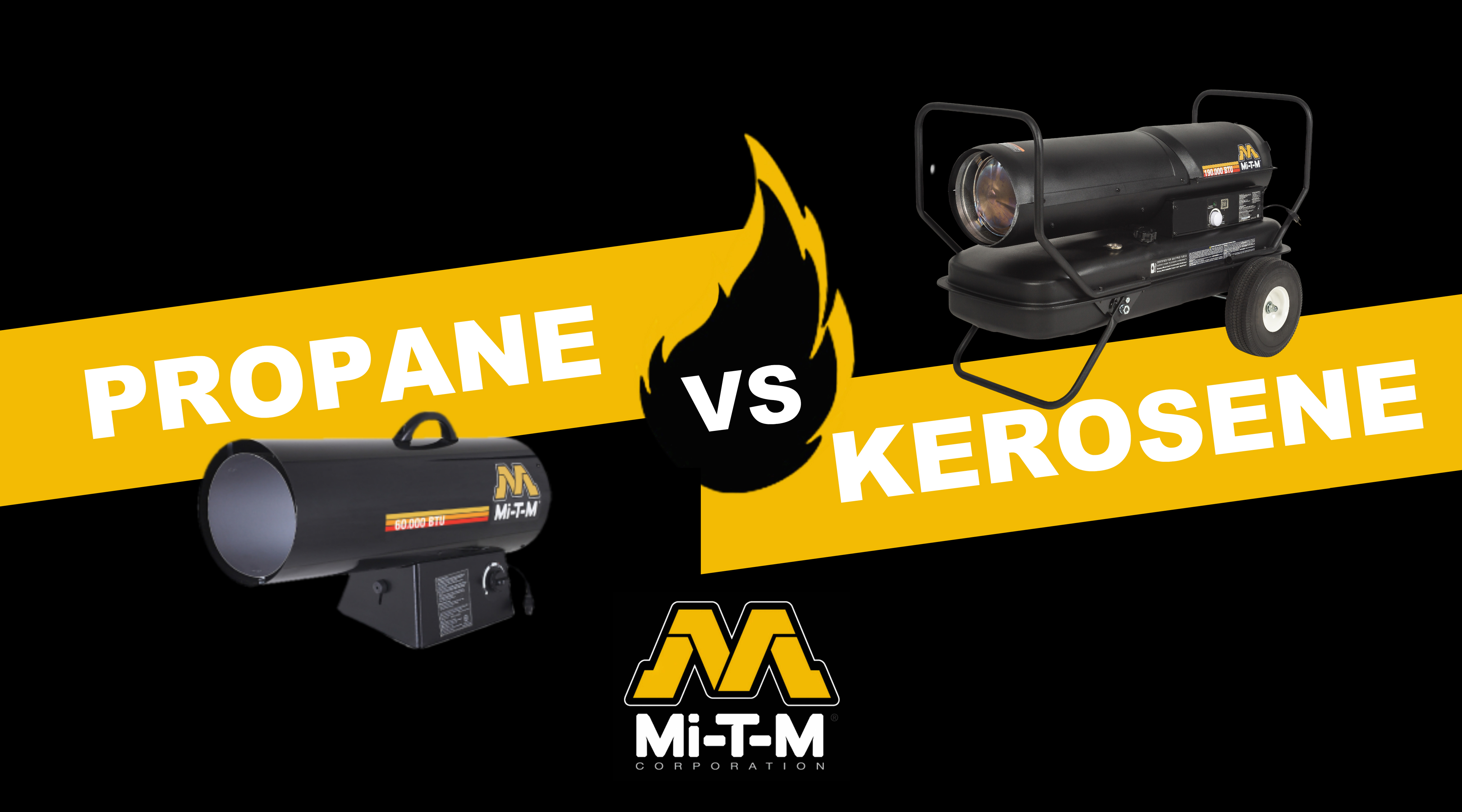
Credit: www.mitm.com
Fuel Types Compared
Choosing the right fuel affects heater performance and cost. Kerosene and diesel are common options. Each has unique features that impact heating efficiency and safety. Understanding these fuels helps in making a smart choice.
Kerosene Fuel Basics
Kerosene is a clear, light fuel. It burns cleanly with less smoke. This fuel is easy to find at many stores. It has a lower odor compared to diesel. Kerosene heaters start quickly and warm spaces fast.
Diesel Fuel Characteristics
Diesel is thicker and darker than kerosene. It produces more soot and smell when burned. Diesel is often cheaper but needs good ventilation. It lasts longer in storage without going bad. Diesel heaters suit larger, well-ventilated areas.
Energy Efficiency Differences
Kerosene offers high heat output with good fuel use. Diesel provides more energy per gallon but burns slower. Kerosene heaters often use less fuel for small spaces. Diesel heaters shine in bigger areas due to longer burn times. Efficiency depends on heater type and fuel quality.
Heating Performance
Heating performance is a key factor when choosing between kerosene and diesel heaters. Both types of heaters provide warmth but vary in how they deliver heat. Understanding their heat output, warm-up time, and temperature control helps decide which suits your needs best.
Heat Output And Coverage
Kerosene heaters offer strong heat output suitable for medium to large spaces. They spread warmth evenly and can cover a wide area. Diesel heaters usually provide higher heat output. They work well in bigger spaces or outdoor areas. Coverage depends on the heater size and fuel type.
Warm-up Time
Kerosene heaters warm up quickly, often within minutes. This fast heat makes them good for quick comfort. Diesel heaters take a bit longer to start producing heat. Their warm-up time is slower but steady. Both heaters keep the space warm once running.
Temperature Control
Kerosene heaters often come with adjustable controls for heat output. This allows easy temperature changes to stay comfortable. Diesel heaters may have fewer control options. They usually run at a steady heat level. Some models offer basic temperature adjustments for user comfort.
Cost Considerations
Choosing between kerosene and diesel heaters involves thinking about costs. This section breaks down the main expenses you will face. Understanding these will help you pick the best heater for your budget.
Initial Purchase Price
Kerosene heaters usually cost less to buy. They have simpler designs and fewer parts. Diesel heaters tend to be pricier upfront. Their build is often more robust and designed for longer use.
Fuel Costs
Kerosene fuel is often cheaper but can vary by location. Diesel fuel is sometimes more expensive but burns longer. Both fuels have steady prices, but local supply affects cost most.
Maintenance Expenses
Kerosene heaters need regular cleaning to work well. They may require more frequent parts replacement. Diesel heaters demand less frequent maintenance but can be costly if repairs are needed. Proper care reduces overall expenses for both types.

Credit: www.youtube.com
Safety Factors
Safety matters most when choosing between kerosene and diesel heaters. Understanding risks helps you pick the right heater for your space. Both fuels need caution but differ in safety needs. Below are key safety factors to consider.
Fire Hazards
Kerosene heaters burn cleaner but are more flammable. Spills can catch fire quickly. Diesel heaters are less flammable but produce soot. Both need careful handling to avoid accidents. Keep heaters away from flammable materials. Always place heaters on stable surfaces.
Ventilation Requirements
Proper airflow is vital for both heater types. Kerosene heaters release fewer fumes but still need fresh air. Diesel heaters emit stronger odors and more gases. Poor ventilation causes harmful buildup indoors. Open windows or use exhaust fans to keep air fresh.
Emission Levels
Kerosene heaters produce lower emissions than diesel ones. Diesel heaters release more carbon monoxide and soot. High emissions risk health problems, like headaches and breathing issues. Use carbon monoxide detectors near heaters. Regular maintenance lowers dangerous emissions.
Environmental Impact
The environmental impact of kerosene and diesel heaters matters a lot. Both affect air quality and natural resources. Understanding their effects helps choose the better option for the planet.
Fuel choice changes the amount of pollution released. It also affects the long-term health of our environment.
Carbon Emissions
Diesel heaters generally emit more carbon dioxide than kerosene. Carbon emissions contribute to global warming and climate change. Kerosene burns cleaner and produces fewer greenhouse gases. Still, both fuels release harmful pollutants during combustion. Proper ventilation is important to reduce indoor pollution.
Fuel Sustainability
Kerosene comes from refined petroleum, but it uses less energy to produce. Diesel requires more processing and energy to refine. Both fuels rely on non-renewable fossil fuels. Neither option is fully sustainable. Biofuel alternatives exist but are less common in portable heaters.
Regulations And Standards
Many countries set limits on heater emissions to protect air quality. Diesel heaters often face stricter rules due to higher pollution. Kerosene heaters may have fewer restrictions but still need safety checks. Meeting these standards ensures safer and cleaner heating solutions.

Credit: www.youtube.com
Usage And Application
Choosing the right heater depends on how and where you plan to use it. Kerosene and diesel heaters serve different purposes. Understanding their usage and application helps you pick the best option. This section breaks down where each heater fits best and how to use them effectively.
Indoor Vs Outdoor Use
Kerosene heaters work well indoors. They produce less odor and are safer with proper ventilation. Many models have safety features for indoor use. Diesel heaters often emit stronger fumes. They suit outdoor spaces like garages or workshops better. Avoid using diesel heaters in small, closed rooms. Always check the ventilation needs before using any heater inside.
Best Settings For Each Heater
Kerosene heaters perform best at medium heat. This saves fuel and keeps the air clean. Use a low setting to maintain warmth overnight. Diesel heaters deliver quick, strong heat. Set them to high in cold outdoor areas. Lower the heat once the space warms up. Adjust settings based on room size and air flow.
Portability And Storage
Kerosene heaters are usually lighter and easier to move around. Their compact size fits small storage spaces well. Diesel heaters tend to be heavier but more rugged. They handle rough environments and last longer outside. Store both heaters in dry places. Keep fuel containers sealed and away from heat sources.
Maintenance Tips
Maintaining your kerosene or diesel heater keeps it running safely and efficiently. Regular care prevents breakdowns and costly repairs. Simple steps can extend the heater’s life and improve performance.
Cleaning Procedures
Turn off the heater and let it cool before cleaning. Remove dust and dirt from the exterior using a soft cloth. Clean the fuel tank and filters regularly to avoid clogs. Check the burner for soot buildup and clean it gently. Use a vacuum to clear dust from vents and air intakes.
Troubleshooting Common Issues
Check for fuel leaks or strange smells before use. If the heater won’t start, verify the fuel supply is full and clean. Inspect the wick for damage or wear and replace if needed. Listen for unusual noises that may signal mechanical problems. Reset the heater if it shuts off unexpectedly.
Extending Heater Lifespan
Use high-quality fuel to reduce residue and wear. Store the heater in a dry place during warmer months. Run the heater regularly in cold months to keep parts moving. Schedule professional inspections once a year for safety checks. Replace worn parts promptly to avoid further damage.
Making The Right Choice
Choosing between a kerosene and diesel heater can be tricky. Both have strengths and weaknesses. The key is to find what fits your needs best. Consider how you plan to use the heater, your budget, and what others say about their experiences. This section helps you decide with clear points to guide you.
Matching Heater To Needs
Think about where you will use the heater. Kerosene heaters work well indoors and in small spaces. They heat quickly and are easy to carry. Diesel heaters suit larger areas and outdoor use. They provide strong heat but need good ventilation. Choose a heater that fits your space and heating needs.
Budget Vs Performance
Kerosene heaters usually cost less upfront. They also use cheaper fuel. Diesel heaters can be more expensive but last longer. Diesel fuel burns cleaner, which can save money over time. Balance how much you want to spend with how well the heater performs for you.
User Reviews And Recommendations
Check what other users say about these heaters. Many find kerosene heaters easy to use and reliable. Diesel heater users praise their power and fuel efficiency. Look for reviews from people with similar needs. Their advice can help you avoid common problems and pick the right model.
Frequently Asked Questions
What Are The Main Differences Between Kerosene And Diesel Heaters?
Kerosene heaters burn kerosene fuel and produce less smoke. Diesel heaters use diesel fuel and are more powerful but may emit more fumes. Both have different fuel needs and heating efficiency.
Which Heater Is Safer To Use Indoors, Kerosene Or Diesel?
Kerosene heaters are generally safer for indoor use due to cleaner burning. Diesel heaters can emit strong fumes and need good ventilation. Always follow safety instructions for both types.
How Does Fuel Cost Compare Between Kerosene And Diesel Heaters?
Kerosene fuel is often more expensive than diesel. Diesel fuel is cheaper and more available in many areas. Cost depends on local fuel prices and heater efficiency.
Which Heater Is Better For Outdoor Use, Kerosene Or Diesel?
Diesel heaters are often better outdoors because they produce more heat. Kerosene heaters work well but are less powerful outside. Consider wind and space when choosing.
How Easy Is It To Maintain Kerosene Versus Diesel Heaters?
Kerosene heaters need regular cleaning to prevent clogging and odors. Diesel heaters require more maintenance to handle fuel and exhaust systems. Both need care for safe operation.
Conclusion
Choosing between kerosene and diesel heaters depends on your needs. Kerosene heaters heat quickly and are easy to use. Diesel heaters last longer and are more fuel-efficient. Both have safety tips to follow for safe use. Think about where you will use the heater.
Also, consider fuel availability and cost in your area. Both types can keep you warm in cold weather. Pick the one that fits your budget and space best. Stay safe and enjoy a cozy, warm environment.